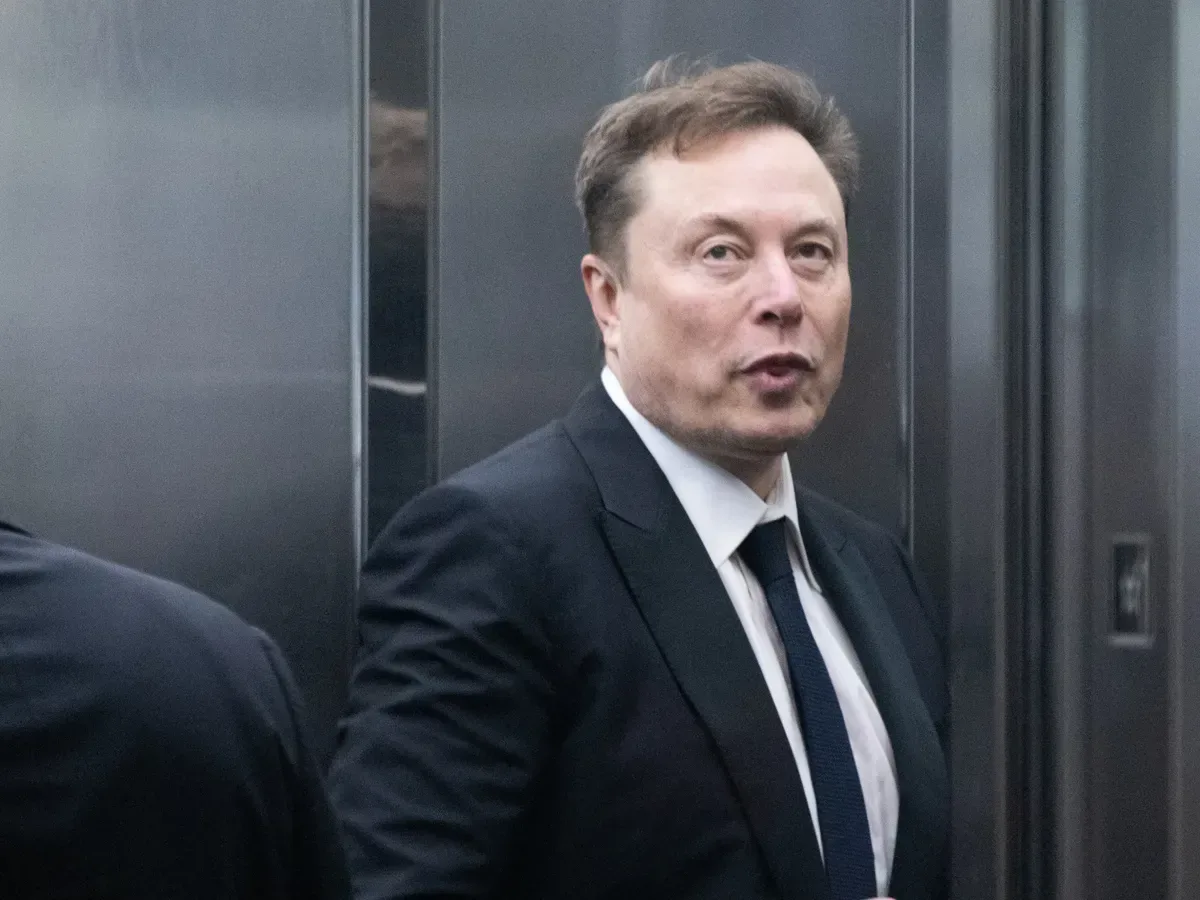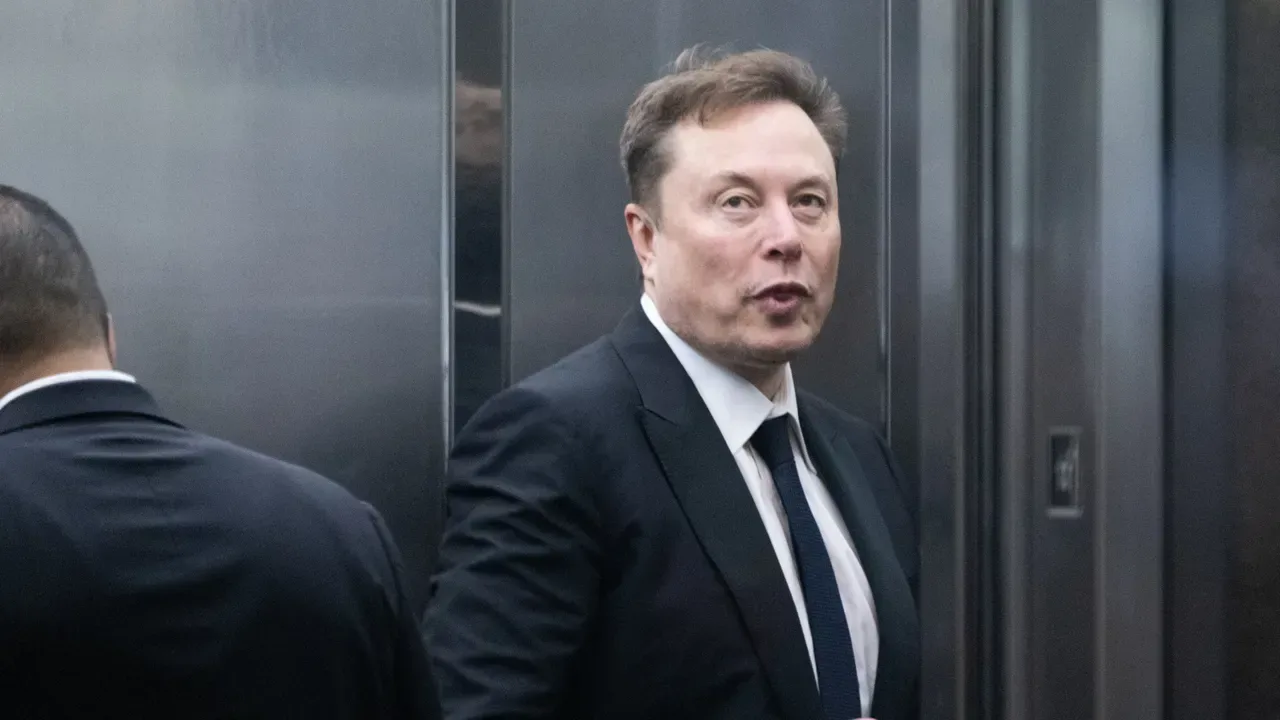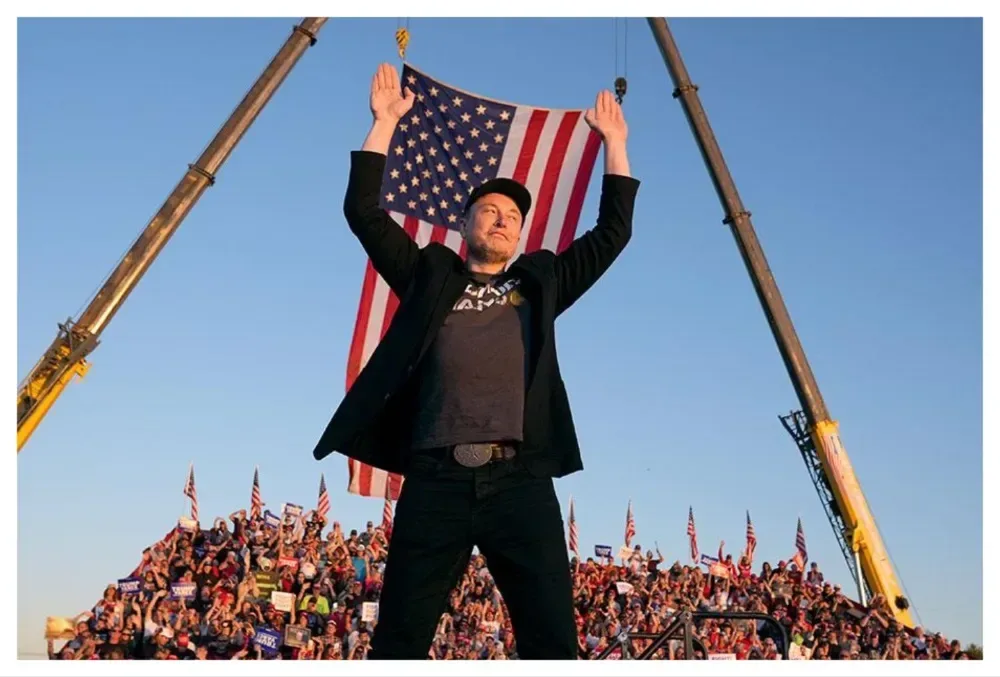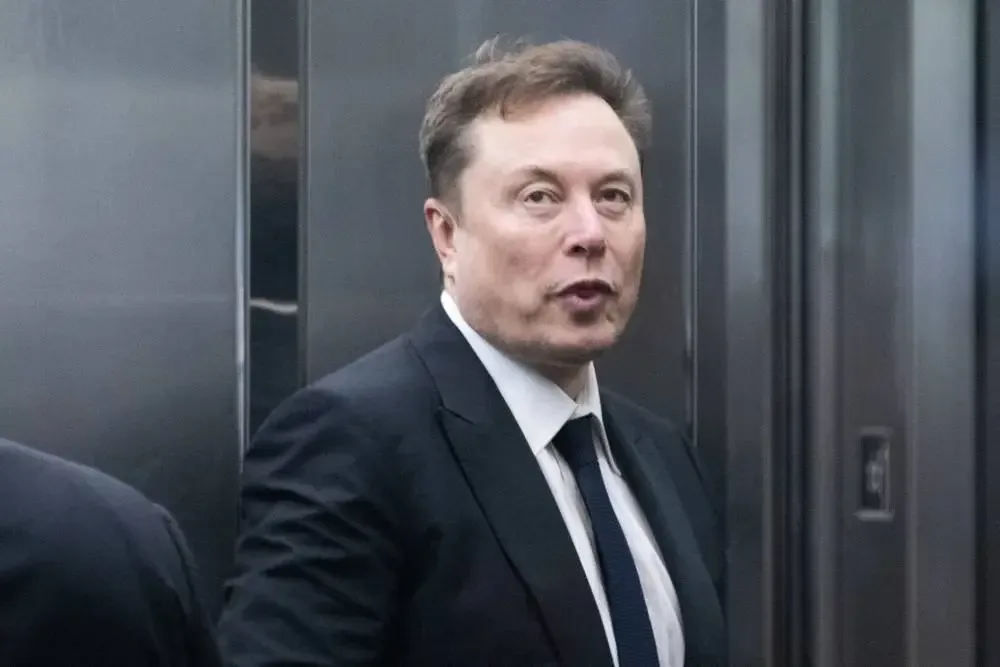
Universal may be preparing to step away from Musk, Alex Gibney’s four-hour documentary about Elon Musk, despite the film reportedly drawing strong festival reactions. The reported outcome is not necessarily that the film disappears: the rights could return to Gibney, allowing the filmmaker to seek another distributor. But it would put an unusually high-profile, exceptionally long documentary into a fresh period of uncertainty before a full release.
Musk is said to run four hours, including a 10-minute intermission. Its scope extends beyond Musk’s businesses, examining his personal life and political influence through people described as close to him, along with outside commentators. Musk did not participate in an interview for the film. The report says his public statements are instead recreated with a CGI replacement, a deliberate formal choice that one viewer characterized as part of the film’s argument about a figure who constructs his own public reality.
That approach is likely to be as debated as the documentary’s subject. A CGI recreation is not documentary footage, and audiences should not mistake it for one. In this case, it appears to be a stylized re-enactment of Musk’s already-public remarks rather than a claim that he participated in filming. Re-enactment can help a nonfiction movie organize known material, but it also makes transparency important: viewers need to understand where archival record ends and a filmmaker’s visual interpretation begins.
What is reportedly happening with the release
Universal reportedly acquired the rights to release Musk in 2023 for millions of dollars. The company is now said to be hesitant about proceeding with a full launch, with rights potentially reverting to Gibney for resale elsewhere. No confirmed new distributor or revised release plan has been identified.
A rights reversion would matter, but it would not automatically settle the movie’s future. Distribution rights determine which company can bring a film to theaters or viewers on particular platforms and in particular regions. Returning those rights to a filmmaker can create a path to another deal, but it can also mean new negotiations, new marketing decisions and a reassessment of how—or whether—a long, contentious documentary reaches its intended audience.
Runtime is one practical consideration. Four hours with an intermission is closer to an event screening than a conventional feature-film booking. That does not make a theatrical release impossible, but it changes the proposition for distributors and exhibitors. It asks audiences for a substantial time commitment, requires scheduling around an interval, and makes the movie’s presentation part of the conversation. The reported festival response suggests some viewers have embraced that scale; a commercial rollout presents a separate question.
The story also has a streaming dimension. HBO reportedly paid for streaming rights and contributed further funds while the documentary was being made. That arrangement has its own uncertainty, amid reporting about ownership changes involving Warner and David Ellison, whose father Larry Ellison is reportedly portrayed unfavorably in the film. At present, that is a potential complication, not confirmation that HBO will abandon its planned launch.
The claims at the center of the dispute
The documentary reportedly includes Ashley St. Clair, described as a former partner of Musk, discussing an alleged belief that Musk knew the 2024 election result hours before it was official because of “lasers in space.” The film also reportedly addresses Musk’s response to reporting about alleged drug use and an NDA St. Clair says she was asked to sign after giving birth to one of Musk’s children.
Those are serious and disputed matters, so the distinction between a film presenting a person’s allegation and independently proving that allegation is essential. A documentary can record testimony, conflicting accounts and unanswered questions. That does not by itself establish every assertion made on screen as fact. The supplied account does not provide the film itself, its full evidence, or a comprehensive response from every person mentioned, so the specific allegations should remain described as claims.
Musk’s attorney, Alex Spiro, has challenged the meaning of the “lasers in space” reference in a letter sent to Gibney and Jigsaw Productions, the film’s production company. Spiro stated that Starlink was not connected to vote tabulation and said the phrase referred to laser inter-satellite links used for communication between satellites. He also pointed to public refutations of any Starlink vote-rigging allegation following the 2024 election.
Inter-satellite links are communications connections between satellites. In the account supplied here, “lasers in space” is framed by Spiro as a description of that technical capability—not evidence of election-tabulation access. That distinction is important because a vivid phrase can suggest a much broader technological claim than the underlying term supports. The public dispute appears to concern not merely what is in the film, but the inference viewers may draw from how a claim is presented.
Jigsaw Productions responded by defending its ability to conduct fact-based examinations of powerful public figures and to engage in open debate under First Amendment protections. That response is not a factual resolution of the claims; it is a statement of the producers’ position on their right to make and release the documentary. The disagreement illustrates two parallel arguments that often arise around nonfiction films: whether the work is fair and accurate, and whether the filmmakers have the right to present their reporting and interpretation.
Musk’s objections and the absence of an interview
Musk has publicly called the movie a “hit piece,” a “false film” and boring. He and Spiro have not seen it, based on the supplied reporting. Gibney, meanwhile, has said Musk declined to participate in an interview, while the two sides have clashed over the filmmaker’s refusal to discuss the documentary’s material with them ahead of release.
That setup makes the film’s methodology especially important. An interview with a subject can offer a direct on-record response, but a subject’s refusal does not prevent a documentary from being made. Filmmakers may use public statements, reporting, archive material, interviews with other participants and re-enactments. The trade-off is that the finished work will be judged closely on context, corroboration, editing and whether viewers can tell assertion, rebuttal and verified record apart.
A viewer who attended a Venice screening described the documentary as more even-handed than Musk’s characterization suggests, saying it revisits some stories to expose contradictions and asks questions about Musk’s children and data. That is one viewer’s assessment, not a substitute for a full review of the finished film. Still, it indicates that Musk may be structured less as a linear corporate biography than as an examination of competing narratives around its subject.
The use of a digital stand-in could reinforce that structure, but it carries risks. In contemporary media, CGI faces and synthetic imagery are often associated with deepfakes: convincing manipulated media that can make a person appear to say or do things they did not. The reported use here should not be conflated with that category if the movie is clearly staging Musk’s existing public comments. Yet the line matters because documentary credibility depends on the audience being able to identify a recreation immediately and understand its purpose.
For an adjacent example of how technology can shape a creative production without replacing the people involved, performance capture remains a significant part of game production. A CGI reenactment in a documentary is a different use case entirely: it is a representational device intended to interpret material, rather than a record of a new interview or event.
A broader distribution question for difficult documentaries
The reported Universal deliberations arrive alongside another recent documentary-distribution reversal. Amazon previously walked away from Artificial, a documentary about Sam Altman, shortly after entering a $50 billion deal with Altman’s company OpenAI. That film, which also includes Musk, is now expected to be released by Neon.
The two projects are not identical, and the available information does not establish why every decision was made. But together they underline a difficult reality for documentaries focused on powerful technology figures: the people, companies and institutions around the subjects may also intersect with the businesses deciding how the films are financed, marketed or distributed. That can produce understandable scrutiny even when a distributor’s decision has multiple commercial or strategic causes.
For audiences, the immediate practical message is simple: do not treat a festival showing, a rights acquisition or a streaming agreement as the same thing as a confirmed public release. Musk has reportedly screened and received a five-minute ovation at Venice, but its wider distribution remains unsettled. The movie may yet find another theatrical partner, proceed through HBO, do both, or undergo a different release process entirely.
For the film industry, the story is a reminder that documentaries are not merely neutral containers for information. A movie about a living, politically influential and intensely polarizing public figure can become an argument over evidence, access, legal threats, technical presentation and corporate incentives before most audiences have even had an opportunity to see it. Until a distributor confirms its plan, the most accurate description of Musk is a completed, heavily disputed documentary whose next step is still unresolved.