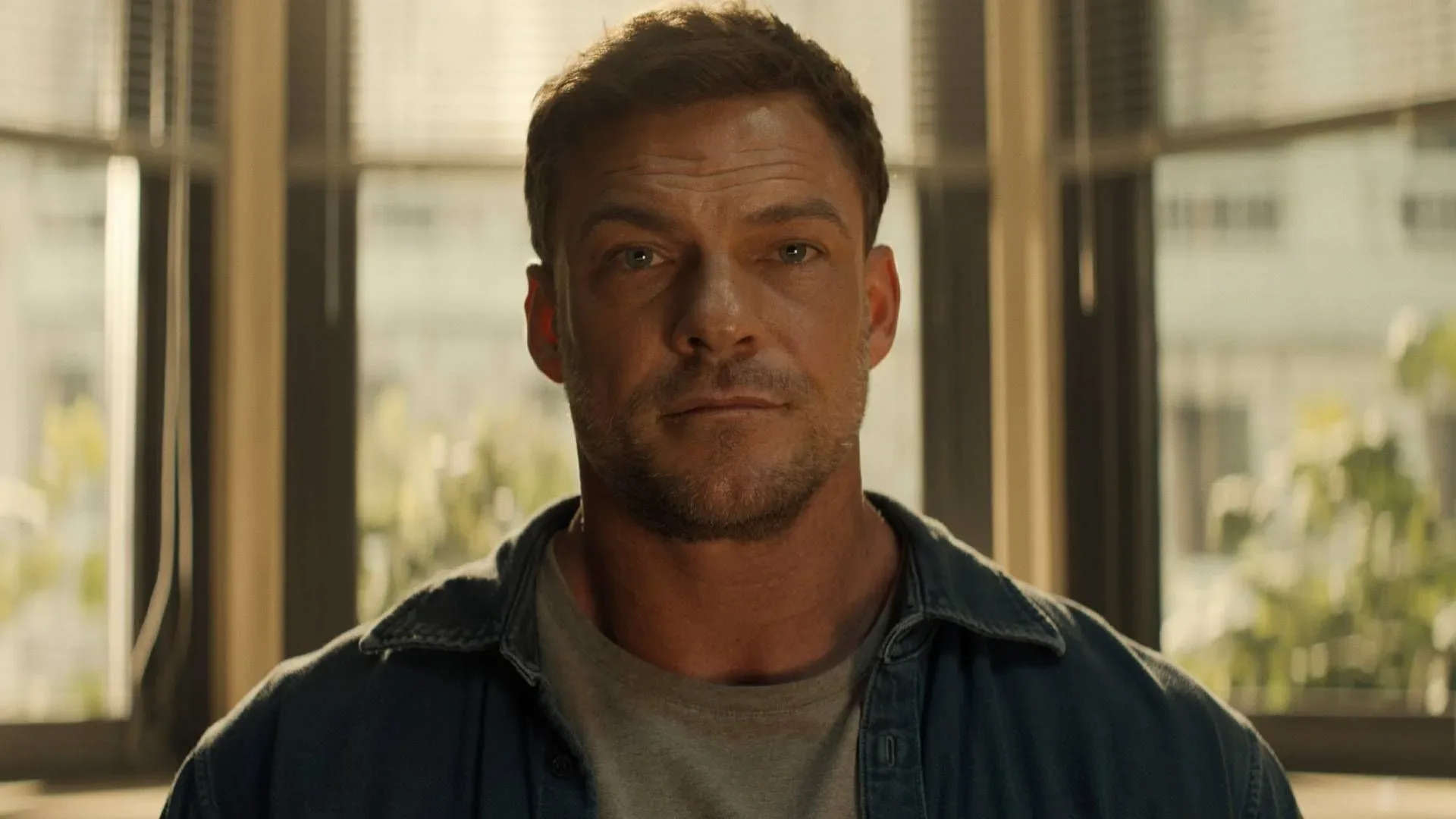
Warning: Major spoilers for Reacher season 4, episode 7 follow. After spending much of the season treating a USB drive like the most dangerous thumb-sized object in television, Reacher finally shows why so many groups want it. Episode 7 gives the picture stored on Anna Merrick’s drive a much bigger meaning, connecting it to an old covert program, a scientist’s work, John Sampson’s past, and the Hoths’ present-day attack plan.
The short answer is that the USB contains evidence related to a deadly fictional chemical toxin from the series’ mythology. It is not presented as a named, real-world agent with a practical recipe viewers can identify. Instead, the episode frames it as a weapon developed from the seeds of an Indonesian plant, with the image on the drive preserving the formula needed to recreate it. That makes the photo less of a mysterious keepsake and more of a catastrophic piece of evidence.
For Reacher, naturally, this means the case has graduated from “suspicious USB” to “international conspiracy involving a potential mass-casualty attack.” A normal person might back up their files and call an IT department. Jack Reacher gets a vintage military secret, multiple agencies, a private party in danger, and another reason to make very direct introductions.
What the USB was hiding
The flash drive entered the story through Anna Merrick. Before her death, she gave it to Reacher, setting off a hunt involving the CIA, the FBI, and the Hoths. While the drive had clearly become valuable to almost everyone around it, its contents remained obscured for most of the season. Reacher and his allies had located a photograph showing John Sampson and fellow military personnel in a laboratory on an Indonesian base, but the significance of that setting and image was initially unclear.
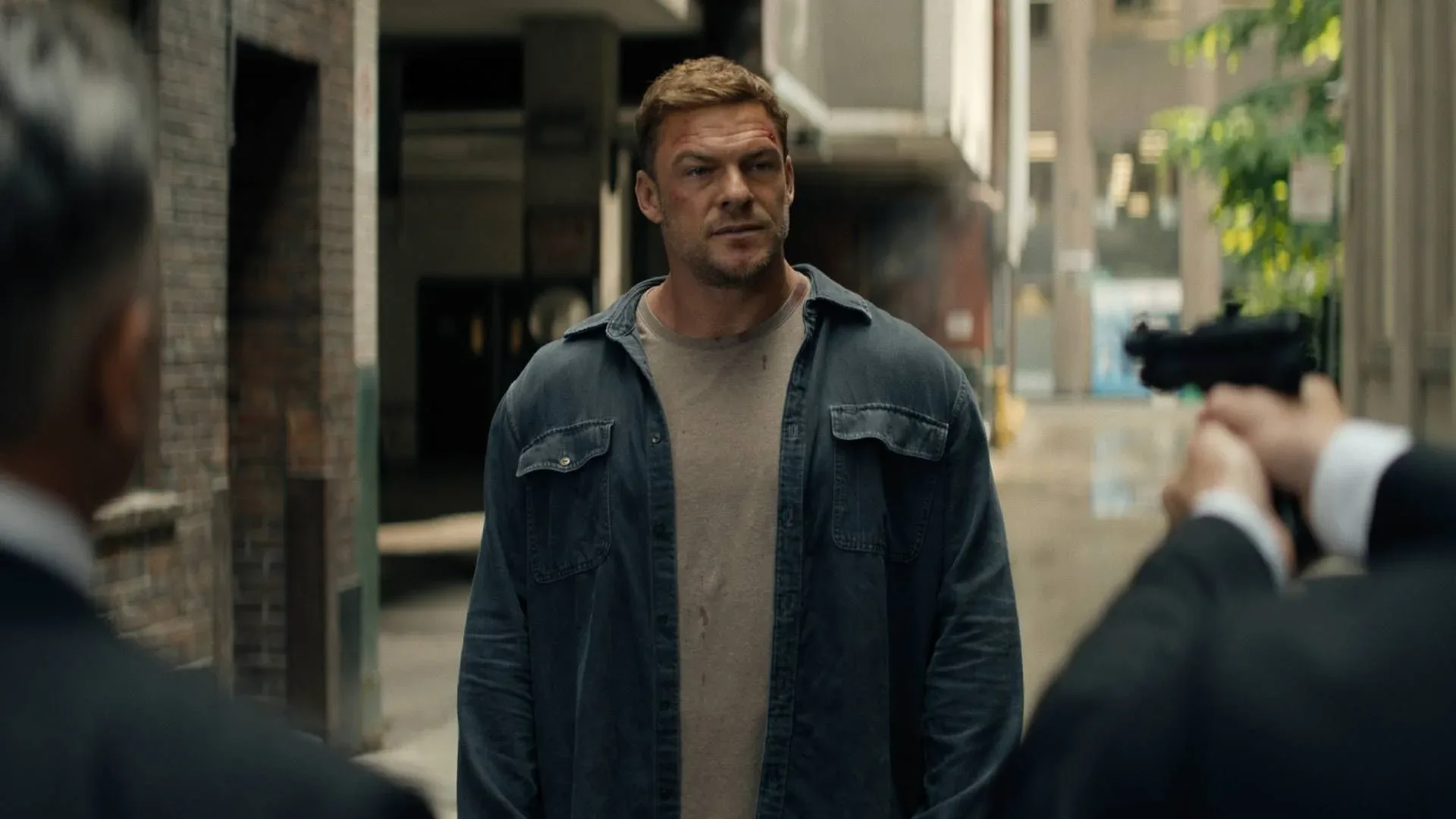
Episode 7 changes that. Following Jacob Merrick’s rescue of Reacher and Tamara from Leo Ahlquist’s hired attackers, the group returns to Ahlquist’s office for answers. Ahlquist identifies the image as documentation connected to work on a lethal chemical weapon. In the show’s account, the project began as a defensive effort: create the threat in order to develop a means of protecting people from it.
The motivation described in the episode is rooted in anxiety over chemical attacks after gas attacks in Tokyo. The CIA enlisted Ahlquist and DARPA for the work, with the objective of creating the agent and subsequently finding an antidote. That rationale is deliberately unsettling. The project may have been conceived as protection, but its continued existence has left behind a weaponized formula, compromised personnel, buried history, and plenty of people eager either to silence the truth or profit from it.
In other words, the USB is vital not because it holds a vague government secret, but because it ties individuals and institutions to a project whose consequences are very much alive. The photograph offers a link between Sampson’s military service, the laboratory, the research, and the people now pursuing the toxin.
Operation Mongoose and the Indonesia connection
The episode names the historic trials Operation Mongoose. The CIA did not want the program conducted in the United States, so the arrangement moved overseas. The U.S. made a deal with Indonesian General Putra: DARPA could operate in Indonesia, while Delta Force would train Indonesian troops.
Sampson took part in the Delta Force element of that agreement, though he did not know the complete story at the time. This distinction matters because it places him near the operation without making him an informed architect of the toxin program. The photograph’s reverse side also reveals Amisha working in the lab, establishing that she was directly connected to the research rather than merely a villain who arrived after the fact.
That historical overlap turns the season’s antagonist web into something more personal. Amisha’s connection to General Putra is especially important: she revered him, while Sampson is revealed to have been responsible for Putra’s killing. The show therefore gives her more than a commercial motive. The toxin can be sold, leveraged, and used as a weapon, but it also sits at the center of an old grievance that has not faded with time.
It is a familiar thriller construction, but an effective one when it works: an operation thought safely entombed in classified history returns because records survive, participants carry scars, and somebody discovers that a cover-up is only as strong as the least secure USB drive in the room.
What the toxin is in the show’s fiction
The toxin itself is made from seeds of a plant native to Indonesia, at least within the narrative presented by episode 7. Lila carries those seeds in her bracelet. The Hoths then rely on scientists and technology specialists to decipher the information, use the formula in the photograph, and reproduce the poison.
The important detail is its intended deployment. The Hoths’ operation does not stop at recreating the substance. Their team develops a way to disperse it through the air over a broad area, turning an obscure historical formula into an immediate large-scale threat. Lila’s stated ambition is to kill thousands, and the episode makes clear that the group intends to market the toxin to terrorist organizations worldwide.
That is why every faction’s interest in the USB has a different shade of urgency:
- Anna Merrick steals files after the Hoths threaten her, triggering the scramble around the drive.
- The Department of Defense, CIA, and Sampson’s people want the information contained and kept from public view.
- Lila and Amisha want access to the formula so the toxin can be reproduced and turned into a weapon for sale and revenge.
- Reacher and his allies need to understand the evidence quickly enough to stop an attack already moving into its final phase.
The episode does not give viewers a real-world scientific breakdown, a toxin name, or usable details about how to create one. Its purpose is dramatic rather than educational. The plant seeds, encoded formula, and airborne weaponization are plot devices that explain why the villains’ plans are so dangerous and why the season’s buried military history cannot remain buried.
Why Reacher initially looks in the wrong place
Once Reacher understands the scale of the plot, he starts looking for a likely public target in Philadelphia. His investigation points him toward a major orchestral performance built around movie music, including selections associated with Mission: Impossible. It is the kind of crowded gathering that fits the Hoths’ desire for mass harm, so the suspicion is reasonable.
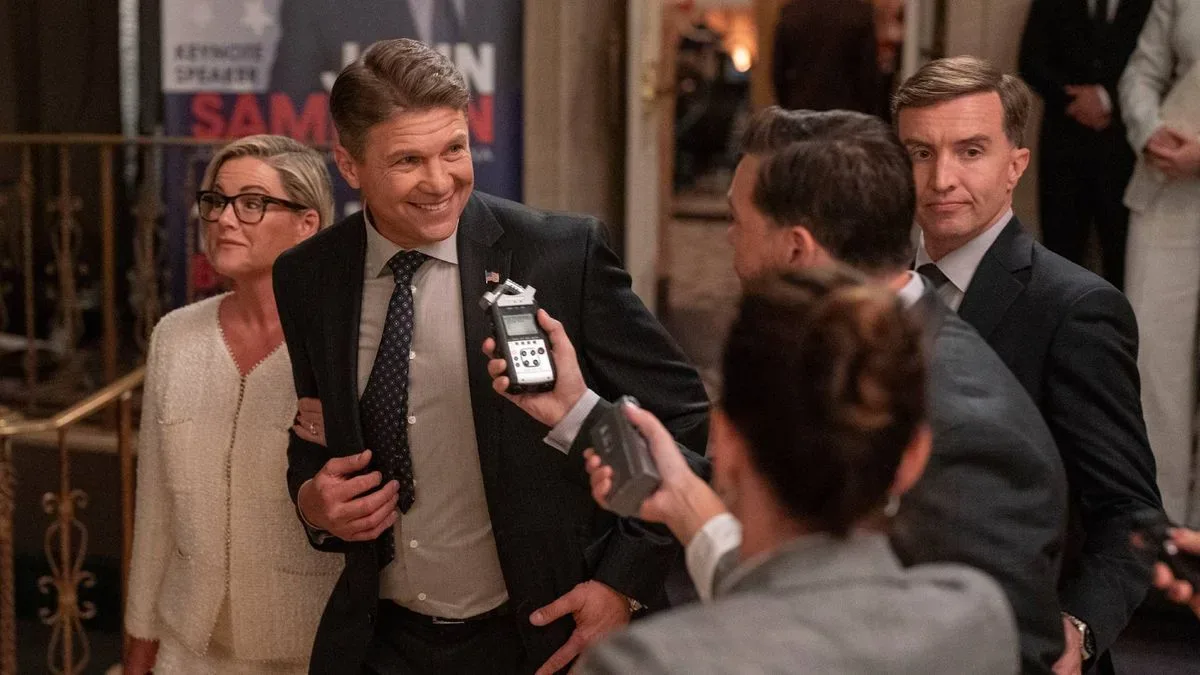
But episode 7 uses that lead as a feint. The concert is not the true target. The Hoths instead direct Tomas Waberi, whose identification had been flagged earlier in the season, toward Sampson’s party on a suicide mission.
The switch makes the threat more intimate while maintaining its potentially catastrophic stakes. Rather than simply choosing the largest available crowd, Amisha’s side of the plan appears focused on Sampson himself. The party target aligns with the newly revealed history involving Putra and makes the attack a vengeance play as much as a broader act of terror.
It also reinforces a central tension in the episode: Reacher has figured out the broad shape of the conspiracy, but knowing what a weapon can do is not the same as knowing exactly where its users will strike. The villains exploit that gap, sending Reacher toward an apparent public target while the actual operation unfolds elsewhere.
Sampson’s sacrifice changes the finale setup
Before Waberi can release the toxin, Sampson intervenes. He tackles Waberi and forces him into a nearby body of water, sacrificing himself to prevent the release. The moment gives the old Operation Mongoose story a tragic endpoint for Sampson: a man tied unknowingly to the original arrangement ultimately gives his life stopping the modern weapon built from its legacy.
His death also means the season finale has a substantial emotional and strategic problem to resolve. Sampson is gone, but Lila and Amisha are not necessarily finished. Their immediate attempt has failed, yet they have already demonstrated the ability to reconstruct the toxin and organize an attack. With personal vengeance still motivating Amisha and an international sales motive behind Lila’s actions, there is little reason to assume the danger simply evaporates with Waberi’s mission.
For viewers preparing for the final episode, the key takeaway is straightforward: the USB mystery has been answered, but the season’s threat remains active. The drive exposed an old chemical-weapons project, the photograph supplied the formula’s significance, and Operation Mongoose explained why Sampson, Amisha, and Putra’s history matters. Now Reacher has to deal with the people who turned that secret into a present-day weapon.
The Reacher season 4 finale arrives on Prime Video on Wednesday, September 16. For more television stories with long-running franchise threads and timelines to untangle, see our look at where VisionQuest sits after WandaVision.