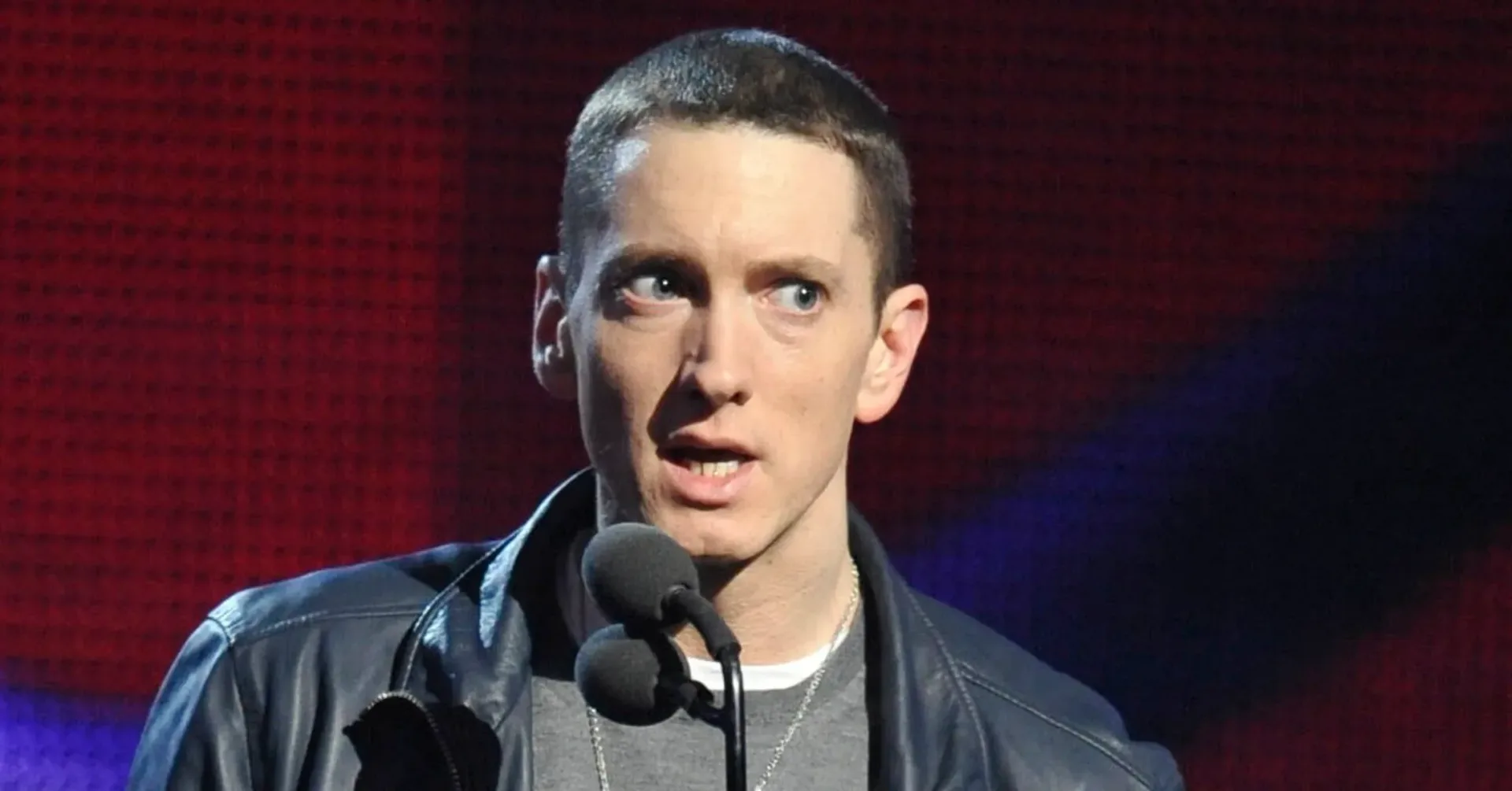
Ray J was transported to a hospital after becoming ill during a livestream at Fab Factory on Thursday, October 1. Emergency responders treated the singer on camera before he was taken from the building. His mother, Sonja Norwood, was present during the incident.
The precise nature of Ray J’s condition has not been announced. Accounts of the emergency have described it as heart-related, but that description is not a diagnosis, and there is no confirmed information about what caused his symptoms, what treatment he received, or his condition after arriving at the hospital.
Someone at Fab Factory contacted the fire department and requested an ambulance after Ray J began experiencing health problems. Reports characterized the call as a medical matter and indicated there was nothing suspicious surrounding the response.
A livestream stopped for a real emergency
The emergency interrupted “Rayhab,” Ray J’s planned 180-day streaming marathon. The project reportedly involved stretches in which he had stayed awake for extended periods. That context may be part of why the incident immediately drew concern, but it should not be used to assign a cause to a medical event that has not been publicly diagnosed.
Livestreams can make an unfolding emergency feel unusually immediate: viewers may see fragments of an event before family members, doctors, or the person involved are ready to provide verified information. In this case, video reportedly showed paramedics attending to Ray J while medical equipment was attached to his chest. Those visible details establish that responders were treating him, not what condition they were evaluating.
That distinction matters. A heart-related complaint is a broad description rather than a medical conclusion. Chest pain, changes in heart rate, breathing issues, and many other symptoms can prompt monitoring and urgent evaluation. Only a clinician’s confirmed diagnosis could establish what occurred here, and none has been announced.
Why the incident has prompted heightened concern
Thursday’s hospitalization follows several serious health episodes Ray J has faced this year. In January, he was hospitalized with pneumonia and heart pain. Doctors performed chest X-rays and an echocardiogram during that episode.
An echocardiogram is an ultrasound-based test that creates images of the heart. It can help medical teams assess aspects of the heart’s structure and function. The fact that the test was performed indicates doctors were investigating his symptoms at the time; it does not, by itself, reveal a result or diagnose a particular heart condition.
Ray J had also previously experienced a severe case of pneumonia that required oxygen. Pneumonia is an infection that affects the lungs and can make breathing difficult. The available information does not establish a direct connection between that earlier illness, the January hospitalization, and the October emergency. Still, the history explains why observers have treated this latest incident with more seriousness than a routine interruption to an online broadcast.
Earlier post-fight hospitalization added to health concerns
His heart was again a subject of concern after his celebrity fight with Supa Hot Fire. Ray J was knocked out in the second round and subsequently spent four nights in a Las Vegas hospital. He later said that his heart rate had abruptly slowed.
He also reported chest pain and abnormal heart patterns while doctors assessed him after the fight. Those reports remain important background, but they should not be conflated with a current diagnosis. A prior hospital stay can provide context for why a new episode may be alarming, without proving that the same issue has returned.
The most responsible reading of the available information is therefore a limited one: Ray J had a medical emergency serious enough to require paramedic treatment and hospital transport, it was described as heart-related, and further details have not been made public. Any stronger claim about his condition would go beyond what has been confirmed.
The practical issue with marathon-style broadcasts
“Rayhab” was designed as a long-duration streaming project, and the emergency puts a difficult reality into focus: a public endurance format does not stop being physically demanding because it is framed as entertainment. Staying awake for long periods is not a neutral creative choice, particularly when someone has a recent history of hospitalization and reported heart-related symptoms.
There is also a difference between documenting a health scare and turning it into content. Once emergency personnel are involved, the important event is not the stream’s continuity, viewer reaction, or the spectacle of a disrupted marathon. It is that a person is receiving care. The interruption of the broadcast is secondary to the need for medical privacy and recovery.
For audiences, uncertainty can create pressure to fill gaps with social-media theories. That is especially tempting when a situation occurs live and includes visible emergency equipment. But the details that matter most—test results, diagnosis, treatment plan, and prognosis—are precisely the details that have not been released. Waiting for confirmed updates is more useful than treating clips or secondhand descriptions as medical evidence.
What is confirmed and what remains unknown
Several core details are clear: Ray J became ill at Fab Factory; emergency services were called; paramedics treated him; he was transported to a hospital; and the incident halted his planned streaming marathon. His mother was also present.
Much remains unknown. There is no publicly announced diagnosis, no confirmed explanation for the emergency, and no disclosed update on his status following transport. There is likewise no basis to state that lack of sleep, pneumonia, the earlier fight, or any earlier heart-related complaint caused the October incident.
That uncertainty is not a minor footnote. It is the central fact of the story. Past episodes give the incident weight, but they cannot substitute for current medical information. Until Ray J or his representatives share a verified update, the most accurate description is that he experienced a serious on-stream medical scare and was taken to the hospital for care.
The event also lands amid a busy stretch for music and celebrity culture; separately, a reported Eminem and Kid Rock collaboration has renewed discussion around their Detroit connection. For Ray J, however, the immediate issue is not a broader entertainment cycle but the unanswered question of his health after an emergency response.