QueenzFlip has offered an extended response to his confrontation with Rory Farrell at a New York City nightclub, describing why he believed the two were on better terms before the encounter and why he now considers that relationship changed.
The dispute has unfolded across several familiar modern-media spaces: a nightclub interaction, social posts, a livestream and discussion on podcasts. Rory later apologized for the confrontation on New Rory & Mal, while Flip has now addressed it on The Joe Budden Podcast after previously speaking about it during a livestream.
The important point is that the accounts are personal interpretations of a tense encounter, rather than a jointly agreed reconstruction of every moment. Still, the comments clarify the central issue for Flip: he says he had understood old insults and disagreements involving Rory and Mal to be behind them. The nightclub confrontation made him believe that assumption was mistaken.
What QueenzFlip says changed
Flip explained that he had reached out to Rory after a health scare and had taken that contact as a sign that they were cool. He said he considered his prior “suckers” comments about Rory and Mal to be water under the bridge.
That framing matters because it places the confrontation in a longer-running relationship between people attached, in different ways, to a large podcast orbit. Rory and Mal were central figures in an earlier era of The Joe Budden Podcast; QueenzFlip belongs to its more recent on-air lineup. Familiarity can create an expectation that blunt commentary is part of the environment. It does not guarantee that the people being discussed regard it as settled, forgiven or harmless.
Flip said Rory’s response made him feel newly aware of how Rory viewed him, and said he no longer wanted a relationship with him. His message was not that the argument had been fully explained away, but that it had established a boundary for him.
“Nobody plays with me like that.”
That sentiment captures the personal stake behind the story. In public-facing media, arguments often get reduced to a short clip, a viral phrase or competing fan loyalties. Flip’s account instead centers on respect: what he thought had been resolved, what he felt happened in person, and why he believes the matter cannot simply be treated as routine entertainment.
The “Clip that” issue
One detail that particularly bothered Flip was Rory saying “Clip that” after the confrontation. In podcast and livestream culture, a “clip” is a short excerpt cut from a longer recording or stream and shared independently across social platforms. Clips can be useful for reaching people who will not watch a full episode, but they also change the context in which a moment is received.
For someone who has just had an uncomfortable in-person exchange, a line that invokes clipping can sound as though the moment is being positioned for an audience rather than de-escalated privately. Flip said he stayed angry about that aspect of the exchange for a while. Whether the phrase was meant as a joke, a media-savvy aside or something more confrontational is not established here, but Flip’s reaction is clear: he viewed it as aggravating rather than harmless.
This is a practical tension in creator-driven entertainment. A disagreement can exist at the same time as a potential piece of content. The people involved may know that an argument will travel online almost immediately, and that awareness can make it harder to separate a real personal dispute from its public afterlife. The source material does not establish that the nightclub incident was created for content, and it should not be read that way. It does show that the prospect of the encounter becoming a clip became part of the disagreement itself.
Attempts to cool things down
Others present were described as trying to keep the situation from escalating. REASON reportedly attempted to diffuse the tension, while Emanny told the podcasters not to let the matter go too far. On a later podcast discussion, Emanny said he would no longer try to play middleman with Rory.
“Middleman” in this context means an informal mediator: a friend or associate trying to relay perspectives, lower the temperature or stop a disagreement from becoming a larger conflict. It is a role that can be useful in a close creative community, but it also has limits. A mediator cannot make either party accept an apology, restore trust or agree on what an interaction meant.
Joe Budden argued that Rory appeared to want to get into it, while Flip said he eventually recognized that the confrontation had become more tense than he was comfortable with. Those observations add to the public conversation, but they do not provide a complete, neutral account of the event. The clearest takeaway is narrower: people around the exchange recognized that it was becoming serious enough to warrant intervention.
Flip acknowledges his own earlier comments
Flip did not present himself as blameless in the broader conflict. He said he was wrong to call Rory and Mal “suckers,” and he also gave Demaris a shout-out. That acknowledgement is significant because it separates two positions that can coexist: he can stand by his feeling that the nightclub confrontation crossed a line while also accepting that his own past language helped create unresolved friction.
That distinction is often lost in online arguments, where public reaction can turn quickly into a search for a single winner or villain. A more useful reading is that comments made in a podcast ecosystem can retain force long after the speaker assumes the issue has passed. Saying something is water under the bridge describes one person’s understanding; it does not automatically make it a shared agreement.
Rory’s apology likewise signals an effort to address the incident, but an apology and reconciliation are not the same process. An apology can acknowledge regret for an event. Reconciliation generally requires the people involved to agree on what repair looks like, if they want repair at all. Flip’s comments suggest he is not currently interested in resuming the relationship.
A busy and hostile night in New York
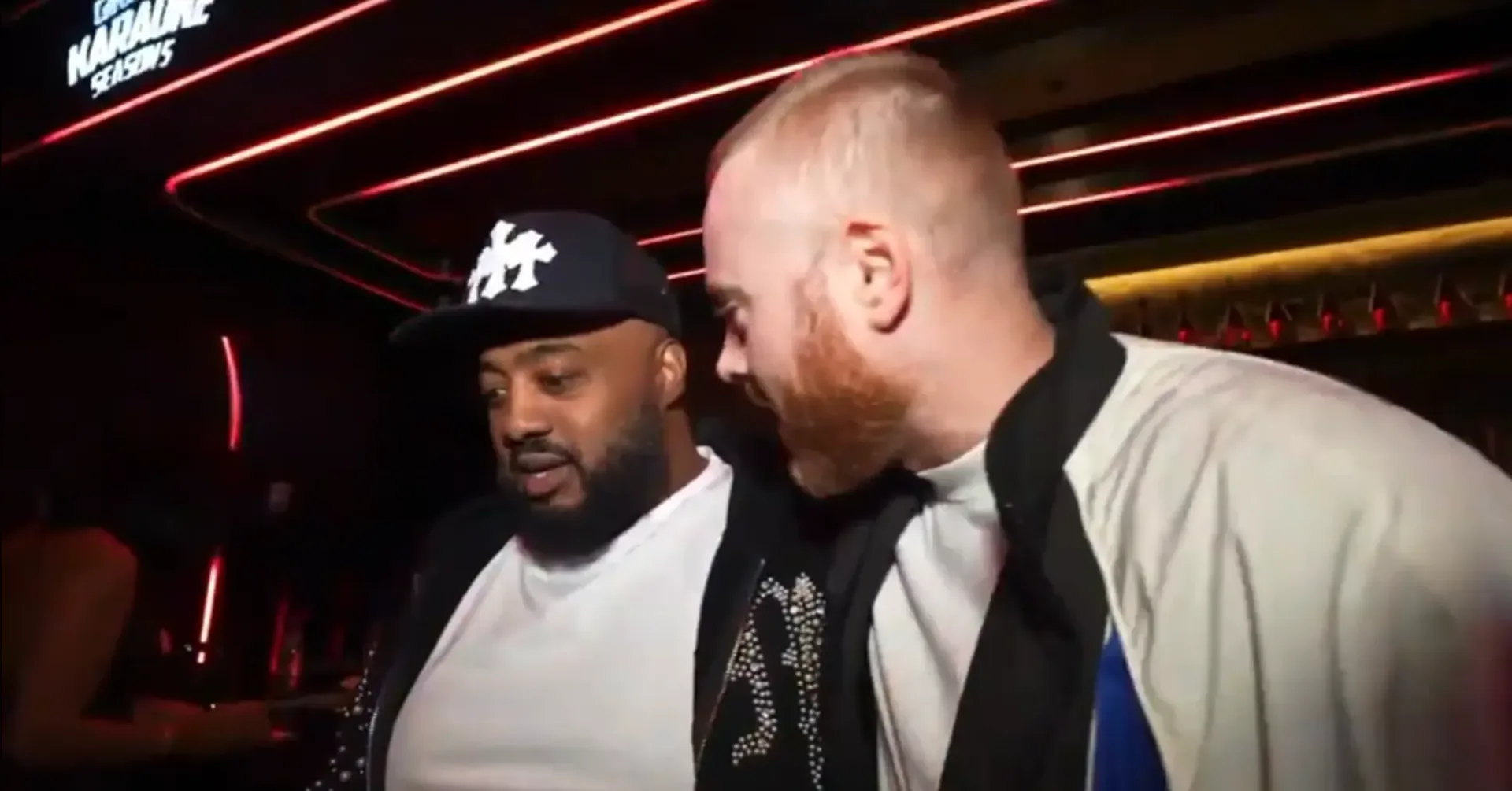
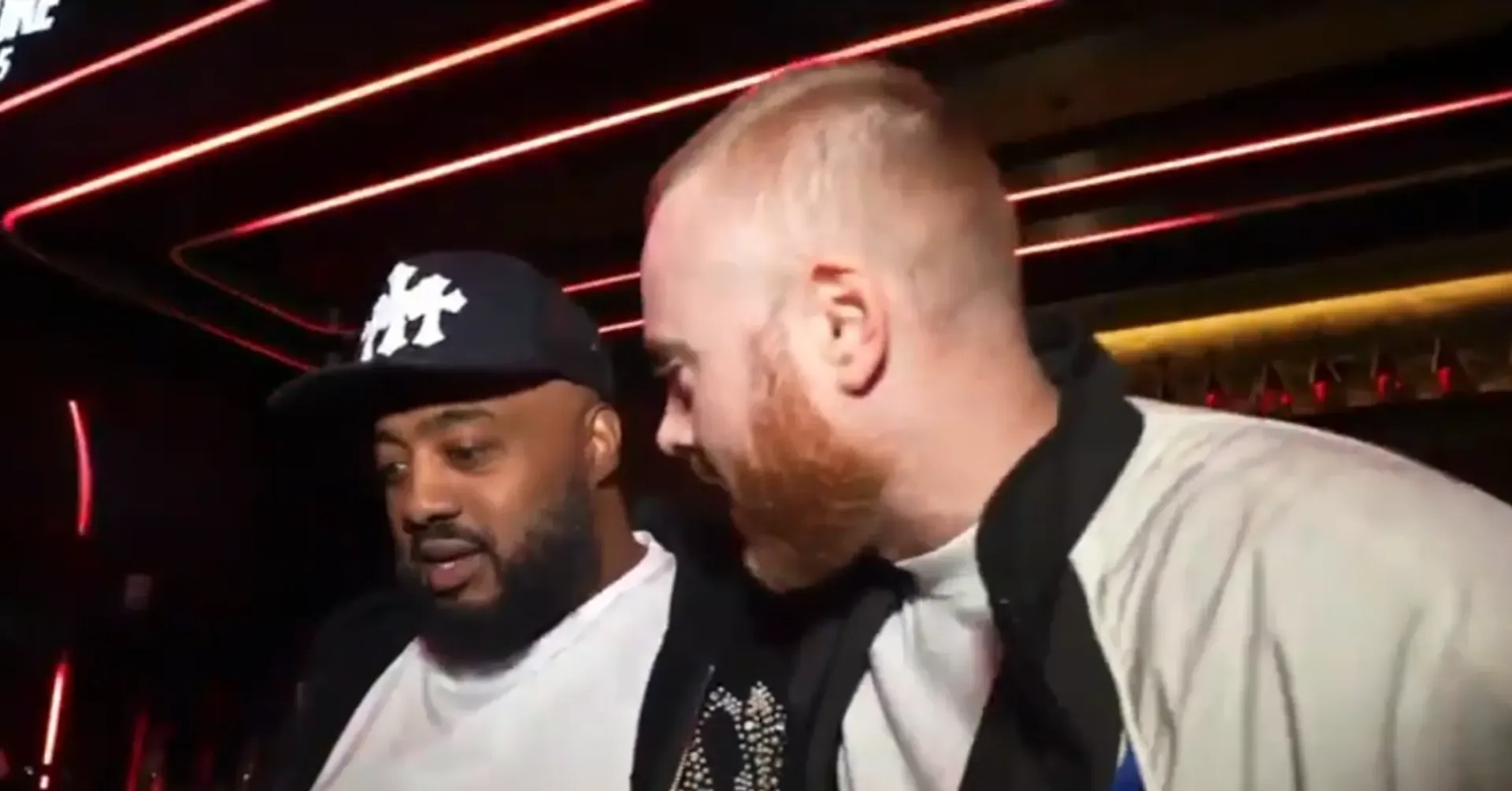
The Rory confrontation was not the only friction Flip described from the nightclub outing, which took place at a “Girls Love Karaoke” event. Remy Ma also called Flip a derogatory name during the night, adding another conflict to an already volatile setting.
There is not enough information to connect those separate exchanges beyond the fact that they occurred during the same outing. Treating them as one coordinated dispute would go beyond the available facts. What can be said is that Flip characterized the night as one filled with animosity, which helps explain why his subsequent livestream and podcast comments carried such a frustrated tone.
Readers interested in the separate Remy Ma context can find related coverage in this look at Remy Ma’s “Jezebel” visual rebuttal.
Why this matters to podcast audiences
The story is not merely a disagreement between two personalities. It also illustrates how closely linked podcast history, personal relationships and audience interpretation can become. The names involved carry years of community context, so listeners may arrive with existing loyalties and memories of prior shows, arguments and collaborations. That can make a brief confrontation feel larger than the available evidence supports.
For audiences, the responsible approach is to distinguish direct statements from inference. Flip says he thought the past issue was settled; he now says it is not. Rory apologized after the confrontation. People nearby attempted to de-escalate. Beyond that, the motivations behind individual words, the full sequence of the encounter and whether the relationship can be repaired remain unsettled.
For the creators themselves, the practical implication is equally straightforward. Public criticism does not stay contained just because a later conversation seems cordial. If people believe a dispute is resolved, saying so directly can prevent competing assumptions from accumulating. And when a conflict becomes uncomfortable in person, leaving room for intervention and distance is more constructive than turning the moment into another round of online escalation.
At present, Flip’s position is firm: he accepts fault for his earlier insult, but says the nightclub encounter changed how he views Rory and that he does not want further closeness. Rory’s apology and the efforts by others to calm the situation leave open the possibility that the issue may eventually fade. Nothing in the public comments so far establishes that it has been resolved.