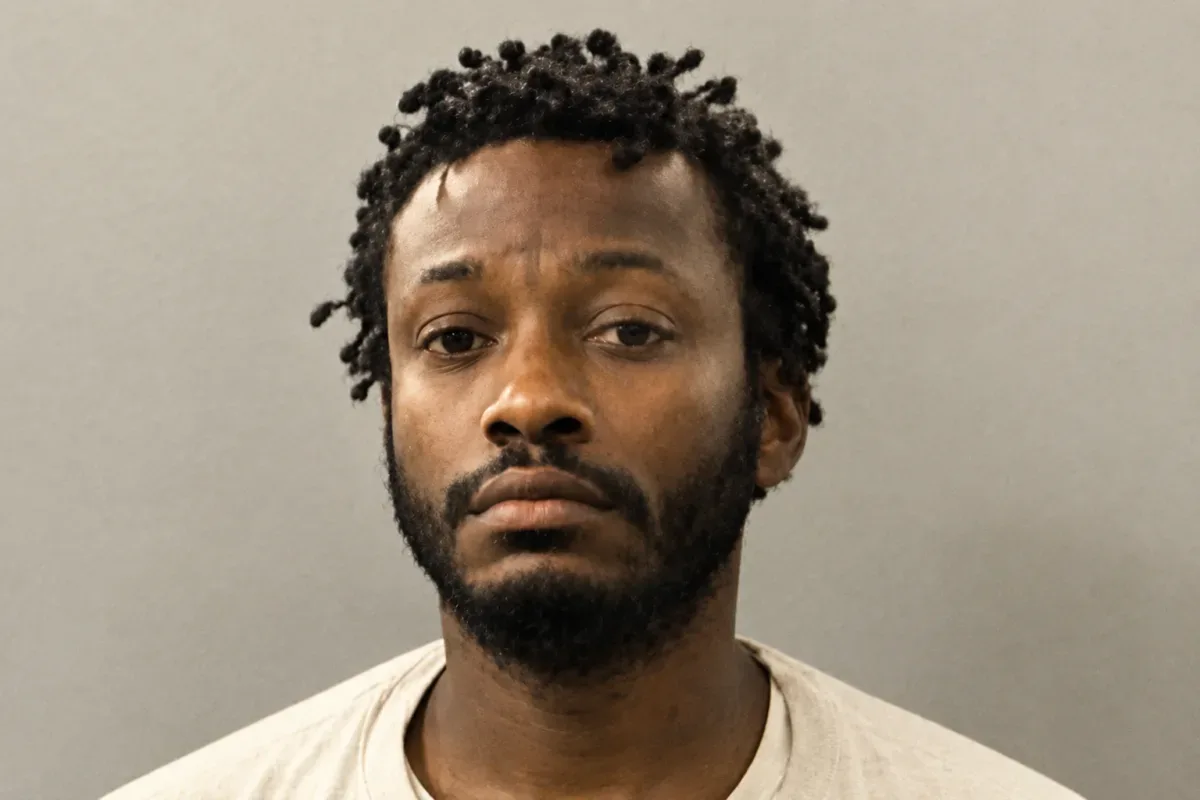
Producer Wil the Great is seeking established artists to help complete unfinished recordings by New Orleans rapper Lil Real One, following the performer’s death at age 41.
The proposal is not presented as a finished release plan. Wil has said that some songs still need verses recorded and that he hopes recognizable performers may participate in bringing the material to completion. That distinction matters: the recordings appear to be works in progress rather than an already assembled posthumous album awaiting release.
Wil also recalled that Lil Real One wanted unreleased music released. In their final conversation, Wil said, the rapper spoke about having the tracks put out to generate commissary money. The effort now carries a heavier purpose, linking an artist’s stated wishes with the responsibility of preserving work after his death.
An unfinished catalog, not a confirmed album
“Unreleased” can mean many things in music, and the available details establish only a narrow picture here. There are recordings with material that remains incomplete, including verses yet to be made. There is no confirmed title, track list, release date, participating artist list, label plan or format for a project.
That uncertainty is significant for fans. A producer hoping to recruit outside voices is describing an ambition, not confirming collaborations. Until specific artists agree to contribute and the recordings are completed, listeners should treat the idea as a developing attempt to finish songs rather than assume a posthumous release is imminent.
In practical terms, adding a verse is only one part of completing an unfinished recording. The underlying work must be organized and reviewed, any intended vocal sections need to be identified, and collaborators have to determine whether a new contribution fits the song’s existing direction. Those creative choices become particularly sensitive when the central artist is no longer able to approve them.
There are also questions that have not been publicly answered: which recordings will be considered, how closely they reflect Lil Real One’s intended versions, and whether any outside features will be framed as completions, tributes or something else. Without those details, the most accurate takeaway is that Wil is looking for support to realize music Lil Real One had wanted heard.
Community ties behind the recordings
Wil attended a private funeral at Boyd’s Funeral Home alongside Lil Real One’s relatives and fellow musicians. The gathering included artists connected to Cut Throat Comitty, the label founded by Soulja Slim, who had mentored Lil Real One and gave him the recording name he used.
Related coverage includes Producer Wil the Great Seeks Artists to Complete Lil Real One’s Unreleased Songs.
That connection provides important context for the discussion around the unreleased songs. The project is emerging from relationships in a local rap circle, not simply from a detached attempt to reopen an old catalog. Menace, another artist in that orbit, said he and Lil Real One spoke several times each week and remembered his labelmate’s determination. Menace also expressed a desire to keep Lil Real One’s name alive.
For an unfinished body of work, those relationships may be central to preserving context. People who knew an artist’s working habits, collaborators and musical priorities can offer perspective on what material mattered to him. But familiarity alone does not resolve every creative decision. It does, however, explain why Wil and fellow artists see the recordings as part of a continuing legacy rather than abandoned files.
Joking Joystick recently explored another account of how industry relationships can help an artist navigate difficult periods in Don Trip’s discussion of Juicy J’s support during label strain. Lil Real One’s situation is much more solemn, but both stories underline how personal networks can shape music’s path long after a session ends.
A documented place in New Orleans rap
Lil Real One’s released credits show collaborations within the New Orleans rap community. His catalog includes “I Aint Got Nuthin On Me” with Gar on Community Service, dated 2009, and “Hustle” with E. Money on the second volume in 2010. He is also credited on “All the Way Out” from Community Service, Vol. 4, dated August 25, 2010.
Those credits do not tell the full story of his career, but they ground the current discussion in music that listeners can identify today. They also show that collaboration was already part of his recorded output. That history may make the prospect of fellow artists contributing to unfinished tracks feel consistent with the community in which he worked, even though no prospective participants have been confirmed.
It is important not to blur existing work with the unfinished material. The songs named above are released catalog entries; Wil’s comments concern separate recordings that still need additional work. Any eventual project would need to make that distinction clear so listeners understand what comes from Lil Real One’s completed releases and what has been finalized after his death.
Death in custody and the family’s questions
Lil Real One died on October 22 after injuries sustained in a fight at Louisiana State Penitentiary at Angola. The West Feliciana Parish sheriff said the death followed an attack. By October 30, officials said another incarcerated person was expected to face a second-degree murder charge.
The reported anticipated charge should not be confused with a final outcome in court. It describes the status officials gave at that point, not a conviction.
Separately, Lil Real One’s family has raised questions about how the attack occurred while he was in custody. In a public fundraiser, his sister said relatives had spoken with attorneys and were seeking answers about his death. The fundraiser said donations would go toward funeral, cremation and related final expenses, with additional support intended to help the family pursue accountability.
Those two threads—the criminal case described by officials and the family’s search for answers—are related to the same loss but are not the same process. The available information does not establish a final legal resolution or explain the circumstances of the attack in full. Careful reporting on the case should preserve that uncertainty.
What preserving a legacy could mean here
For Lil Real One’s family and collaborators, music is one part of the legacy they want to protect. Wil’s account of the rapper’s own desire to put out unreleased tracks gives the proposed work an important personal basis. Still, respecting that wish will depend on the choices made around the recordings: whether they are completed in a way that serves the existing songs, how new artists are selected, and how transparently the final material is presented.
For now, there is a clear human priority alongside the artistic one. Family members are mourning, seeking accountability and dealing with final expenses. Friends and collaborators are remembering an artist they knew closely. The possible completion of unreleased songs remains an open effort—one rooted in Lil Real One’s stated interest in releasing the music, but still awaiting the artists and decisions necessary to make it real.