A livestream involving Ray J, Princess Love, Celina Powell and Brittany Renner reportedly escalated into a confrontation that ended with both Ray J and Powell being told to leave the home.
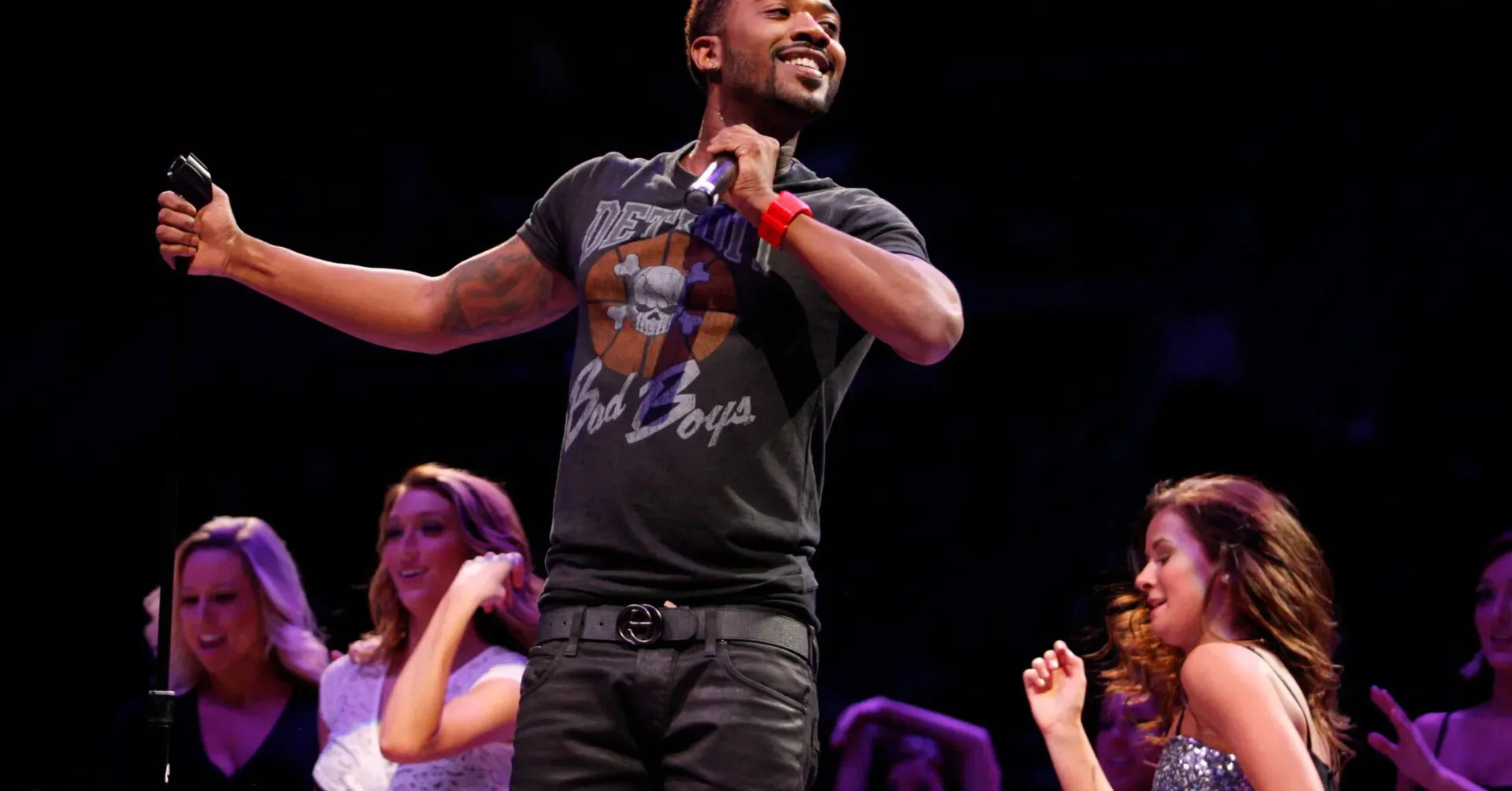
The incident has circulated as a sharp, public flashpoint in the long-running and complicated relationship between Ray J and Love. Reports describe Love finding Ray J and Powell in a bathroom during the stream, then ordering Ray J out. Powell was later also asked to leave after a confrontation with Love.
Ray J reportedly questioned why the situation should matter because he and Love are no longer together, and said that he pays the household bills. Love’s reported response was direct: he could continue paying them, but he still had to leave.
That exchange matters because it separates two issues that are often mashed together in public arguments: financial responsibility and personal boundaries. Paying for a residence does not, on its own, settle who is welcome in a given moment, how separated partners navigate a shared home, or what conduct either person considers acceptable. The livestream format also turned what might otherwise have remained a private disagreement into material for immediate audience reaction and repeat circulation.
What reportedly happened during the stream
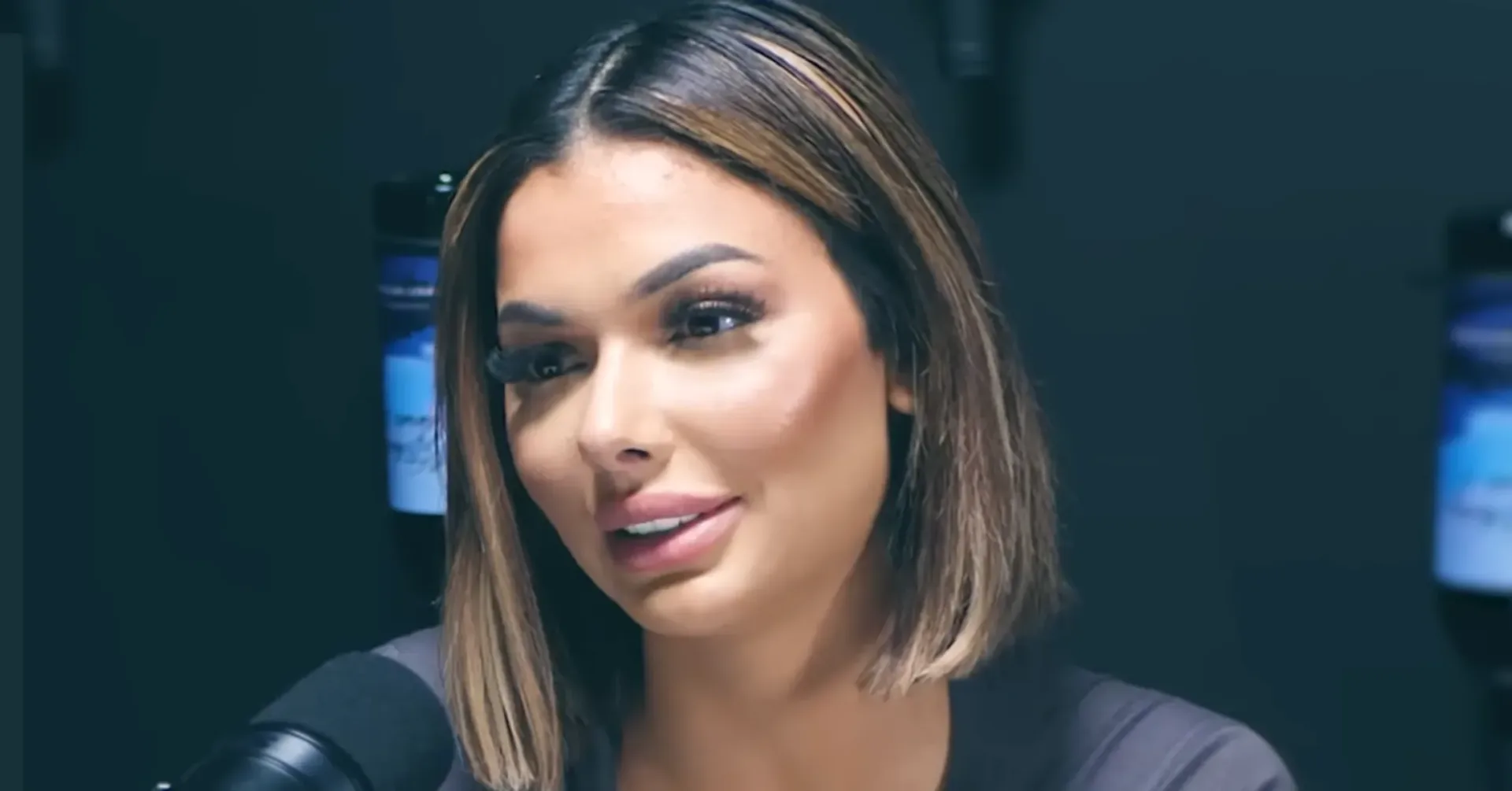
Renner and Powell have appeared together under the name “Toxic Twins,” a pairing promoted by Zeus Network. Their joint appearances have been built around a provocative public-facing image, but the reported events involving Love and Ray J carried consequences beyond ordinary on-camera banter.
The reported sequence is relatively straightforward, even if fuller context has not been established publicly: Ray J, Love, Powell and Renner were on a livestream; Love encountered Ray J and Powell in the bathroom; a dispute followed; Ray J was removed from the home; and Powell was subsequently removed as well.
There is no need to inflate those basic claims into details that have not been established. It is not clear what preceded the confrontation, what agreements the estranged couple had about the home, or whether the parties will offer further accounts. The episode remains a developing situation.
What can be said is that a livestream is not merely a camera recording an event after the fact. It changes the event while it is happening. Participants know viewers are present, people outside the immediate conflict may comment in real time, and fragments can be reposted without the context that explains what happened before or after a clip. That dynamic can turn a domestic disagreement into a public spectacle before anyone has had room to de-escalate.
Related coverage includes Princess Love reportedly kicks Ray J out after livestream confrontation.
Estrangement does not erase boundaries
Ray J and Princess Love first separated in 2020, and Love has pursued divorce on multiple occasions. Estrangement can be an especially messy status in public relationships because it is neither a conventional, intact partnership nor always a clean break. People may still share parenting obligations, housing questions, financial responsibilities and a public history that audiences expect them to explain.
But “not together anymore” is not a catch-all answer to a conflict. It may describe the status of a romantic relationship, while leaving many other arrangements unresolved. A shared household can involve distinct questions about privacy, guests, safety, children, property and mutual expectations. Those questions are personal, and the available reporting does not establish the rules Ray J and Love had set for their home.
The reported argument about bills illustrates the mismatch. Financial support is an important obligation, particularly where a family and home are involved. It is not necessarily the same thing as consent, reconciliation or permission to disregard another resident’s boundaries. Conversely, a public clip cannot tell viewers the full legal or practical status of a living arrangement. Social-media audiences often try to render immediate verdicts from partial footage; that impulse should be resisted.
Serious prior allegations require careful language
The confrontation also arrives against a serious recent backdrop. In November 2025, Ray J was arrested after allegations that he pointed a gun at Love in front of their children. He later received six misdemeanor charges. Ray J has denied wrongdoing.
Those are allegations and charges, not a finding of guilt, and that distinction is essential. An arrest signals that law enforcement took action; criminal charges are formal accusations that must be resolved through the legal process. Neither description permits observers to state as fact that alleged conduct occurred.
Ray J previously had a protective order that prevented him from seeing Love and their children. That order has since been altered, although the available information does not specify the terms of the alteration. A protective order is generally a court-issued restriction designed to set enforceable limits on contact or conduct. Changing an order does not automatically reveal why it changed, nor does it answer every question about the parties’ personal arrangements.
That legal context is why glib reactions to the livestream risk missing the stakes. The reported removal from the home may look, in a brief viral framing, like another reality-TV-adjacent argument. Yet it involves estranged co-parents with a history of public conflict and a legal situation that should not be reduced to memes, fan factions or speculative accusations.
Why the livestream framing changes the conversation
Livestreams occupy an awkward space between entertainment and real life. Viewers may be watching for jokes, relationship drama or celebrity interaction, while participants are experiencing the consequences in real time. Unlike a produced show, there is no assured edit, no opportunity to remove moments from a final cut, and no reliable way for the public to know what happened beyond the portion that appears online.
The “Toxic Twins” branding is relevant in that limited sense. It signals that controversy is part of the duo’s public persona and commercial presentation. But branding should not be mistaken for proof that every escalation is planned, harmless or fully understood by viewers. Public figures can participate in attention-driven content while still encountering situations that are personal and difficult to contain.
This is also where the audience has a responsibility. Sharing a headline or discussing a public video is different from declaring certainty about private facts, assigning legal guilt, or treating an apparent relationship breakdown as an invitation to harass anyone involved. The most responsible reading is narrower: a tense confrontation was reportedly broadcast, Love reportedly ordered Ray J and Powell to leave, and much of the surrounding context remains unclear.
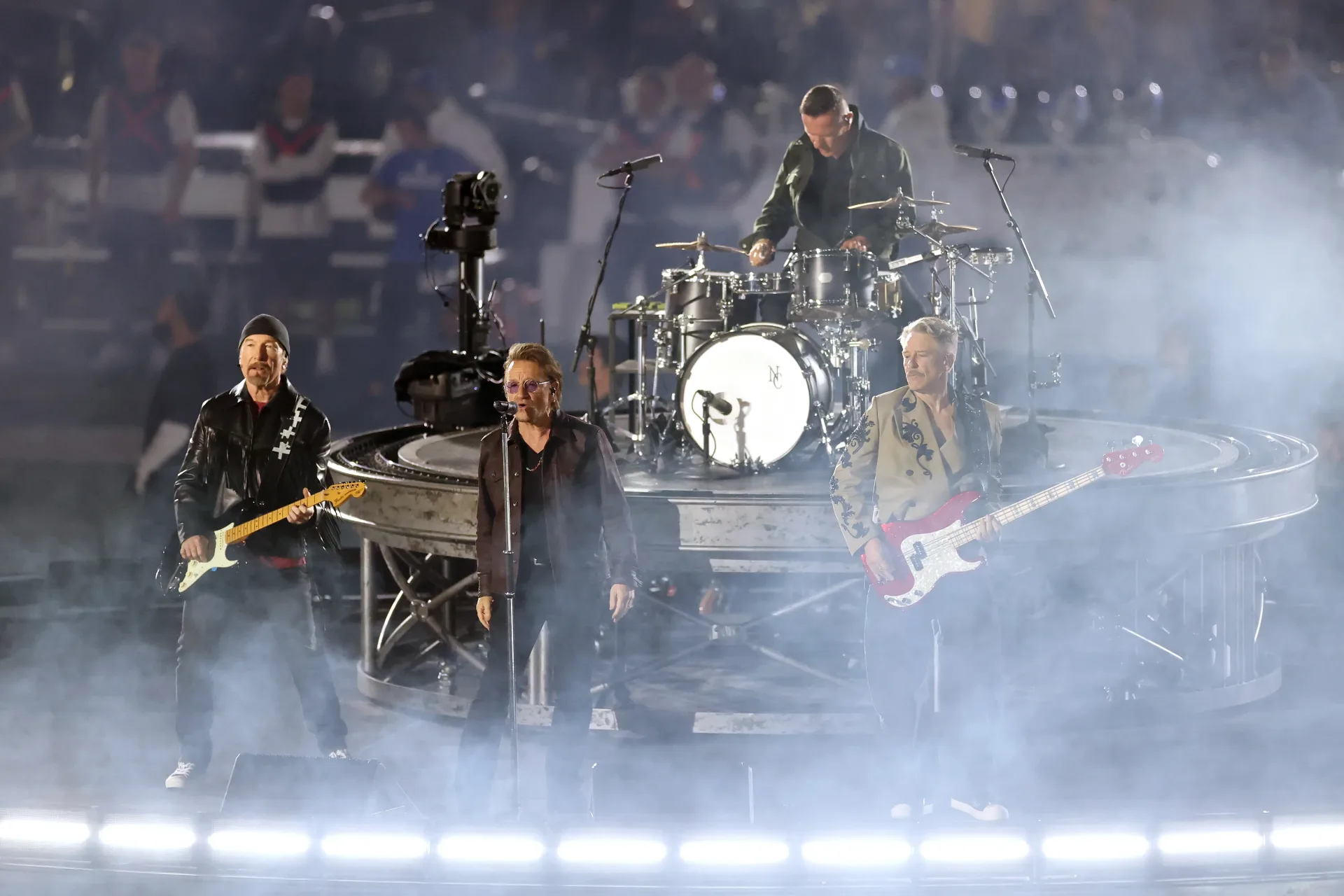
Celebrity livestreams routinely blur the line between performance and personal disclosure. Music and broadcast culture can create similarly concentrated moments of public attention, as seen in this look at a carefully constructed televised music medley. The difference here is that the reported dispute was not presented as a polished performance, which makes caution around interpretation even more important.
What is known, and what remains unresolved
- Ray J, Princess Love, Celina Powell and Brittany Renner were reportedly together on a livestream.
- Love reportedly found Ray J and Powell in a bathroom and told Ray J to leave the home.
- Powell was also reportedly asked to leave after confronting Love.
- Ray J and Love have been separated since 2020, while their divorce and family circumstances have remained publicly contentious.
- Ray J faces six misdemeanor charges connected to a November 2025 arrest; he has denied wrongdoing.
- A prior protective order was altered, but the available information does not detail its revised terms.
Missing from the public account are the exact status of the living arrangement, what occurred off camera, whether any additional statements will be made, and whether the livestream footage provides a complete picture. Those absences matter. A developing story can be reported without converting its unknowns into assumptions.
For now, the clearest takeaway is not that viewers have been handed a definitive account of Ray J and Love’s relationship. It is that a very public livestream reportedly exposed an intensely private conflict, one made more sensitive by separation, family concerns and pending legal allegations. The appropriate response is to keep the confirmed claims narrow, acknowledge denials and uncertainty, and avoid treating a volatile personal moment as disposable entertainment.