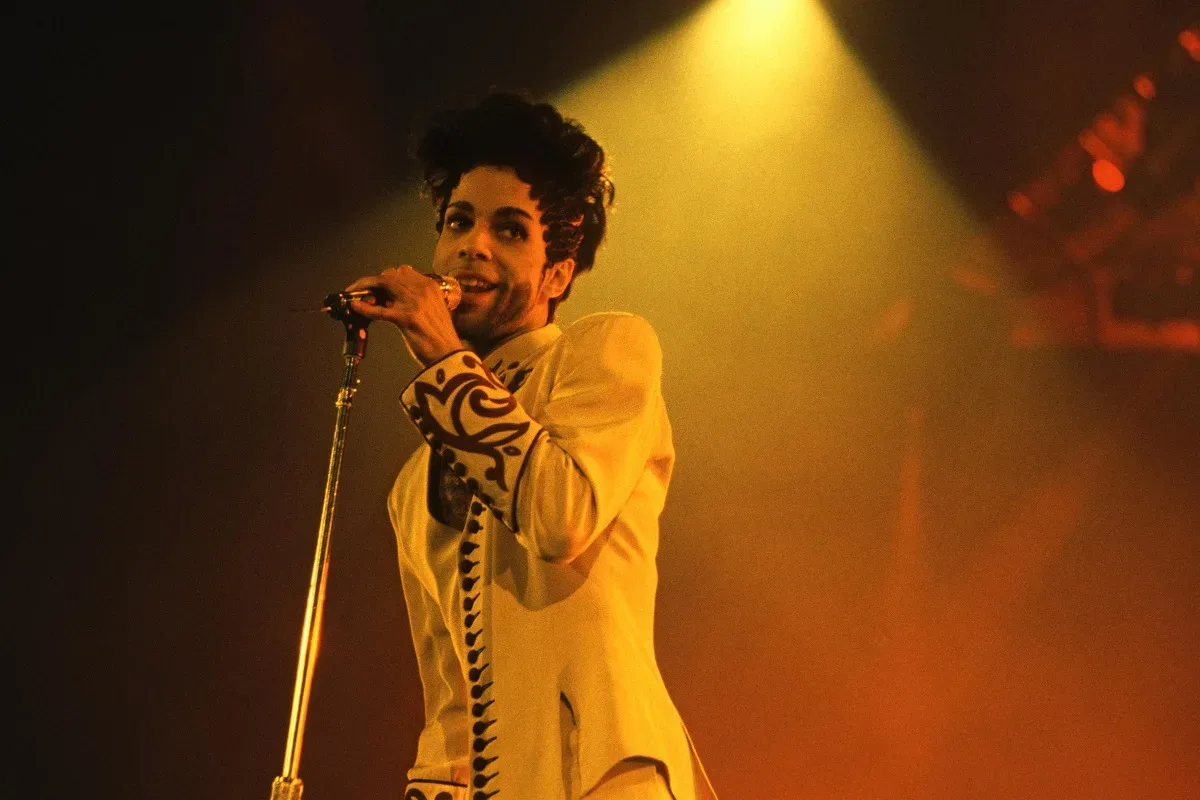
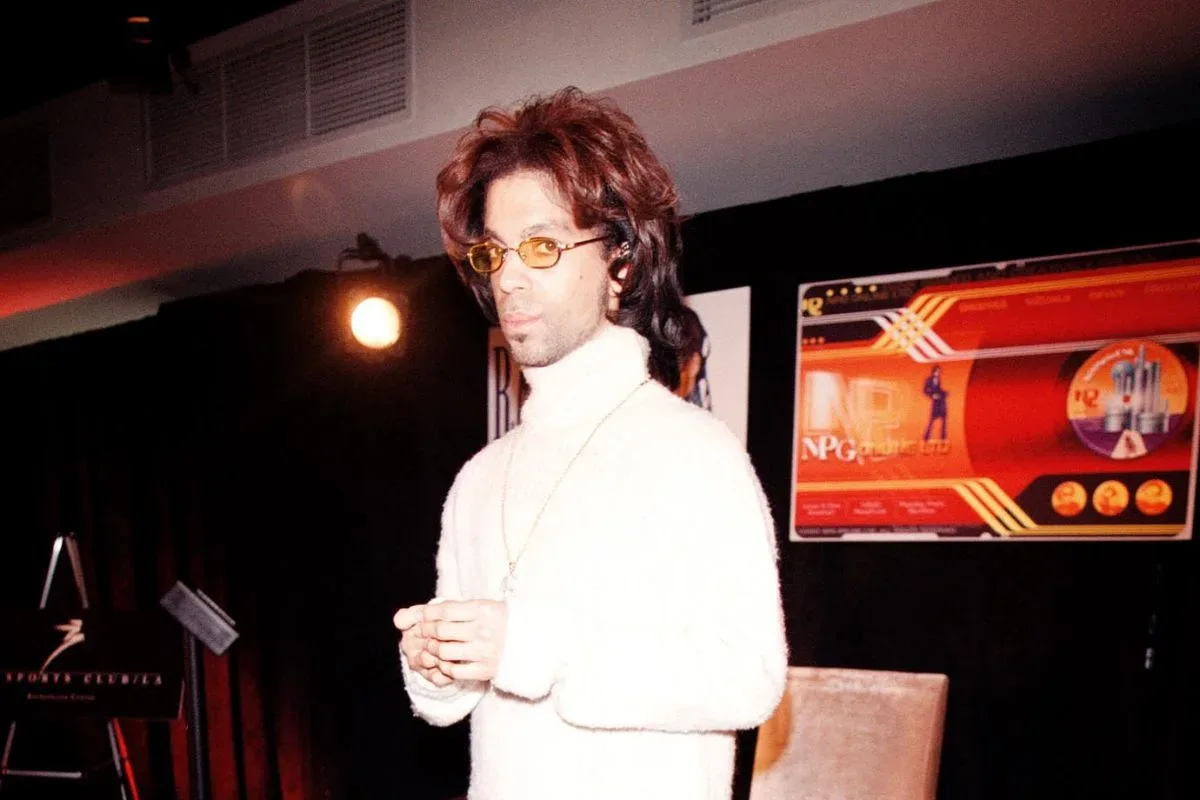
Prince’s Emancipation was never built to behave like a routine anniversary album. Released on November 19, 1996, the 36-track, three-disc set made its scale part of its message: each disc ran exactly one hour, and the music moved across styles rather than compressing itself into the shape of a conventional single-disc release. Thirty years later, Paisley Park will use that album as the center of a new event concerned not only with music, but also with the conditions under which an artist can make, own and direct it.
The inaugural Emancipation 30 Retrospective and Symposium is scheduled for November 19-21 in Chanhassen, Minnesota. Co-hosted by Mayte Garcia and L. Londell McMillan, the gathering will combine discussions of ownership, creative independence and constitutional freedoms with programming tied directly to the album and its era. Scheduled elements include a Thursday livestreamed conversation, a Friday panel, a concert-film screening, free Saturday community activities and a Saturday night performance by New Power Generation of music from Emancipation.
That structure matters. Anniversary programming can easily reduce a record to a replay of familiar songs and nostalgia. Here, the stated focus places the record’s artistic ambitions beside the business and legal questions that informed its arrival. It treats Emancipation as both a work of music and an unusually visible chapter in Prince’s long effort to assert control over his career.
An album whose title carried an argument
Emancipation arrived through NPG Records and EMI following Prince’s contentious relationship with Warner Bros. Earlier that year, he released the Girl 6 soundtrack in March and Chaos and Disorder in July, the latter his final album of new material for Warner. Against that immediate backdrop, the November release carried a title that plainly suggested release from constraint.
Creative independence is sometimes used as a loose slogan, but it has practical meaning in an artist’s working life. It can concern who determines when music is released, which format it takes, how it is marketed and how a catalog is administered. Ownership is related but distinct: it concerns the legal and economic control attached to creative work and its assets. The symposium’s programming brings those concepts into the foreground rather than treating them as background trivia to a hit-filled celebration.
The album itself offered a musical expression of abundance and latitude. Its 36 tracks were arranged over three discs, each precisely an hour long, with “The Holy River” and “Somebody’s Somebody” among the songs named from the collection. The three-disc form was a decisive departure from the usual pressure to make a single, tightly limited commercial album. That does not automatically make the format a legal statement, but in context it made Prince’s desire for a broader canvas difficult to miss.
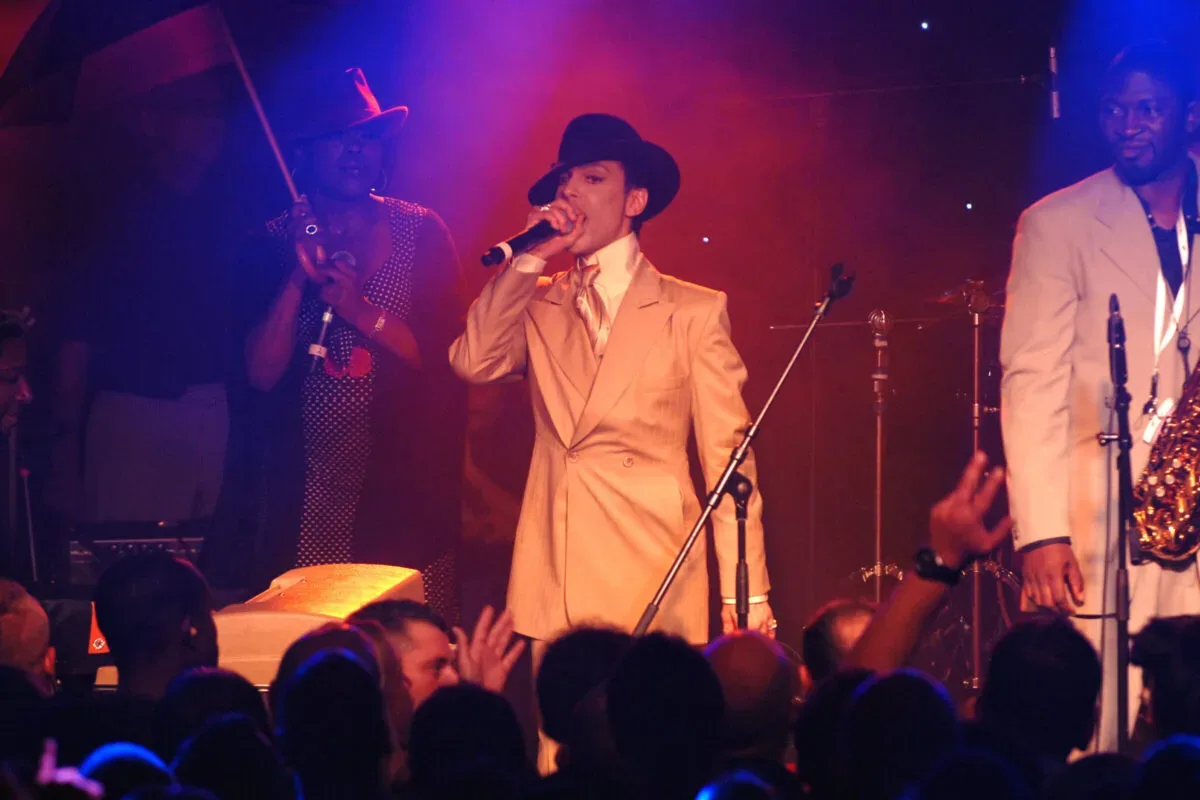
The initial rollout also operated at an unusually wide broadcast scale. A Paisley Park concert was carried simultaneously by BET, MTV and VH1 on November 12, 1996, ahead of the album’s release. The Jam of the Year tour followed, featuring Kirk Johnson, Morris Hayes and Mike Scott. All three musicians are set to return for the anniversary program, creating a direct line between the original period and the retrospective weekend.
Law, speech and the artist’s position
McMillan will moderate a Friday panel that includes U.S. District Judge Jerry W. Blackwell, another former Prince attorney, alongside civil-rights and First Amendment voices. The guest list gives the program a wider frame than a conventional album seminar. It suggests that the sessions will consider creative control alongside questions of rights and public expression.
The First Amendment is the constitutional protection most often associated with speech, press, assembly and religion. Artistic expression can be part of the broader conversation around speech, though the legal issues facing a recording artist may also involve contracts, intellectual property and estate administration. The announced program does not establish the precise legal conclusions its participants will draw. What it does establish is that the event intends to examine Prince’s work through a framework where art, autonomy and legal structures meet.
“It is an honor to produce and continue the legacy of freedom, justice and innovation with Emancipation 30,” McMillan said. “We will engage in deep discussions and honor Prince, his music, intellect and vision for a free and just global society.”
For an audience looking for the practical stakes behind those terms, the distinction between a song and the systems around it is useful. Music can be loved as performance, composition and recording; it can also be subject to agreements and administrative decisions that affect its future. The creative work remains central, but the framework determining how it is managed can shape what listeners encounter and how an artist’s intentions are carried forward. That is why a discussion of ownership belongs naturally beside an album such as Emancipation, rather than outside the music itself.
The topic also remains current across entertainment, where questions of control over songs and catalogs frequently become public disputes. The industry stakes of music-rights conflicts are evident in matters such as a recent dispute involving a song sample, though the details of any individual case should not be collapsed into Prince’s distinct history. The common thread is simply that creative work can bring legal, financial and authorship questions into public view.
Thursday through Saturday at Paisley Park
Garcia, McMillan and recording engineer Hans-Martin Buff are scheduled to take part in Thursday’s livestreamed discussion of the Emancipation years. Buff’s presence is significant because a recording engineer works on the technical realization of recorded music: capturing, shaping and preparing sound within the recording process. A conversation that includes an engineer can therefore add a production-side perspective to an era commonly discussed through its business symbolism.
Friday’s panel shifts the emphasis toward legal and civic themes, with McMillan moderating and Blackwell participating. The sequence makes sense for a record identified so closely with independence: first revisit the period and the work, then broaden the conversation to the rights, institutions and principles that surround a creative career.
Saturday expands the event beyond formal discussion. The schedule includes a San Antonio concert-film screening and free community activities. New Power Generation will then perform music from Emancipation in the anniversary concert. Doors are scheduled to open at 4 p.m. Central, with the performance set to begin at 8 p.m. Central.
New Power Generation’s appearance keeps the weekend tied to musicianship, not solely legacy management or legal history. Johnson, Hayes and Scott’s return likewise provides participants who were part of the Jam of the Year tour. The program is not being presented as a newly discovered Prince performance or a new Prince release; it is a commemorative event in which collaborators will perform music associated with the album.
Why estate control remains part of the conversation
The control questions attached to Prince’s legacy did not end with his death. Prince died at Paisley Park on April 21, 2016, at age 57. The Midwest Medical Examiner’s Office determined that his death was caused by an accidental fentanyl overdose.
Six years of proceedings followed over an estate valued at roughly $156 million. A 2022 agreement divided assets between Prince Legacy LLC and Prince Oat Holdings LLC. That detail is important context for the symposium’s ownership theme, while also requiring precision: the agreement concerns the administration and division of estate assets after Prince’s death, rather than serving as a simple extension of the recording-career disagreements that preceded Emancipation.
Still, both periods underline why “control” is an enduring word in discussions of Prince. During his life, it framed the struggle for creative independence that gave Emancipation such symbolic force. After his death, it remained relevant in the handling of an estate that includes the artistic legacy he left behind. The symposium’s choice to examine the record through ownership, freedom and justice is therefore grounded in more than its anniversary number.
A retrospective with a purpose beyond nostalgia
The most interesting aspect of Emancipation 30 is its refusal to separate Prince’s music from the ideas surrounding it. A three-disc record can be revisited for its individual songs, its sound and its sheer scale. But it can also be revisited as a decision about artistic boundaries: how much work an artist can present, in what form, and with what degree of self-determination.
Paisley Park is an especially fitting site for that discussion. The 1996 concert broadcast originated there, and Prince also died there in 2016. The location connects the original era, the life and work being honored, and the questions that have continued around his legacy. By adding a livestream, a film screening, community activities, legal and civil-rights voices, and a concert by New Power Generation, the November program gives audiences multiple routes into the same central subject.
For fans, the weekend promises a chance to hear Emancipation treated as more than a large and ambitious record. For artists and observers of the music business, it offers a focused reminder that an album’s story can include format, authorship, contracts, public speech and long-term stewardship. Prince’s music remains the reason for the gathering. The symposium’s larger premise is that the freedom to make and guide that music deserves examination in its own right.