Prince’s 3121 is returning in an expanded edition scheduled for December 11, bringing 10 bonus tracks to the original 12-song album and pairing the release with a substantial document of the era’s Las Vegas residency. The newly revealed material includes the previously unreleased “Time of Ur Life,” while acoustic versions of “The Word,” “Love” and “Te Amo Corazón” are also part of the planned bonus content.
The project is more than a simple reissue. It revisits an album that marked a significant commercial return for Prince, and it arrives alongside Prince: 3121 Las Vegas Concert, a 154-minute film built from his January 20, 2007 performance. That film is scheduled to reach theaters in the United States and Canada on December 3, with tickets due to go on sale November 11. A Blu-ray is also planned.
For fans deciding how to approach the release, the key distinction is straightforward: the expanded 3121 is centered on the studio album and additional recordings, while the concert film captures the performance environment that followed it. The two projects share a period and a title, but offer different views of Prince’s work—one through the construction of songs in the studio, the other through a full-length live set in an unusually intimate residency setting.
What the expanded 3121 includes
The original 3121, first released on March 21, 2006, contained 12 songs. Its expanded version adds 10 bonus tracks. “Time of Ur Life” is the standout archival draw because it is identified as unreleased, rather than simply an alternate presentation of a familiar album cut.
The announced acoustic performances of “The Word,” “Love” and “Te Amo Corazón” should be understood as alternate arrangements: versions that change the musical setting of an existing composition instead of adding a separate song to the catalog. That distinction matters for listeners who already know the standard album. Acoustic takes can shift the prominence of voice, melody, rhythm and instrumental texture, even when the lyrics and core composition remain the same.
The original record was not confined to one clean genre lane. Its sound was noted for combining Latin rhythms and electronic funk, with the horns on “Get On the Boat” and synthesizers on “Love” serving as clear examples of those contrasting ingredients. That makes the newly announced acoustic material potentially interesting as a change in perspective on an album already built from multiple stylistic directions—though the full arrangements and the complete bonus-track list have not been detailed here.
Three formats are planned:
- Digital edition
- Two-CD/Blu-ray edition
- Three-LP/Blu-ray edition
LP means long-playing vinyl record. The three-LP configuration indicates that the vinyl edition will spread its audio across three discs, while the Blu-ray component provides a high-capacity disc format for video content. The announced configurations make the project relevant both to listeners who want immediate digital access and to physical-media buyers who prefer CD or vinyl packaging with a Blu-ray included.
No prices, detailed packaging information, or track-by-track assignment for the physical editions have been provided. In practical terms, shoppers should avoid assuming that every format will contain materially different music until complete specifications are available. The confirmed common point is the expanded album campaign and the planned Blu-ray-inclusive physical editions.
A record that returned Prince to the top
The renewed focus on 3121 comes with unusually strong chart context. The album became Prince’s fourth No. 1 on the Billboard 200, ending a 17-year stretch since his previous chart-topper, the Batman soundtrack in 1989. It opened with 183,000 U.S. sales in its first week and also debuted at No. 1 on the Top R&B/Hip-Hop Albums chart.
Those figures explain why this particular album and residency form a coherent archival chapter. 3121 was not merely another catalog title; it was a major contemporary success in 2006. The Grammy recognition from the following year further reflects the attention around the record. It was nominated for Best R&B Album, and the title song received a nomination for Best Urban/Alternative Performance.
“Black Sweat” earned nominations for Best R&B Song and Best Male R&B Vocal Performance. Prince and Támar were also nominated in the Best R&B Performance by a Duo or Group With Vocals category for “Beautiful, Loved and Blessed.” Nominations are not wins, but together they show the album was being recognized across the record as a whole, individual songwriting and vocal-performance categories, and a collaboration.
The Las Vegas film preserves a very different scale of Prince show
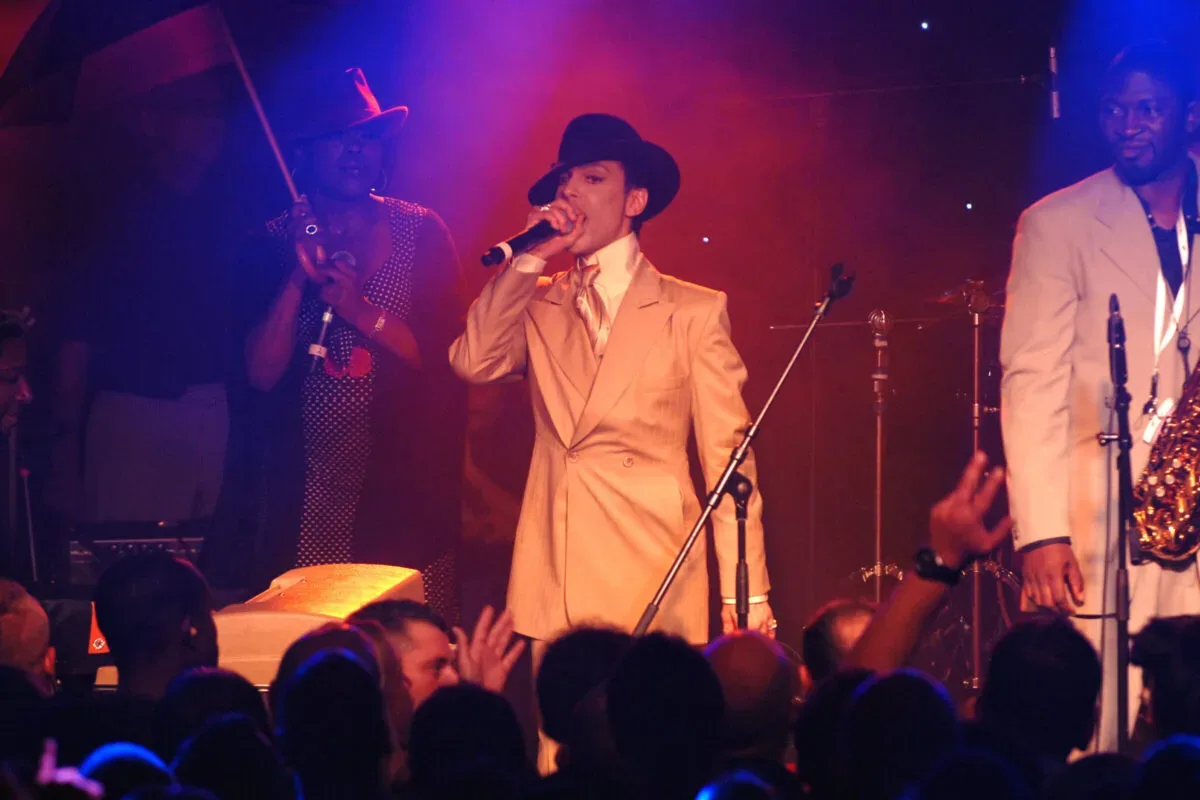
The theatrical release’s January 20, 2007 performance came from Prince’s Las Vegas run at the Rio, where the residency used a converted showroom rather than an arena. That smaller room is central to the significance of the concert document. Reports from an attended residency show described audiences mostly standing, with only limited tables around the walls, and a compact stage carrying musicians across several levels.
That is a notably different physical setup from the distant sightlines and broad spectacle associated with a large arena performance. Low lighting and the room’s scale reportedly placed more emphasis on listening closely. The film’s 154-minute running time suggests a deep presentation of the concert rather than a brief highlights reel, although viewers should not assume a complete song list until official program details are confirmed.
At one performance during the residency, Prince played material including “Black Sweat,” “Te Amo Corazón” and “Kiss.” “When Doves Cry” was requested but not performed at that show. This is useful context, rather than proof of the January 20 set list: residency performances can vary night to night. Still, it illustrates the core appeal of the run, where recent 3121 songs could sit beside major catalog staples in the same late-night setting.
The concert was reportedly performed from 12:30 a.m. to 2:30 a.m. on the night described, an after-midnight schedule that reinforces how separate the residency’s atmosphere was from a conventional early-evening tour stop. A clip of “Lolita” from the concert is already available through Prince’s official channel, offering a limited preview of the performance footage ahead of the full theatrical engagement.
Release schedule and what is confirmed
The rollout has three distinct dates, each tied to a different part of the project:
- November 11: Tickets for Prince: 3121 Las Vegas Concert are scheduled to go on sale.
- November 27: 3121 Las Vegas Live is due on vinyl and CD for Record Store Day Black Friday.
- December 3: The 154-minute concert film is scheduled for U.S. and Canadian theaters.
- December 11: The expanded 3121 album is scheduled for release in digital, two-CD/Blu-ray and three-LP/Blu-ray editions.
The November 27 live album and the December concert-film event are related to the same Las Vegas period but should not be treated automatically as identical products. One is specified as a vinyl and CD release, while the other is a theatrical film with a planned Blu-ray. Likewise, the expanded studio album’s announced bonus material is separate from the live recording.
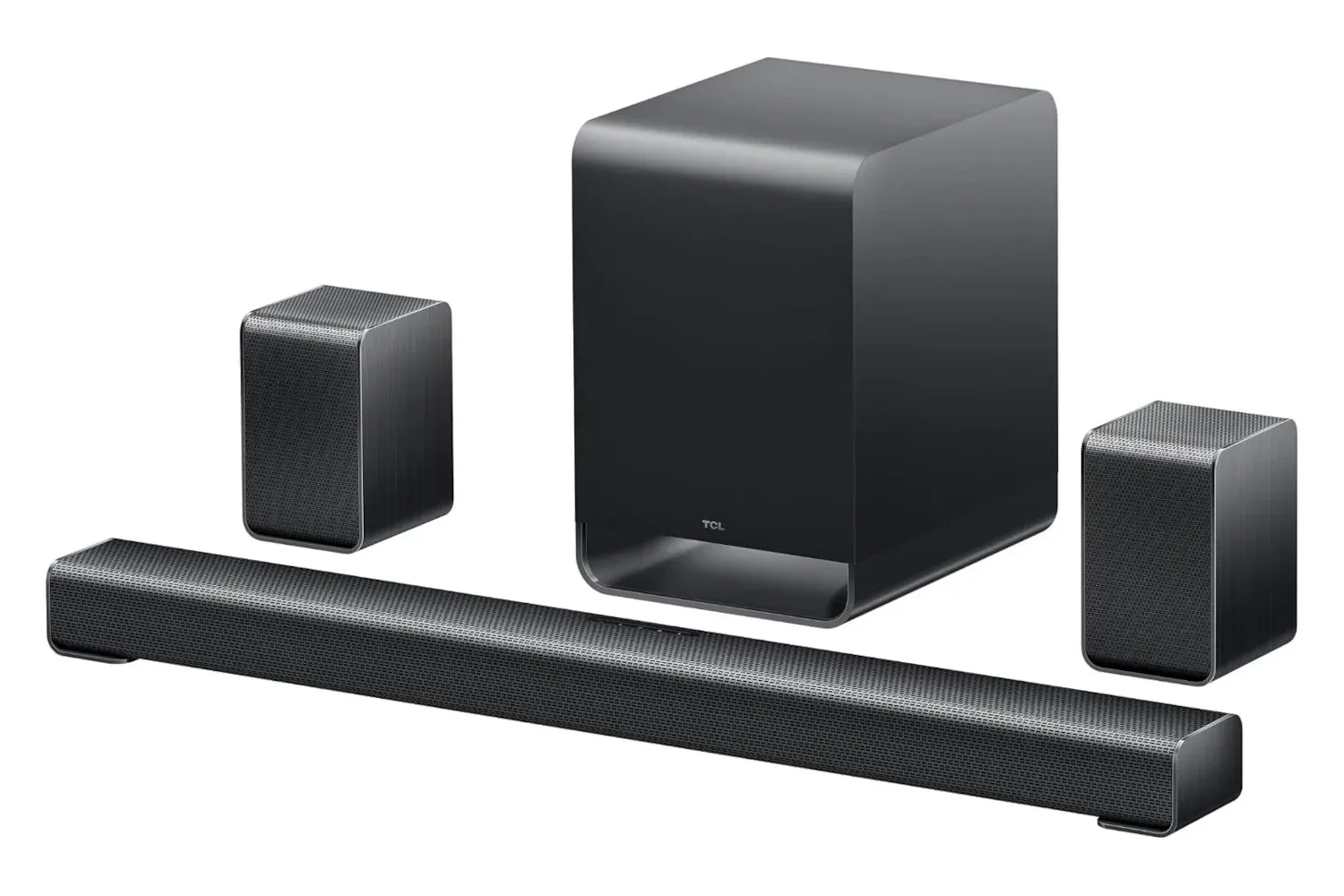
For a home screening later on, playback hardware can be a meaningful consideration when a release includes Blu-ray and music performance footage. Those weighing their wider audio setup may also want to see the TCL S65K 5.1 soundbar system overview, particularly because concert releases reward clear separation between vocals, instruments and audience sound. That is a general setup consideration, not a claim about the production’s audio mix.
Why this release matters
The appeal of this campaign is its breadth without losing focus. The expanded studio set promises archival material and alternate arrangements from a commercially important album. The Las Vegas film offers a long-form chance to see a distinctive performance chapter in a room much smaller than the arenas often associated with Prince. And the vinyl, CD, Blu-ray and digital plans give listeners several ways to engage with the material.
Most importantly, the newly announced “Time of Ur Life” adds a genuine unreleased element to a project already supported by a clear historical record: a No. 1 album, major first-week sales, multiple Grammy nominations, and a residency that placed Prince and his band in close quarters with the audience. December’s expanded 3121 is therefore positioned as an archival look at a creative and commercially consequential mid-2000s moment, rather than a routine repackaging.