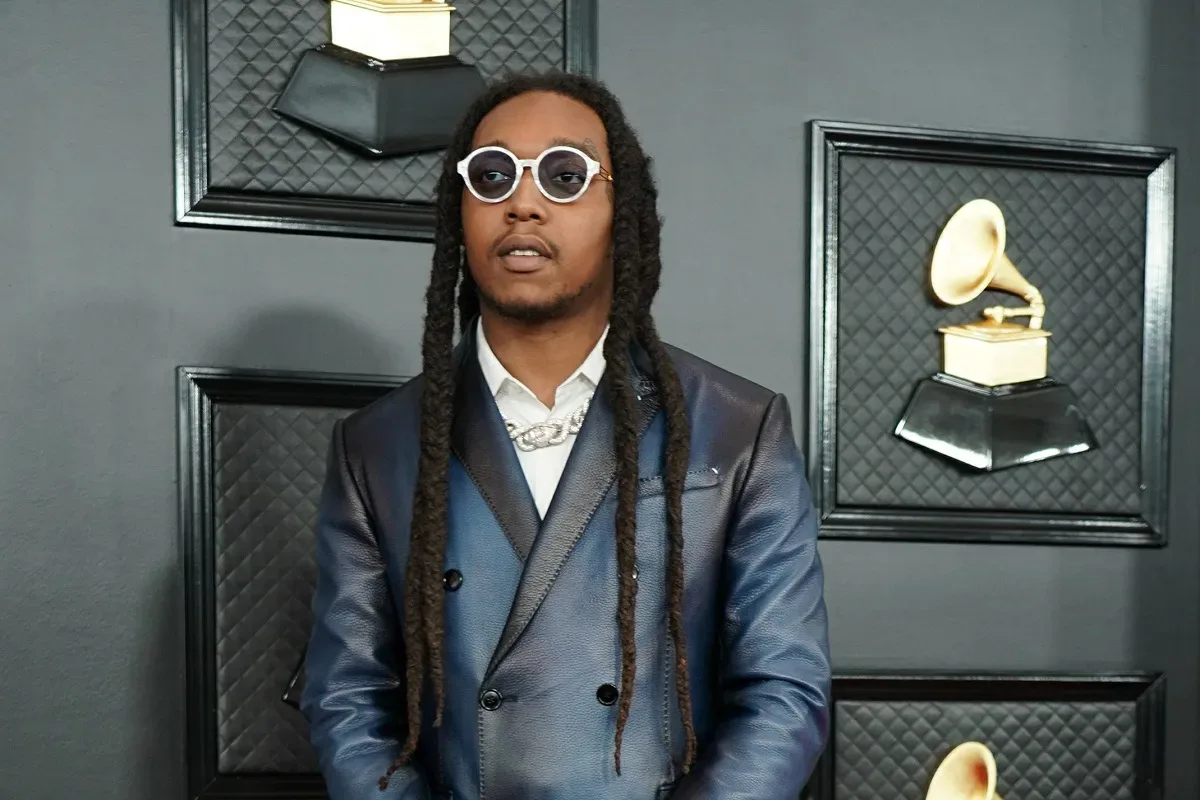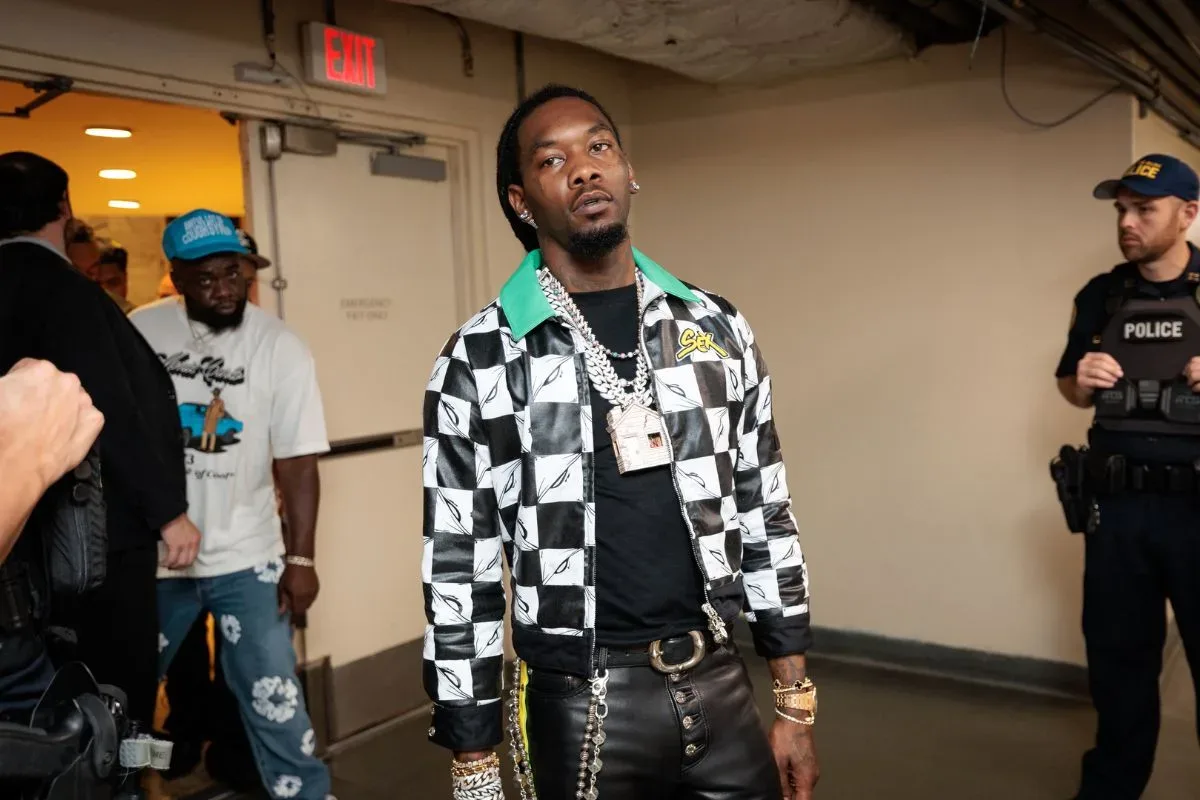
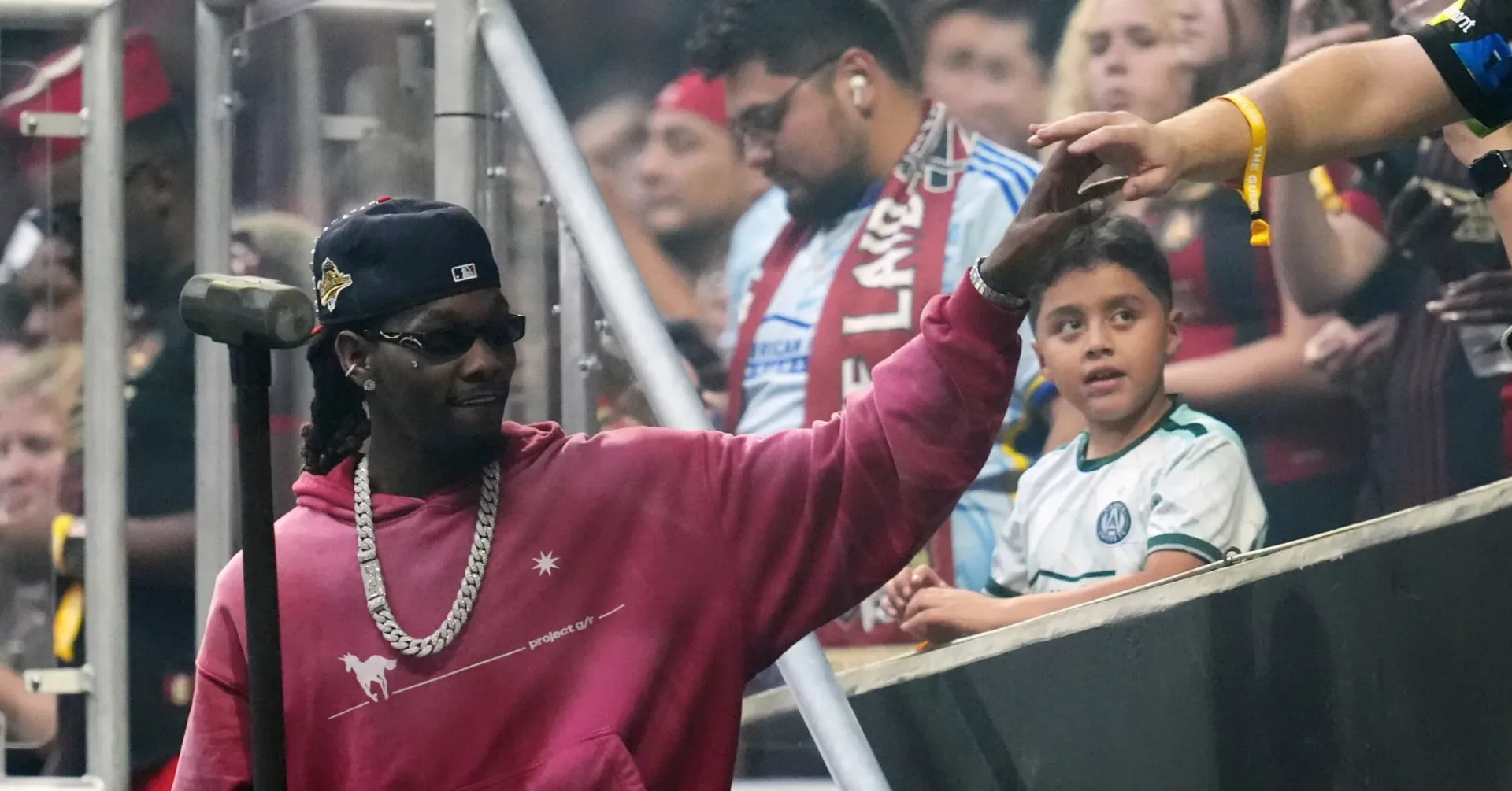
Offset has described the grief he continues to carry after Takeoff’s death in stark, unsparing terms. Speaking on The Real Report with Tony Yayo and Uncle Murda, the Migos rapper said there is no simple coping mechanism or resolution for a loss of that scale.
“I don’t cope. Ain’t nothing that can soothe that. It’s just something I gotta imagine ain’t real. There’s no resolution.”
The statement is brief, but its meaning is not. Rather than framing grief as a problem that can be solved, Offset presents it as a permanent rupture—something he must continue living alongside. Takeoff was not only his fellow Migos member; the two also grew up together. That shared history makes the loss both personal and inseparable from the group’s musical legacy.
A refusal to package grief as a comeback story
Public conversations about loss often push people toward a tidy arc: pain, recovery, closure. Offset’s comments reject that script. “I don’t cope” is not an explanation of a process or a claim that the pain has passed. It is an admission that some losses do not provide an obvious endpoint.
That distinction matters when an artist’s life and work are so visible. Fans can revisit songs, performances, old interviews and group memories at any moment, while the people closest to the artist must deal with the same absence in private. A legacy may remain accessible to an audience, but that does not make the underlying loss easier for family, friends or collaborators.
Offset’s remarks also avoid turning Takeoff into a purely symbolic figure. The focus is not simply on Migos’ status, influence or future plans. It is on the emotional reality that remains after the death of someone he knew long before the group became a major name in rap.
The context around Offset, Quavo and Takeoff
Takeoff’s passing came during a period when Offset and Quavo were not on good terms. That timing added another layer of pain to an already devastating situation. The source material indicates that Offset and Quavo have since reconciled, and that their renewed connection includes an effort to honor Takeoff through music.
They are expected to release a new Migos album next year, with Takeoff appearing on every song through archival verses. In music, an archival verse generally means a vocal performance recorded earlier and retained for later use. It is not the same as a newly recorded collaboration; it is material preserved from a previous session or recording period and incorporated into a new release.
That approach can carry considerable emotional and artistic weight. For a project intended as a tribute, the presence of Takeoff’s own voice offers a direct connection to the group’s original dynamic. It also raises a crucial creative responsibility: archival material needs to be handled with care so that it supports the artist’s legacy rather than merely functioning as a nostalgic selling point.
What it means for Takeoff to be on every track
The reported plan for Takeoff to appear across the album suggests an unusually deliberate form of remembrance. Rather than positioning him as an occasional guest on a reunion record, the project is being framed around his continued presence throughout it. For listeners, that could make the album feel closer to a Migos record than a project by two former members looking back.
Still, “authentic” is not automatic. Archival vocals can preserve a performer’s phrasing, flow and personality, but the surrounding production, sequencing and context shape how those verses are received. The strongest use of such material is one that recognizes its original character and allows it to feel like part of a coherent song, not an interruption inserted after the fact.
There is no track list, release date or further production detail in the available information. That uncertainty is worth keeping in view. The stated intention is clear—honor Takeoff and reunite the Migos name—but the finished album will determine how those intentions are expressed.
Music as memorial, not a replacement for healing
A new record cannot resolve the grief Offset described, and his comments make clear that he is not claiming otherwise. The planned Migos album is better understood as an act of remembrance than a solution. It may give Offset and Quavo a way to work together again, acknowledge Takeoff’s role in the group and place his voice in front of the audience that valued it. It cannot erase the circumstances of his absence.
That difference is important for fans as well. Anticipation for archival music can coexist with respect for the people whose loss is at the center of it. A posthumous appearance may be exciting artistically, but it is also a reminder of why new material from the trio has become impossible to make in the ordinary sense.
Offset’s candor gives the upcoming project a more human context. The reunion is not simply a business move or a nostalgia exercise. It follows reconciliation between two people mourning someone who was central to both their lives and to their group.
Why the comments resonate beyond one release
Offset’s words are likely to resonate because they resist the expectation that public figures must translate private pain into an uplifting lesson. There is no neat statement about moving on. There is no promise that time has made everything manageable. Instead, he identifies the lack of resolution directly.
For an artist known as part of a group, that perspective also complicates the way audiences discuss reunions. Fans often treat a reunion as a restoration: the group is back, the chemistry is back, the past is back. But a project built around archival vocals cannot restore the original circumstances. It can preserve a connection and create something meaningful from existing work, while still acknowledging an irreversible change.
As conversations about music, culture and digital preservation continue to overlap, this kind of release also underlines the difference between retaining creative material and replacing the person who made it. Recorded vocals can ensure that an artist remains part of future music. They cannot create new memories, new sessions or new relationships among the people left behind.
That is the tension at the center of the announced Migos project: the possibility of hearing Takeoff’s voice again alongside Offset and Quavo, set against the grief that makes such a return necessary in the first place.
For more on how technology and preservation questions are shaping creative industries, see Apple Creator Studio’s new video, audio and AI editing tools.