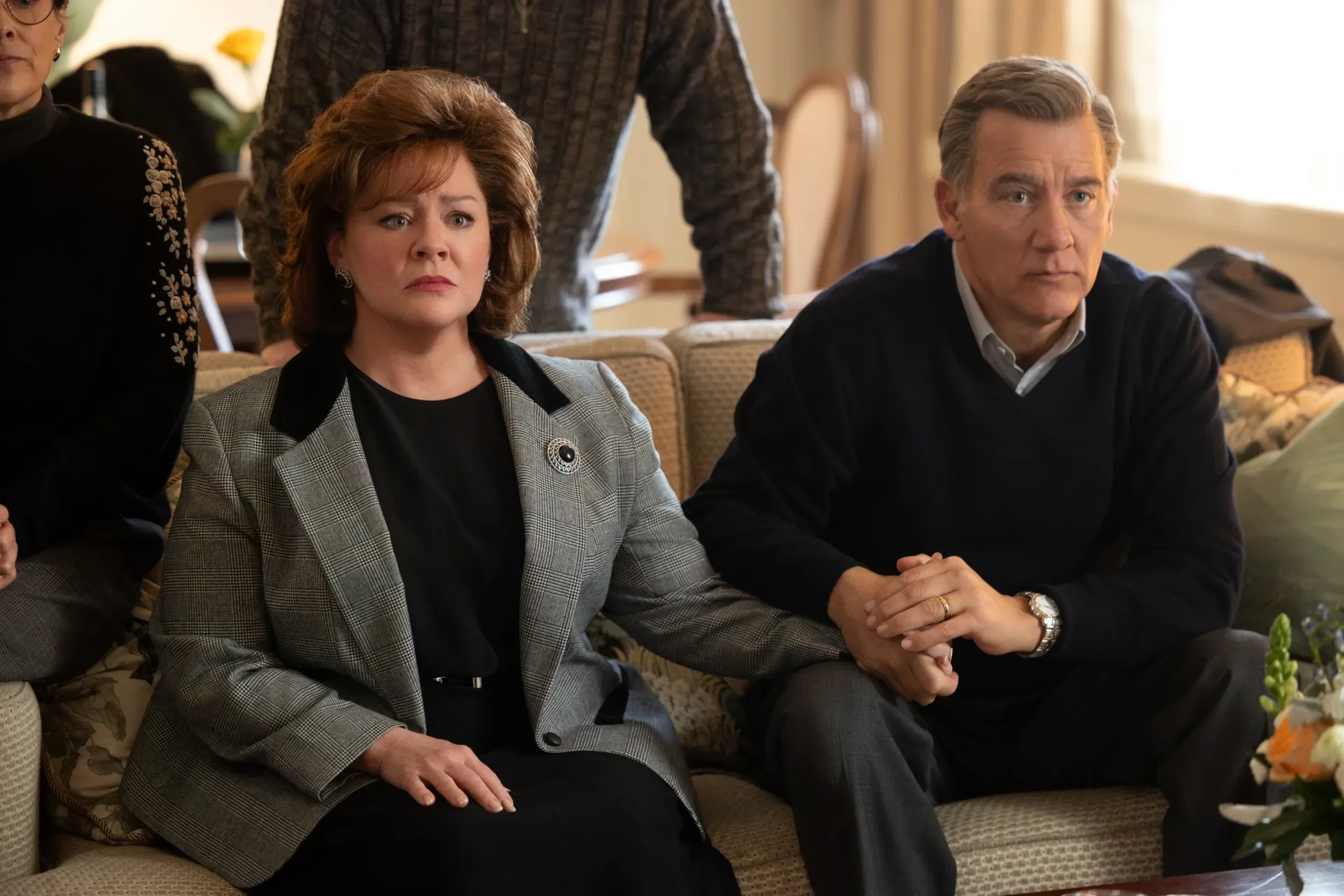
Netflix has released the first full trailer for The Murder of JonBenét Ramsey, a limited series dramatizing the aftermath of the 1996 death of JonBenét Ramsey. The series is scheduled to debut on the streaming service on December 10.
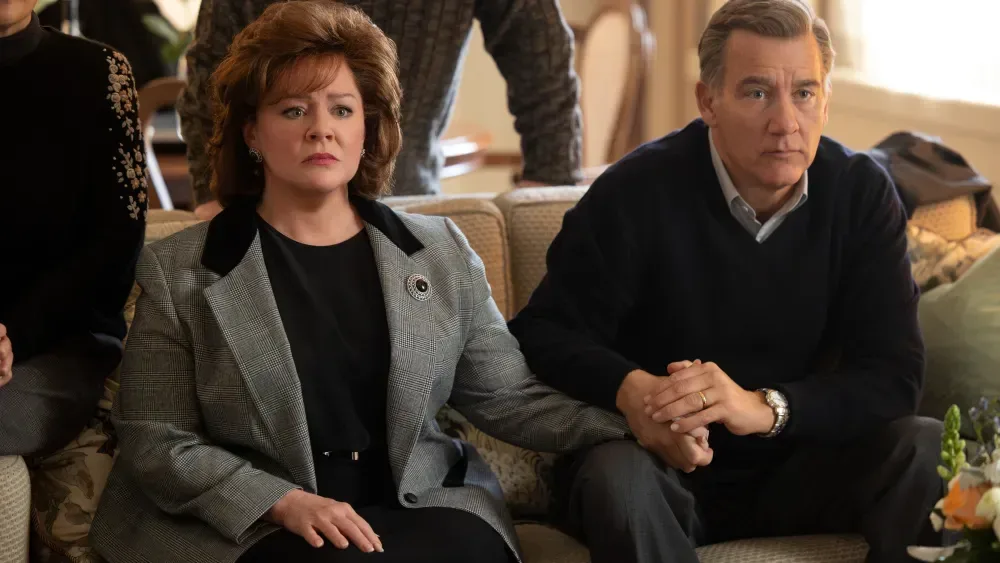
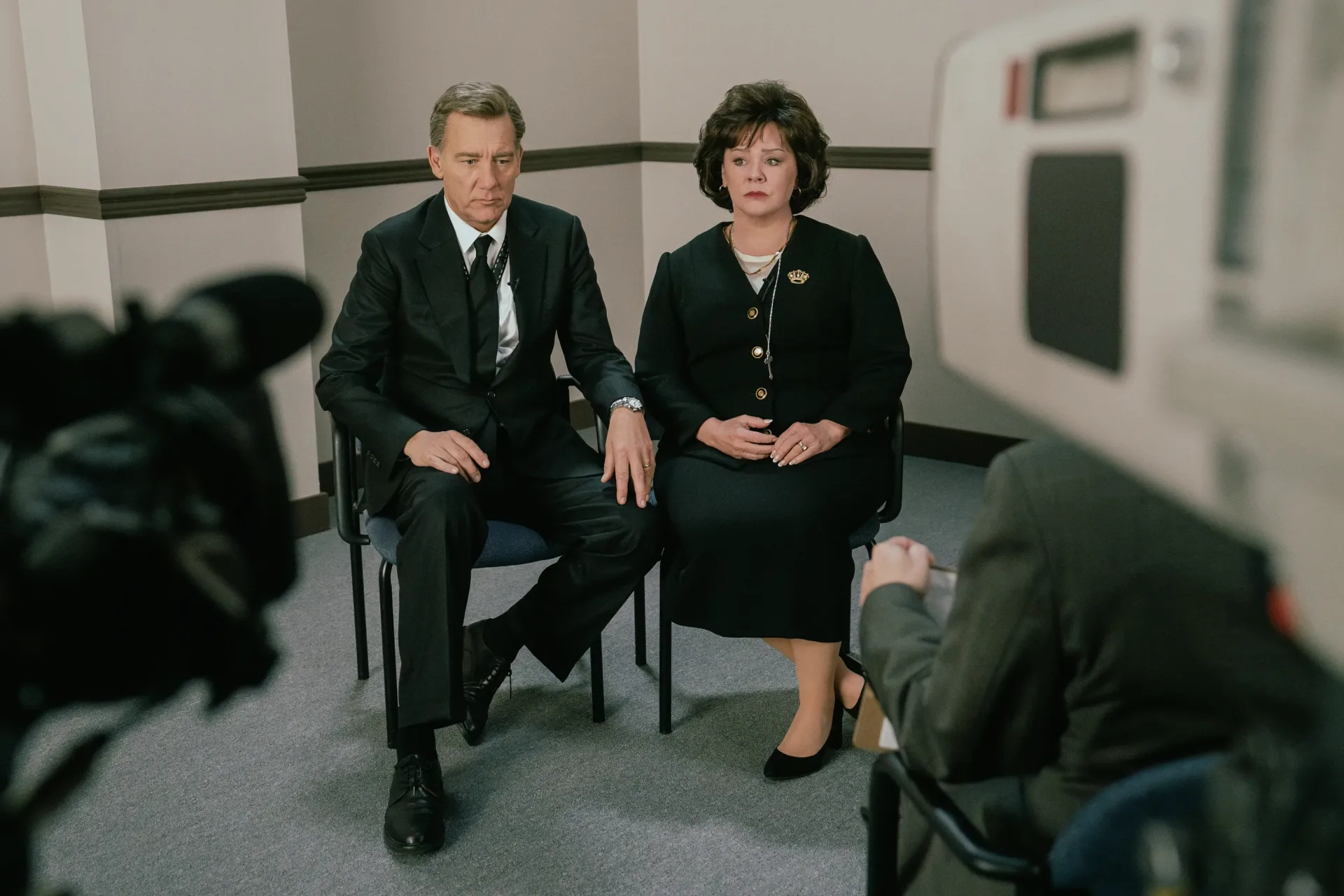
The trailer places the spotlight on JonBenét’s parents, played by Melissa McCarthy and Clive Owen, as they face intense attention from investigators and the media after their daughter is found dead. That emphasis closely reflects the project’s stated subject: not only an unsolved murder case, but the deeply public reckoning that followed for the Ramsey family.
A drama about scrutiny as well as an unsolved case
The official description frames The Murder of JonBenét Ramsey around one of America’s best-known unsolved murder cases and the personal and public consequences that followed JonBenét Ramsey’s death on Christmas night in 1996.
That wording is significant. An unsolved case is one in which no one has been conclusively identified and convicted as responsible. A scripted limited series based around such a case faces a different challenge from a story with a settled legal outcome: it must distinguish the fact that public suspicion existed from any suggestion that suspicion constitutes proof.
The trailer’s focus on police and media pressure points toward the latter part of the premise. McCarthy and Owen’s characters are shown operating under scrutiny, rather than the preview presenting a definitive answer to the case. For viewers, that makes the central dramatic question less about a promised solution and more about what happens when a family becomes the focus of a national story amid uncertainty.
In this context, a limited series means a television story designed for a contained run rather than an open-ended, returning format. The available information does not specify an episode count, but the label signals a defined narrative scope for the project.
Melissa McCarthy and Clive Owen lead a large ensemble
McCarthy and Owen headline the cast as JonBenét Ramsey’s parents. They are joined by Emily Mitchell, Garrett Hedlund, Alison Pill, Shea Whigham, Owen Teague, Clifton Collins Jr., Rory Cochrane, Chris Bauer, Angus Caldwell, Will Patton, John Billingsley, Jeremy Bobb, Jaime Ray Newman, Josh Stamberg, Margo Martindale, Tzi Ma, Kate Butler and Grace Cashman.
The breadth of the ensemble is consistent with a story that extends beyond one household. The supplied trailer description specifically identifies police and the media as forces pressing in on the parents, while the series logline refers to a public reckoning. Those elements suggest a drama interested in the collision between private grief, investigation and public narrative.
It is also worth keeping the project’s format in mind when evaluating a trailer. A preview is promotional material, built to establish tone, characters and conflict. It does not establish the full scope of the finished series, nor does it resolve the underlying real-world case. The information available identifies its focus, cast and release date, but does not provide plot details beyond the series’ broad premise.
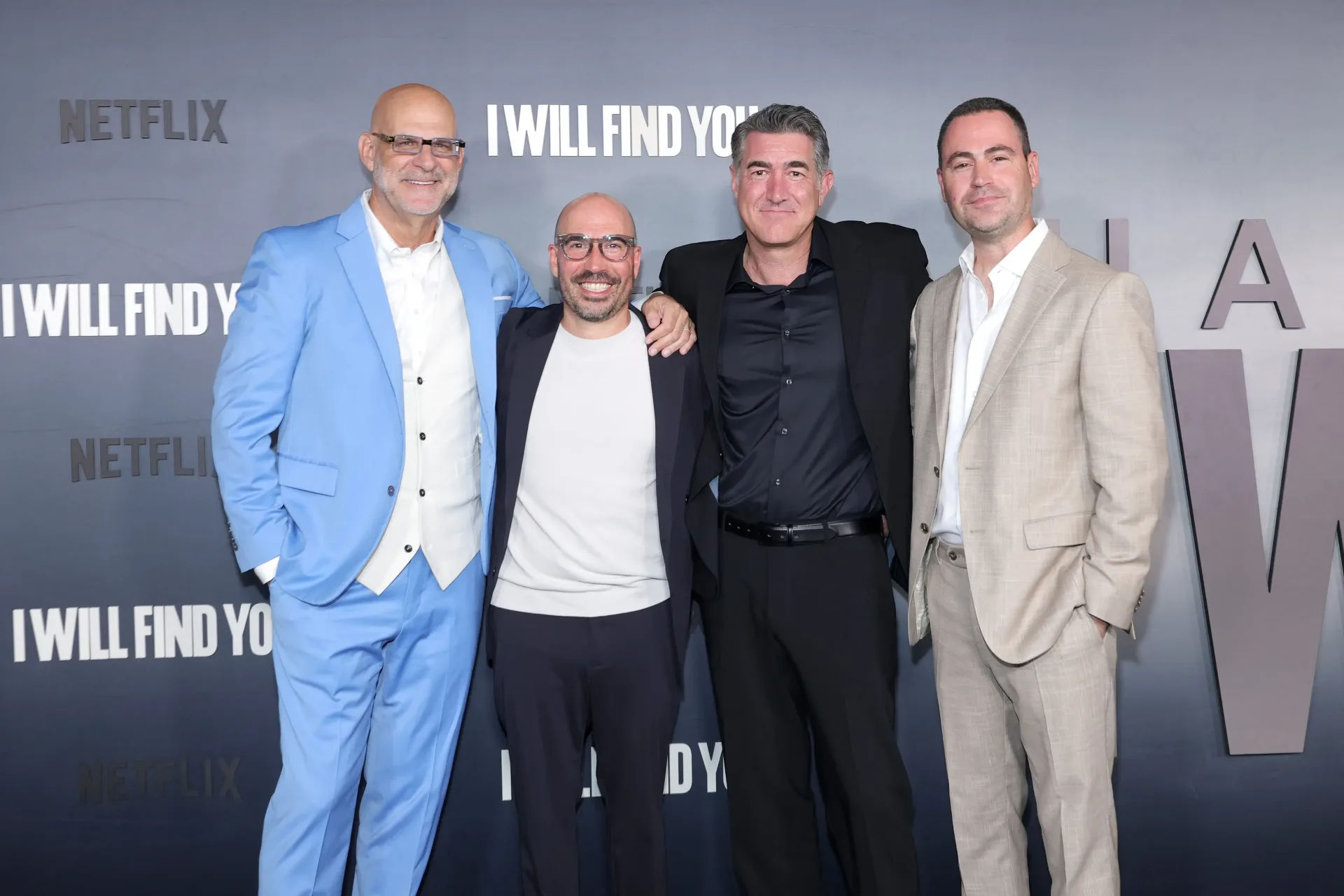
Richard LaGravenese will serve as showrunner
Richard LaGravenese is executive producer and showrunner. The showrunner is generally the senior creative figure responsible for guiding a television series’ day-to-day storytelling direction and production leadership. In a project dealing with a real, unresolved tragedy, that role carries particular importance: the final series will need to manage both dramatized scenes and the implications of depicting real people whose lives were shaped by intense public attention.
David C. Glasser, Ron Burkle, Bob Yari and David Hutkin of 101 Studios are also executive producers, alongside McCarthy, Anne Sewitsky, Harrison Query and Tommy Wallach.
“Executive producer” can cover a range of responsibilities, including creative oversight, financing, production leadership or involvement in developing the project. The announced credits establish the team attached to the production, but do not detail each person’s individual duties.
How the series arrived at Netflix
The series was initially set up at Paramount+ before moving to Netflix. Following the Paramount-Skydance merger in summer 2025, the new leadership reviewed the Paramount television slate and did not move forward with the project there.
The decision was believed to have been influenced in part by a settlement between CBS and Burke Ramsey, JonBenét’s brother. That settlement followed a CBS documentary series, The Case of: JonBenét Ramsey, which theorized that Burke Ramsey had killed his sister.
This history makes careful language especially important around the new dramatization. A theory portrayed in a separate documentary is not the same thing as an established conclusion. The provided details identify the earlier program’s theory and the subsequent settlement, while the new Netflix series is described more broadly as a drama about the unsolved case and its aftermath.
After the Paramount+ decision, 101 Studios shopped the completed series. Netflix ultimately acquired it, continuing a pattern in which the streamer has picked up already-completed television seasons.
Why the framing matters
True-crime-adjacent scripted dramas often have two audiences at once: viewers encountering the case for the first time and viewers who already know its public history. For both groups, the distinction between dramatization, allegation, theory and established fact is essential.
The announced logline does not promise to solve JonBenét Ramsey’s murder. Instead, it explicitly presents the series as a story about an unsolved crime and the devastating private and public effects of the events that followed. The trailer’s attention to the parents being scrutinized by authorities and the press appears aligned with that framing.
That approach could make the show’s portrayal of media attention just as important as its depiction of the investigation. “Under scrutiny” describes a condition of being intensely examined or suspected; it does not, on its own, communicate guilt. The distinction is central to a story in which public attention and legal certainty have not moved in lockstep.
It also separates this release from the familiar rhythm of fictional mystery television. A fictional whodunit can construct clues toward an answer chosen by its writers. A dramatization of an unresolved real case has no such factual endpoint to claim. Its responsibility is consequently tied to how it depicts uncertainty, grief and the consequences of public narratives.
For viewers looking for other upcoming screen-focused coverage, Joking Joystick has also covered Aardman’s planned 50th-anniversary documentary, another project examining a subject through a screen-based retrospective lens, though its subject and tone are very different.
The Murder of JonBenét Ramsey arrives on Netflix December 10. The first full trailer establishes its primary dramatic territory: a family subjected to extraordinary police and media pressure in the wake of a child’s death, against the unresolved backdrop of a case that has remained a subject of public attention for decades.