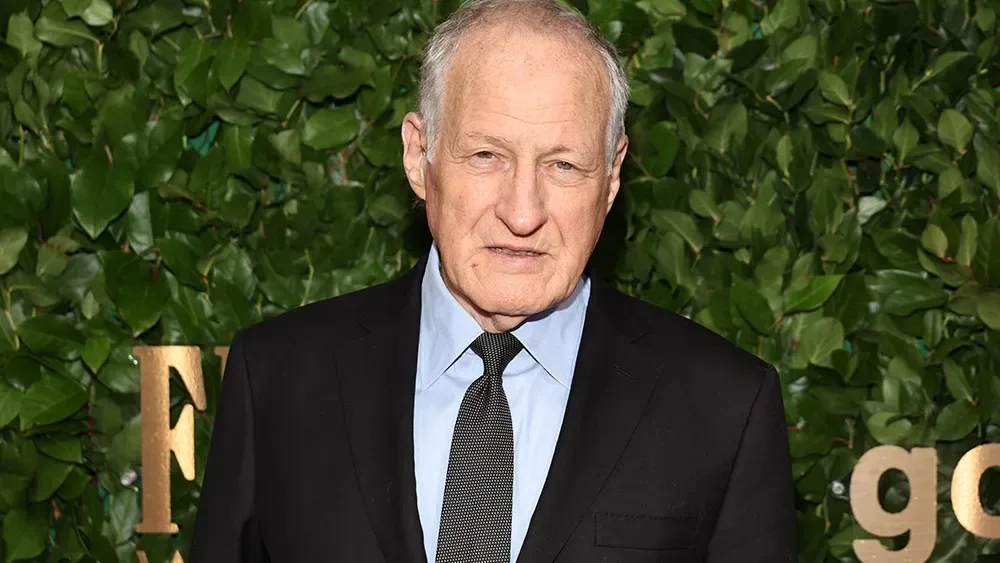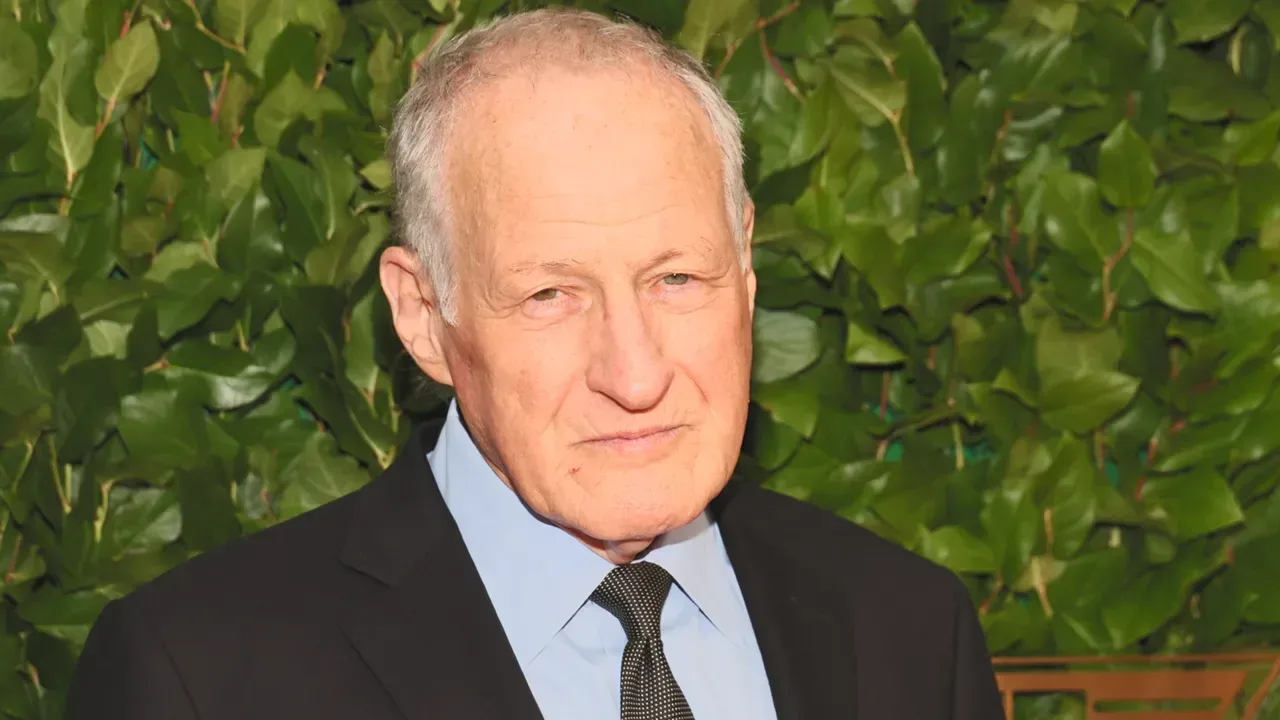
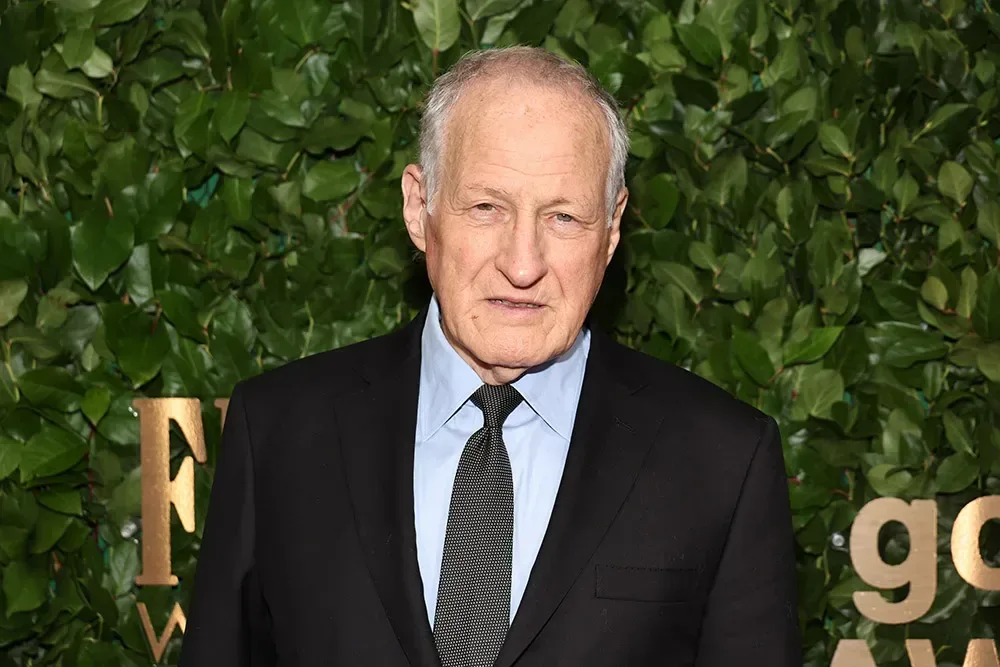
Michael Mann is seeking to reclaim rights to the screenplay for the 1995 crime film Heat, opening a copyright dispute with producer New Regency just as Heat 2 moves toward production.
New Regency has filed suit seeking a declaration that Mann’s termination notices are invalid and that it retains ownership of the original screenplay’s copyright. Mann’s representatives say he will contest the action vigorously, characterizing the underlying material as Mann’s personal writing from the 1980s that eventually developed into the film he wrote, produced and directed.
The immediate practical message for audiences is unusually clear: the ownership fight concerns the original screenplay, but it is not expected to halt the sequel. Mann’s representative said Heat 2 is unrelated to the litigation and is set to begin shooting on January 19. Amazon MGM Studios now has the project after Warner Bros. stepped away last year.
What the lawsuit is actually about
This is not, at least on the facts currently public, a dispute over whether Mann created Heat, nor is it a challenge to the sequel’s stated production plan. It is a dispute over a more specialized question: whether Mann can use a provision of U.S. copyright law to end earlier grants of rights and recover the screenplay copyright.
Copyright termination is a statutory mechanism that can allow authors to reclaim rights they previously assigned after a specified period. The relevant framework cited in this dispute permits authors to terminate certain assignments after 35 years. Its purpose is significant in creative industries: a work’s long-term value can be difficult to predict when its author first signs an agreement, particularly when a project later becomes culturally and commercially important.
But the rule does not automatically apply to every contract involving a screenplay. The crucial disagreement here is whether the screenplay was assigned by Mann in a way that can be terminated, as Mann contends, or whether it was a work made for hire, as New Regency argues.
That phrase has an important legal meaning. In a work-made-for-hire arrangement, the commissioning or employing party can be treated as the author for copyright purposes. New Regency’s position is that a 1994 deal in which Warner Bros. acquired the screenplay rights from Mann’s loan-out company explicitly classified the work in that fashion. If a court agrees with that characterization, the company argues, there is no assignable author’s interest for Mann to terminate under the provision he invoked.
Mann’s side takes the opposite view. His representative says the story and characters originated in writing he did across multiple screenplays during the 1980s, and describes the effort as an attempt to exercise an author’s statutory right after four decades. The competing claims make the contractual record, and the legal classification of that record, central to the case.
The disputed chain of rights
New Regency’s complaint describes several termination notices. It says Mann’s lawyers initially maintained that Mann had transferred his rights to loan-out companies in 1988 and sought to terminate that purported transfer. A loan-out company is generally an entity used by an individual creator or performer to provide their professional services and enter industry agreements. Such entities can make the paper trail around ownership more complicated, because agreements may run through the company rather than the person in their individual capacity.
New Regency says it asked to see the 1988 agreement and was told the transfer had been oral. The lawsuit ridicules the alleged oral arrangement on the grounds that Mann was said to have been acting both individually and for the companies involved. It also challenges two later termination notices tied to other agreements, maintaining that those notices are invalid as well.
Those are allegations from New Regency’s complaint, not findings by a court. Mann’s representatives have made equally clear that they intend to defend the termination effort. The eventual answer will turn on documents, the nature of any agreements, the chronology of the grants, and the legal distinction between an assignment and work made for hire. None of that is resolved merely because a complaint has been filed.
There is also a longer creative history behind the legal paperwork. Mann developed the characters and story that became Heat over two decades, beginning in the 1970s. That history helps explain why the present conflict is framed by his team as one concerning original authorship, while New Regency focuses on the later agreements used to produce and release the 1995 film.
Why ‘Heat 2’ is expected to continue
In sequel news, an intellectual-property lawsuit can often raise the alarming question of whether a project will be delayed, reshaped or stopped. Here, the available facts point in another direction.
Both Mann and New Regency have made arrangements with Amazon that account for the dispute. The complaint says Mann has assigned to Amazon any rights he might successfully recover. In effect, Amazon MGM Studios is positioned to proceed with the sequel regardless of which side prevails over the original screenplay rights.
That does not make the litigation trivial. Ownership of a screenplay may affect who controls or benefits from future uses of the original work. But it separates the question of long-term rights from the more immediate task of making Heat 2. The sequel’s production status should therefore not be read as evidence that the lawsuit has been resolved, or that either side has conceded its argument.
Warner Bros. had previously been attached to produce the sequel before exiting last year. Amazon MGM Studios subsequently acquired the project. The new production home, alongside the parties’ reported arrangements, is the reason the current legal conflict is being presented as independent from the January 19 shoot date.
Creative control is the bigger backdrop
For creators, studios and audiences who follow adaptation and sequel rights, the dispute is a reminder that a familiar title can contain several layers of control. A filmmaker may have originated characters and a story; a company may have financed, produced or acquired particular screenplay rights; and a later studio may hold the rights needed to make a new film. These layers can overlap without being identical.
The legal questions are technical, but the issue behind them is easy to recognize: when a work gains enduring value, who has the right to control it decades later? That question reaches beyond one film, particularly where a creator’s early work becomes the foundation for a major property. Similar tensions over authorship, ownership and long-term autonomy have remained a recurring part of entertainment history, including the creative-control battles explored in Prince’s fight for creative control.
It is important, though, not to overstate what this case establishes. It does not create a new rule simply because the dispute has begun. Nor does it establish that every writer can reclaim a successful screenplay after 35 years. Termination rights are governed by the particular statute and the facts of each grant, and New Regency’s work-for-hire defense goes directly to whether termination is available here.
What to watch next
- The court’s treatment of work made for hire: This is the core legal issue New Regency has raised. A ruling on that designation could determine whether Mann’s notices have any effect.
- The agreements behind the notices: The alleged 1988 oral transfer and the two subsequent notices are likely to receive close scrutiny if the litigation proceeds.
- Any clarification of the Amazon arrangements: The parties’ reported deals with Amazon are central to why Heat 2 is expected to remain on track despite the dispute.
- Production developments for the sequel: The stated January 19 start date remains the clearest current indicator that this rights battle is not expected to interfere with filming.
For now, the case places a decades-old screenplay and its contract history under a microscope while the next chapter of the franchise advances separately. Mann argues that the law allows him to reclaim his original creation; New Regency argues that the 1994 arrangement put the work outside that termination right. The courts, rather than the sequel’s production calendar, will decide that ownership question.