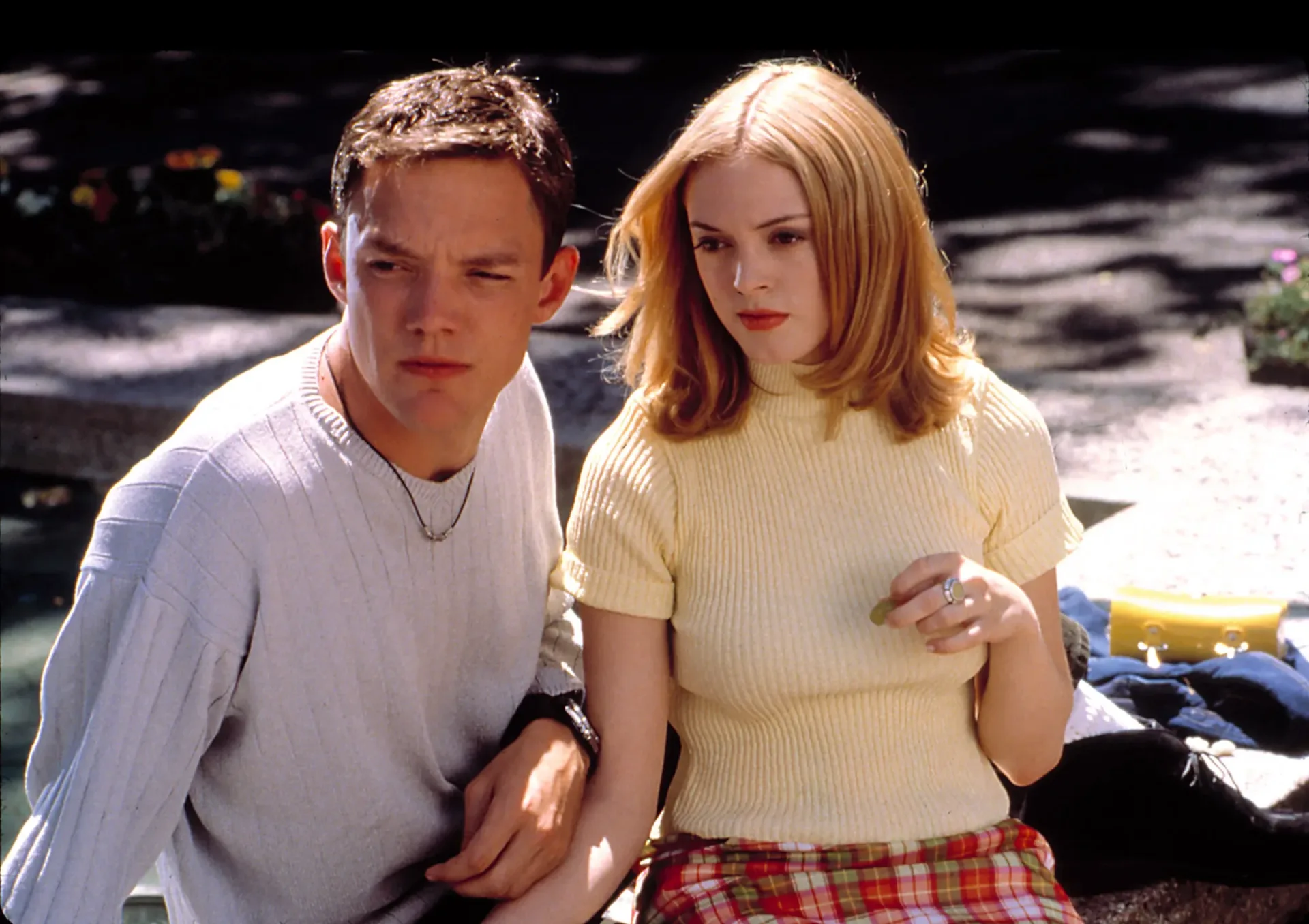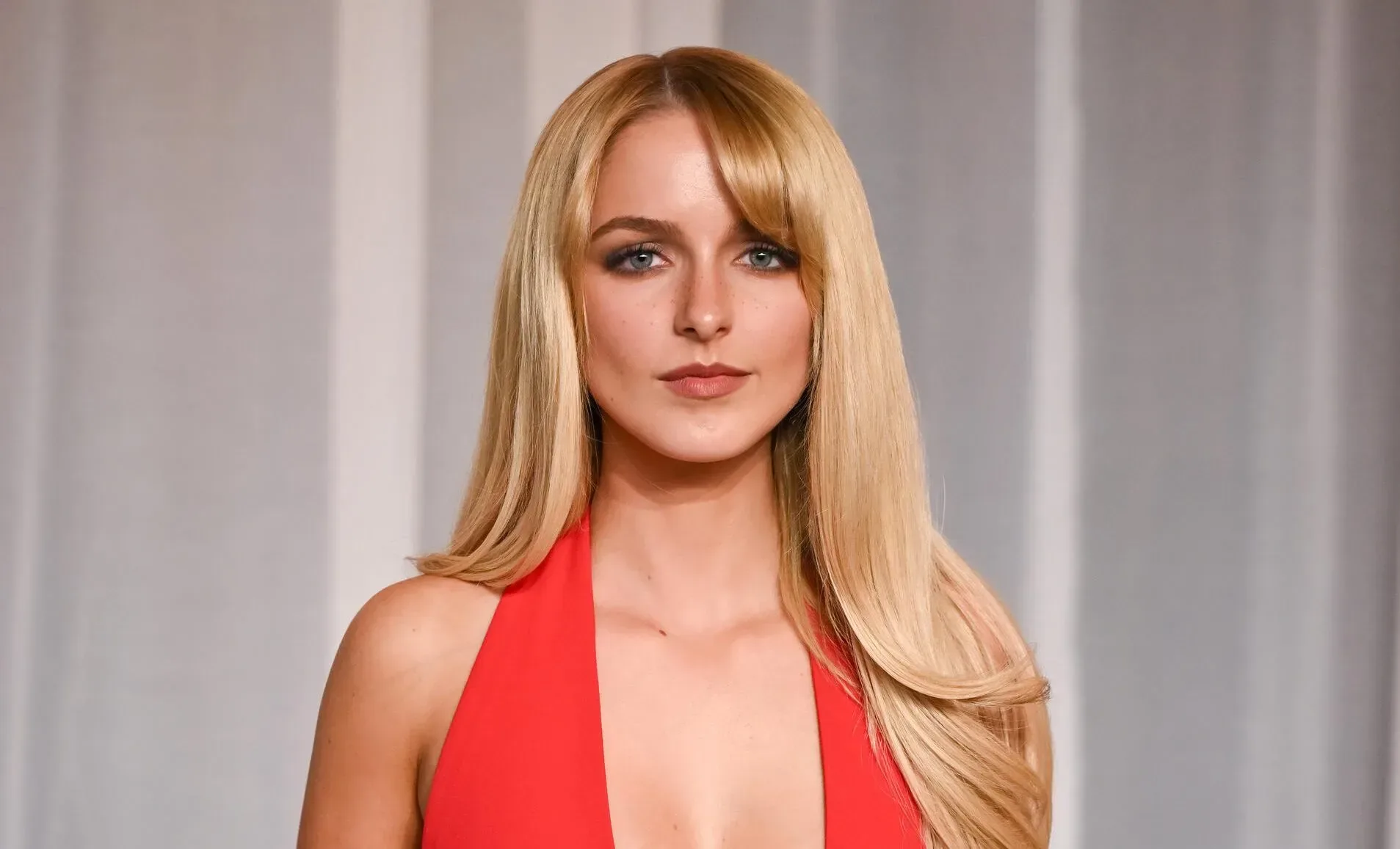
Mckenna Grace has drawn a clear line around the kinds of acting work she is willing to take on right now. While promoting The Hunger Games: Sunrise on the Reaping, Grace said she declines roles that involve nudity or material she considers highly sexualized. Her reason is personal comfort, but it is also tied to a specific professional ambition: she hopes to play a Disney princess on the big screen someday.
“At this point, I definitely don’t do nudity or very hypersexual things,” Grace said when asked whether there are roles she would refuse. She emphasized that she respects performers who make different choices, while making plain that such work feels frightening to her. Grace also left room for the possibility that her views could change, saying she does not know whether the boundary will be permanent.
The distinction matters. Grace is not presenting herself as an actor committed only to gentle, all-ages material. She pointed to her Scream work, where her character is violently killed by Ghostface, as an example of material that is hardly wholesome. Instead, she is identifying a limit about sexual content and nudity—not making a broad declaration against horror, danger, intensity, or darker stories.
A boundary, not a genre ban
Public discussion of an actor’s “no nudity” policy can easily flatten into a misleading question: does that mean the performer is avoiding mature projects? Grace’s comments point to a more precise answer. Content boundaries are not genre boundaries.
Horror and dystopian fiction can contain extreme violence, fear, grief, or moral conflict without asking an actor to perform nudity or sexual material. Conversely, a comedy, romance, or prestige drama can be less physically violent yet contain scenes an actor does not want to do. Those are separate creative variables, and performers are entitled to evaluate them separately.
In practical terms, Grace’s stated line narrows certain roles but does not define the total range of characters she can portray. A performer can pursue action, fantasy, family entertainment, thrillers, mysteries, animation, voice performance, and dramatic work while still setting limits on sexual content. The key fact is not whether audiences consider a project “adult” or “serious”; it is whether the actual role and its requirements fit the actor’s consent and comfort.
That is also why Grace’s Disney-princess goal should not be read as a claim that every prior or future part must resemble a fairy tale. It is an aspiration for one type of role and one relationship with a family audience. Her Scream example makes the contrast especially clear: she can appear in an R-rated horror franchise and still hope to one day take on an iconic fantasy-princess character.
Why the Disney ambition is central to her answer
Grace’s explanation has two connected elements. First, she says nudity and highly sexualized roles are personally intimidating. Second, she is conscious of the image and audience relationship attached to a possible Disney princess part. Neither point cancels the other. Personal limits do not require a career-strategy justification, but a long-term career hope can understandably shape how an actor weighs opportunities.
Related coverage includes Mckenna Grace Says Nudity Boundaries Align With Her Disney Princess Dream.
Disney princess characters carry an unusually enduring public identity. They are often discovered by children, revisited by families, and remembered for years. An actor associated with one may become part of that experience for young viewers. Grace’s comments suggest that this prospective responsibility is meaningful to her, rather than merely a branding calculation.
There is a useful precedent in Amy Adams’ experience after playing Giselle in Enchanted in 2007. Adams later declined a proposed adult-oriented Saturday Night Live musical sketch. Andy Samberg described the unused idea as a very explicit comic duet involving an elderly couple and a scorpion sting. Adams reportedly found it funny, but decided she could not do it because young fans devoted to Enchanted might find it and be unsettled by the contrast.
Adams eventually returned as Giselle in Disenchanted, the 2022 follow-up. Her example does not establish a rule that performers connected to family entertainment must remain in a particular lane. It does show, however, that an actor may decide a role’s audience legacy deserves consideration when choosing other work. Grace is articulating a similarly individual judgment, rooted in what she wants from her career and what she is comfortable showing on screen.
Disney-related casting remains a high-profile corner of pop culture, as shown by ongoing interest in legacy franchise roles such as whether familiar faces may return to Pirates of the Caribbean. Grace’s goal is not news of a casting deal, though. There is no indication here that she has been cast as a princess or attached to a specific Disney project. It is simply the role she says she would love to pursue.
What “hypersexual” means in this context
Grace used the phrase “very hypersexual things,” which is necessarily broader than a single technical production term. In everyday entertainment discussion, it generally refers to material that makes sexual display, sexual behavior, or sexualized presentation especially prominent. Its precise meaning varies with the script, character, costuming, filming, story context, and the performer’s own boundaries.
That subjectivity is important. A public audience may try to sort scenes into a neat universal scale—acceptable versus unacceptable, artistic versus exploitative, adult versus family-friendly—but an actor’s consent does not have to follow an outside observer’s scale. A performer can decide that a particular scene, degree of exposure, tone, or role expectation is not for them. They may make that decision for a limited period, for an entire career, or change it as their circumstances and comfort change.
Grace explicitly acknowledged uncertainty about whether her position might evolve. That caveat does not make the boundary less real in the present. It recognizes that career decisions are personal and can change over time. The takeaway is not that audiences should predict a future reversal; it is that her current “no” is a valid answer without requiring a lifelong promise.
A wider conversation about performer comfort
Grace is not alone in speaking publicly about declining sexual material. Amanda Seyfried recently said she passed on a series because it would have required frequent sex scenes. Seyfried described herself as uncomfortable with the prospect at that time and said she did not want to be naked with a stranger. She also allowed that, if a similar opportunity appeared later, she might be in a different place.
The similarity between the two comments is not that the actors have identical career goals or identical rules. It is the underlying principle: performers can assess the demands of a part—including intimacy and nudity—and decide those demands are not right for them at a particular moment. Saying no to one opportunity is not a criticism of colleagues who accept comparable work, nor is it a declaration that intimate scenes have no place in film or television. It is an individual decision about participation.
For viewers, this is a useful way to discuss on-screen content without treating actors’ limits as a debate to be won. The important distinction is between a performer setting a boundary for their own work and attempting to dictate what other performers should do. Grace expressly voiced respect for people who are comfortable with roles she is not comfortable taking.
Grace’s upcoming work
Grace plays Maysilee Donner in The Hunger Games: Sunrise on the Reaping, which is set to reach theaters on Nov. 20. She is also set to play Daphne in Netflix’s live-action Scooby-Doo reboot series. Her most recent big-screen appearance was in Scream 7.
Together, those projects underline the point behind her comments: her current career already moves between very different tones and recognizable franchises. There is room in that path for horror violence, dystopian stakes, mystery-comedy nostalgia, and the possibility of a family-fantasy role later on. Grace’s stated boundary concerns nudity and highly sexualized material, while her Disney princess dream gives that decision a personal creative horizon.