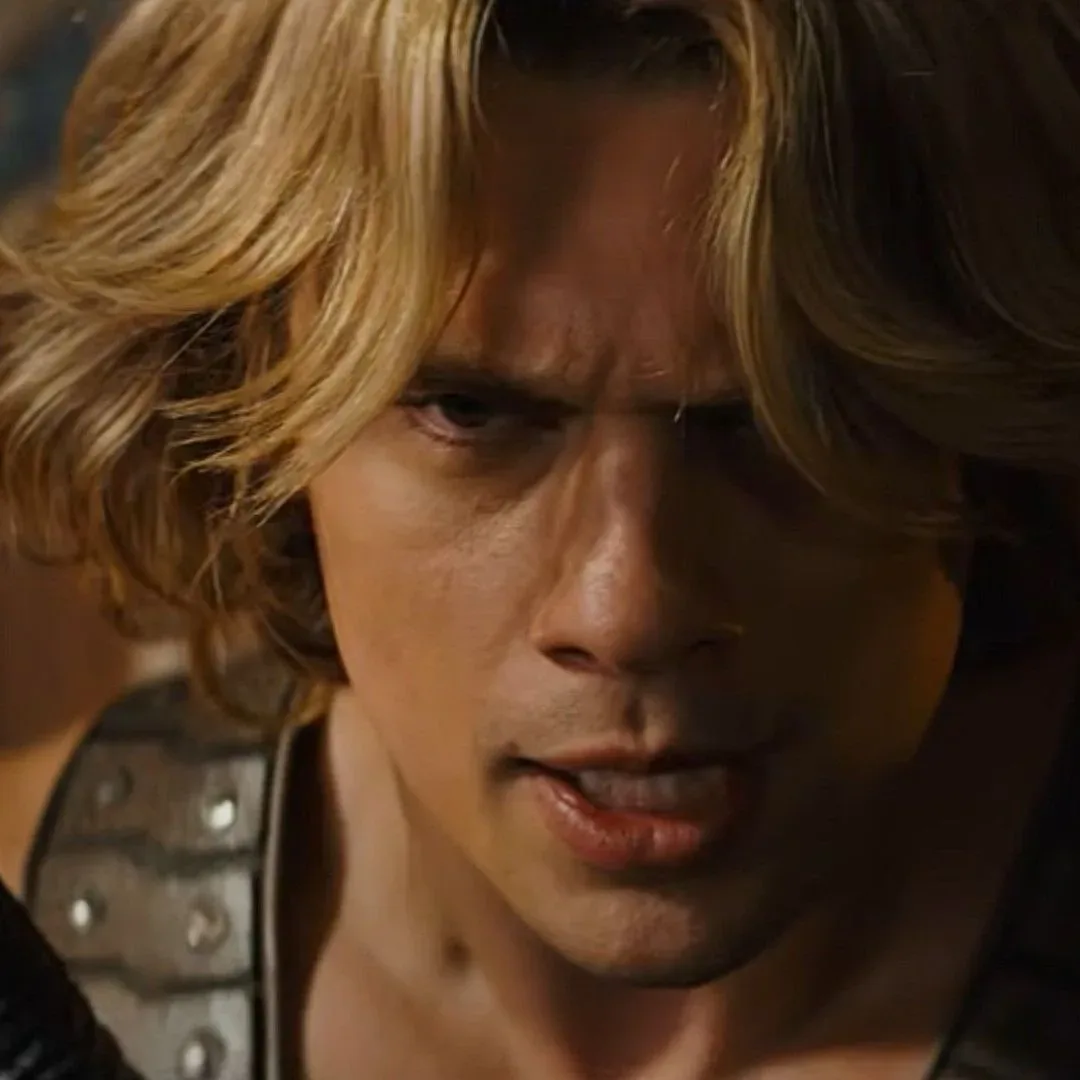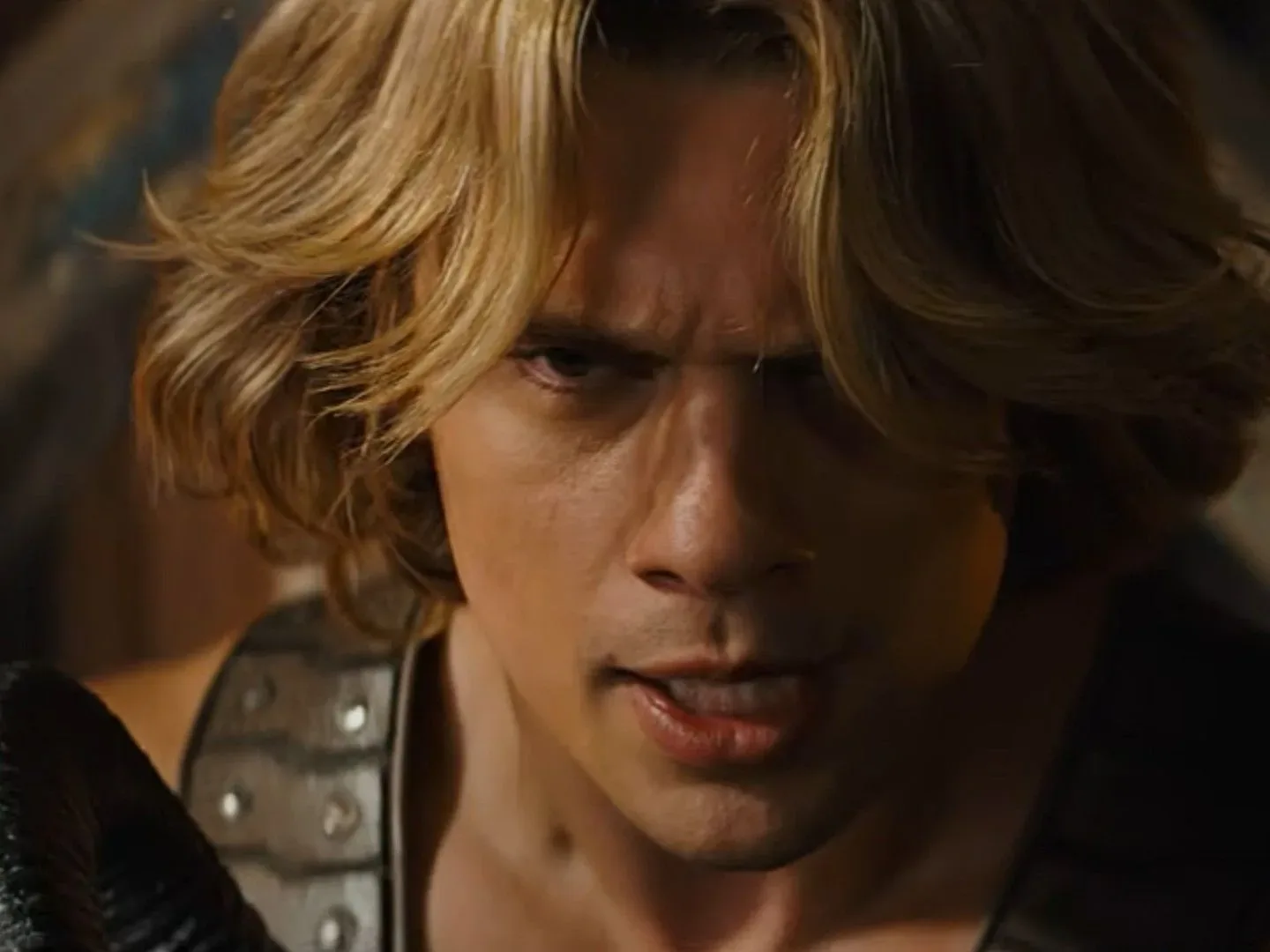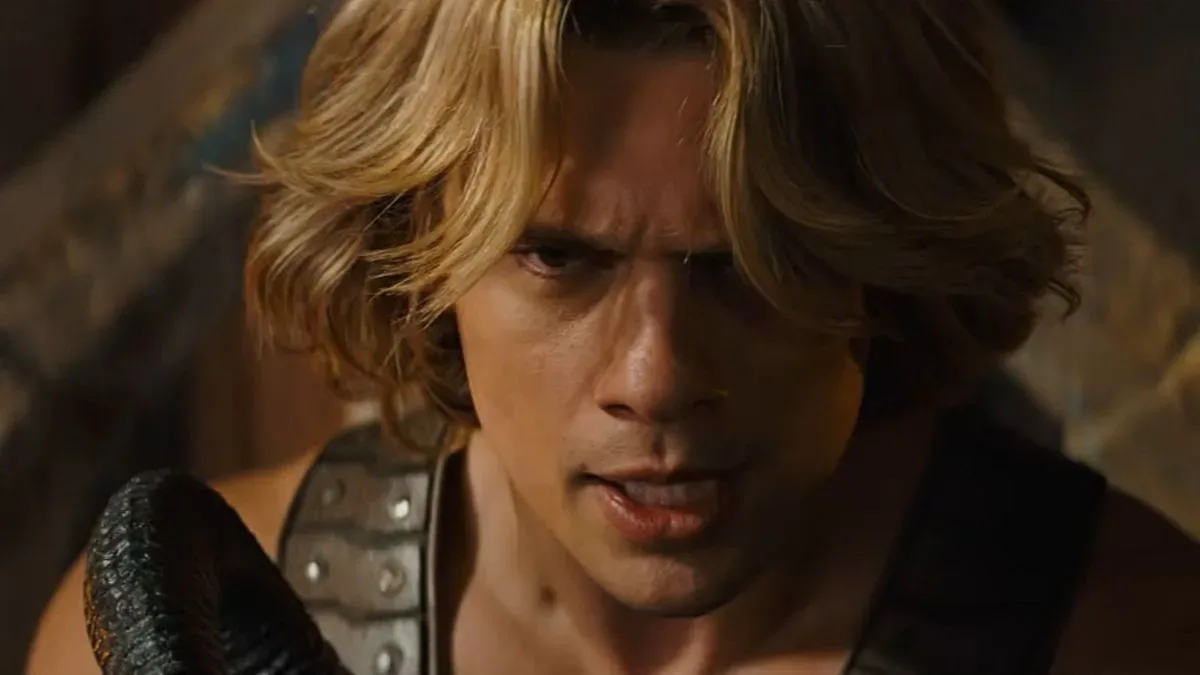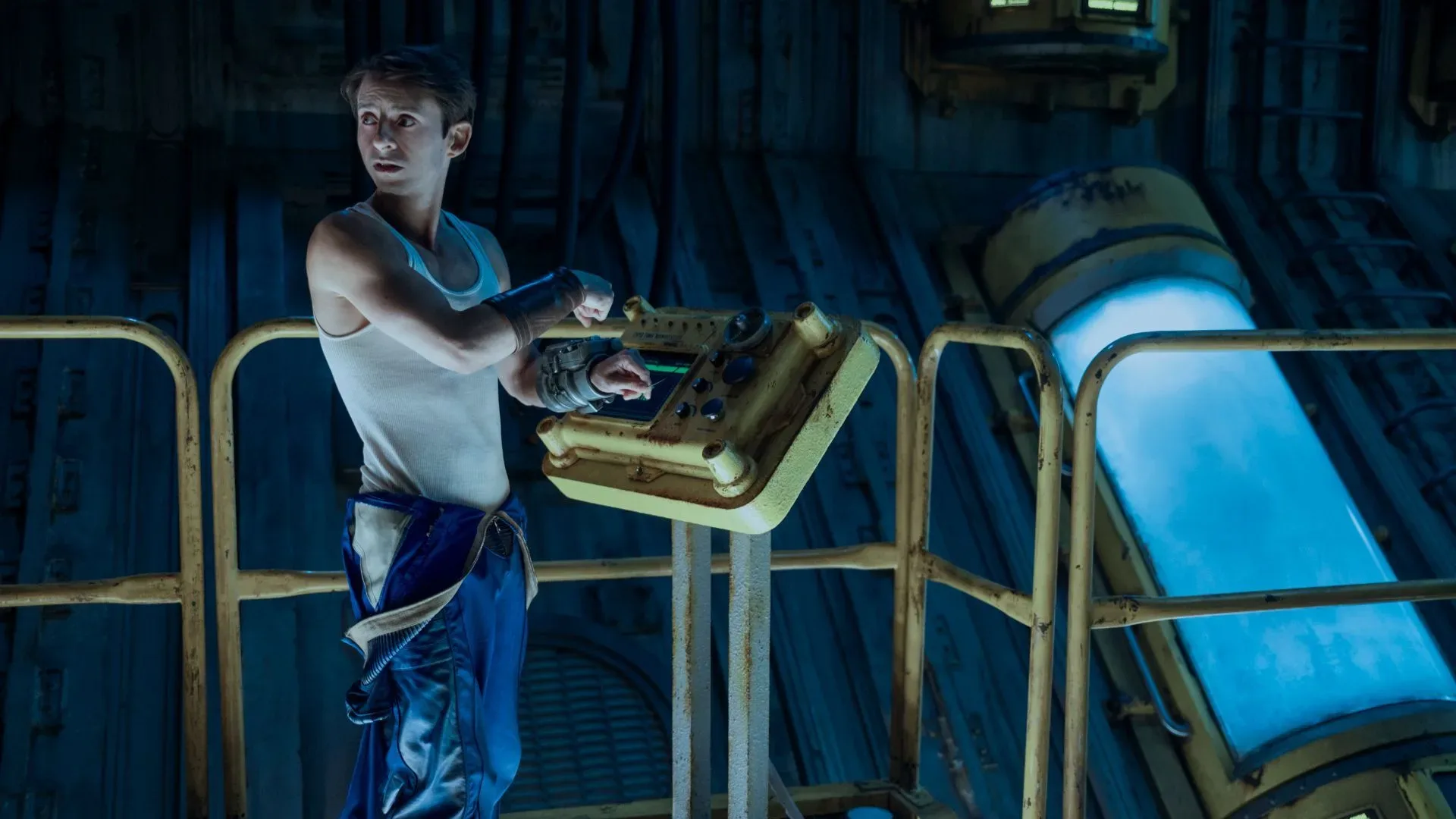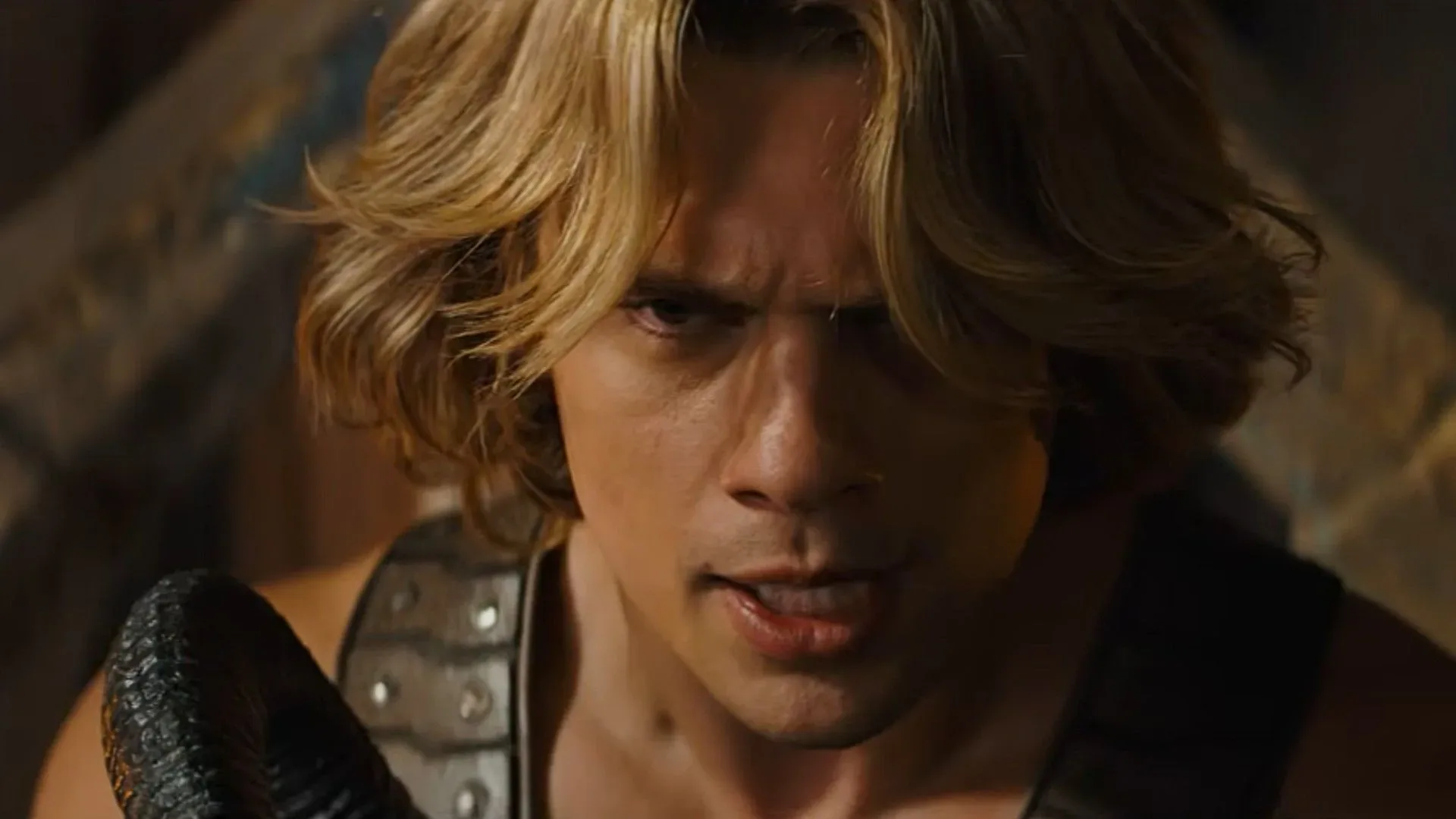
Masters of the Universe may have left the door visibly open for another trip to Eternia, but director Travis Knight says there is no confirmed sequel decision to share.
The live-action fantasy film, starring Nicholas Galitzine as Prince Adam/He-Man and Jared Leto as Skeletor, has been a notable streaming performer on Prime Video. It spent five weeks as the service’s number-one movie and remains among its most popular films. That result has not, however, translated into a public green light for a second movie.
“In the end, these sorts of decisions are out of our control,” Knight said. “You always imagine where these people’s lives go after the end of the movie, and if the universe, in its wisdom, asks us to make more of these things, we would be delighted to give them more.”
That is an encouraging answer for viewers who want more He-Man, but it is not an announcement. Knight is expressing the filmmakers’ willingness to continue rather than confirming that another installment is in development, approved, filming, or scheduled.
A streaming success is not the same as a sequel order
The movie’s theatrical result and streaming run point in different directions. Masters of the Universe grossed $140 million against a reported production budget of $170 million to $200 million. Those numbers make the streaming performance especially relevant to the conversation around a potential follow-up.
It is important not to treat either figure as a simple verdict on the film’s fate. A box-office gross is the total ticket revenue reported from theaters; it is not the same thing as profit, and the supplied figures do not establish the film’s overall financial outcome. Likewise, a five-week spell at number one on a streaming service is a strong visibility marker, but it does not disclose the full set of measures that can inform a continuation decision.
What the available information does show is that the film found a substantial audience after its theatrical run. For a franchise built around the enduring conflict between He-Man and Skeletor, that kind of sustained placement gives the property a different kind of momentum than ticket sales alone can convey. It means viewers are selecting the film and keeping it in the conversation long enough for the service to identify it as one of its popular titles.
Still, Knight’s wording places the next step where it belongs: with the people who control the project’s future. Interest, chart position, a post-credits tease, and a cast or director willing to return can all support a sequel case. None of those elements independently confirms one.
Where the first film leaves Adam and Eternia
The new film begins with Prince Adam living an ordinary life on Earth. He is then called back to Eternia, his home planet, to face Skeletor. Camila Mendes co-stars as Teela, joining Adam in the fight against the villain.
That Earth-to-Eternia setup gives the story a clear passage between Adam’s everyday existence and the larger fantasy world tied to his He-Man identity. In practical sequel terms, it also leaves several obvious areas a second story could explore: Adam’s continuing role, his connection to Eternia, his alliance with Teela, and the ongoing threat represented by Skeletor. Those are narrative possibilities apparent from the premise, not confirmed plot points for another film.
The production also includes a cameo from Dolph Lundgren, who previously played He-Man. It is a direct nod to the character’s earlier live-action screen history without changing the fact that Galitzine is the new movie’s Adam and He-Man.
The post-credits scene matters, but it is not confirmation
There is a post-credits scene, and it explicitly positions the story for a potential continuation. It also introduces a character who has not previously appeared in live action, apart from Ariana Grande portraying that character in a Saturday Night Live sketch.
Post-credits scenes are often called sequel setups because they add a final story beat after the main credits and point viewers toward what could come next. The key word is could. They can preserve options for a franchise, create anticipation, or introduce someone important to the wider mythology. They do not obligate a studio or streamer to make the next chapter.
In this case, the scene is more meaningful than a stray gag: it has been framed as a genuine invitation to another Masters of the Universe story. For fans, it provides a concrete reason to hope that the film’s ending is not Adam’s final live-action adventure. For now, though, it should be read as creative intent rather than a production commitment.
What Knight’s answer actually tells fans
Knight’s comments establish three useful points. First, the creative team has thought beyond the closing moments of the film. His remarks about imagining where the characters’ lives go suggest that the cast and filmmakers see room for continued stories.
Second, the team would welcome the chance to make more. That removes one common obstacle from the public-facing side of a sequel discussion: there is no indication here that the director is closing the book on the characters.
Third, and most importantly, the decision has not been announced. The precise language matters because franchise speculation can turn quickly into assumed fact, especially when a movie ends with an overt tease and performs well on streaming. There is presently a distinction between audience interest, sequel-ready storytelling, and an actual sequel order.
That makes the wait less about decoding the post-credits material and more about whether the service chooses to expand this version of the franchise. Until then, the strongest confirmed development is the first film’s continued Prime Video presence—not a title, release date, returning cast list, or production timetable for a second installment.
Why the streaming result remains notable
Five weeks at No. 1 is the clearest measurable indicator supplied for the movie’s after-theater reception. It suggests the film had staying power rather than a brief arrival-week spike. The additional description of it as one of Prime Video’s most popular movies reinforces that its audience performance has been significant on the platform.
For viewers deciding whether to watch now, the movie offers an accessible entry point built around Adam’s life on Earth before the call back to Eternia, with Galitzine, Mendes, and Leto anchoring the central conflict. Existing fans also have Lundgren’s cameo and the final tease to watch for. Those elements help explain why the title can work both as a standalone fantasy adventure and as a potential launching point for further stories.
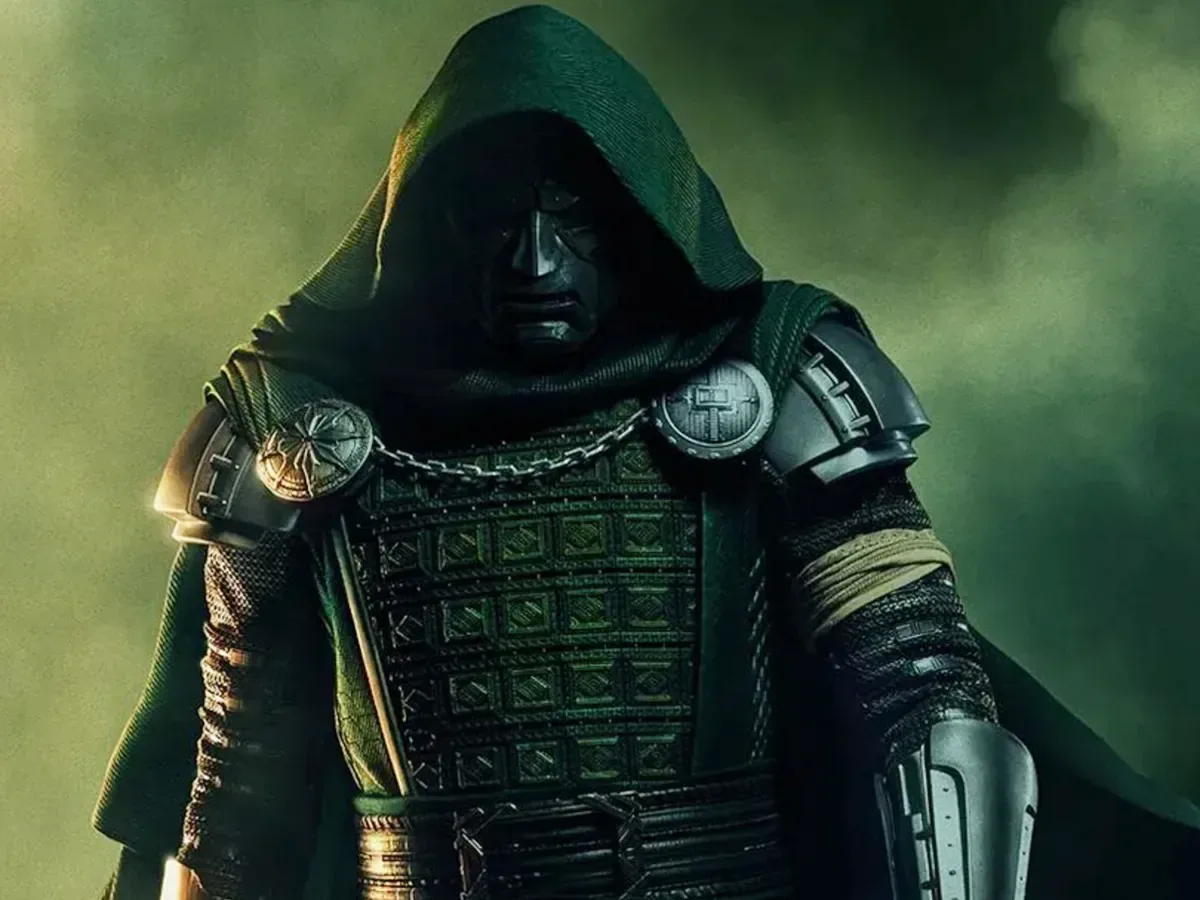
For the moment, though, “potential” is the operative term. Knight’s comments are hopeful, not definitive. Masters of the Universe is streaming on Prime Video now, while the fate of a sequel remains unresolved. For another major franchise-film update, see the latest on the Avengers: Doomsday sneak peek.