Jamil “Mal” Clay says an uncomfortable encounter with members of Dreamville in Los Angeles gave a personal dimension to his earlier criticism of J. Cole. Speaking on The New Rory & Mal podcast, Mal described seeing Dreamville president and cofounder Ibrahim “Ib” Hamad a couple of weeks earlier and said the two did not speak, despite what he characterized as a previously pleasant relationship.
Mal said he interpreted the lack of interaction as anger connected to his public remarks about Cole. While he stressed that he stands by his ability to give his opinion, he also said the moment made him feel bad in a way that past commentary had not.
“This is the first time I ever felt bad about something I said,” Mal said, explaining that it was the first time he and Hamad had seen one another without exchanging a greeting.
That distinction matters. There is a broad gap between disagreeing with an artist or performance in public and realizing that the criticism may have altered a real-world relationship with people around that artist. Mal’s comments suggest he is now separating those two things: he can stand behind speaking candidly while acknowledging that his phrasing, timing, or interpretation carried consequences he did not intend.
What sparked the tension around J. Cole
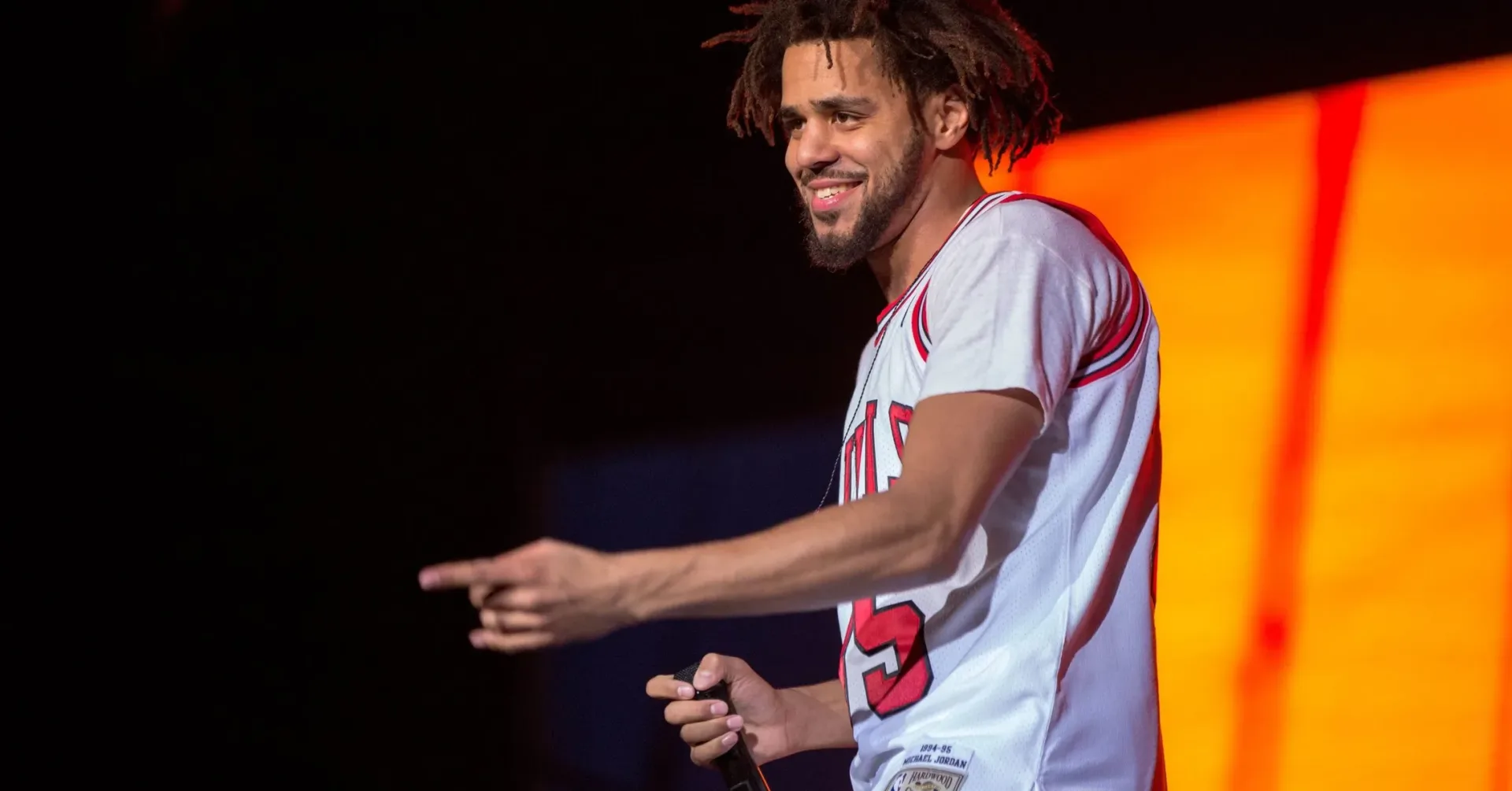
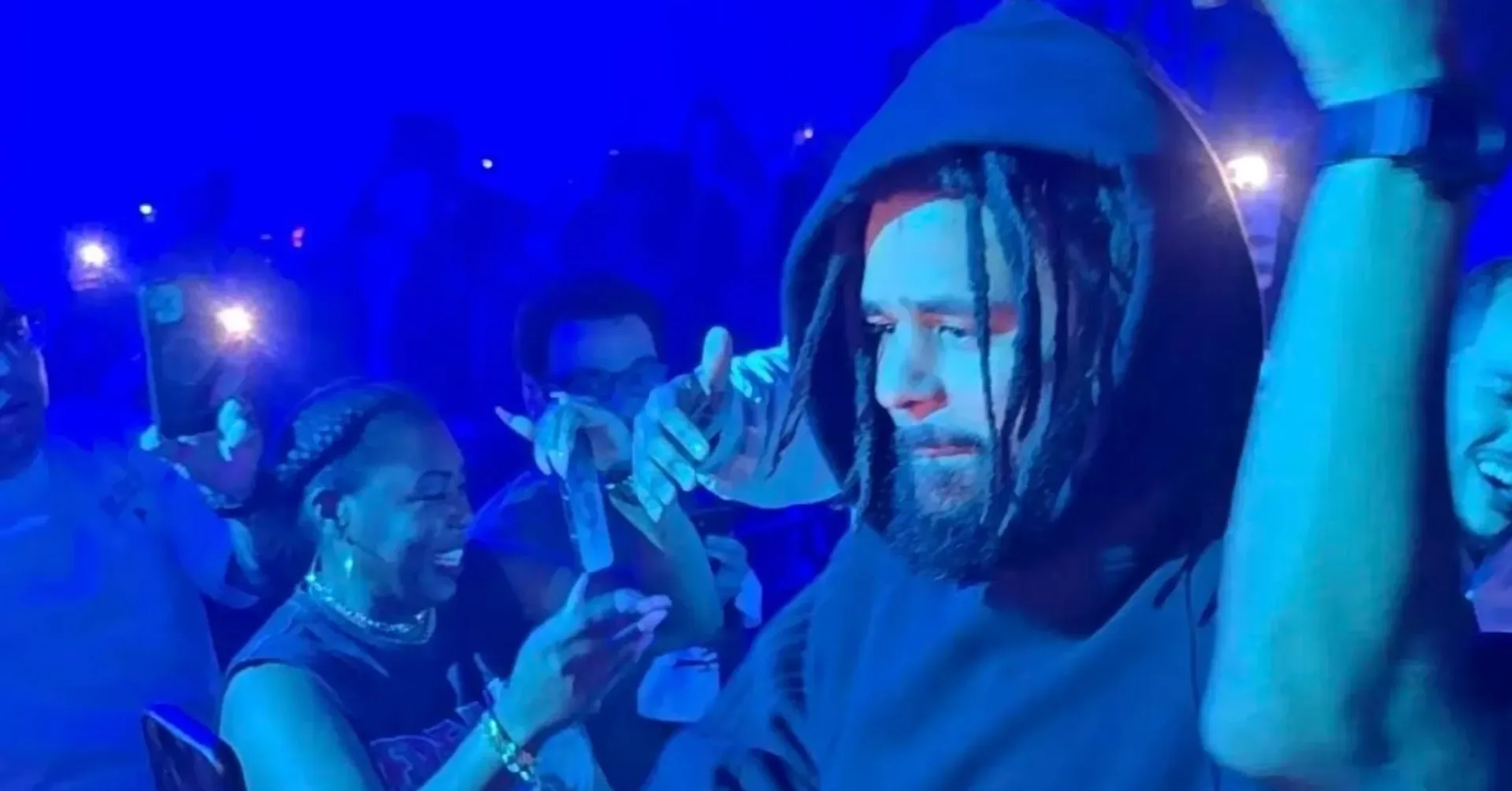
The dispute traces back to Mal’s reaction to a performance of Cole’s “Love Yourz” at an Ohio concert. Cole became emotional during the song, and Mal described the moment as “performative.” The available context, however, was especially sensitive: the family of a cancer patient whom Cole had met through the Make-A-Wish Foundation in 2017 was in attendance. Mal later apologized for that criticism.
“Love Yourz” is a particularly vulnerable song to turn into the center of a debate over authenticity. Its title and theme are closely associated with gratitude and appreciating one’s own life, so an emotional performance can invite a heightened reading from listeners. But emotional expression onstage is not easily reducible to a single explanation from the outside. In this case, the presence of the patient’s family supplied personal context that complicated the earlier reading of Cole’s reaction.
Mal’s latest account does not indicate that he and Hamad have had a direct conversation resolving the matter. He instead described a silent encounter in which they looked at one another and moved on. That is not proof of a permanent rift, nor does it establish Dreamville’s collective position. It is Mal’s interpretation of a brief, awkward public moment. Still, he clearly linked it to the broader fallout from his Cole commentary.
Why the encounter appears to have hit differently
On the podcast, Mal said he had not intended to disrespect Hamad or Cole. He called Hamad someone he considers cool and indicated he does not want their relationship to feel broken. He also said he understood why the situation might have become tense, adding that he needed to disengage rather than let an uncomfortable interaction escalate.
That is a more measured posture than treating a viral disagreement as a scoreboard. Public-facing music discussion often rewards the sharpest possible take, particularly when fans are already primed to defend an artist. Yet the people being discussed are connected through working relationships and friendships that do not disappear when a clip circulates online. In this instance, Mal’s response recognizes that a criticism directed at Cole can be received by Dreamville’s wider circle as criticism of someone they support personally and professionally.
It is also worth distinguishing between an apology and a full retraction. An apology can acknowledge that a judgment was unfair, insufficiently informed, or needlessly hurtful without requiring a commentator to abandon their entire approach to critique. Mal said he stands by what he says generally, but the reported remorse here is specifically tied to how this situation affected his rapport with Hamad.
Dreamville’s role in the story
Dreamville is not merely a fan label attached to J. Cole; it is the organization co-founded by Cole and Hamad. That makes Hamad’s reported presence central to why Mal sees this as more than a disagreement over a single clip. A label president and cofounder occupies a practical leadership role, but the account here also points to a relationship built over time. Mal said that history is why their silence felt significant.
Nothing in Mal’s comments confirms an official Dreamville response or says that Hamad directly confronted him. The key factual point is narrower: Mal says he encountered Dreamville personnel, including Hamad, in Los Angeles, perceived them as upset, and took the lack of a greeting as connected to his remarks about Cole.
For audiences, that restraint is useful. It is easy for a secondhand retelling to transform an awkward non-conversation into a declared feud. There is no need to do that. The reported incident is meaningful precisely because it was subdued: no public confrontation, no quoted response from Hamad, and no announced reconciliation—just a reminder that criticism can linger after its original news cycle ends.
Criticism, context and the limits of a quick read
The episode also offers a straightforward lesson about context. Calling a performance “performative” generally means suggesting that an emotion or gesture was presented for effect rather than arising sincerely. It is a loaded criticism because it challenges the authenticity of the person expressing that emotion, not simply the quality of a show.
When a performance has personal circumstances behind it, an observer making that claim without the full context can wind up judging a private experience from a public fragment. That does not mean music commentary must be uniformly flattering or that artists are beyond criticism. It means the confidence level of a judgment should match the evidence available at the time.
The tension is amplified in rap culture, where debates about loyalty, sincerity, competition and public posture can become intensely personal. Cole has also remained a frequent subject of conversation following criticism related to the Kendrick Lamar and Drake battle. Mal has been among the voices weighing in over the years, though he has also offered praise for Cole’s The Fall-Off tour.
That broader setting helps explain why a single comment about “Love Yourz” did not exist in isolation. Listeners may view it as part of an ongoing record of commentary, while Mal appears to view the Los Angeles interaction as the first time he directly felt the interpersonal cost of that record.
What happens next is still open
There is no indication of a formal sit-down between Mal and Dreamville, and Mal did not claim that one has been arranged. His remarks instead point toward a desire to avoid further hostility and restore basic respect with Hamad. Whether that becomes a private conversation or simply fades with time remains unknown.
The immediate story is not a confirmed breakup between Mal and Dreamville. It is an admission of regret from a commentator who says his words created an uncomfortable distance with someone he respected. In an era when disagreement is often packaged as entertainment, that is a notable wrinkle: the loudest argument may be online, but the consequence can show up quietly when two people who once said hello no longer do.
For more on the competitive context that has surrounded recent rap discourse, see our coverage of Kendrick Lamar’s Grand National Tour and its reported commercial milestone.