Raleigh could have a major spring music festival on its calendar again in 2027, but the prospect remains at the permitting stage. Organizers associated with Dreamville have filed an application for a possible event at Dix Park on April 3-4, 2027. City approval is still pending, meaning the dates are proposed rather than confirmed.
The filing is nonetheless meaningful movement after Dreamville’s farewell edition. It points to a potential successor event built by people connected to the festival operation, while leaving several of the biggest questions unanswered: the festival’s name, its artist lineup, its ticketing plan and whether it will ultimately move forward. Fans should be careful not to read a permit application as a completed announcement.
What the proposed dates mean
The requested April 3-4 weekend would place the potential festival in the same spring period long associated with Dreamville’s Raleigh run. That matters for both the event’s identity and its practical footprint. A large, destination-scale festival needs more than performers and stages; it needs city coordination, park preparation, public-safety planning, transport arrangements, vendors and nearby hospitality capacity.
In this context, a permit application is an early but concrete administrative step. It is a request to use a site and operate an event under city oversight. Approval is not automatic, and it does not itself establish a final bill, capacity sold, or the exact format attendees would see. The available information supports a possible festival, not a confirmed return of Dreamville Festival under its former branding.
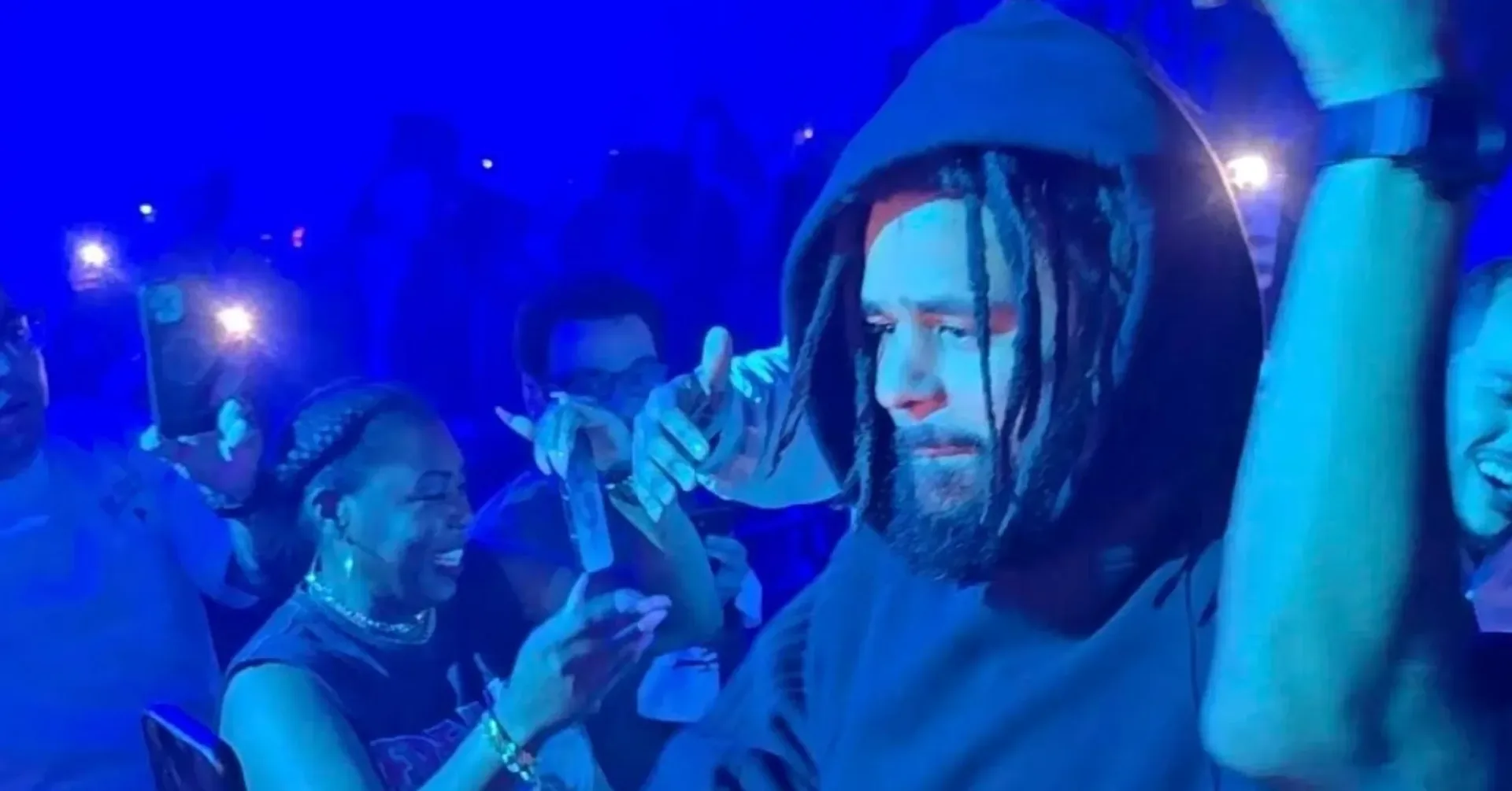
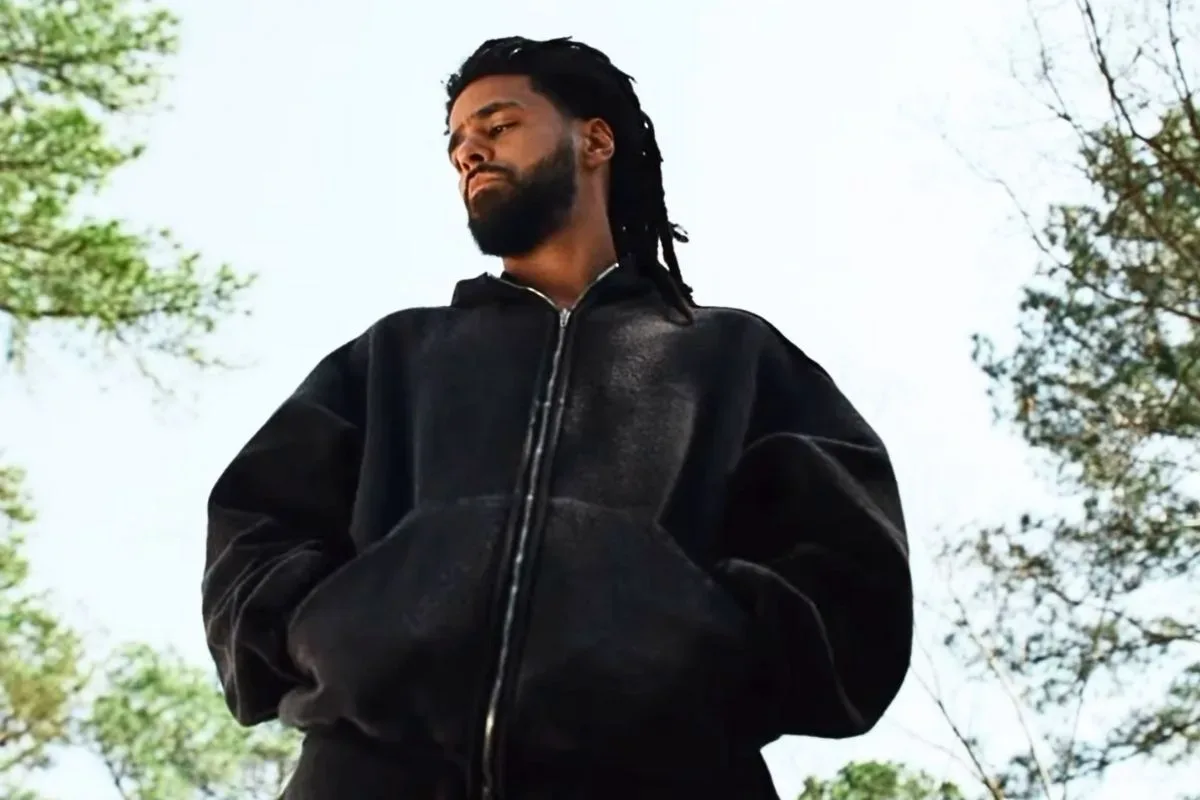
That distinction lines up with the direction communicated around the final Dreamville weekend. J. Cole indicated that the community feeling behind the gathering could continue even if the branding changed. The new application appears consistent with that possibility: continuity in the people and place does not necessarily mean an identical event.
An agreement creates room, not an annual obligation
Raleigh and ScoreMore have an agreement allowing April festivals through 2029. ScoreMore is the live-events company that partnered with Dreamville on the original festival and is a Live Nation subsidiary. The arrangement gives organizers a route to keep staging festivals in the city during that period, but it does not compel them to produce one every year.
That point is important when interpreting the 2027 proposal. The agreement establishes permission in principle for an April festival framework, while the permit filing concerns a specific possible event. One is a longer-term municipal arrangement; the other is the next operational decision. The latter still requires city approval.
The agreement also lays out annual fees: $125,000 for one festival, or $225,000 for two consecutive festivals. These figures are city fees in the agreement, not ticket prices, artist budgets, or a forecast of the eventual event’s total costs. They show that the city has placed a defined value on reserving and managing the festival opportunity, while other expenses involved in producing an event have not been detailed here.
Related coverage includes Dreamville Team Seeks Permit for Possible Raleigh Festival in April 2027.
Why Dix Park’s festival future carries weight
The original Dreamville event established a sizable draw for Raleigh. The city said prior editions brought in more than 100,000 guests in total, and the 2024 edition attracted visitors from all 50 states as well as multiple countries. Those figures help explain why the prospect of a successor is bigger than a question of who headlines a stage.
For a city, visitors arriving from outside the region can affect restaurants, bars, retailers, hotels and other local businesses over a concentrated weekend. Raleigh’s reported economic-impact figure for the 2024 event was $145.9 million. Economic impact is a measure of activity attributed to an event; it should not be treated as the same thing as direct profit, city revenue, or money distributed evenly among local businesses. It does, however, illustrate the scale at which a festival can affect a host city.
Businesses felt the absence of the usual festival weekend after Dreamville’s farewell. One local bar manager projected a 30% sales deficit, while local retailers also expressed interest in seeing the crowds return. A prospective 2027 festival therefore has an immediate local-business angle alongside the cultural one. For businesses that plan staffing, inventory and events around spring traffic, confirmation timing may be nearly as important as the proposed dates themselves.
Capacity is substantial, but not a sales forecast
The city agreement allows a future festival to sell up to 52,500 tickets. That is a cap, not evidence that 52,500 tickets will be offered or sold for the proposed 2027 event. Final capacity can depend on the permitted layout and operational plan, among other event-specific decisions.
Still, the maximum allowed ticket count conveys the intended scale. An event approaching that level would require careful planning for entry lines, exits, crowd circulation, transportation and nearby commerce. Those logistics are central to why city review matters. The appeal of a large festival comes from the shared experience and the breadth of its programming, but the same scale places real demands on the park and surrounding city infrastructure.
For potential attendees, the current practical takeaway is straightforward: April 3-4, 2027 are dates to watch, not dates to buy around yet. There are no confirmed performers, no announced ticket tiers and no stated on-sale date in the available information. Travelers in particular should avoid assuming a trip is locked in until organizers and the city provide definitive confirmation.
The standard a successor would inherit
Dreamville’s final weekend left a formidable benchmark. During his closing set, Cole brought out Erykah Badu for “Too Deep for the Intro.” Lil Wayne’s appearance included reunions involving the Hot Boys and Big Tymers. The broader lineup included 21 Savage, Tems, GloRilla, J.I.D. and Ari Lennox.
Those moments explain why replacing a festival is not simply a matter of booking another two-day event. Dreamville was associated with high-profile collaborative moments, a diverse rap and R&B bill, and a clear tie between the event and its host city. Any successor would face expectations shaped by that legacy, even if it arrives with a new title and a different programming approach.
There is also a wider live-entertainment lesson in the permit: an event’s identity can outlast a particular name when the operational partners, local venue and community demand remain aligned. That does not guarantee that a new Raleigh festival will replicate Dreamville’s scale or cultural resonance. It does mean the essential ingredients for another major April gathering are being actively explored.
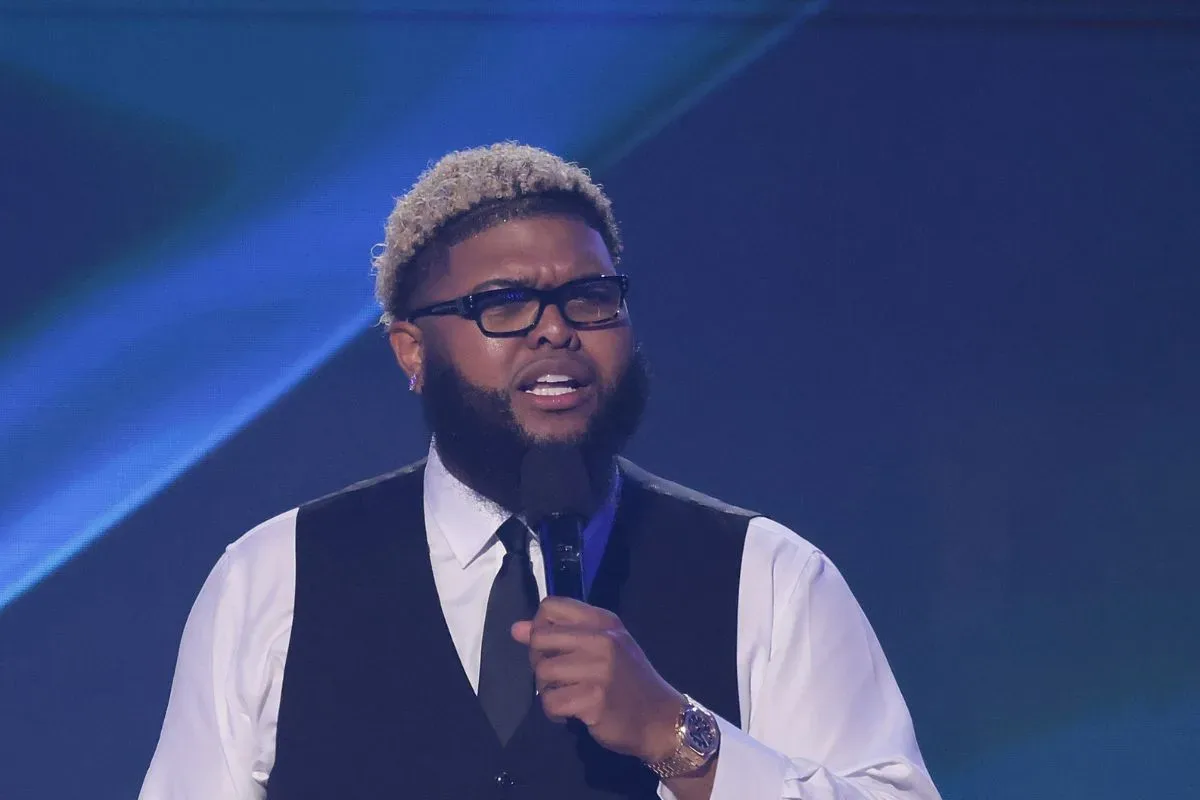
Large audience figures remain a notable measure of entertainment momentum, whether they come from a festival ground or a broadcast. For another recent example of how viewership can signal an event’s reach, see the report on Druski’s television-hosting audience.
What to watch next
- City action: The permit is pending, so approval or denial is the immediate decision to monitor.
- Event identity: It has not been established whether the proposed gathering would use Dreamville branding or a new name.
- Production details: A lineup, ticket information, operational schedule and attendance plan have not been announced.
- Local planning: Businesses and travelers will need final confirmation before treating the April weekend as a fixed commitment.
The application gives Raleigh’s spring-festival future a real date and a live administrative process. For now, that is the news: a possible successor is in motion for April 2027, but the event has not yet been approved or fully revealed.