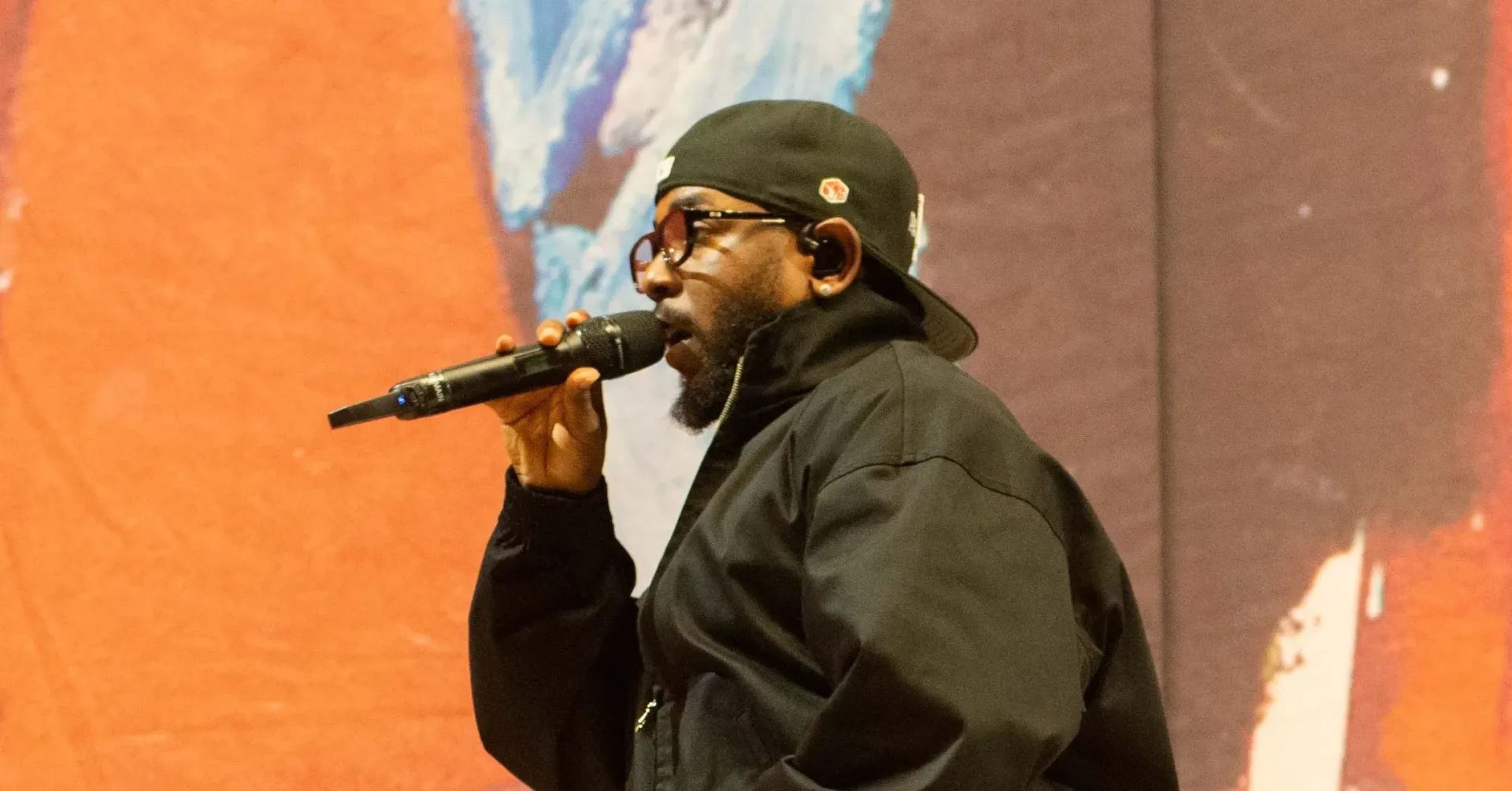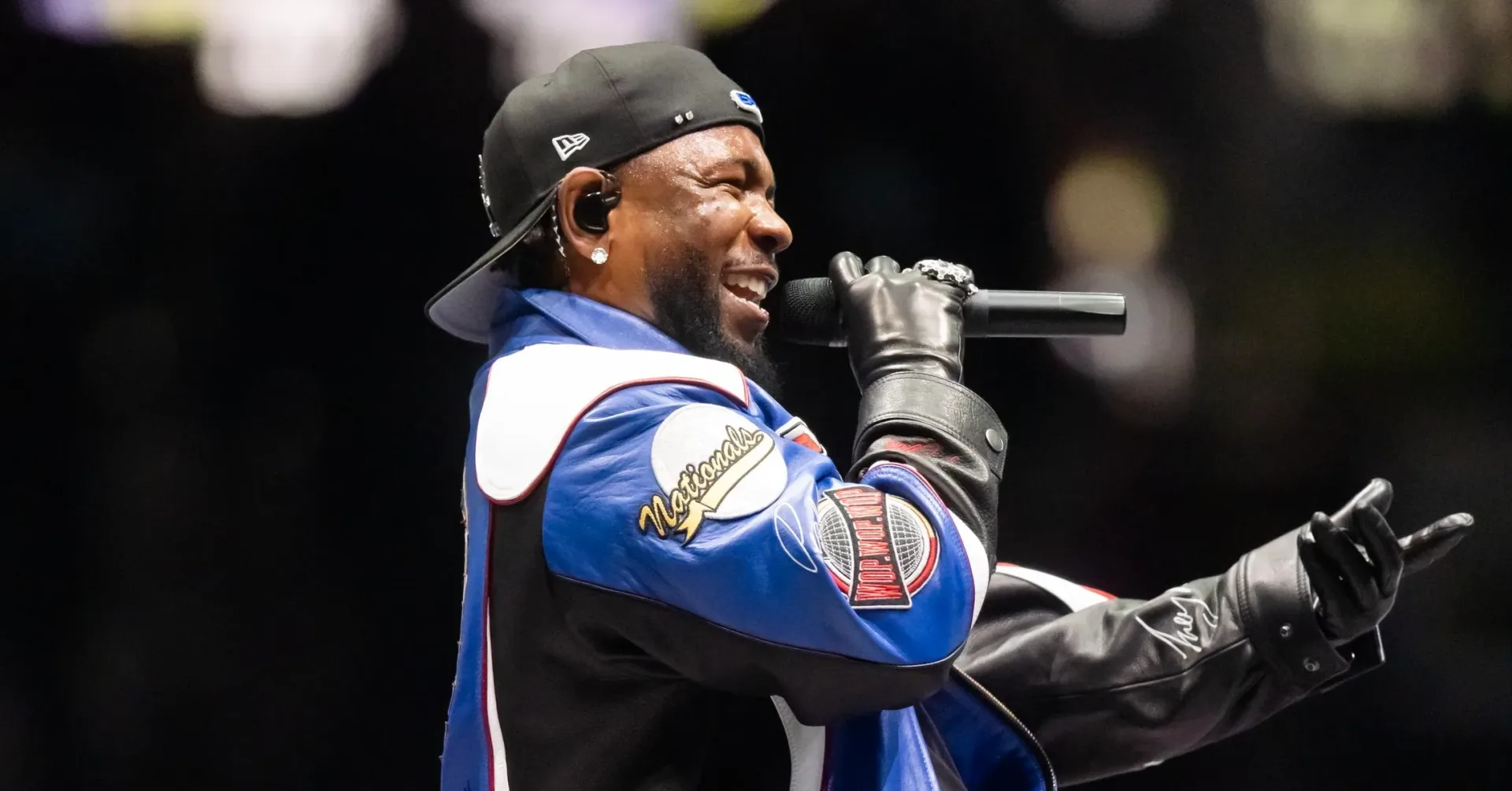
Kendrick Lamar’s Grand National Tour has reportedly delivered the highest-grossing year ever recorded by a rapper. Updated touring figures place the run at $390.7 million in gross revenue across 47 shows, with 2.037 million tickets sold.
The reported total incorporates dates in Australia and Latin America following the North American and European portions of the itinerary. The result is also said to make Grand National the highest-grossing rap tour in history, turning a major touring year into an unusually clear commercial landmark for the genre.
What the Grand National figures measure
Touring revenue and ticket sales describe related but different parts of a concert run. Gross revenue is the total money generated through ticket sales before the many costs associated with staging a large tour are taken out. It is not the same as an artist’s personal earnings or a tour’s profit.
Ticket sales, meanwhile, show the scale of attendance. Grand National’s reported 2.037 million tickets over 47 performances works out to an average of roughly 43,000 tickets per show. That average is an illustrative calculation from the reported totals, rather than a claim that every venue or market was identical. A global itinerary can contain different venue sizes, capacities and ticketing patterns from one stop to the next.
The $390.7 million gross similarly averages to around $8.3 million per date when divided across all 47 shows. That figure should be read as a broad tour-wide measure, not a standard price or guarantee for any individual concert. The Mexico City date, for example, is separately reported as a major high point in Lamar’s solo touring career.
Mexico City became a personal touring high
One Grand National concert in Mexico City reportedly set two personal records for Lamar: his highest-grossing solo concert and his most-attended solo concert. The performance brought in $5.879 million from 58,426 tickets.
That stop is notable because it gives the larger global total a concrete local example. The overall tour record rests on 47 dates across multiple regions, while Mexico City stands out as a single-show achievement in both money generated and tickets moved. It also reflects why the later Australia and Latin America dates matter to the final accounting: a tour’s record-setting totals can continue to rise after its initially prominent North American and European legs are complete.
The reported numbers do not establish why each market performed as it did, and they should not be used to infer a venue’s exact capacity, the composition of the crowd, or the costs of the event. They do establish the stated gross and ticket count, which are the key measures behind the new touring benchmark.
A huge 2025 run now has a full global tally
Grand National arrived during a particularly visible stretch for Lamar. The tour followed the attention surrounding “Not Like Us”, his Super Bowl Halftime Show appearance and the release of GNX. Those events formed the immediate backdrop for a tour that traveled well beyond one domestic market.
It is tempting to reduce an achievement of this size to any one song, album or appearance, but the figures describe a broader result: more than two million ticket sales spread across a multi-region schedule. The scale of the final count matters because it distinguishes a major cultural moment from a sustained global box-office performance.
For rap touring, the headline is not merely that an artist mounted a successful arena-scale production. The reported result sets a new top line both for a rapper’s grossing year and for a rap tour’s total gross. Those are overlapping records, but they are not quite the same claim. One concerns a rapper’s annual touring revenue; the other concerns the cumulative revenue attached to a particular tour.
Why “gross” needs context
Record-gross reports are useful shorthand for demand, yet they do not tell the whole business story. Gross revenue does not reveal the expenses tied to performers, crew, venues, transport, production, promotion, insurance or other parts of a global tour. Nor does it say what share ultimately flows to the artist, partners, promoters or other participants.
Still, gross is a meaningful comparison point when the same basic measure is used to assess different tours. In this case, the reported $390.7 million total places Grand National at the front of rap’s touring ledger by that metric. The 2.037 million-ticket figure provides a separate attendance-based indicator that the revenue result was tied to enormous reach rather than a tiny number of isolated dates.
For fans, the practical takeaway is simpler: this was not a record based solely on a single hometown event or one unusually lucrative weekend. It was built through a 47-show international itinerary, with the completed totals including the later Australia and Latin America performances.
What Lamar has done since the tour’s busiest stretch
While 2025 was packed with major Lamar activity, the current year has been quieter in terms of a new solo album announcement. There is no confirmed timetable for another Lamar album in the information available so far.
That does not mean he has disappeared from new music. He recently appeared on Jhené Aiko’s “So Good”, from her album Westside Whimsey, and on DJ Dahii’s track “How To Pray.” Features can keep an artist present in the release cycle without signaling that a full solo campaign is imminent, so neither appearance should be treated as proof of a release date for a new project.
There is also reportedly unreleased Lamar music connected to a film being developed with Dave Free and South Park creators Trey Parker and Matt Stone. The movie has been delayed again and currently has no release date. That leaves the material’s eventual timing and form uncertain. It is reasonable to separate the reported existence of music tied to the film from any assumption that it will be released independently or soon.
The delayed project sits within a busy wider screen-entertainment landscape, where development and casting plans continue to shift; for another recent film-and-TV update, see the news on Peter Sarsgaard joining Kenneth Branagh in Laird. In Lamar’s case, however, the only firm point is that the film has no date in sight after its latest delay.
The significance of the record
The Grand National Tour’s reported $390.7 million gross, 47-show count and 2.037 million tickets turn an already high-profile run into a measurable historical result. The Mexico City stop adds an individual-career milestone: $5.879 million and 58,426 tickets, both personal solo-concert highs for Lamar.
Those totals make the scale of the accomplishment clear without answering questions the numbers cannot answer. They do not forecast Lamar’s next album, resolve the release plans for his delayed film or reveal the profit left after a global production’s costs. What they do show is that, across North America, Europe, Australia and Latin America, Grand National reached a reported level of ticket demand and gross revenue no rap tour has previously matched.