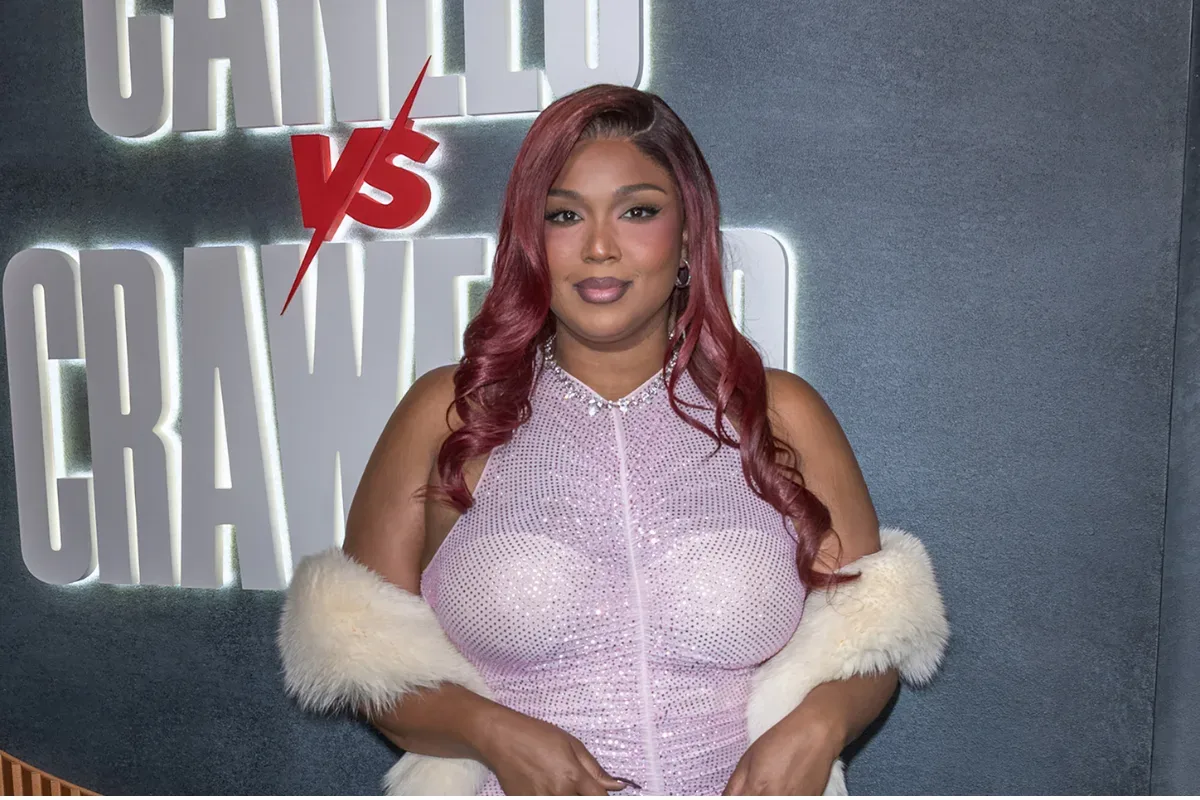
Lizzo used a Dolly Parton-inspired Halloween look to share a more personal story about their connection: an invitation to contribute flute to Parton’s Rockstar during what Lizzo described as a period when she felt broadly abandoned.
In an Instagram gallery, Lizzo said Parton asked her in 2024 to play flute on the album. Lizzo wrote that she accepted with one important condition: the credit would need to recognize Sasha Flute, the onstage flute persona closely associated with her work. Lizzo said Parton honored that request, and the post included an image of Lizzo with a guitar beside a framed album plaque.
The gallery followed a video in which Lizzo wore a yellow floral outfit and blonde wig evoking Parton’s visual world around “Jolene.” It was a Halloween tribute with a specific note of gratitude attached: Lizzo thanked Parton for choosing to see good in people during a hard stretch.
The credit on ‘Stairway To Heaven’
The official track listing for Parton’s Rockstar names both Lizzo and Sasha Flute on “Stairway To Heaven.” The dual billing matters because it distinguishes the performer, Lizzo, from the creative identity she has built around the instrument. Rather than treating the flute as a small anonymous session detail, the credit recognizes the character and performance brand Lizzo requested.
Rockstar was released on November 17, 2023. Parton later announced that it had received RIAA gold status on March 14, 2024. In recording-industry terms, an RIAA certification is a formal U.S. sales-and-streaming milestone. The plaque visible in Lizzo’s post therefore connects the collaboration to a project with a recognized commercial certification, not simply an informal musical exchange.
There is a timing wrinkle in Lizzo’s recollection worth stating plainly. The album arrived in 2023, while she placed Parton’s invitation in 2024. The available details establish that Lizzo and Sasha Flute are listed on the song and that Lizzo says the invitation came in 2024; they do not explain the recording, crediting, or plaque timeline beyond that. It is better not to fill that gap with assumptions about when the flute part was recorded or how the collaboration was arranged.
Why the Sasha Flute name is more than a novelty credit
Sasha Flute is not merely a nickname appended to a guest appearance. It is a defined public-facing persona tied to Lizzo’s musicianship and to the confidence-centered storytelling she has used in her creative work. Lizzo has also connected the character to her children’s book, which follows a young girl finding confidence and draws from Lizzo’s own life.
That context makes the requested credit understandable as an act of authorship and continuity. A collaborative album can bring together famous names, but credits also document who contributed and under which artistic identity. For an artist whose flute playing is a visible part of her performance vocabulary, having Sasha Flute named preserves that connection in the project’s public record.
Related coverage includes Lizzo Thanks Dolly Parton for ‘Rockstar’ Flute Credit During Difficult Period.
It also gives the post a quietly industry-specific dimension. Credits are not just decorative text on a track list. They are how collaborators are identified to listeners, archivists and future readers of an album’s history. In this case, Parton’s acceptance of Lizzo’s request is the element Lizzo chose to emphasize—not only that she was invited, but that the invitation made room for the identity she brought to the performance.
A tribute that carries a serious message
Halloween tributes can be playful, especially when they reference an instantly recognizable style. Lizzo’s floral outfit, blonde wig and guitar imagery clearly used Parton’s “Jolene” iconography as a starting point. But the accompanying text shifted the meaning from costume appreciation to a thank-you for support.
Lizzo framed that support against a time of intense scrutiny. In 2023, former employees filed two separate lawsuits containing allegations of sexual harassment, a hostile work environment and weight-shaming. Lizzo denied the allegations and contested the claims in court. Those are allegations and legal disputes, not findings that should be presented as established fact.
One of the matters involved wardrobe worker Asha Daniels and Lizzo’s touring company. Lizzo had already been dismissed personally from that case. In September, a judge dismissed the remaining claims in Daniels’ case against the touring company; Daniels’ attorney challenged the court’s weighing of evidence. That lawsuit is separate from the case involving three former dancers.
The distinction is important. Separate lawsuits can involve different plaintiffs, defendants, claims and procedural outcomes. A dismissal in one matter does not itself resolve another case, nor does a public statement about an emotionally difficult period answer the legal issues at stake. Lizzo’s post should be read as her personal account of what Parton’s gesture meant to her, while the litigation history requires its own careful, precise framing.
Public image, creative work and control
Lizzo has previously addressed the emotional pressure of living with a public image she feels she cannot fully direct. While discussing her children’s book in New York, she described needing to accept that a version of Lizzo now exists in the public sphere beyond her control. She also said she wanted attention to return to work she feels proud of, including the book and its confidence-focused themes.
That background adds weight to the Parton post without turning the collaboration into a claim about the broader legal situation. Lizzo’s message is narrower: at a moment she experienced as isolating, a respected collaborator asked her to make music and acknowledged the artistic name she considered essential to the contribution.
For audiences, there are two related but distinct stories here. One is the documented album credit on “Stairway To Heaven,” an example of how a collaborator’s creative identity can be preserved in a major release. The other is Lizzo’s personal account of receiving encouragement during public backlash. The Halloween imagery joins them effectively because it celebrates Parton’s cultural presence while spotlighting a specific act of professional recognition.
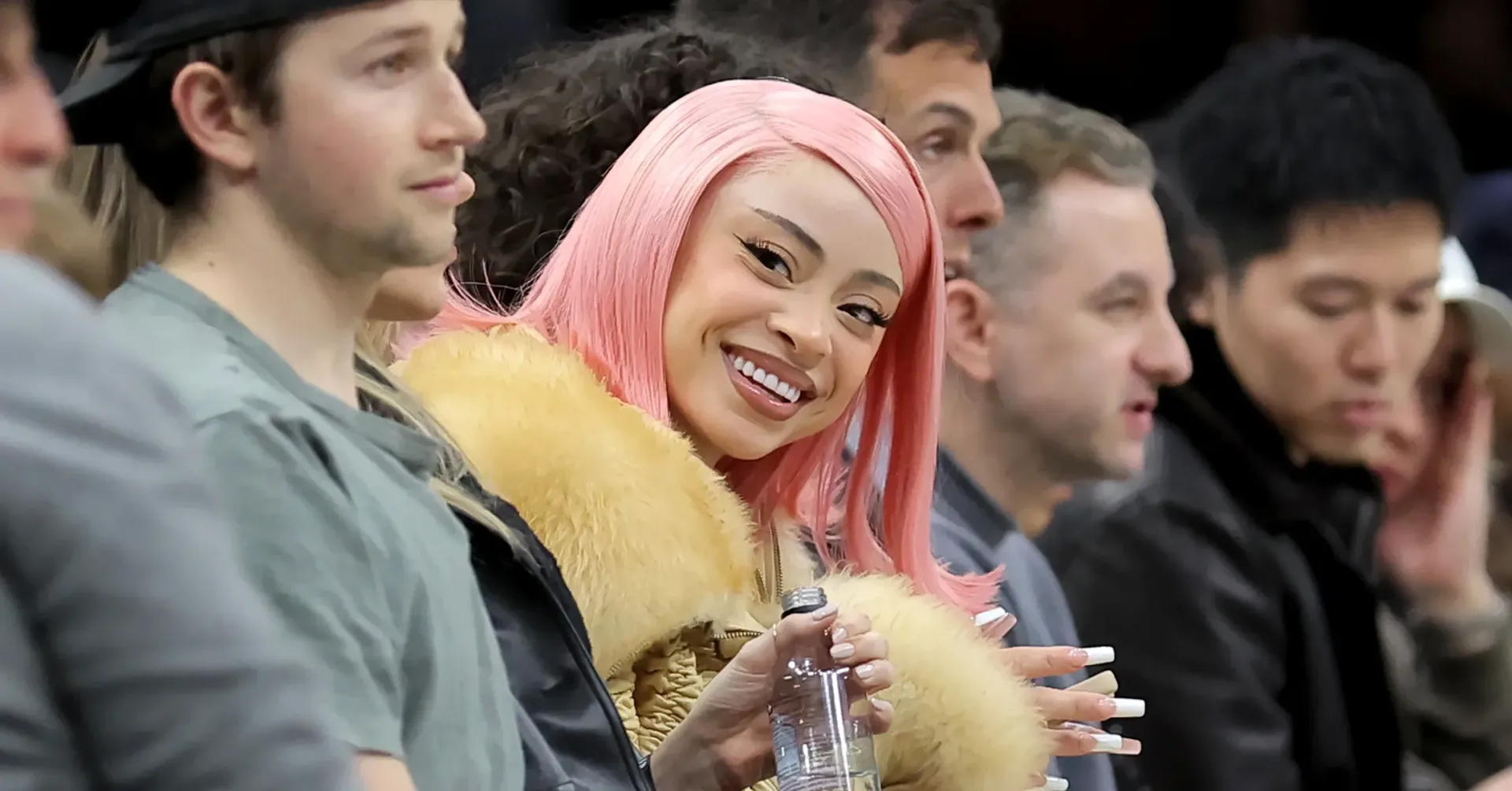
The post also arrives amid a wider run of celebrity Halloween references, including a SpongeBob-inspired Patrick Star look from Ice Spice. Lizzo’s tribute, however, uses the occasion less as a simple costume reveal than as a way to put a collaboration—and the credit attached to it—back in view.
What the post does and does not establish
- It establishes: Lizzo says Parton invited her to play flute; the Rockstar track list credits Lizzo and Sasha Flute on “Stairway To Heaven”; and Lizzo regards the credit as meaningful support.
- It establishes: Rockstar was released on November 17, 2023, and Parton announced its RIAA gold status on March 14, 2024.
- It does not establish: additional details about the recording session, the exact sequence behind the album credit, or any wider conclusion about the still-distinct legal matters discussed publicly.
Ultimately, Lizzo’s tribute is centered on a concise point: Parton made space for her musicianship and for Sasha Flute at a time Lizzo says that validation was especially significant. The framed plaque, “Jolene”-inspired styling and track credit turn that gratitude into a public record of a collaboration Lizzo clearly wants associated with both her name and her instrument.