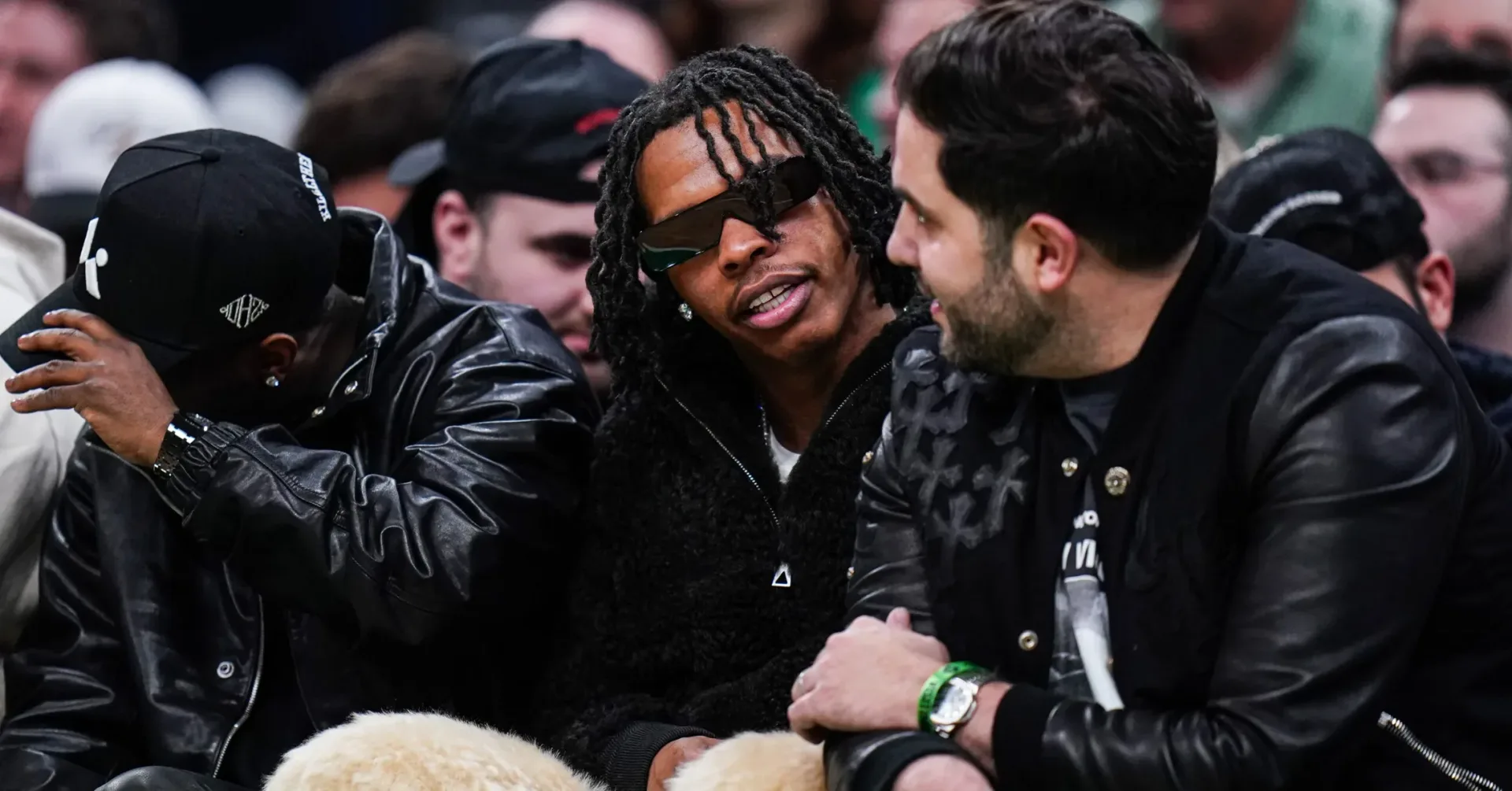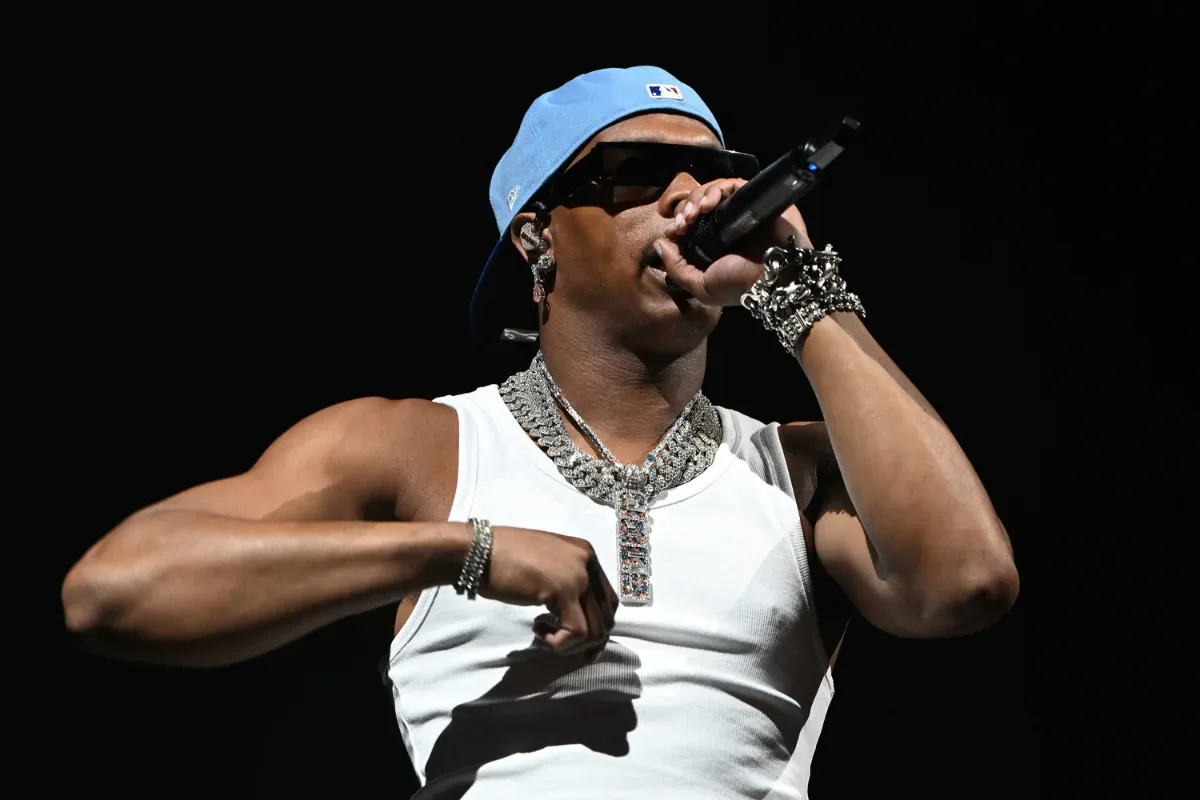
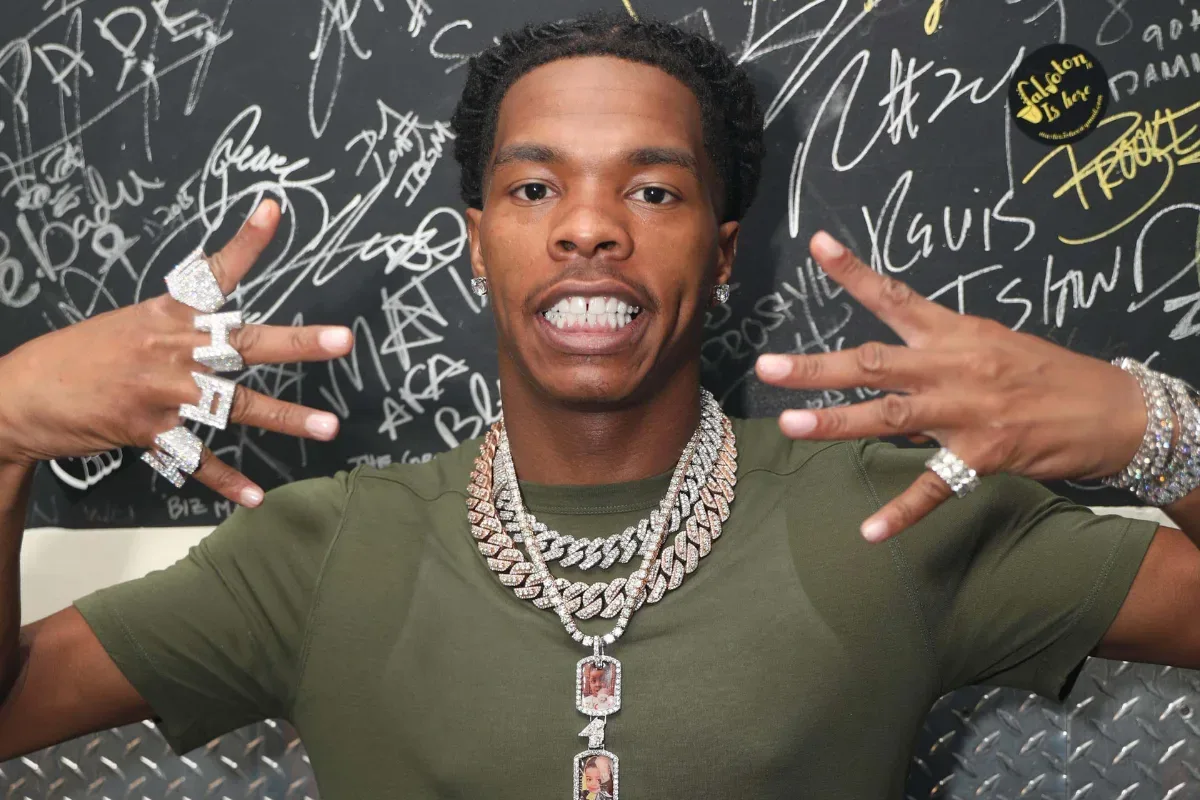
Lil Baby is speaking directly to people who feel voting cannot change much, because he says he used to feel the same way. In a recent Election Day conversation with Atlanta radio program Posted On The Corner, the rapper described a personal shift from skepticism to encouraging participation.
“Every vote counts and I was one of the people that actually believed that voting don’t do nothing for us,” Lil Baby said.
The point is not that he portrays political engagement as simple, automatic or something he always understood. Instead, his message centers on a change in perspective: as he got older and learned more about politics and the power of a community acting together, he came to believe participation matters.
That framing is significant because it starts with an obstacle many people recognize: distrust paired with a lack of accessible political education. Lil Baby is not asking listeners to pretend that skepticism never existed. He is explaining that his own skepticism was informed by what he did not know, then arguing that learning more altered the conclusion he reached.
A shift that began before this election message
This was not presented as a sudden Election Day conversion. In a 2022 election discussion, Lil Baby had already spoken about how a lack of instruction shaped his earlier outlook.
“I know people don’t understand, cause I never was taught this. It’s like we actually do have more power than we think.”
His emphasis then, as now, was on the gap between feeling powerless and understanding where influence can be applied. “Political education” here does not need to mean mastering every part of government at once. In the context of his comments, it means taking the time to learn what races are on a ballot, who is seeking office and how decisions can affect a community.
He specifically urged people to look into local races. That distinction matters. National elections often receive the most attention, but local races are the ones Lil Baby highlighted as potentially landing closer to home. His message is therefore not merely a broad celebrity endorsement of voting; it is an appeal to investigate the contests and decisions that listeners may see as more immediate.
Related coverage includes Lil Baby Explains Why He Changed His Mind on Voting.
He also stressed collective action. One vote is an individual act, while organized voters are a group acting around shared priorities. Lil Baby’s argument is that people may underestimate their leverage when they view themselves as isolated, rather than as part of a community capable of moving together.
Why his approach may connect with skeptical listeners
There is a major difference between telling disengaged people that they are wrong and acknowledging the reasoning that kept them disengaged. Lil Baby’s own account falls in the second category. He says he previously believed voting did not do anything “for us,” then describes education and a deeper understanding of community power as the reasons his position changed.
That does not erase the skepticism being discussed. Rather, it treats it as a starting point for research and participation. The practical implication of his comments is clear: people who doubt voting’s value can begin by learning about nearby races and considering how shared turnout can matter, instead of assuming the result before looking into it.
His willingness to describe the change publicly is also part of the message. Lil Baby has said he hopes it can encourage people who are now where he once was. The value of that approach is not expertise being claimed on behalf of every voter. It is identification: a listener who has felt politically disconnected may hear an experience that resembles their own.
What “local” means in this conversation
Lil Baby’s focus on local races is an important piece of the story, even without attaching it to any particular contest or candidate. Local politics refers broadly to elections and civic decisions closer to a person’s city or community than national campaigns. His argument is that those races warrant research precisely because their effects can feel closer to day-to-day life.
For listeners taking his advice, the essential first step is information. Find out which races are taking place, identify the candidates and understand the issues being decided. That is a more grounded version of civic engagement than treating voting as a purely symbolic gesture. Lil Baby’s larger point is that knowledge can change how people assess their own ability to influence outcomes.
Community work provides the backdrop
The voting message also fits with the stated direction of Lil Baby’s community work in Atlanta. On October 17, he said he wanted his nonprofit giving to move toward jobs and school systems after years of giveaways. He has already supported a $150,000 scholarship fund, while describing the newer direction as an effort to create longer-term support.
The distinction is central to how he is presenting that work. Giveaways can address an immediate need. Support connected to employment and schools is intended to build sustained opportunity. The available details do not outline a complete program or its future timetable, but they do establish the priorities Lil Baby has identified: jobs, education and durable support rather than one-time assistance alone.
His education efforts were especially visible in July, when Lil Baby’s Back to School Fest helped more than 4,000 Atlanta students prepare for a new school year. Speaking about that event, he tied the work to his relationship with the city and to the importance of having the right materials for the future.
“Giving back to my city is everything. You need the right tools to build your future.”
That statement concerned students and school supplies, not an election. Still, it helps explain the local lens running through his public comments. The same attention to practical resources, schools and Atlanta communities also informs why he is emphasizing political participation closer to home.
It is worth keeping the two ideas separate while recognizing their shared direction. Philanthropy is not voting, and an artist’s charitable work is not a substitute for civic participation. Lil Baby’s message links them through a broader belief in local investment and in people having tools to shape their futures—whether those tools are school materials, opportunities connected to jobs or information about an election.
From cultural voice to a civic prompt
Artists often reach audiences that may not seek out formal political coverage, and Lil Baby is using that reach to describe an evolution rather than issue a detached instruction. The recent interview does not identify candidates, endorse a party or lay out a policy platform. It focuses on a narrower proposition: voting matters, local races are worth researching and communities can carry more influence when people act together.
That makes the message less about claiming every answer and more about challenging a familiar assumption. Lil Baby says he once dismissed voting’s impact. He now believes that conclusion changed once he had more information about politics and community leverage.
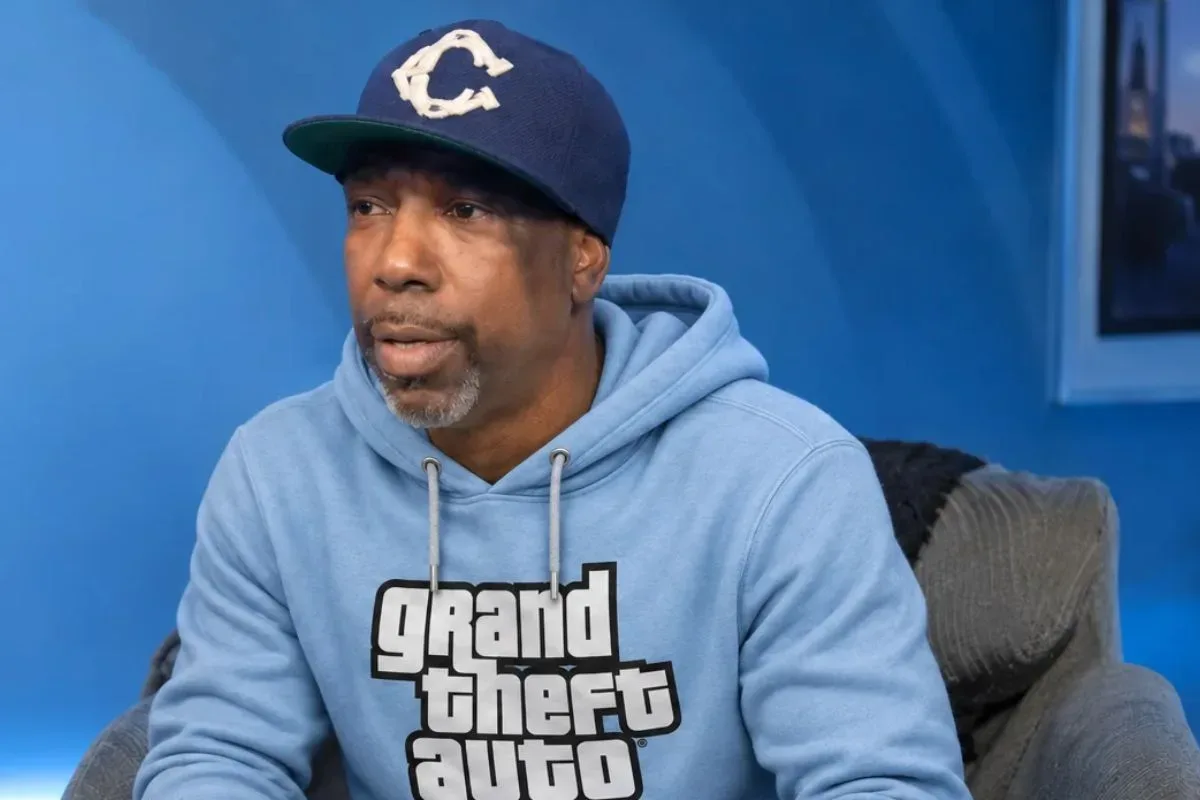
For Joking Joystick readers accustomed to seeing how music carries across interactive culture, MC Eiht’s reflections on GTA: San Andreas reaching a new generation offer another example of artists discussing how cultural platforms can broaden an audience. Lil Baby’s current point is different: he is using his platform to make a civic appeal aimed at people who have written off the process.
His stance remains rooted in personal experience. He does not say he was always politically engaged, and that honesty is the foundation of the appeal. By explaining why he changed his mind, he is asking skeptical listeners to reconsider whether learning more—especially about local races—might change theirs too.