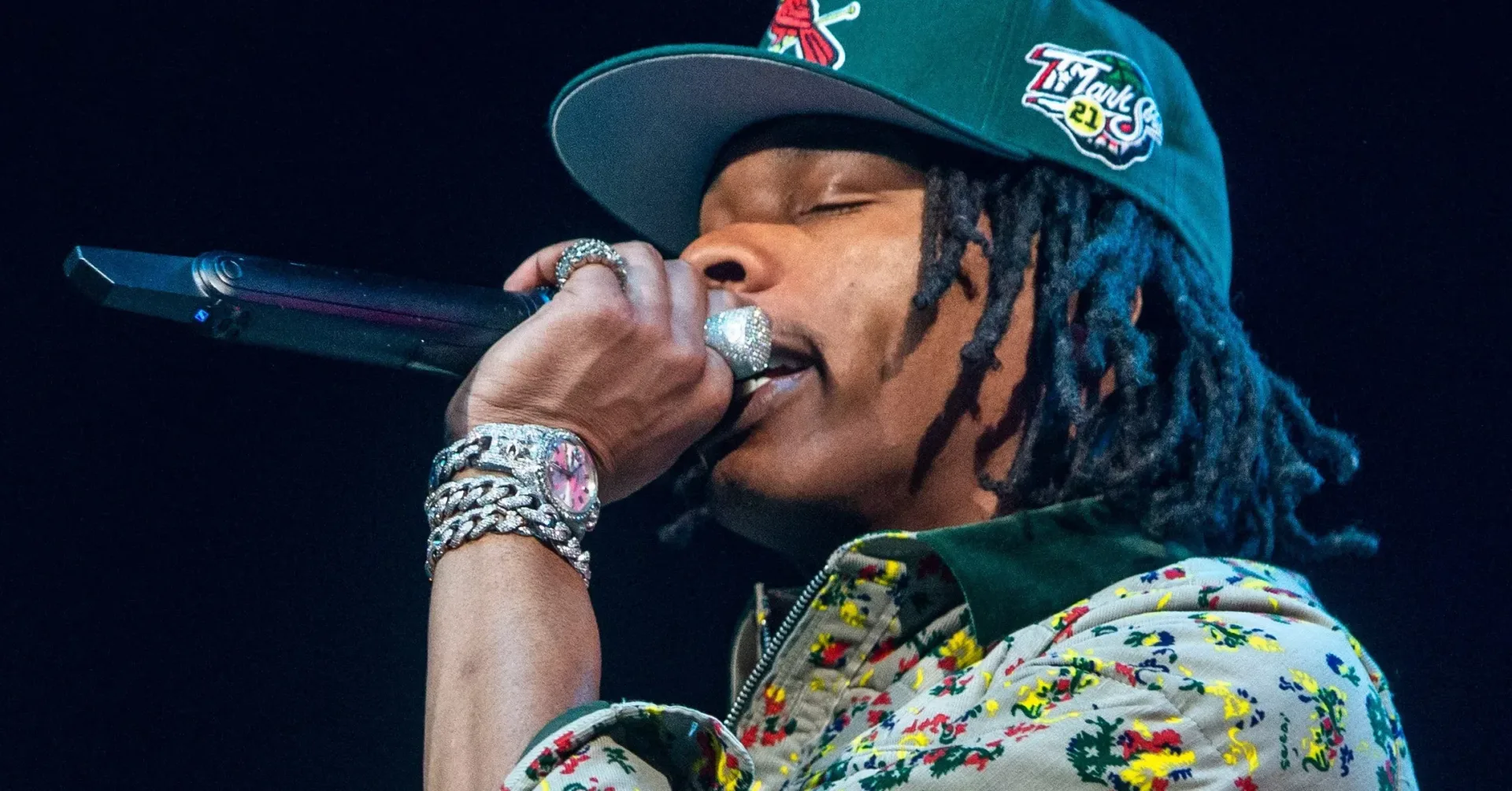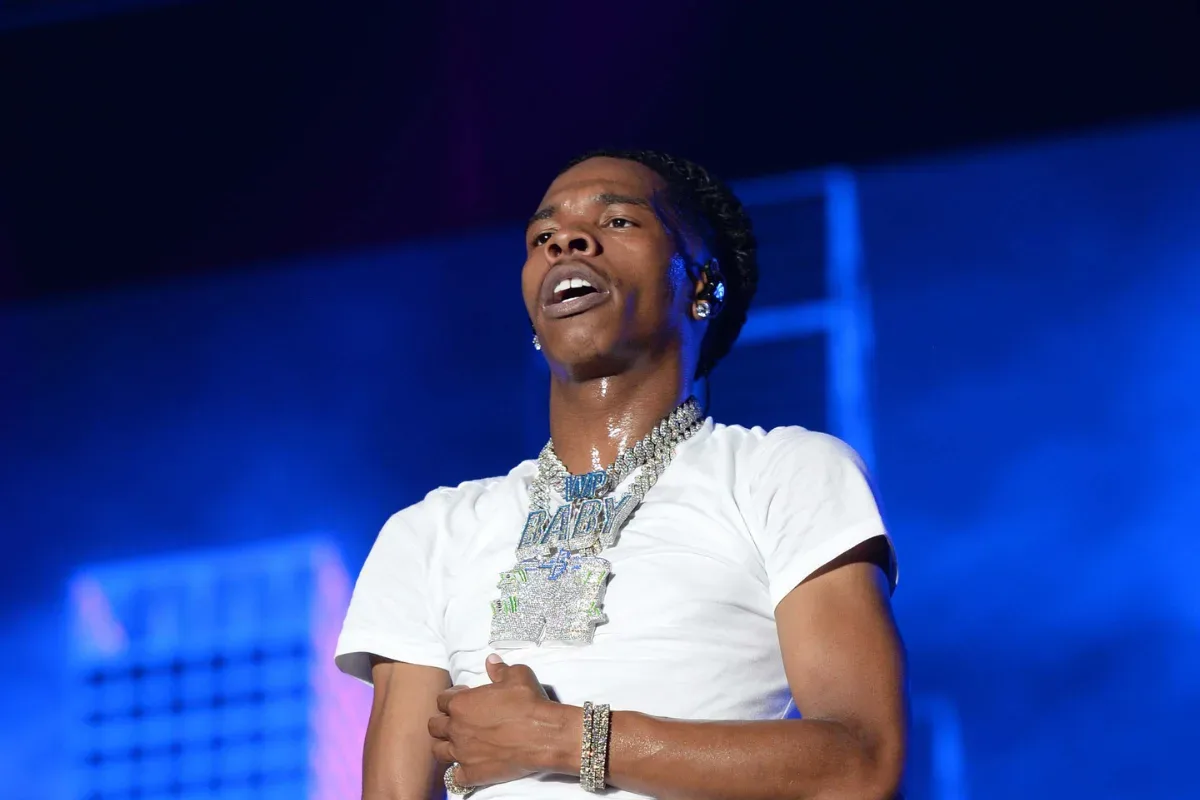
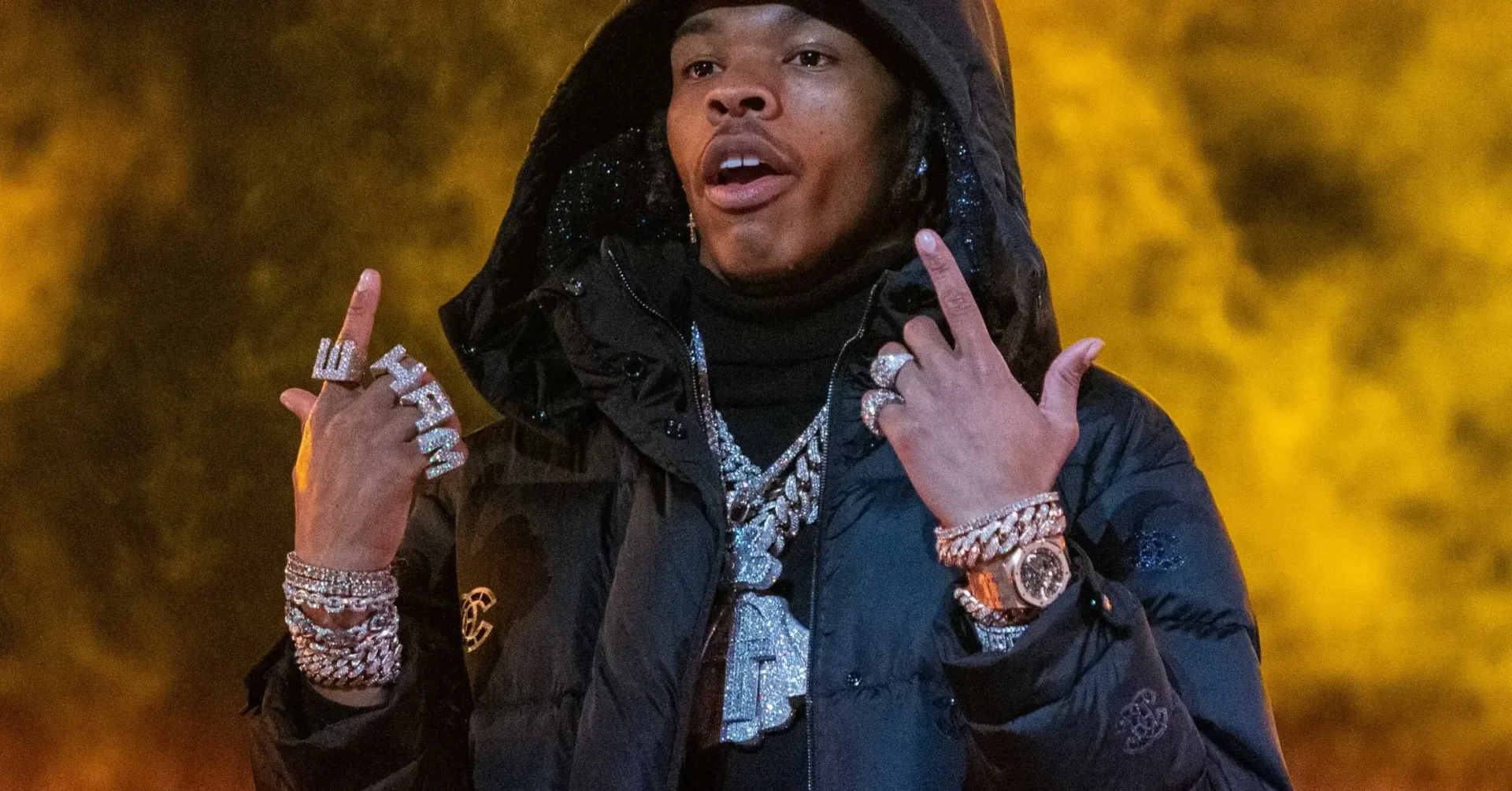
Lil Baby’s new album FRESH reportedly earned roughly 6.1 million Spotify streams in its first full day, an early figure that has immediately intensified online debate around the project. The total is notably below the reported day-one Spotify results for 2025’s WHAM, at 16 million, and 2022’s It’s Only Me, at 23.6 million.
Those comparisons are straightforward enough to generate headlines, but they do not settle the question of how FRESH is performing—or how the record will ultimately be received. The project has also held a prominent position near the top of Apple Music’s United States chart, which points to meaningful listening activity outside Spotify. It is a useful reminder that platform-specific numbers and a broader commercial outcome are related, but not interchangeable.
For an artist with Lil Baby’s profile, an opening-day tally becomes a public referendum unusually fast. Fans, critics and detractors often turn one number into a sweeping judgment on relevance, quality and career trajectory. That is a very large conclusion to draw from a very narrow snapshot.
What the reported Spotify breakdown says
The reported 6.1 million figure works out to an average of approximately 356,000 Spotify streams per track across the album. Averaging can help describe an album’s overall spread, but it also smooths out the difference between a breakout song and the deeper cuts that listeners may reach later.
At this early stage, “Mr. Do Something” is reported as the top-performing non-prereleased song on the tracklist, with about 882,000 Spotify streams. “All My Partnas,” featuring Rylo Rodriguez, Future and Young Thug, follows with around 571,000. The previously released single “Dead Fresh” is excluded from that new-track comparison.
That distinction matters. A prerelease single has had a different amount of time to accumulate plays than songs unveiled with the full album. Separating it from the fresh material is a cleaner way to identify which new tracks listeners initially selected after hearing the complete release.
It also highlights two different kinds of early interest. “Mr. Do Something” appears to be drawing the strongest initial response among the newly available solo material, while “All My Partnas” brings together several established rap names. Features can help make a track an early destination for curious listeners, but the available figures do not establish why any song is being played more than another. They simply show where the first-day attention has landed.
Why first-day streams are only one measurement
A first-day stream count is exactly what it sounds like: the number of plays registered on one service during an album’s first full day. It can show the size and urgency of an initial audience on that service. It cannot, on its own, reveal whether listeners will keep returning, whether a particular track will grow later, or how an album is performing across every listening platform.
In this case, the contrast between Spotify’s reported opening figure and FRESH’s strong Apple Music U.S. positioning is the central context. One measure suggests a lower Spotify launch than Lil Baby’s two cited prior full-length releases. The other suggests that the album is still finding substantial traction with Apple Music listeners in the United States.
Neither metric cancels out the other. Spotify and Apple Music are separate services with separate audiences and charts. Treating a Spotify total as though it captures every listener would leave out an important part of the picture; treating a high placement on one chart as proof of an all-platform result would be similarly incomplete.
That does not make the Spotify comparison meaningless. WHAM and It’s Only Me both reportedly opened substantially higher on Spotify, and both reached No. 1 on Billboard. The gap gives observers a clear benchmark for the immediate launch of FRESH. What it does not provide is a final Billboard result, a long-term streaming trajectory or a definitive artistic verdict.
The comparison with WHAM is especially charged
The conversation around FRESH is not occurring in a vacuum. Lil Baby has publicly pushed back against negative comments surrounding the album, while the project has divided parts of his fanbase. That makes every commercial update feel like evidence in an argument that was already underway.
WHAM is a particularly loaded point of comparison. It had the stronger reported Spotify first day, yet reactions described around that release were broadly more disappointed. FRESH, by contrast, is being framed as more polarizing: it has split listeners rather than produced one uniform response. Polarization is not automatically a victory, but it does mean the album is producing a more active disagreement about its direction.
The mention of The Leak$ adds another layer. It has been characterized as a release aimed more squarely at committed listeners. Taken together, these releases suggest that Lil Baby’s audience is not responding to each project in exactly the same way, nor is every project serving the same role for that audience. The available information is not enough to explain the causes, but it is enough to caution against reducing the discussion to a single day’s Spotify count.
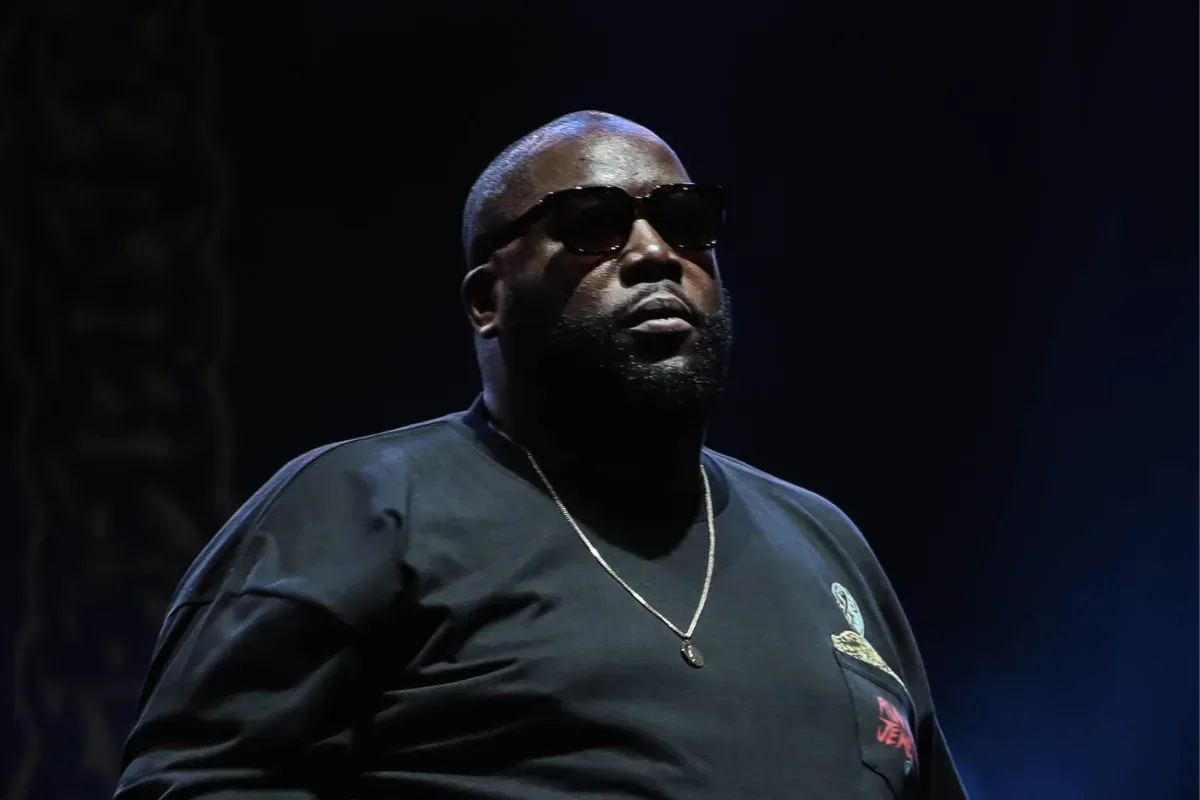
Hip-hop’s wider cultural reach also extends well beyond the statistics attached to a single release cycle. For another example of the genre intersecting with public life and community organizing, see Killer Mike’s Georgia victory-night message.
What could change from here
Early totals are not permanent rankings. The lead track can shift as listeners spend more time with an album, share favorites and revisit songs. A late-rising track can alter the story around a project well after its opening day. Conversely, a sizable first-day result does not by itself guarantee enduring attention.
For FRESH, the immediate questions are practical rather than speculative: whether “Mr. Do Something” maintains its lead among the new tracks; whether “All My Partnas” gathers more momentum; whether the album’s Apple Music positioning sustains; and how its broader chart performance develops. Those are all outcomes that require more time than the first full day allows.
There is also a meaningful difference between commercial measurement and audience connection. Stream counts quantify plays, not the reasons behind them. They do not tell us whether listeners view an album as a step forward, whether it resonates with longtime fans, or whether its songs develop a life beyond release-week discourse. Those judgments emerge more gradually and are not reducible to any one dashboard.
At present, the defensible reading is limited but clear: FRESH began below Lil Baby’s cited recent Spotify benchmarks, while maintaining a significant Apple Music U.S. presence. That is a mixed early signal, not a final result. It leaves room for the album’s individual songs, continued platform activity and eventual chart performance to reshape the conversation.