The latest Latina Powerhouse 100 selection puts a broad cross-section of entertainment talent in the spotlight ahead of its Nov. 2 gala in Miami. Thirty people appear in the Entertainment group, a roster that moves across acting, music, television, digital media and executive leadership rather than treating entertainment as a single, narrow lane.
Among the names included are Xochitl Gomez, Mariana Treviño, Inde Navarrette, Genesis Rodriguez, Leslie Grace, Bella Thorne, Sofia Carson, Melissa Barrera, Kenia Os, Aymée Nuviola, Adria Arjona and Natalia Jiménez. The complete Entertainment selection also includes MŌRIAH, Javiera Balmaceda, Carmen Villalobos, Lele Pons, Adamari López, Joaquina, María José, Nella, Erika Ender, Camila Fernández, Ela Taubert, Aislinn Derbez, Maritere Castellanos, María Alejandra Requena, Luz María Doria, Amirah Vann, Andrea Meza and Evaluna Montaner.
That is a meaningful framing for an industry list. Recognition programs often focus attention on a single visible role, usually the performer in front of a camera. Here, the group covers entertainers whose work reaches audiences in different formats and through different parts of the media ecosystem. Film and television actors sit beside recording artists, television personalities, digital creators and media figures. The result is less a ranking of one kind of success than a snapshot of the many ways a public career in entertainment can take shape.
A 30-name Entertainment lineup
The Entertainment honorees are:
For more context, explore Unofficial Diablo Port Brings 16 Dungeon Floors and Four-Player Co-Op to Game Boy Advance.
- Xochitl Gomez
- Mariana Treviño
- Inde Navarrette
- Genesis Rodriguez
- Leslie Grace
- Bella Thorne
- Sofia Carson
- Melissa Barrera
- Kenia Os
- Aymée Nuviola
- Adria Arjona
- Natalia Jiménez
- MŌRIAH
- Javiera Balmaceda
- Carmen Villalobos
- Lele Pons
- Adamari López
- Joaquina
- María José
- Nella
- Erika Ender
- Camila Fernández
- Ela Taubert
- Aislinn Derbez
- Maritere Castellanos
- María Alejandra Requena
- Luz María Doria
- Amirah Vann
- Andrea Meza
- Evaluna Montaner
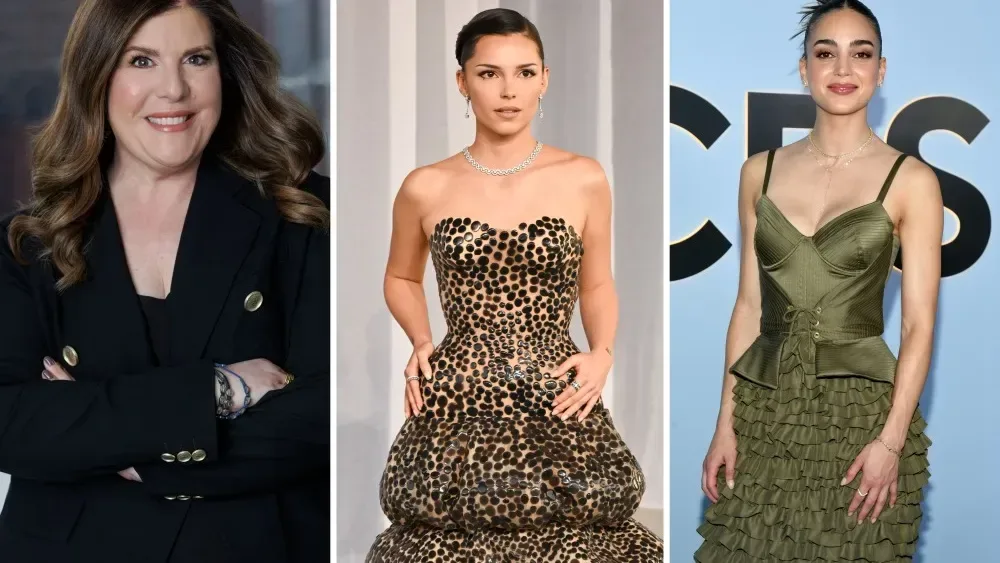
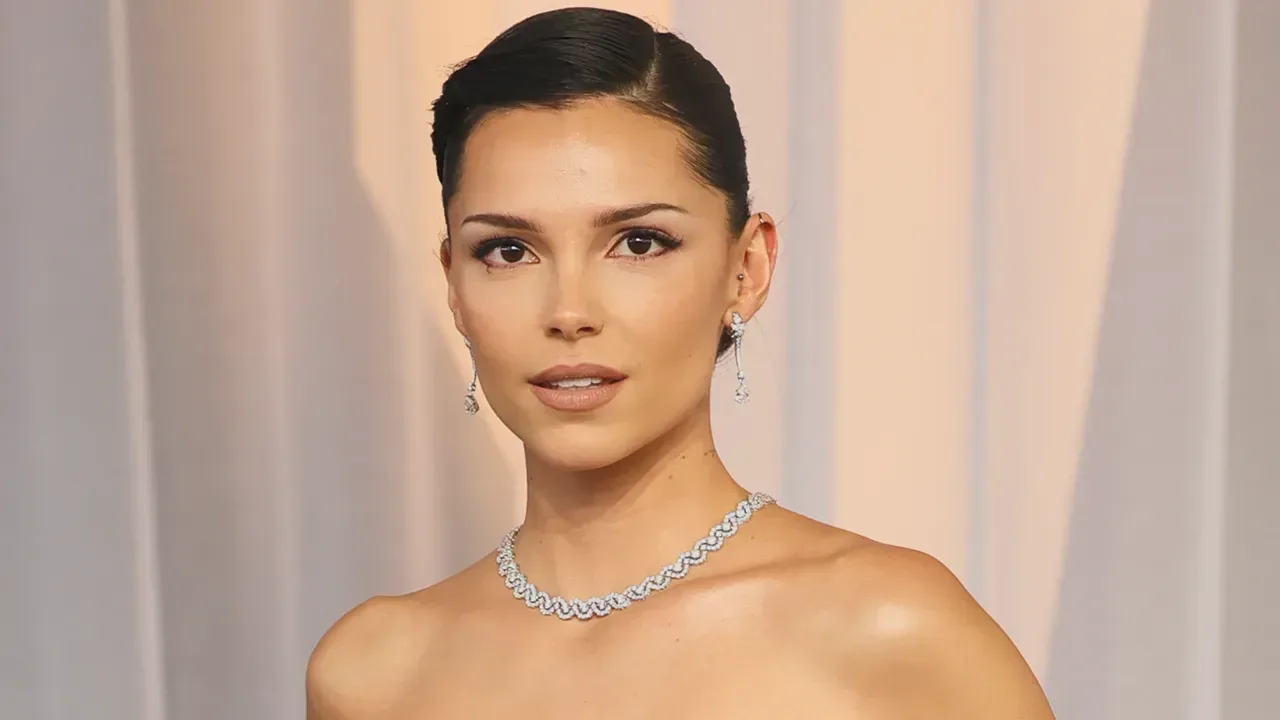
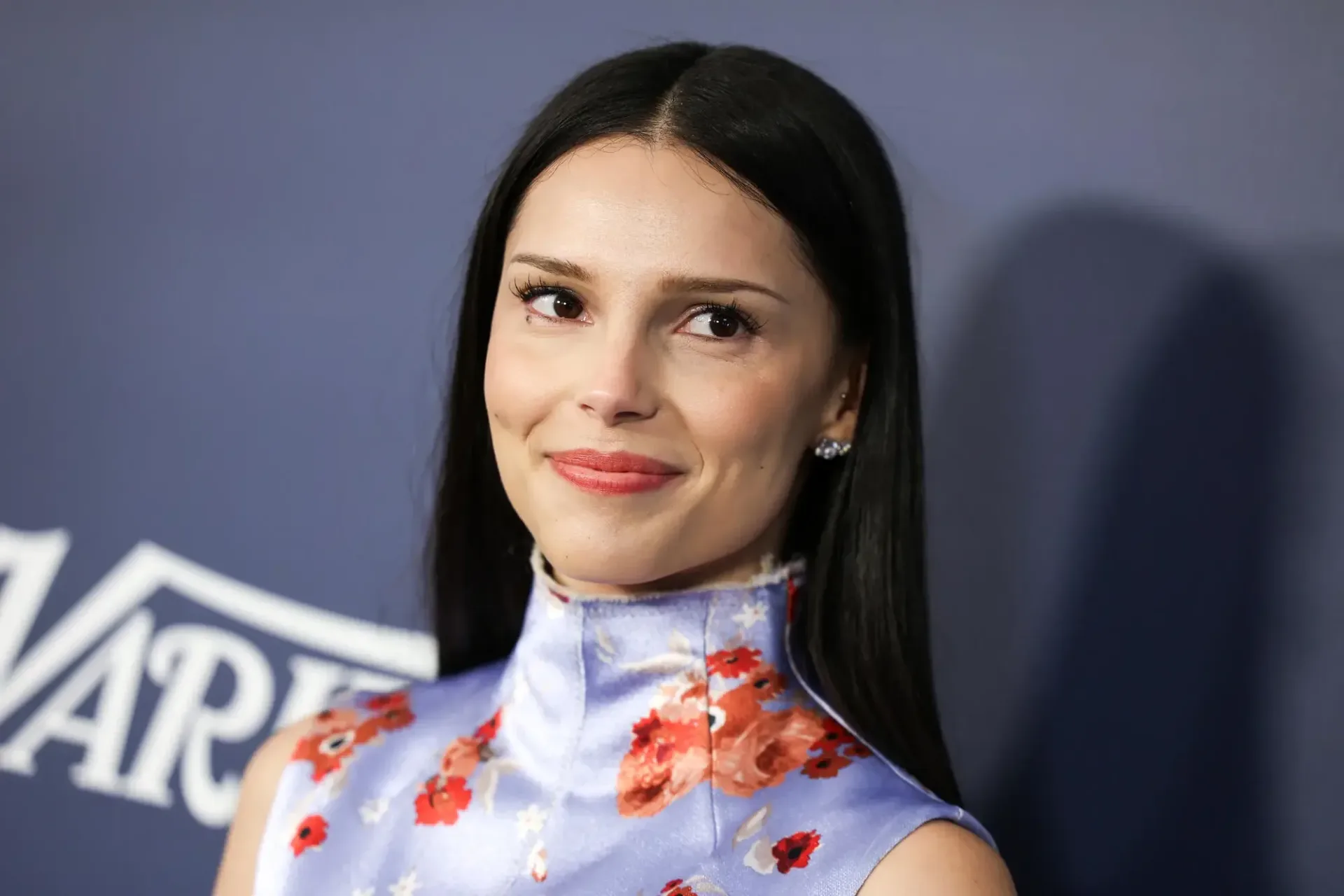
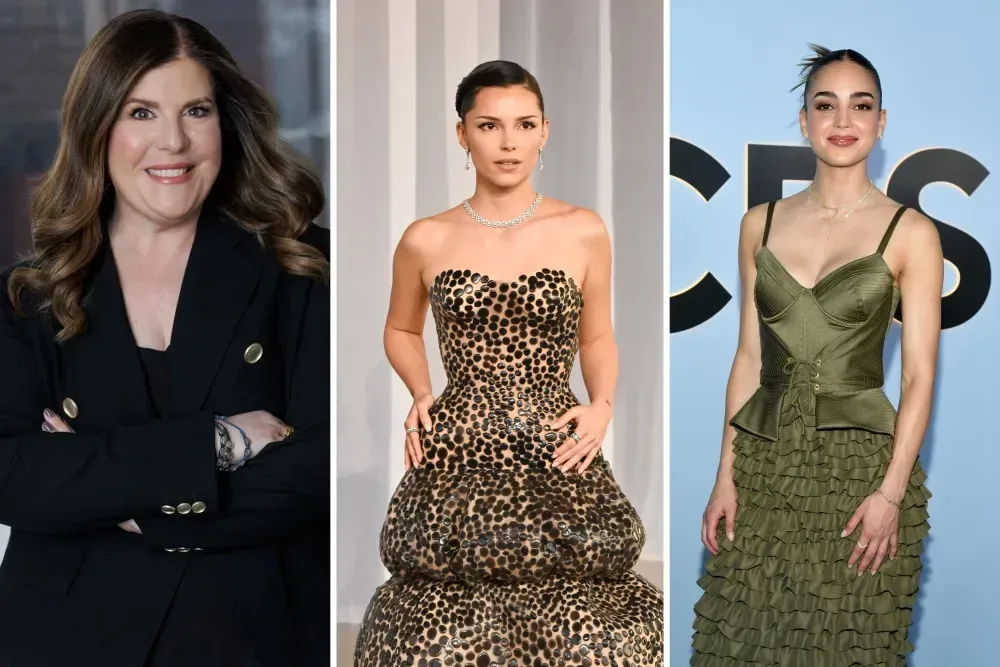
Inde Navarrette and Melissa Barrera are among the entertainment figures singled out in the announcement, while Disney advertising chief Rita Ferro is represented in the separate Visionaries field. Ferro’s inclusion is a useful reminder that the list’s understanding of cultural influence extends beyond on-screen and on-stage work. Advertising is a commercial function, but it also helps determine how entertainment reaches viewers, how franchises are presented and which audiences are actively addressed.
For readers who follow screen culture, the names in the Entertainment category are the most immediately familiar entry point. But the wider structure matters. The 100 honorees are divided among eight categories: Entertainment, Fashion, Gastronomy, Beauty & Wellness, Sports, Creative Forces, Changemakers and Visionaries. A category is not merely a label in this context; it establishes what type of contribution is being recognized. Entertainment centers public-facing cultural work, while Visionaries makes space for leadership and strategic influence.
Why the cross-medium approach matters
“Entertainment” can sound self-explanatory, but it covers several distinct kinds of work. An actor’s contribution is often experienced through a character and a finished production. A singer’s work can be tied to recordings, live appearances and collaboration. A television host or media personality may build an audience through ongoing communication rather than a single project. A digital creator’s relationship with viewers can be more immediate and platform-dependent.
Those differences affect how visibility is built and sustained. A list that places people from these fields together does not erase those distinctions; it acknowledges that each is part of the same broad culture-facing business. Audiences do not consume entertainment in neatly separated boxes. They encounter talent through films, television, music, interviews, social platforms, events and campaigns, often in overlapping ways.
The selection also puts a spotlight on careers that may be internationally prominent alongside contributors whose work deserves greater attention. That dual purpose is important because visibility is uneven, even inside an industry built around public attention. Large audiences and high-profile credits can make some achievements easy to notice. Other forms of work, especially roles that link creative output, audience development and institutional decision-making, can be just as consequential while attracting less routine coverage.
In practical terms, lists such as this one can create a useful reference point for people looking for work across multiple entertainment fields. It is not a release calendar, an awards ballot or a measure of who is “best.” It is an editorial recognition roster, designed to gather names under a shared purpose: highlighting Latinas making an impact across their disciplines.
From a 2020 launch to a community of more than 500
Latina Powerhouse launched in 2020 and has grown into a community of more than 500 women. The annual 100-name format gives the initiative a recurring moment of public attention, while the broader community figure suggests that the project is intended to be more than a once-a-year list.
That continuity matters. Recognition is most useful when it is not treated as a one-off spotlight that disappears as soon as an event ends. A continuing community can keep attention on the professional networks behind individual success, including the ways leaders, performers, creators and entrepreneurs occupy related spaces even when their day-to-day work is very different.
The Miami gala on Nov. 2 provides the event anchor for this year’s recognition. Galas are often discussed only as celebrity gatherings, but their more practical function is convening: they bring honorees and guests from different fields into the same room. When a program explicitly spans entertainment, business, beauty, fashion, philanthropy and health, the point is not simply to place unrelated accomplishments beside one another. It is to show that cultural influence is connected to a wider set of professional and civic contributions.
Analysis: the Entertainment group is strongest not because all 30 careers are alike, but because the roster resists the idea that one route to public influence should define the category. Its value lies in its range. The presence of actors, musicians, presenters and digital figures recognizes an entertainment landscape in which audiences move across media rather than staying in a single format.
What Rita Ferro’s Visionaries placement signals
Rita Ferro is included under Visionaries rather than Entertainment, despite her work at Disney being deeply connected to the entertainment business. That distinction is revealing. It separates the people making or presenting culture directly from leaders working on the systems that support its reach.
Advertising leadership involves the commercial side of media: connecting brands, audiences and programming or platforms. The supplied information does not detail Ferro’s specific work, so it would be wrong to infer particular campaigns or initiatives. Still, the category placement itself makes a clear point. Entertainment is not built only by the talent audiences recognize on screen. It also depends on decision-makers whose work influences how media businesses communicate with viewers and partners.
The list’s eight-category design is especially useful here. It avoids forcing every entertainment-adjacent leader into an on-camera category simply because their employer operates in film or television. Visionaries can instead recognize strategic work on its own terms. That is a more precise way to describe influence, and it helps the list account for the industry’s less visible power centers.
The names to know and the value of looking beyond a single headline
The announcement foregrounds Navarrette, Barrera and Ferro, and the wider roster gives readers plenty of avenues for further attention. Gomez, Treviño, Rodriguez, Grace, Carson and Arjona are among the screen performers named. Kenia Os, Aymée Nuviola, Natalia Jiménez, Joaquina, María José, Nella, Erika Ender, Camila Fernández and Ela Taubert are among the music-related names included. Carmen Villalobos, Adamari López, Lele Pons, Maritere Castellanos, María Alejandra Requena and Luz María Doria reflect the importance of television, hosting and digital-facing media in the broader entertainment conversation.
The roster does not offer a score, rank or hierarchy, and readers should not invent one. No order of merit is supplied. Each inclusion is best understood as recognition within the Entertainment category, not a claim that one honoree sits above another.
For those tracking the intersection of pop culture and the businesses behind it, the Visionaries placement of Ferro is an equally important part of the news. It is an invitation to look at recognition programs with a wider lens: who appears in a cast, who makes music, who leads a public conversation, and who helps shape the infrastructure through which that work reaches audiences.
The wider list and its Miami gathering arrive with an intentionally expansive definition of accomplishment. The Entertainment honorees bring the public-facing side of that mission into focus, while the other categories broaden it across fashion, food, wellness, sport, creative work, change-making and leadership. For more on the newly named entertainment cohort and gala timing, see this overview of the Latina Powerhouse 100 entertainment honorees.