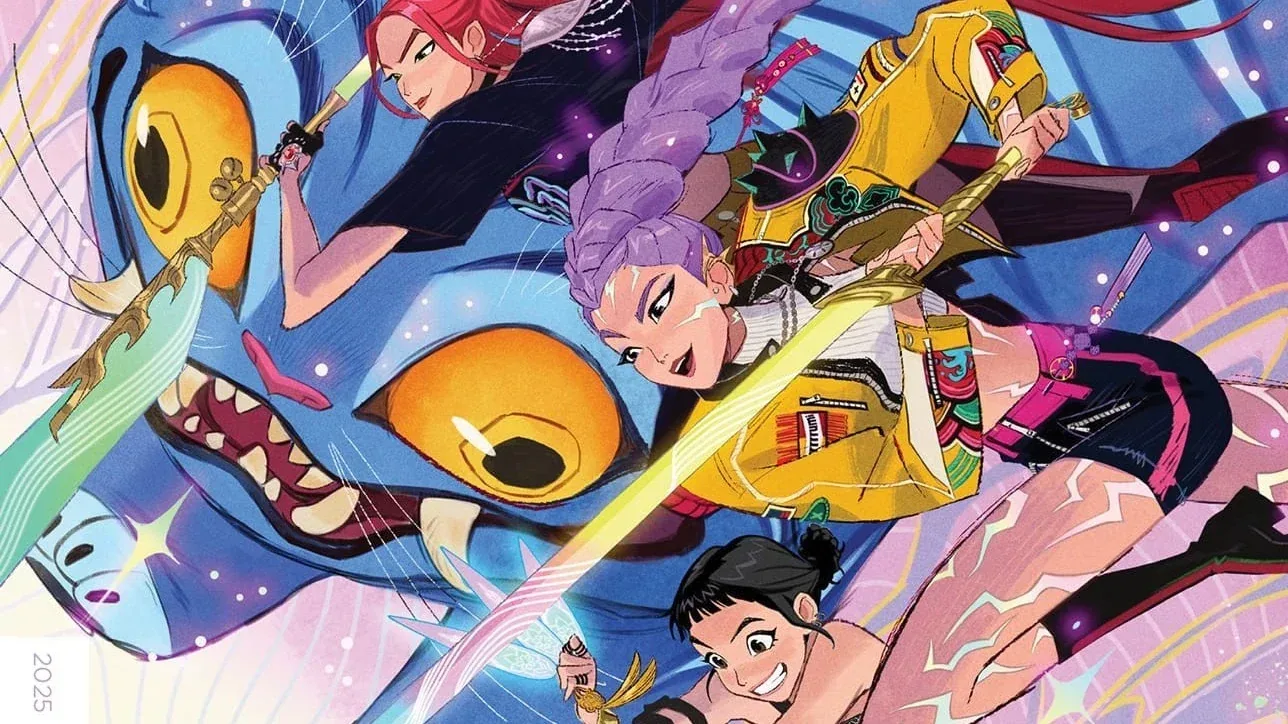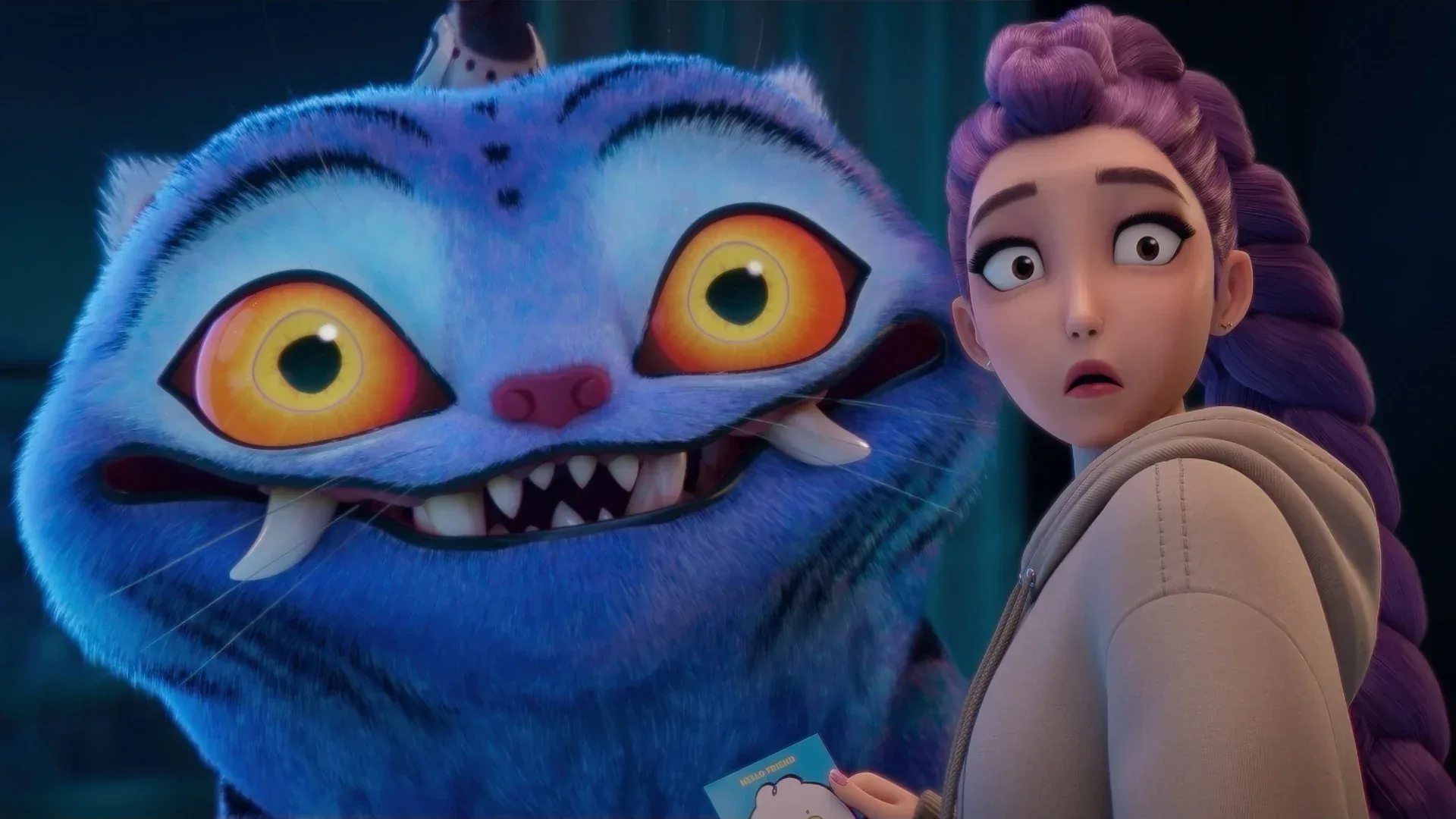
KPop Demon Hunters was built to feel enormous: a demon-fighting pop group, high-energy songs, choreography and an animated world large enough to invite repeat viewing. That scale makes the announced Golden World Tour seem like a natural next act. Yet the early ticket conversation reveals a less supernatural obstacle than a demon king: people are being asked to commit serious money before they can clearly picture the show.
Tickets for the Golden World Tour recently went on sale for a run planned to include at least 150 performances worldwide during 2027 and 2028. Some venue listings appear to show substantial availability, a surprising sight for a film described as Netflix’s most-watched ever. Empty-looking seat maps are not a final attendance report, and they do not by themselves prove an event is failing. Shows are still far away, ticket demand can develop unevenly, and a large global routing changes the equation from city to city.
But the available information does expose a real consumer-facing problem: the tour’s pitch is broader than its specifics. For a fandom that knows exactly what it loves about Huntr/x, “something inspired by the movie” may not be enough to turn excitement into a purchase.
A world tour needs a show people can describe
The public description frames the Golden World Tour as more than a concert, promising storytelling, live-action stunts and performers, music, choreography and special performances. Those ingredients could add up to several very different things. It might be a stage musical built around the film’s story, a concert-style celebration with dancers and theatrical scenes, or a production that uses virtual or projected characters alongside live performers.
That ambiguity is the issue. A prospective ticket buyer cannot easily answer practical questions that define the value of a live event:
- Who will physically perform on stage?
- Will the film’s vocalists Ejae, Audrey Nuna and Rei Ami be involved?
- Are Rumi, Mira and Zoey represented through actors, screens, animation, hologram-like visuals or some combination?
- How much of the evening is music, narrative, stunt work or fan interaction?
- What does a standard seat actually provide that a fan cannot get from the film and its soundtrack?
None of these questions needs an elaborate spoiler-filled breakdown. A concept trailer, a short preview of the stage language, or a clear cast-and-performance description would give customers a basis for deciding whether the production matches their expectations. Without that clarity, the phrase “first-of-its-kind” is a promise of novelty rather than a usable explanation.
That distinction matters especially for an animated property. Fans may adore the on-screen versions of the heroes, but a ticket is for a live interpretation. The live-event format is not automatically less appealing; it simply needs to state what makes it distinct. A screen-led spectacle and a vocalist-led concert could both work, but they are materially different purchases.
The price gap between curiosity and commitment
The other obstacle is more concrete. At the Prudential Center date in Newark, even a high-up seat was listed above $130 before fees. In some places, service fees were reported at more than $100. That means the advertised ticket figure may not reflect the final checkout decision a family or fan must make.
For an event with an unclear format, the total matters as much as the starting price. A buyer might take a chance on a new kind of pop-culture show at a modest cost. It is much harder to make that leap when tickets, fees, transport, food and potential merchandise can quickly turn the occasion into a major expense.
The tour also has three premium tiers themed after songs from the film. The entry-level Soda Pop package is listed at just under $500 before fees, while the Golden VIP Experience exceeds $1,000 before fees. Those prices place the packages in a category where fans reasonably expect the inclusions to be exceptionally clear.
What the VIP packages say—and what they do not
The Soda Pop tier includes a reserved floor or lower-level seat, a dedicated lane for VIP merchandise shopping and a tour gift pack. The Takedown tier adds a top-priced reserved seat, access to a pre-show party with a Soda Pop bar, snacks and desserts, photo opportunities, early merchandise access and a gift pack.
The Golden tier includes a top-priced floor seat, the pre-show party, preferred parking, art prints, a welcome gift, merchandise access and an on-stage group-photo opportunity involving production and lighting effects. It is the on-stage photo rather than a confirmed meet-and-greet that is described, an important difference for anyone considering the most expensive option.
These are recognizable VIP components: better seating, faster access to shopping, exclusive items, a party environment and photo opportunities. The problem is not that the benefits are invisible. It is that the package language cannot resolve the core uncertainty over the performance itself. Extra access has more appeal after a fan is convinced by the main event; it cannot always do the work of selling an event that remains hard to visualize.
Why a famous IP is not a blank check
KPop Demon Hunters has a massive awareness advantage. Its record-setting viewing performance and awards success established a huge audience for the movie and its music. But mass viewing is not identical to live-tour demand. Watching a movie at home can be immediate and comparatively low-cost; travelling to a venue on a particular night is a scheduled, expensive decision with little room for uncertainty.
There is also a time factor. The film is more than a year old, and a fandom’s peak obsession does not last forever. That does not mean enthusiasm has disappeared. It means the tour must offer a fresh reason to return now, particularly across a lengthy 2027–2028 schedule. “The songs you already like, performed in a new format” can be a strong reason—but only if audiences understand who is performing them and how.
One fan reaction neatly captures the expectation gap, joking that the experience would need the characters Rumi, Mira and Zoey to arrive in the flesh to justify the spend. The remark references the movie’s opening stage arrival, but the underlying point is practical: fans want the scale and immediacy of the film translated into something tangibly live. They do not want to discover after buying that their imagined version of the show and the actual version were miles apart.
What ticket maps can—and cannot—tell us
It is tempting to look at open inventory and declare the hype over. That is too strong a claim on the current evidence. A listing can look sparse for numerous reasons: the event may be distant, audiences may wait for more details, buyers may be choosing between many stops, or seats may not all be released in the same way. The tour is planned on an unusually large scale, so it should not be judged by a single venue or a brief early-sales window.
Still, ticket maps are useful as a measure of buyer confidence at a given moment. They suggest that recognition alone is not forcing an immediate rush. In this case, the questions surrounding the production and the high up-front costs are plausible explanations. Neither requires a collapse in interest in the movie itself.
That nuance is important because the most dramatic possible outcome—cancellation—remains speculation, not a confirmed development. Prices could change, marketing could become more detailed, or interest could pick up once the production is shown in action. Calling a cancellation inevitable would turn a cautious read of early signals into a claim the available facts do not support.
The fix is less mystery, not necessarily less spectacle
The Golden World Tour does not need to abandon theatrical ambition to make its offer clearer. Its apparent mix of music, choreography, stunts and performers could be a compelling way to bring an animated musical into an arena setting. The key is translating promotional adjectives into visible, specific information.
- Show the format. A concise concept video could demonstrate whether audiences should expect live dancers, actors, digital characters, projections or other visual techniques.
- Identify the performers. Fans need a plain explanation of which musicians and cast members are participating, rather than assumptions built from character branding.
- Set expectations for the music. Stating whether songs are sung live, performed by guest talent, or presented in another form would answer one of the largest unanswered questions.
- Explain the premium value. VIP descriptions should be read alongside a clear picture of the regular production, so upgrades feel like genuine enhancements rather than costly guesses.
The entertainment business often treats secrecy as part of the launch. That approach can create intrigue when the commitment is small. At more than $130 before fees for some upper-level seats, and far more for premium packages, clarity is more valuable than mystery. Fans are not merely buying a logo, a playlist or a promise of “more.” They are reserving an evening, a budget and an expectation.
For more entertainment news where the appeal of a major production has to be separated from what is actually confirmed, see our coverage of Justin Timberlake’s upcoming Apple TV documentary.
The Golden World Tour therefore faces a straightforward challenge before it faces a creative one: give the people who made KPop Demon Hunters a phenomenon enough information to decide whether this is the live event they have been waiting for.