Kid Rock has said that artificial intelligence was used to create the choir heard on “Heal My Faith,” his collaboration with Eminem from the newly released Halfway 2 Jesus. The musician described the AI-made choir as a practical production choice after recording the hook and harmonies himself without his usual singers present.
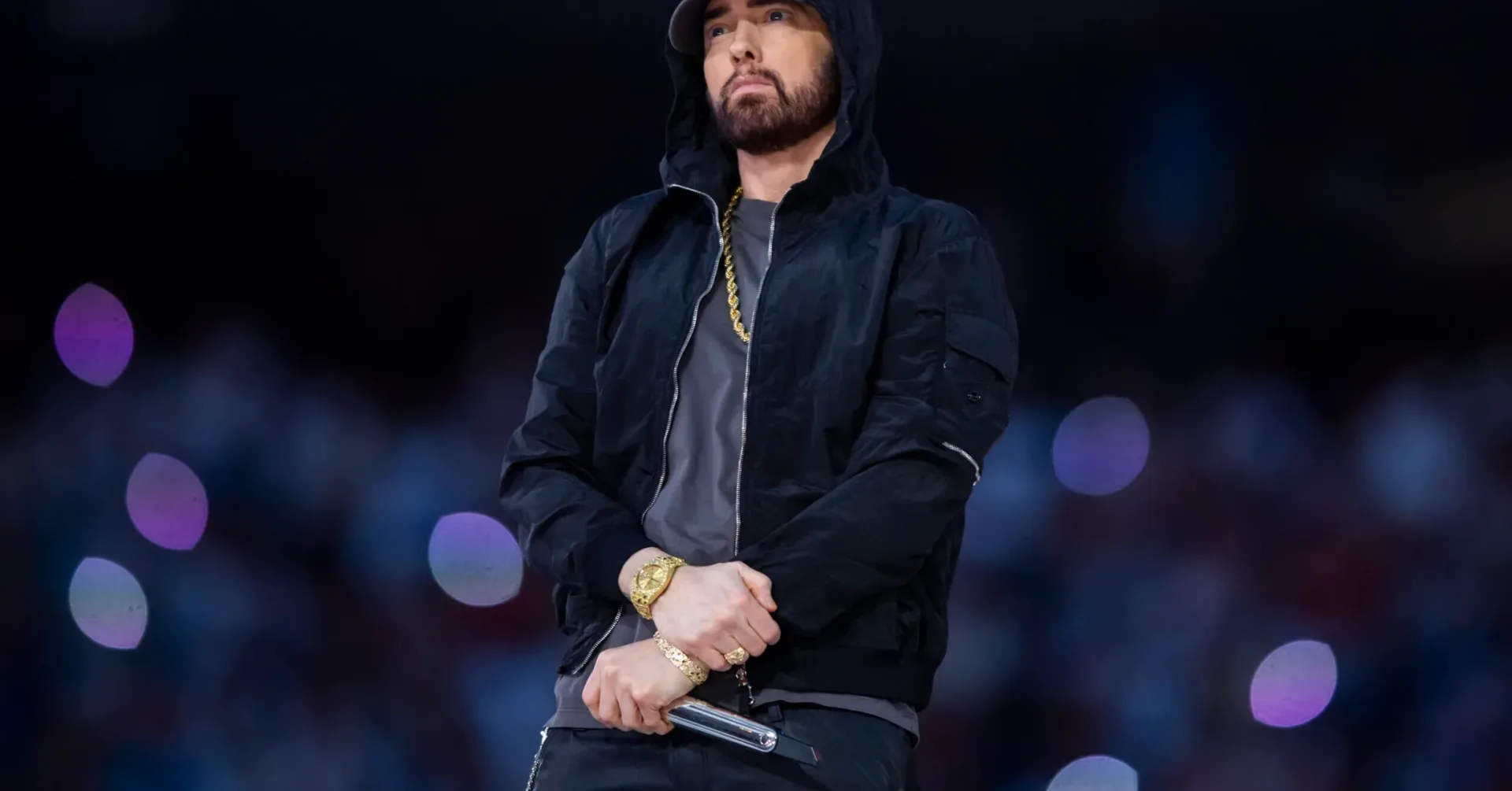
The disclosure gives the track a second flashpoint beyond its already divisive pairing. Eminem’s appearance alongside Kid Rock had prompted criticism from some listeners because of Kid Rock’s support for Donald Trump, despite Eminem’s past criticism of the president. Now, the song is also being discussed as an example of a prominent artist openly acknowledging generative AI in a finished recording.
What Kid Rock says AI did on the track
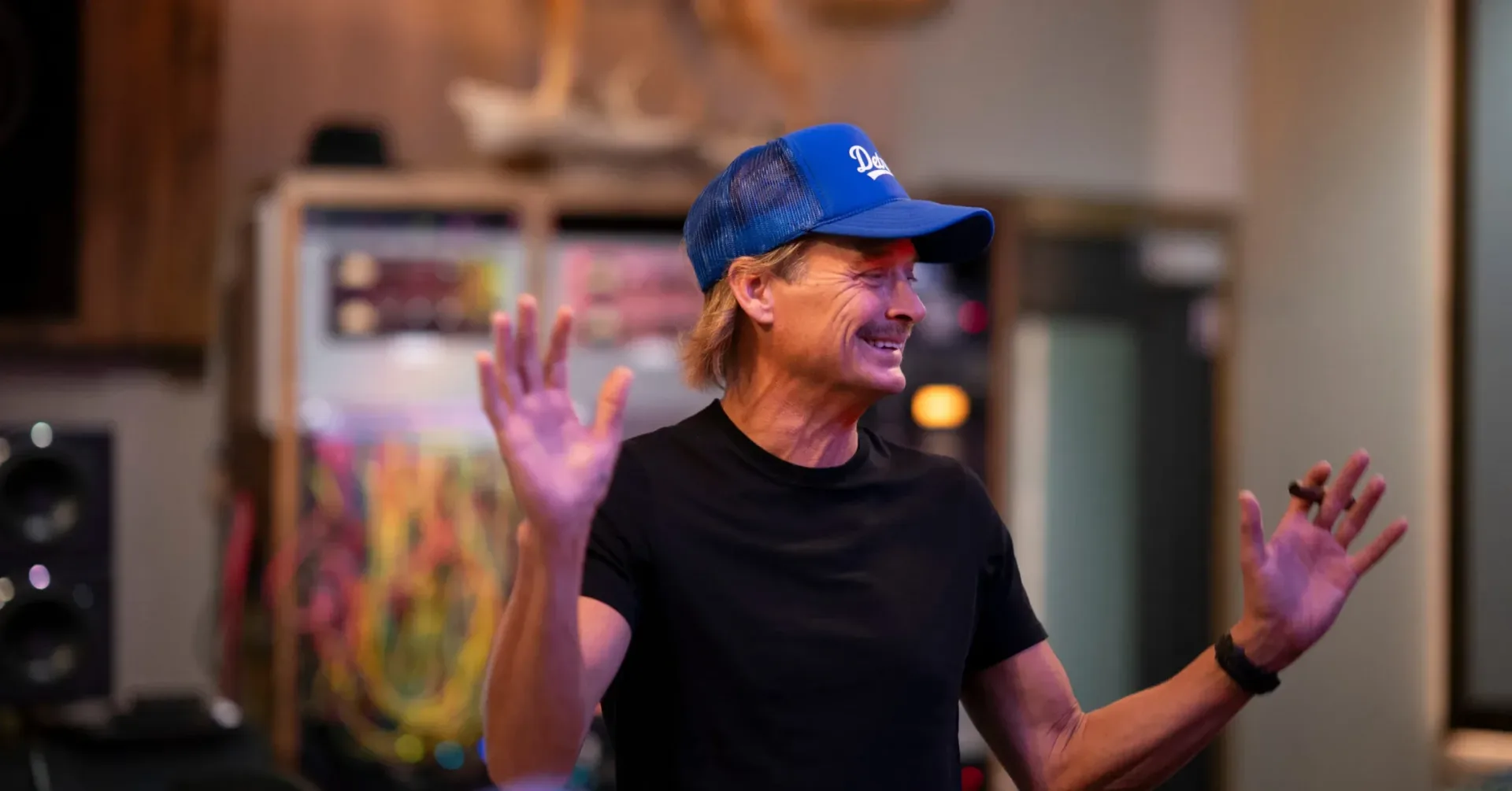
Kid Rock said he personally sang the hook and the harmony parts, then used prompts to generate the lead and harmony elements needed for what he characterized as a Southern gospel choir. He said the result took multiple attempts which he then assembled into the final arrangement.
That distinction matters. His account does not describe Eminem’s vocal performance as AI-generated, nor does it say that AI produced the entire song. The specific disclosed use was the choir on “Heal My Faith.” In practical recording terms, a choir is a collection of vocal parts layered together to create a larger ensemble sound. Here, Kid Rock says the ensemble element was generated rather than recorded by a group of human singers.
He framed the decision principally around speed. His singers were not available, and he described himself as impatient. That makes this less a claim that AI replaced every part of the session and more an account of using it to fill a particular production need on a deadline or in the moment.
What “prompting” means in this context
A prompt is an instruction supplied to an AI system. In Kid Rock’s description, those instructions included musical roles—lead notes and harmony notes—and a stylistic direction: “Southern gospel choir.” The system then generated material intended to meet those directions. His remarks suggest an iterative workflow: enter instructions, generate a result, try again, and combine the preferred pieces.
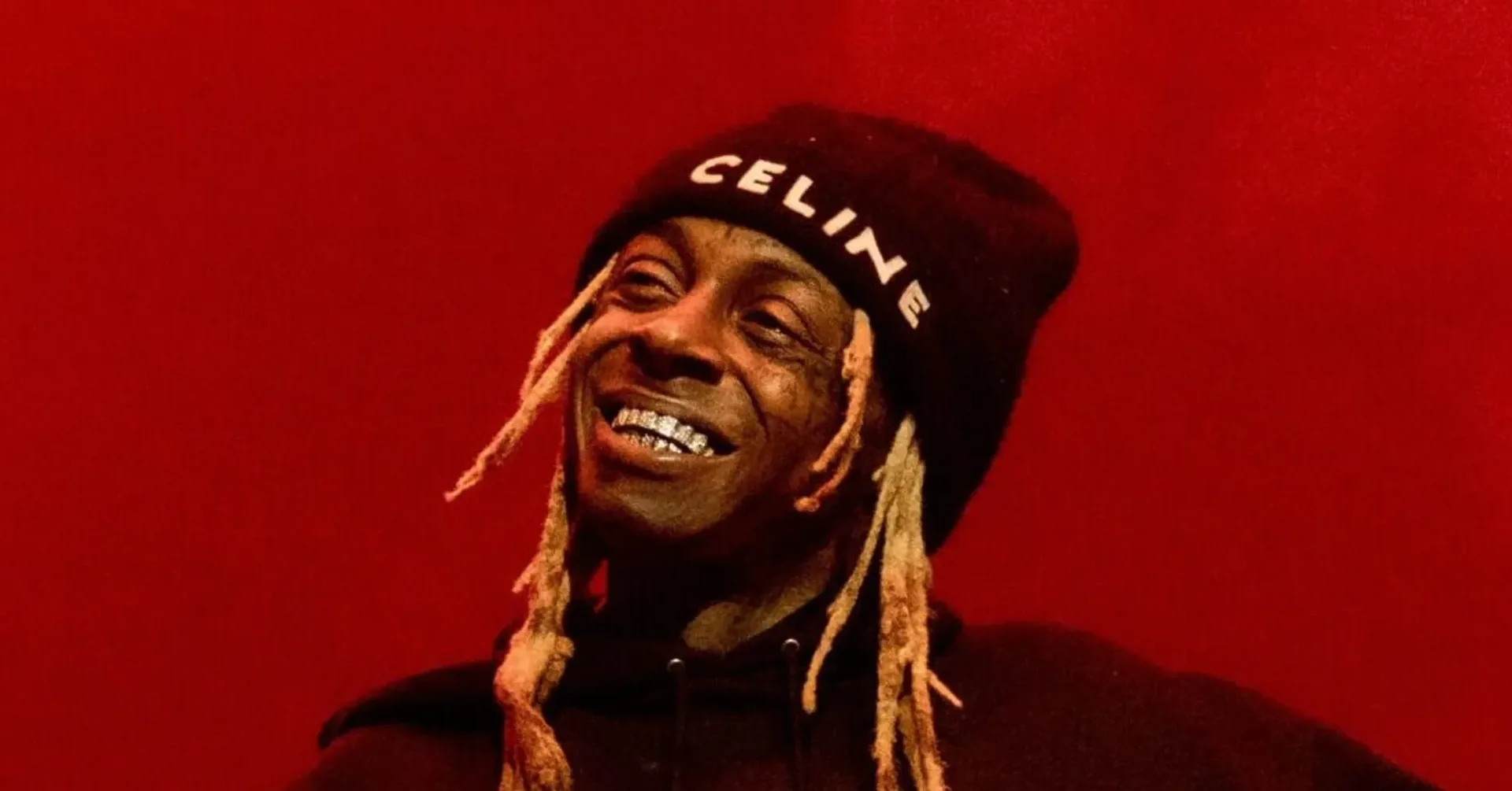
That is different from conventional vocal stacking, though both methods can pursue the same broad sonic effect. Traditional stacking involves singers recording multiple takes or multiple harmony lines that are layered in the mix. Kid Rock discussed that more conventional approach separately in relation to “7 Sins,” the Lil Wayne-assisted album track, saying singers’ vocals had been stacked to form a choir.
The contrast inside the same album is useful: one song used singers layered into a choir; “Heal My Faith,” by Kid Rock’s own account, used an AI choir. It is a reminder that a single project can contain several recording approaches rather than following one all-or-nothing technology policy.
Related coverage includes Kid Rock Says AI Choir Was Used on Eminem Collaboration.
His argument: a production tool, with limits
Kid Rock called AI “a tool in the bag” and questioned whether it necessarily puts singers out of work, comparing the debate to past reactions to instruments and production technology such as electric guitar and drum machines. At the same time, he said AI is different and that it should be regulated at the highest levels.
Those two ideas sit in tension, but they are not mutually exclusive. A musician can see value in a fast way to create a backing texture while also recognizing that broader deployment raises risks. The immediate creative benefit in his example is clear: an available substitute for an absent choir. The harder question is what happens when that substitute becomes routine across many projects, particularly when a human style, identity, or voice is involved.
His comments do not provide details about the system used, its training material, permissions, or how the generated choir was handled beyond the prompting and assembly process. Those missing details are important because “AI” can cover very different tools and workflows. In this case, the confirmed takeaway is narrower: Kid Rock says he generated and assembled choir material for “Heal My Faith.”
Why the disclosure is likely to draw a stronger response than ordinary studio experimentation
Music production has long used technology to manipulate, layer, sequence, and transform sound. Kid Rock invoked that lineage in mentioning the electric guitar and drum machine. But listeners often react differently to AI because it can generate a performance-like result from written instructions rather than merely record or process a performer who is physically participating in the session.
The issue is especially pointed with choir vocals. A choir can carry the audible impression of a room full of people: blended voices, collective phrasing, and a sense of scale. When that sound is generated, listeners may ask whether the recording should identify it clearly, whether vocal workers lost a potential session, and what creative sources helped make the result possible. Kid Rock acknowledged at least part of that concern by saying AI warrants high-level regulation.
There is also a communication issue for audiences. A listener may care only about whether the chorus sounds good. Another may see the method behind that sound as inseparable from the finished work. Neither reaction changes the factual scope of Kid Rock’s claim, but it helps explain why the phrase “AI choir” can become more contentious than another studio credit.
Entertainment has repeatedly been shaped by new digital tools, including the earlier CD-ROM era explored in Patrick Stewart’s CD-ROM edutainment legacy. The AI debate, however, is less about whether computers belong in creative workflows—they plainly do—and more about what systems are generating, whose work may be implicated, and what rules should govern their use.
The Eminem collaboration’s separate controversy
The reaction to “Heal My Faith” was not solely about production techniques. The Eminem-Kid Rock pairing itself upset some Eminem fans. The friction stems from the contrast between Eminem’s previous criticism of Trump and Kid Rock’s prominent MAGA support.
Kid Rock and Eminem were friends before Trump considered a presidential run, but that earlier relationship has not prevented criticism of the collaboration. The AI disclosure adds a distinct objection to a track that was already carrying political and fan-community baggage. As a result, discussion can easily blur two separate questions: why Eminem worked with Kid Rock, and why Kid Rock chose a generated choir for their song.
Keeping them separate makes the conversation more precise. The political backlash concerns the association between two artists with sharply different public positions. The production backlash concerns the use of AI-generated vocal material. They overlap in public reaction because they concern the same track, but they are not the same claim and should not be treated as one.
What listeners can actually take from the claim
- “Heal My Faith” is the track Kid Rock identified as using an AI choir. His comments do not establish AI use across all of Halfway 2 Jesus.
- Kid Rock says he performed the hook and harmonies himself. The generated component, as described, was the choir.
- “7 Sins” was presented as a different process. Kid Rock said vocals from singers were stacked into a choir on that Lil Wayne-assisted song.
- His position is not simply celebratory. He described AI as useful while also calling for regulation at the highest levels.
- Important technical and ethical specifics remain unspecified. No details were provided about the AI service, its source material, licensing, or permissions.
For now, the most consequential part of the story may be its candor. Kid Rock did not present the choir as a hidden trick; he described using AI because it was faster than waiting for human singers. Whether audiences treat that as sensible studio efficiency, an unwelcome replacement for session work, or both at once will likely depend on what they expect an artist’s credits and creative process to represent.