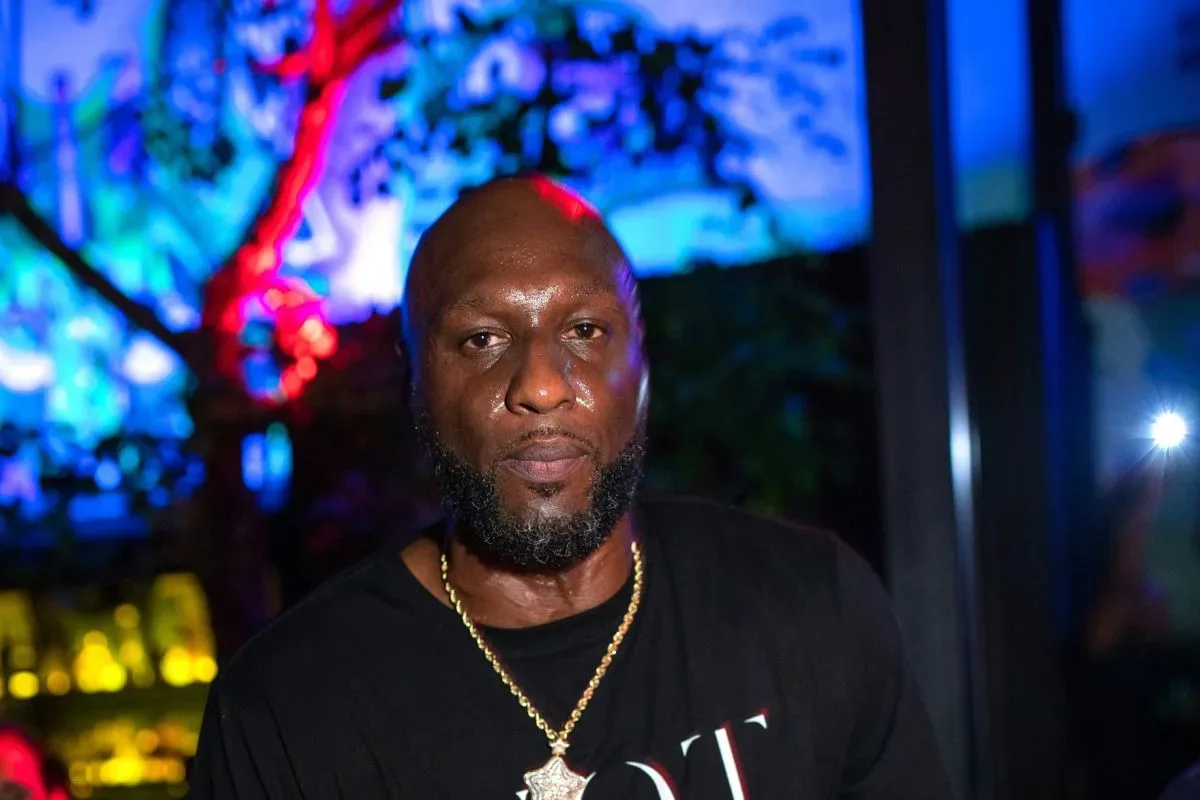
Khloé Kardashian has drawn a firm line with former husband Lamar Odom, revisiting a dispute over the Netflix documentary Untold: The Death & Life of Lamar Odom during the November 12 episode of The Kardashians.
Kardashian said she participated in the project because she thought she was helping Odom tell his story, and said she was not paid for her involvement. Her view now is that the experience left her feeling used, particularly because she understood subsequent comments as reducing their relationship to a means of building his public profile.
“The bridge is burned and there’s no more rope left to throw over. So he is dead to me,” Kardashian said.
Her remarks are the clearest expression yet of a disagreement that has unfolded in public for months. Kardashian said she was not seeking thanks for her participation. Instead, she said she wants Odom to stop discussing her and, in her view, discrediting her.
What the disagreement is about
At the center of the conflict is Kardashian’s reaction to the documentary and to the implication she took from remarks concerning why Odom married her. For Kardashian, the issue is not simply that the marriage remains part of a documentary about an important chapter of Odom’s life. It is the meaning attached to that chapter and the apparent suggestion that his relationship with her was tied to fame.
Odom has disputed that characterization. In a June appearance on Louis Ruggiero’s Nothing’s Off the Table podcast, he said that he loved Kardashian and did not need more celebrity. He denied saying that he married her for fame.
“That never came out of my mouth,” Odom said of the claim.
That leaves a meaningful distinction between the two public accounts. Kardashian is describing how she understood the discussion and its effect on her after taking part in the documentary. Odom is denying that he made the specific statement attributed to him. Neither position resolves the other: one concerns the perceived message and fallout, while the other contests the wording and intent of the alleged claim.
Related coverage includes Khloé Kardashian Says Her Bridge With Lamar Odom Is Burned.
It is also why a dispute that may seem to hinge on one idea has become larger than a single disputed sentence. Kardashian’s comments frame participation in the film as an act of support for someone she had once tried to help through severe personal difficulties. In that context, she sees the result as a breach of trust rather than a routine difference of opinion about a television appearance.
The documentary revisits basketball, addiction and a medical emergency
Untold: The Death & Life of Lamar Odom arrived March 31 and includes interviews with both Odom and Kardashian. The film covers Odom’s basketball career, including his two championships with the Los Angeles Lakers, as well as the circumstances surrounding his 2015 overdose at Nevada’s Love Ranch.
A former manager of the brothel is also interviewed about the events around Odom’s medical emergency. That scope makes Kardashian’s presence understandable: their marriage and the period that followed were closely connected to a highly consequential part of Odom’s life. But it also illustrates why participation can be fraught when a documentary covers a subject whose story overlaps with the private history of other people.
Documentaries commonly rely on first-person testimony to give audiences emotional detail that public records alone cannot supply. The practical trade-off is that a participant may be helping to establish someone else’s narrative, while having limited control over how their own role is interpreted by viewers once the finished film is released. Kardashian’s response suggests she believes that trade-off was not worth it here.
Her complaint is not presented as a challenge to Odom’s account of his health crisis or basketball accomplishments. Rather, it concerns the treatment of their relationship and the way her contribution to the film fit with later public discussion. That difference matters when separating the documentary’s broad subject from the personal dispute it has intensified.
A timeline of a relationship that remained public long after the divorce
Kardashian and Odom married in 2009. She filed for divorce for the first time in 2013. After Odom’s 2015 overdose, Kardashian halted that process in order to help with his care. She filed again afterward, and their divorce was finalized in 2016.
Those events help explain why the current disagreement is emotionally loaded. Their relationship did not move in a simple, uninterrupted line from marriage to separation. Kardashian’s role in assisting Odom after the overdose became part of the public understanding of their history, and the new documentary again brought that period into view.
Kardashian had already said in April that she regretted participating in the film. Then, in the November 5 episode of The Kardashians, she recalled an earlier hotel incident involving Odom, looking back on the years when she sought to help him amid his drug use. The November 12 comments therefore continue, rather than begin, a season-long return to difficult memories.
The former spouses had also reunited on camera in 2025 after years apart. That appearance did not prevent the later documentary conflict. In practical terms, the sequence shows how a cordial or even supportive on-camera reunion does not necessarily mean former partners agree about the boundaries for revisiting a shared past.
Why the wording matters in public breakups
Celebrity relationships can remain part of public conversation long after they end, especially when both people have appeared on television and their history intersects with an athlete’s career, addiction, recovery and a documentary. Yet Kardashian’s comments point to a basic boundary: a willingness to speak for a project at one time is not an open-ended approval for an ex-partner to characterize the relationship however they choose later.
Odom’s denial is important to that discussion as well. He has said the fame-motivation claim did not come from him. Readers and viewers should distinguish that denial from Kardashian’s account of feeling hurt by what she heard and by the broader portrayal she associates with the documentary dispute. Public conflicts can grow when people are responding to different versions of what was said, what was implied, and who is responsible for the final message.
For audiences, that is a reason not to treat a documentary appearance as proof that every participant endorses every conclusion an audience may draw from the completed production. Interviews can provide a subject’s perspective without eliminating future disagreement over context, editing, interpretation or conversations after release.
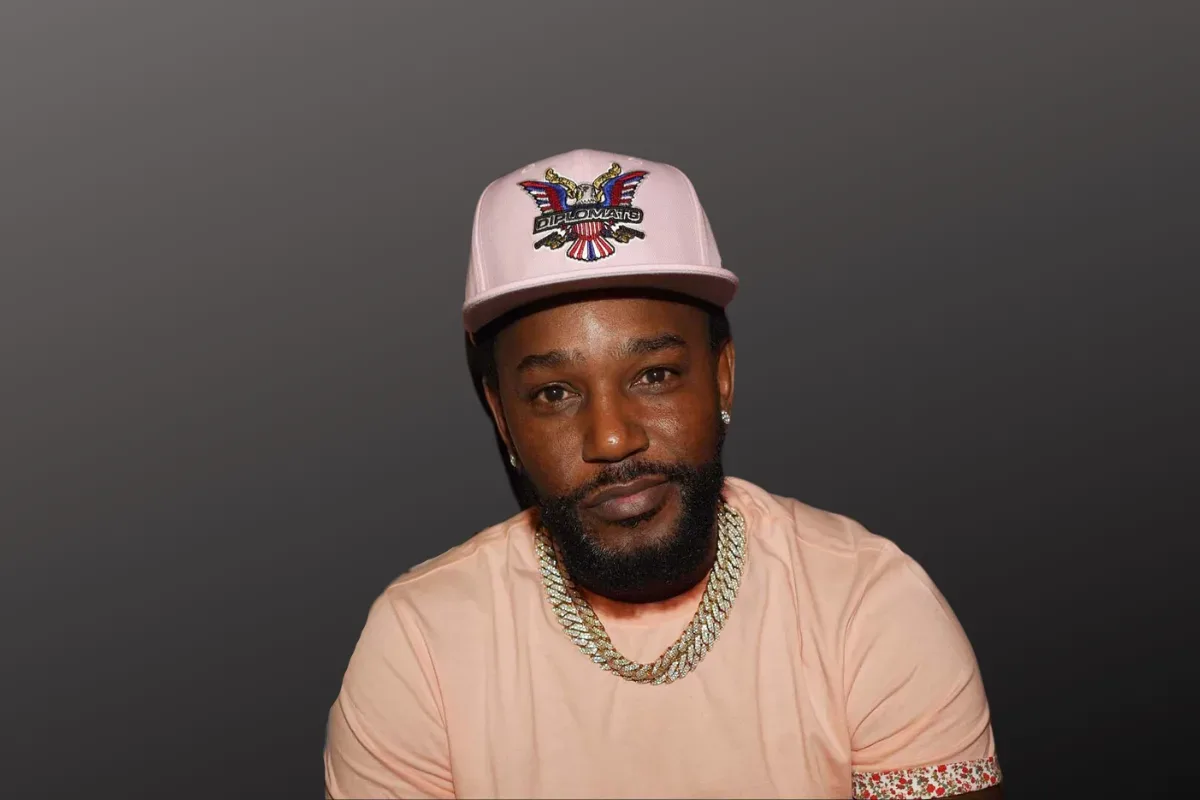
The entertainment world is full of public figures trying to set limits on how their names, achievements and personal history are used in wider conversations. The same push-and-pull appears in debates beyond reality television, including Cam’ron’s comments about a hypothetical Super Bowl performance slot, where the issue is also less about a single headline than about who controls the terms of a public-facing role.
What viewers can expect from the current season
The Kardashians is currently running a 10-episode season on Hulu, with new episodes scheduled each Thursday. Kardashian’s November 12 statement puts a decisive public label on her current relationship with Odom: she does not see a path back to contact or cooperation.
There is no indication in these remarks that the former spouses have resolved their disagreement. Kardashian’s language instead makes clear that she considers the relationship beyond repair. Odom, meanwhile, has publicly maintained that he did not say he married her for fame and that he loved Kardashian.
The dispute ultimately sits at the intersection of documentary storytelling and personal boundaries. Odom’s life story includes major professional achievements and a grave health emergency. Kardashian was part of that history and chose to contribute to the film, but now says she regrets doing so. Her latest comments make the gap between assisting with someone’s story and accepting continued public discussion of one’s own role unmistakable.