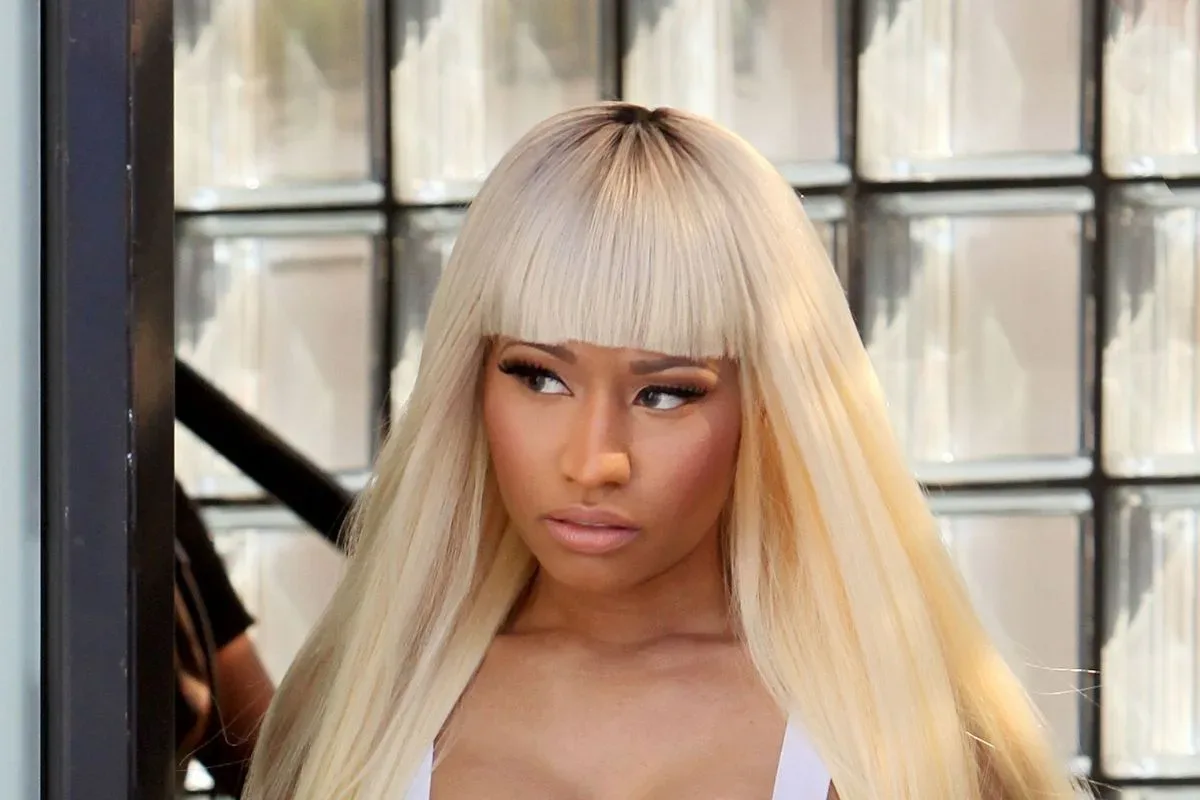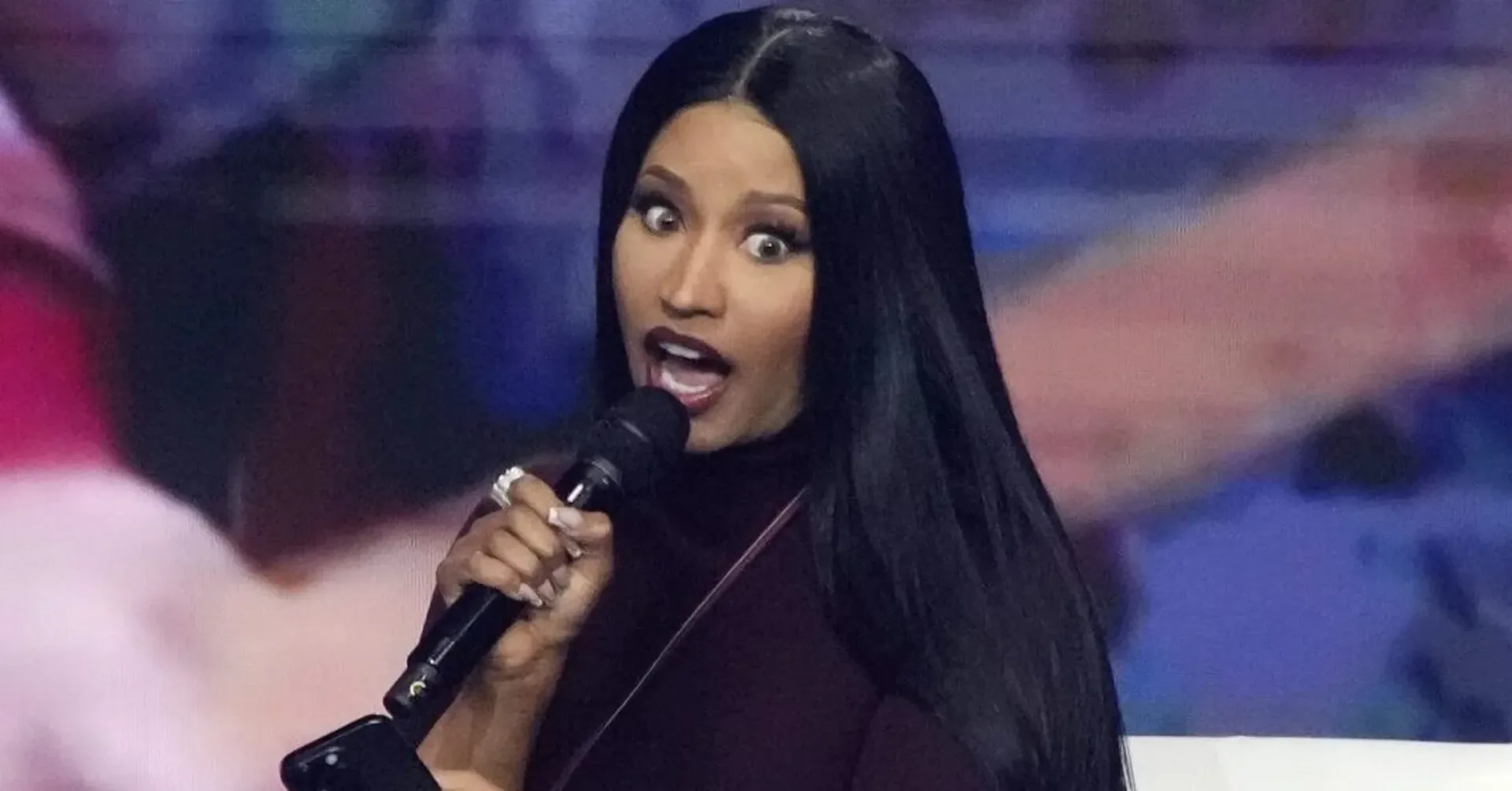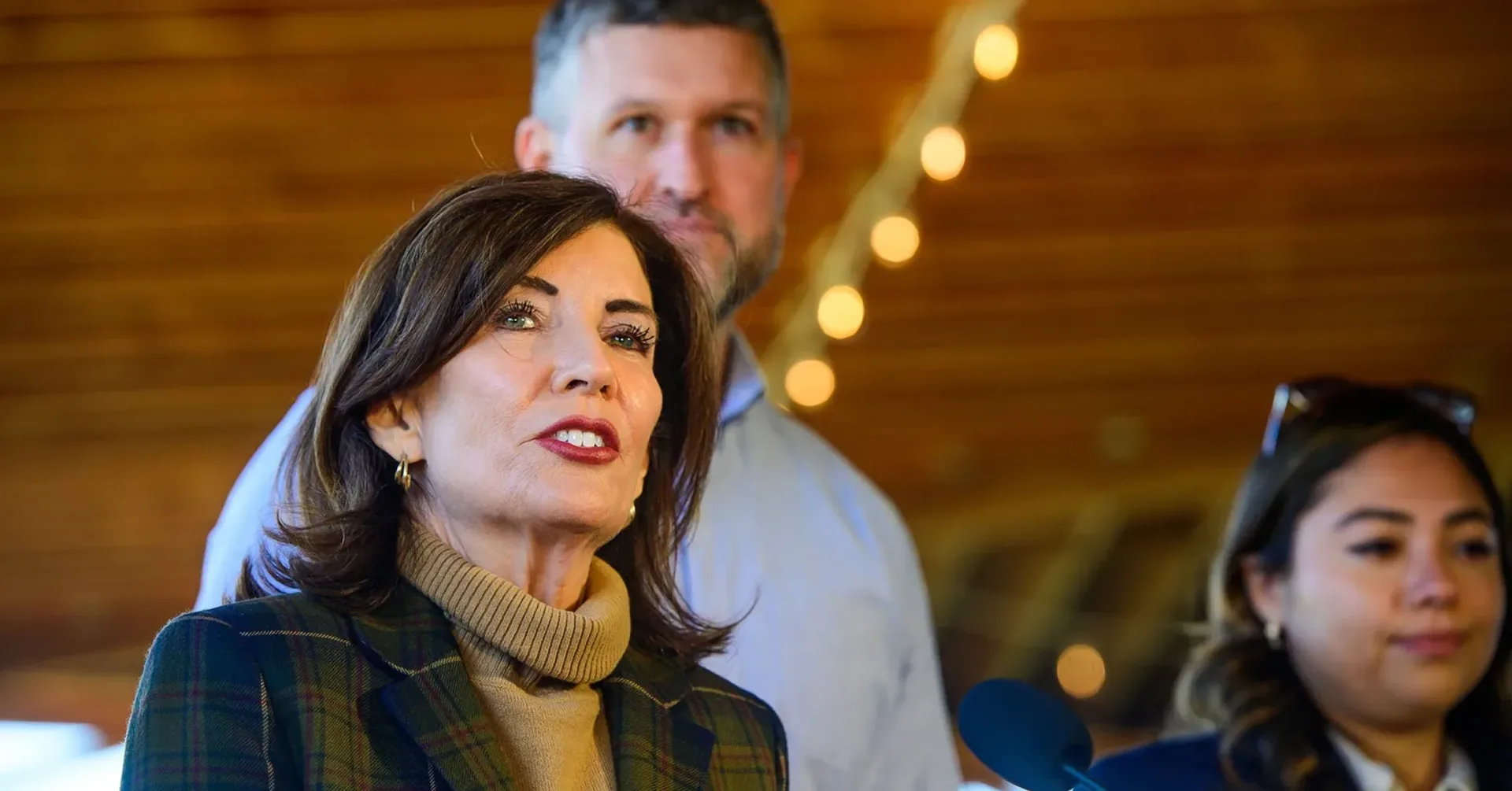
Nicki Minaj and New York Governor Kathy Hochul have traded a sharp political exchange in the final days before Tuesday’s election, turning a celebrity endorsement into a compact but conspicuous campaign-side drama.
Minaj, who has recently appeared campaigning with President Donald Trump, directed an attack at Hochul in a social-media post. She called the governor “an evil woman,” argued that the Democratic Party should give up Hochul’s seat, and framed the contest in explicitly religious language, saying Hochul would face God’s wrath.
Hochul’s reply did not attempt to answer the accusations point by point. Instead, the governor sent back a short, cutting dismissal: Minaj should “touch some grass” and stop attending Trump rallies because they were “kinda poisoning your mind.”
A celebrity-political feud with little room for nuance
The language from both sides is deliberately maximalist. Minaj’s post does not lay out a specific policy objection or a factual case against Hochul; it presents a moral condemnation. Calling a political opponent “evil” is an accusation intended to establish an absolute divide, rather than open an argument over a particular decision, platform, or record.
Hochul’s answer works in the opposite direction rhetorically, though it is no less pointed. “Touch grass” is internet shorthand for stepping away from an online or insular environment and reconnecting with ordinary life. By invoking it, Hochul cast Minaj’s criticism as overheated and detached rather than as a charge requiring a formal rebuttal.
The added line about Trump rallies goes further. It ties Minaj’s intervention directly to her visible campaigning with Trump and implies that the political setting, rather than a substantive dispute with the governor, is driving the rapper’s rhetoric. It is a classic campaign counterpunch: compact, memorable, and built for fast circulation.
What is actually established in the exchange
There are a few clear facts beneath the noise. Minaj has been involved in Trump’s campaign efforts, and she publicly criticized Hochul. Hochul responded with the “touch grass” remark and her criticism of Trump rallies. The source material also places Hochul 11 points ahead of Bruce Blakeman in polling heading toward Tuesday’s vote.
That polling margin matters because it provides the electoral backdrop for the argument. A celebrity’s endorsement or criticism can create attention, attract social-media engagement, and offer campaigns a new cultural hook. It does not automatically demonstrate an effect on votes. Nothing in the available information establishes that Minaj’s remarks have shifted support in the race, and the reported 11-point lead suggests Hochul entered the closing stretch from a comparatively strong position.
That distinction is important in any election-season celebrity story. Visibility is not the same thing as persuasion. A post can reach vast audiences and still have no measurable impact on the contest it references. Likewise, a politician’s viral response may entertain supporters without changing the underlying campaign math.
Why the exchange has drawn attention
Minaj’s involvement places a major music figure inside an overtly partisan campaign message. Celebrity politics often gets attention because it brings together audiences that may otherwise be following different conversations: music fans, political loyalists, critics, and people tuning in mainly because the confrontation is unusually blunt.
In this case, the collision is especially direct. Minaj did not merely signal support for Trump; she singled out New York’s governor in incendiary terms. Hochul, rather than ignoring the message or offering a lengthy statement, responded in the compressed language of contemporary online politics.
That brevity is part of the story. Campaign communications are often structured around materials that can be repeated quickly: a line at a rally, a video clip, a social post, or a quote that survives after the surrounding context disappears. Hochul’s response fits that format. The phrasing is casual enough to travel beyond political coverage, while its target is unmistakable.
Rhetoric versus policy argument
The clash also illustrates a difference worth keeping clear. A policy argument identifies an action, proposal, budget choice, law, or outcome and then explains why it should be supported or opposed. A rhetorical attack instead concentrates on character, motivation, allegiance, or moral standing.
Minaj’s comments, as presented, belong in the latter category. They make grave moral claims about Hochul but provide no accompanying policy framework. Hochul’s response is also rhetorical: it challenges Minaj’s judgment and association with Trump rallies rather than litigating a policy disagreement.
Neither style is unusual in a campaign’s final days. But readers should not confuse a dramatic exchange with evidence that the candidates’ positions, the state of the race, or voters’ priorities have changed. The available material supports a story about a loud political-cultural confrontation, not a demonstrated turning point in the election.
The New York backdrop
New York has been described as a Democratic stronghold for decades, an observation that frames the expectations around Hochul’s race. The reported polling lead over Blakeman aligns with the suggestion that a decisive Hochul win would not be surprising, though polls are snapshots rather than election results.
The material also points to the success of progressive figures such as Zohran Mamdani in New York City as part of the broader Democratic picture in the state. That does not mean every New York voter holds the same views or that all Democratic coalitions operate identically. It does, however, underline why a celebrity intervention alone is unlikely to redefine an established statewide environment in the campaign’s final moments.
For Minaj, the apparent objective is not necessarily limited to this one contest. High-profile endorsements can reinforce a national political identity, energize aligned followers, and place the celebrity at the center of wider election coverage. For Hochul, the practical benefit of a concise rebuttal is that it refuses to grant the original insult a lengthy, defensive platform.
What this means for voters and observers
There is no shortage of reasons a political comment from a famous artist can feel consequential. Fame gives a statement reach; a polarized election gives it urgency; social platforms give it speed. Yet the useful question is narrower: what new information does the exchange provide?
Here, it chiefly reveals that Minaj is actively aligning herself with Trump’s political effort and that Hochul is willing to answer her in public. It does not, on its own, clarify any candidate’s governing agenda. It also does not establish that Minaj’s support has changed the trajectory of the New York race.
That is why the 11-point polling figure should be read carefully. It signals the reported state of the contest before the election, not a guarantee of the outcome. Campaigns can use endorsements to motivate supporters, but election results remain determined by ballots rather than the volume of an online exchange.
As the final days of the campaign play out, this feud is likely to function more as a snapshot of celebrity-driven political messaging than a substantive debate over New York’s future. Minaj supplied the moral denunciation; Hochul supplied the meme-ready dismissal. The actual test, as ever, arrives when voters cast their votes.
For another look at how pop culture and public figures intersect with the broader news cycle, see Noah Kahan’s announced 2027 stadium tour.