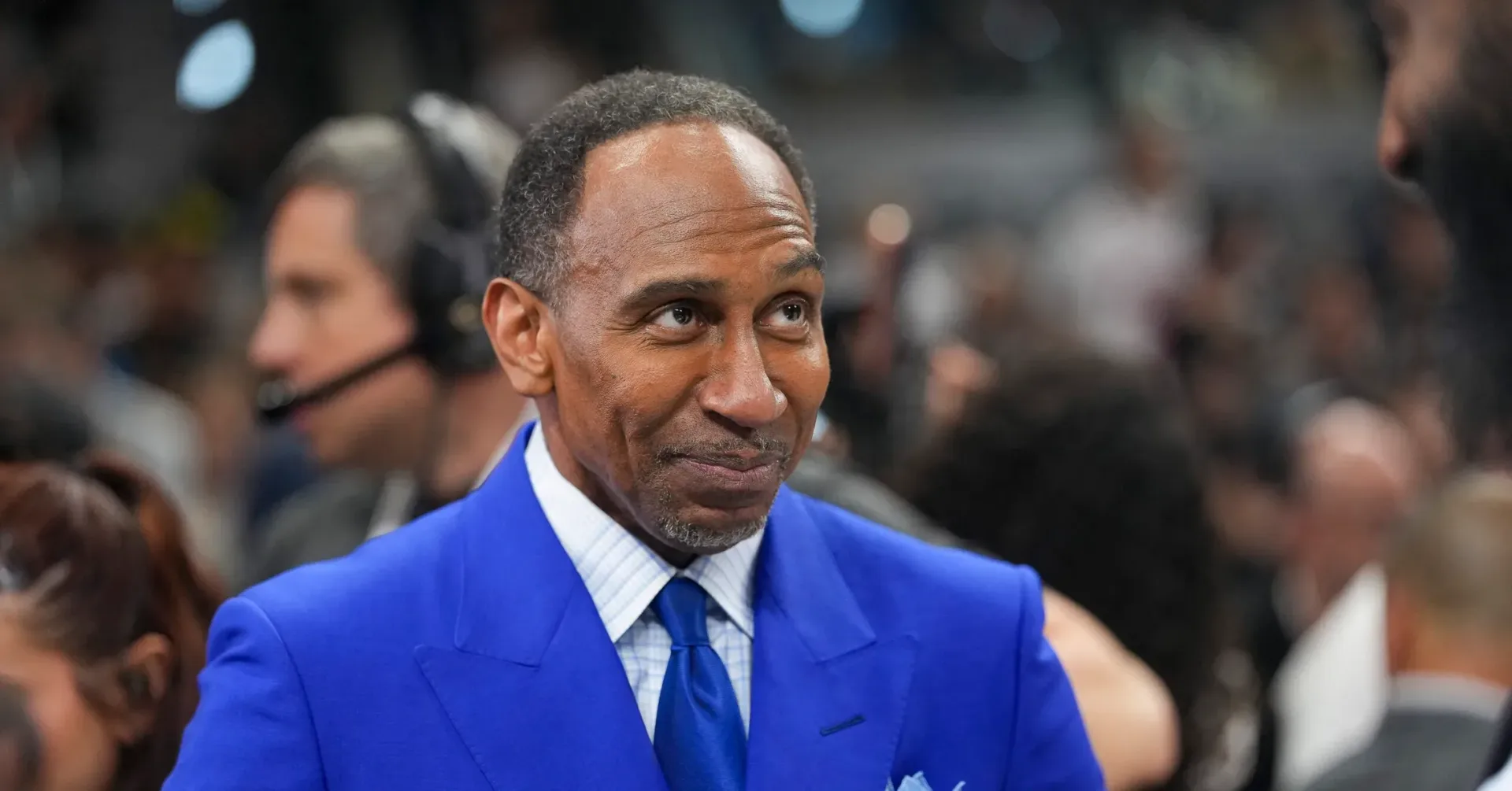
A long-form conversation involving Jemele Hill, Stephen A. Smith and Cari Champion has become a smaller but revealing dispute over what audiences saw, what they heard and what was actually made available. After the trio’s appearance on Flagrant & Funny, Smith said portions of the interview had been removed. Hill has disputed the implication that material was intentionally withheld, explaining that a mistake affected the video version while the complete audio had been available from the start.
The distinction matters. A missing segment in a video upload can look, at first glance, like an editorial decision—especially when the participants are public figures with a history of disagreements. But Hill’s account is more specific: she says the alleged missing roughly 20 minutes remain in the audio release, which listeners can access through iHeart, Apple Podcasts and other podcast services. In her framing, the gap is a production problem in one format, not an effort to suppress an uncomfortable part of the discussion.
Hill and Smith are not strangers to contentious conversations. Both previously worked at ESPN, and their public paths since then have included opposing views on various issues. That background naturally gives viewers a reason to scrutinize a three-hour sit-down intended to air grievances. Yet it also makes accuracy about the mechanics of the release especially important. When an incomplete video meets an already fraught relationship, a technical error can quickly be interpreted as something more deliberate.
The central disagreement is about the video, not the full conversation
Hill addressed the matter publicly on X after Smith’s claim. She said an editing error left some footage unaccounted for in the video. She also said neither she nor Champion handled the video process. Most importantly, Hill maintained that the complete interview audio was already out and that anyone curious about the alleged absent portion could hear it there.
That is the key fact audiences can use to separate two related but different questions:
- Was video footage missing from the released visual version? Hill says yes, because of an editing mistake.
- Was the content itself removed from public access? Hill says no, because the full audio contains the material in question.
Those are not interchangeable claims. A video can be incomplete while an episode, considered across its available formats, is still complete. Conversely, a full transcript and complete audio do not make a flawed video upload irrelevant; viewers who use only one platform may reasonably notice that something does not line up. The useful response is to identify the issue precisely rather than leap from an incomplete visual file to a claim of intentional censorship.
Hill said Smith’s team had been told about the error and had received a full transcript alongside an explanation of what happened. That detail is central to her rebuttal. If accurate, it means the production explanation and the full text of the conversation were conveyed to Smith’s side before the dispute developed further in public.
Why a three-hour conversation invites close reading
Long interviews create an unusual set of expectations. People do not just react to a headline or a brief clip; they expect the record to hold together across video, audio, social posts, transcripts and excerpts. A missing visual stretch can therefore create doubt even if the matching audio is online. Viewers may wonder whether the audio and video are synchronized, whether a host has added context elsewhere, or whether a clip circulating on social media accurately reflects the whole exchange.
In this case, Hill’s position is that there is no hidden revelation in the absent video portion. She urged people to check the audio themselves rather than treating the gap as evidence of a “smoking gun.” That invitation is a practical one: listen to the full episode and compare the available versions before settling on a theory about why the footage is absent.
It is also a reminder that “the interview” is no longer always a single object. A modern conversation may exist as a filmed production, an audio podcast, short-form clips, a transcript, platform-specific uploads and social-media fragments. An error in one version can be serious without necessarily changing the substantive record available in another. The reverse is true as well: a producer should not assume that a complete audio feed automatically resolves confusion created by a visibly incomplete video.
What audiences can verify without guessing
There is no need to decide whether the discussion successfully resolved the participants’ underlying tensions in order to assess the release issue. The productive approach is much simpler:
- Find the complete audio episode through the podcast services Hill identified.
- Listen to the portion described as missing from the video.
- Compare its subject matter and sequence with the available video upload.
- Keep the confirmed editing problem separate from assumptions about motive.
This does not require declaring one personality the winner of a debate. It means treating a technical discrepancy as a technical discrepancy until evidence establishes something else. Hill’s statement offers a direct explanation and points viewers to a version she says includes the full exchange. Smith’s claim made the missing visual material a public issue. Together, those facts make comparison—not speculation—the most meaningful next step for listeners.
The episode illustrates the risks of platform-first viewing
Video is often treated as the definitive form of a conversation because it supplies facial expressions, pauses and body language. That preference is understandable, particularly when a discussion involves established media personalities who have previously clashed. But the confidence viewers place in video can also make an editing error feel bigger than it is. If a visual upload skips ahead, audiences may infer a missing confrontation, concession or revelation before checking whether the episode exists in full somewhere else.
Audio, meanwhile, can feel less authoritative simply because it lacks pictures. In this case, Hill says it is the format that preserves the uninterrupted conversation. The mismatch flips the usual hierarchy: the video may be more immediately shareable, but the audio is the version Hill identifies as complete. It is a worthwhile example for anyone navigating interviews, livestreams, podcasts or clipped debate segments online.
The broader lesson is not that viewers should distrust video or blindly accept any production explanation. It is that format differences need verification. A platform can have the wrong cut, an upload can fail, a segment can be accidentally omitted, or a release can be updated after publication. None of those possibilities proves bad faith on its own. At the same time, transparent corrections and clear notices help prevent audiences from having to assemble the timeline themselves.
For a different look at how entertainment narratives can expand beyond the original event, see this examination of an AI-made trailer recasting a real corporate upheaval as horror. The details are unrelated, but the underlying media habit is similar: distinguish the underlying record from the version designed, edited or circulated for attention.
What Hill’s response does—and does not—settle
Hill’s response is unambiguous about her view of the release: she says the missing video material resulted from an editing error, the audio episode is whole, and Smith’s team knew the explanation. It also makes clear that she rejects suggestions of a covert effort to alter the substance of the interview.
Her statement does not require audiences to decide that every conflict aired during the three-hour conversation has vanished. The participants came to the table with history, and a long conversation can surface disagreement without producing a clean resolution. Whether the appearance was constructive is ultimately a subjective judgment for listeners and viewers. The narrower issue is more concrete: Hill says there is an audio record that includes what the video did not.
That narrowness is valuable. Discussions around media personalities often slide from a correct observation—some video is missing—to a far larger allegation about manipulation. Here, the available explanation calls for a more careful description: a visual version had an editing problem; Hill says the full audio and transcript account for the absent stretch; and she says the relevant team was informed.
For anyone following the exchange, the best evidence is not a viral reaction but the complete audio version Hill has directed people toward. It may not end arguments about Hill, Smith, Champion or the purpose of the interview. It can, however, answer the most immediate question raised by the missing footage: whether those approximately 20 minutes can still be heard in the public record.