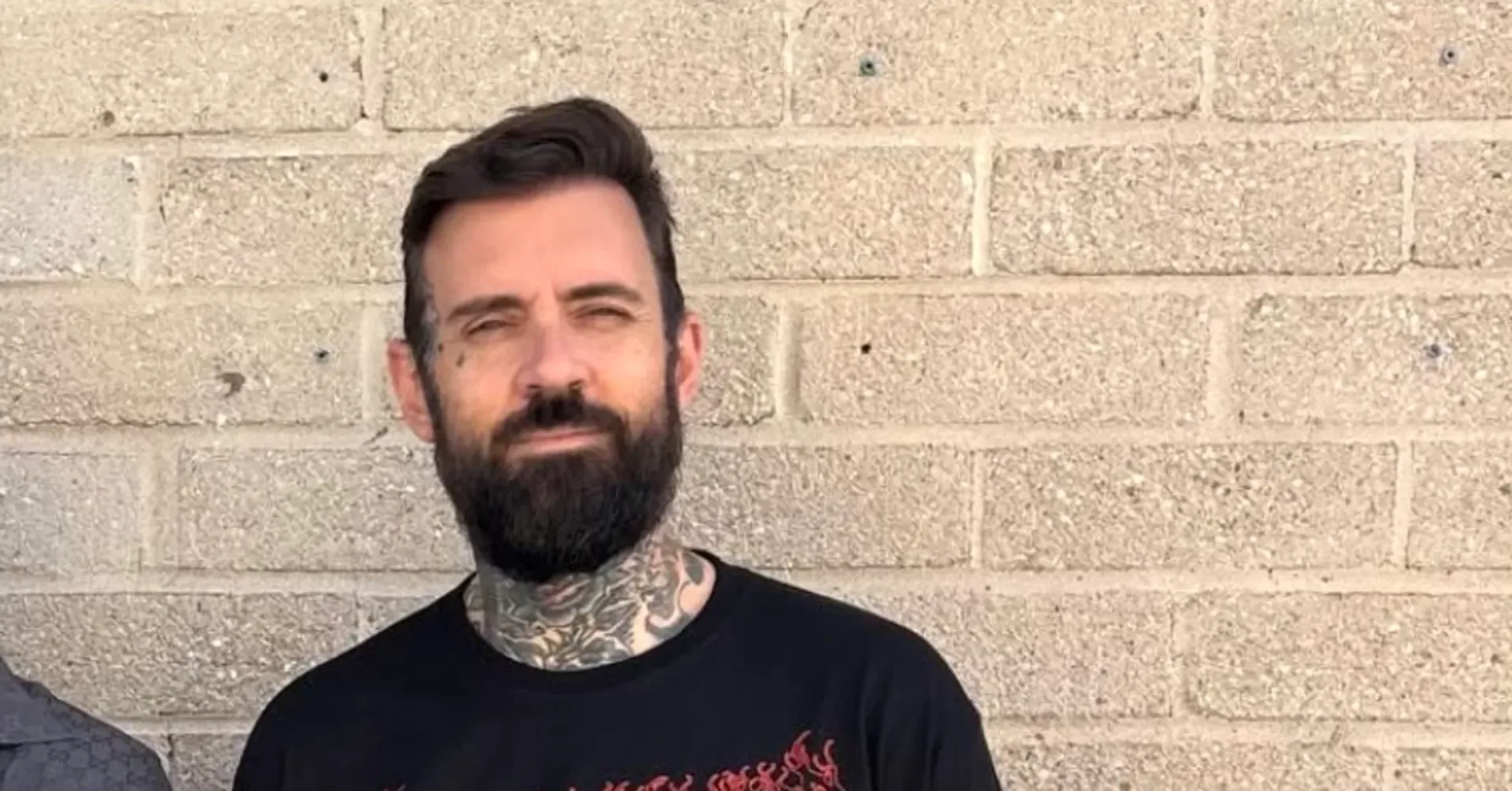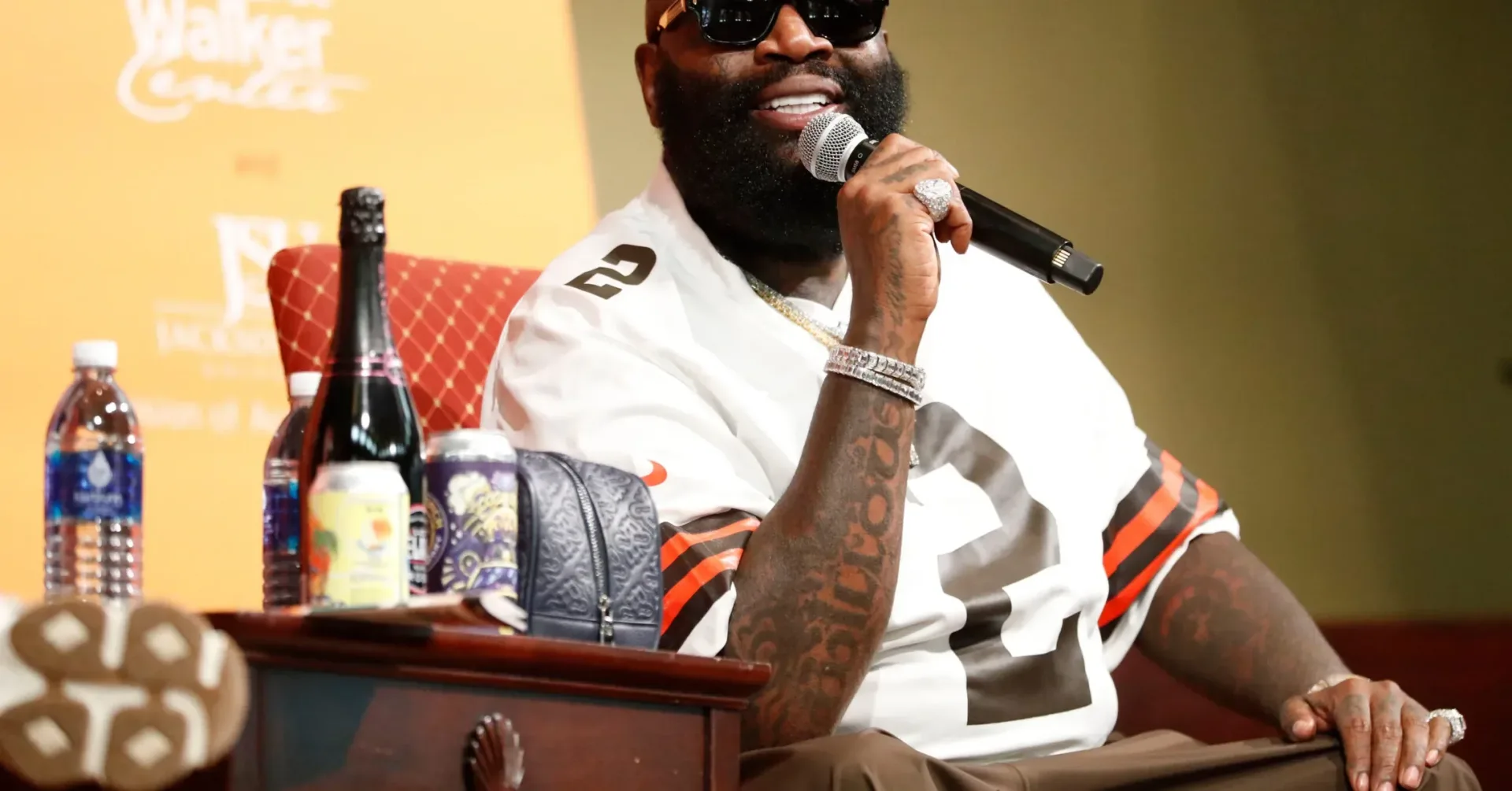
Jazzma Kendrick has accused Rick Ross of physically abusing her, sharing Instagram Stories that included photographs of what appeared to be an injured, swollen lip and statements describing an alleged assault.
In one response to an admirer who commented on her appearance and wondered what Ross saw in her, Kendrick wrote: “He saw a punching bag.” In another post alongside a selfie showing her lip, she said it was the day Ross allegedly injured her and the day she left the relationship.
Those are serious allegations. They are allegations, not established findings of fact, and the available posts do not say when or where the alleged incident occurred. Kendrick also did not say whether she reported the matter to police. At the time these posts were circulating, Ross had not publicly responded and no response from his representatives had surfaced.
What Kendrick said in her posts
Kendrick framed her posts around the decision to leave after alleged violence. She wrote that a man who puts his hands on her never loved her and never would. She also directed a broader warning toward people who may be in relationships that seem secure from the outside.
“It’s always good until it isn’t,” Kendrick wrote. “If a man hits you one time, he will do it again. Don’t give him the opportunity. Value your life and leave.”
That language matters because it moves beyond a single claimed incident and describes Kendrick’s understanding of what happened to her. It is not, however, a substitute for details that have not been provided publicly. The posts do not identify a date, location, witnesses, medical treatment, a police report, or any legal proceeding connected to the allegation.
In coverage of abuse accusations, the distinction is essential. A social-media statement can document what an accuser says and what images they chose to share, but it cannot on its own resolve disputed facts, establish criminal liability, or tell the public what a subsequent investigation might find. Reporting the claim responsibly means preserving both parts of the picture: Kendrick’s allegation is direct and grave, while many surrounding particulars remain unconfirmed in the available information.
Why the limited public record is important
Public allegations involving prominent people can rapidly become fodder for fandom arguments, feuds and repost accounts. That can obscure the central issue: a person has said she was harmed and has urged others facing violence to leave. It can also cause audiences to leap prematurely from an allegation to conclusions that the public record does not yet support.
Related coverage includes Jazzma Kendrick Alleges Rick Ross Physically Abused Her in Instagram Posts.
Several questions remain unanswered. Kendrick did not state when the alleged injury happened or where it happened. There is no indication in the available material that law enforcement was contacted. Ross had not issued a public statement when the allegation emerged. Those absences should not be treated as proof for or against either party; they define the limits of what can presently be said with confidence.
There is also a difference between an image that appears to show an injury and independent verification of the cause of that injury. Kendrick connected the image to Ross in her own written account. That is the allegation being reported. The photograph itself does not publicly establish the circumstances, timing or responsibility behind the injury.
Allegation, response and verification: three separate things
- An allegation is a claim that someone says occurred. Kendrick’s posts make a specific allegation of physical abuse.
- A response is a statement from the accused person or their representatives. No public response from Ross was available at the time described here.
- Verification can include corroborating evidence, official records, witness accounts, or findings from an investigation or court process. None of those details were included in the available posts.
Keeping those categories separate is not empty caution. It is how readers can take allegations of interpersonal violence seriously without turning incomplete information into certainty. It also protects against the online tendency to treat a celebrity dispute as a team sport.
Previous public attention around Kendrick and Ross
The pair had previously drawn attention after 50 Cent incorrectly identified Kendrick in a yacht video. Ross defended her publicly at the time, criticizing 50 Cent’s insinuation and describing the woman with him as a Black, beautiful woman. That earlier exchange is relevant only as context for why the two had already been publicly linked; it does not validate or disprove Kendrick’s later allegation.
After Kendrick’s posts, 50 Cent wrote online that domestic violence is not a joke, while noting the obvious backdrop of his long-running conflict with Ross. His reaction does not add independent evidence about the allegation. It does illustrate one of the pressures surrounding celebrity accusations: commentary from rivals can pull attention toward old disputes rather than the person who says she was harmed.
For audiences, that is a cue to be especially deliberate. A history of public arguments, viral clips or celebrity rivalries should not become a shortcut for deciding what happened. The core facts available are narrower: Kendrick publicly accused Ross of physical abuse, shared images she presented as related to the alleged incident, and said she left. Ross had not publicly addressed it at that point.
Social posts can inform the public, but they do not settle the matter
Instagram Stories are fleeting by design, even when screenshots or reposts extend their life. Their immediacy can allow people to speak in their own words without waiting for a formal statement. At the same time, the format often leaves important contextual gaps: timestamps, broader conversation history, and information about what happened before or after a photographed moment may not be publicly available.
That does not make Kendrick’s words insignificant. Her warning speaks directly to a concern that relationships can look normal or happy to outsiders while someone inside them feels unsafe. But it does mean readers should resist filling in unprovided details, including the exact nature of the relationship, a timeline of events, or any claim that an official case exists.
Careful reading is particularly important when viral discussion turns personal pain into content. The same principle applies in other celebrity-driven stories: separating documented information from online speculation is central to a fair account. Joking Joystick recently examined that tension in its look at rumors, privacy and viral celebrity speculation.
What the public should watch for next
The most meaningful developments would be direct, attributable information: a response from Ross or his representatives; additional statements from Kendrick; or, if either party chooses to make them public, records or proceedings that clarify the allegations. Until then, claims that go beyond Kendrick’s posts should be approached cautiously.
It is also worth avoiding language that implies an outcome that has not occurred. Describing Ross as “accused” reflects the known public record. Declaring the allegation proven, or dismissing it simply because the public lacks every detail, would go further than the available evidence permits.
For anyone personally dealing with violence or fearing for their safety, the immediate priority is safety rather than online debate. Reaching out to local emergency services, a trusted person, or a domestic-violence support organization can help create distance and identify options. Kendrick’s message was unequivocal: leave if it is safe to do so and value your life.
This remains a developing public allegation with substantial unanswered questions. Kendrick has made her account public. A public response from Ross had not emerged at the time covered here.