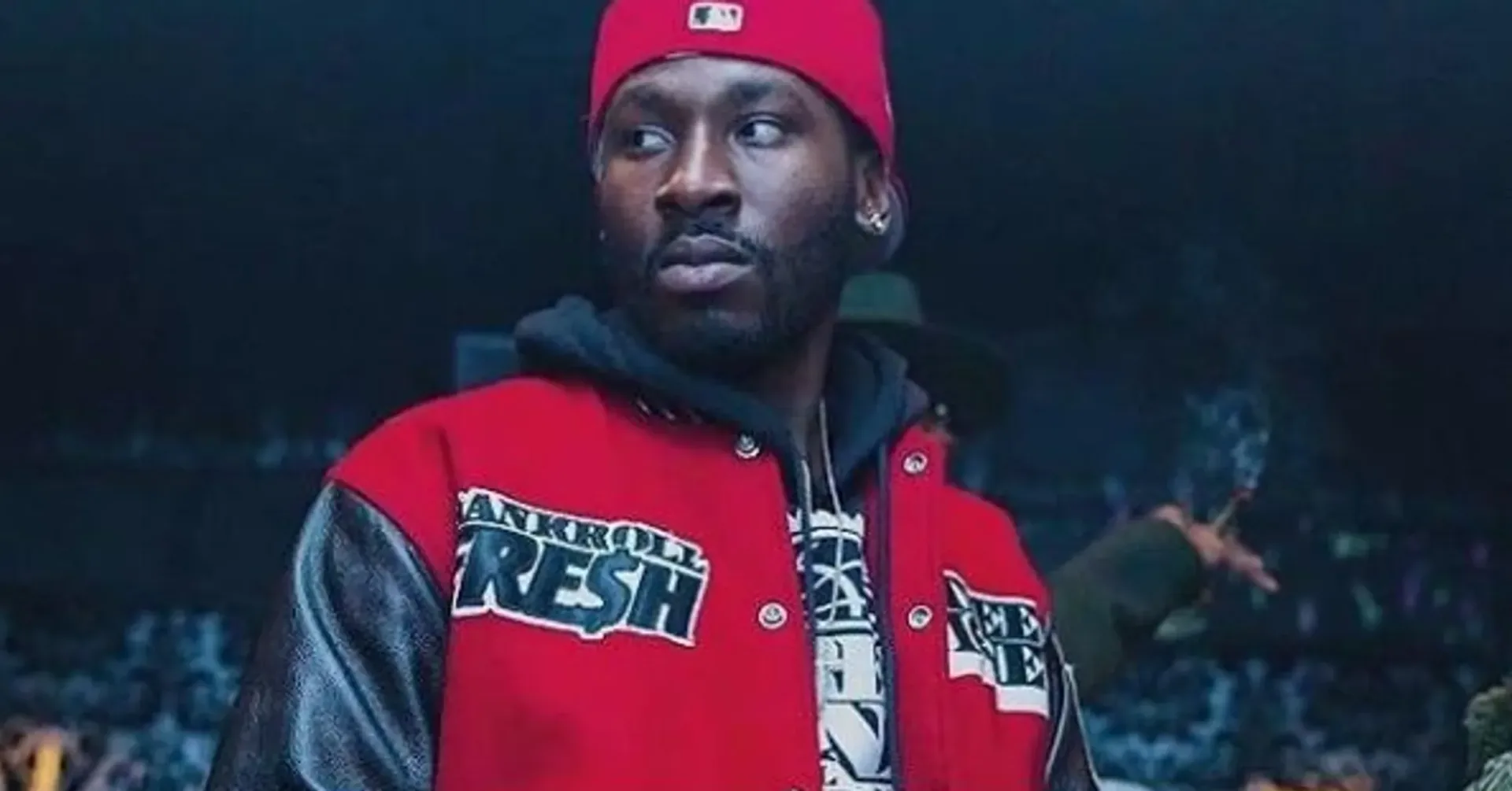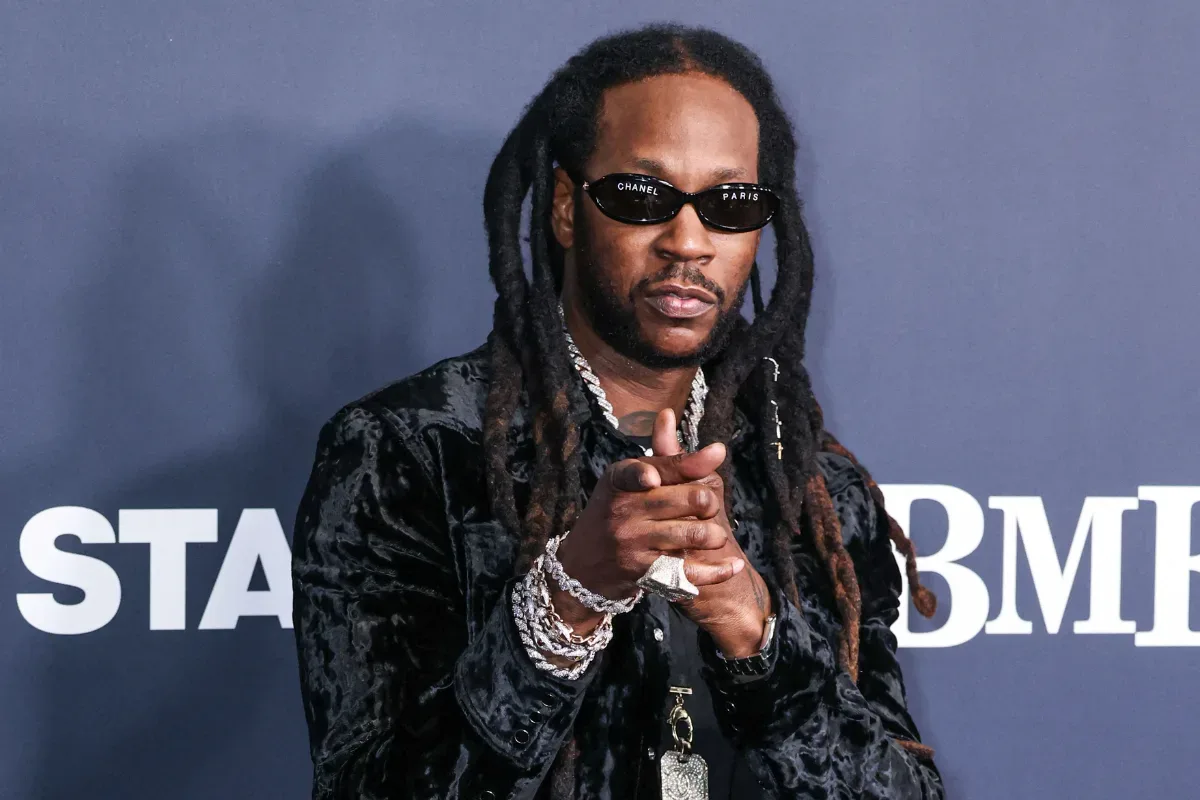
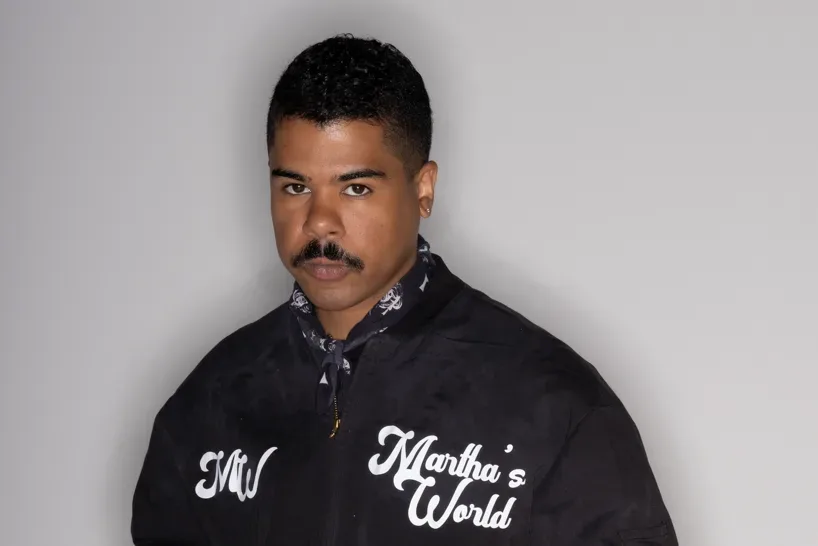
iLoveMakonnen’s recent path refuses the usual comeback-story template. There is no neat climb from obscurity to fame, no promise that a viral clip will restore an old commercial peak, and no suggestion that a day job is a temporary embarrassment to be edited out of the biography. Instead, the artist behind “Tuesday” is building a life in Portland that includes stocking shelves at a local supermarket, walking through neighborhood parks, making music in bursts, and thinking hard about what it means to be useful when celebrity is no longer the organizing force.
That does not mean he has stopped creating. Makonnen has continued releasing projects since 2021, and his new single “Lie 2 Me,” featuring longtime collaborator Key!, points toward their forthcoming joint album, Over It. The song is described as a blend of new-wave synths and romantic uncertainty: what Makonnen calls “situationship music.” More importantly, the collaboration appears to have restored a sense of ease. For him, working with Key! feels therapeutic rather than like another shift inside a music-business machine.
It is a meaningful distinction. A situationship is an emotionally charged romantic connection without the clarity or commitment of a defined relationship. It is a fitting frame for a song about wanting sincerity from someone whose affection may only arrive under certain conditions. But it also mirrors the broader tensions around Makonnen’s career: enduring creative ability, a complicated relationship with recognition, and an industry that he feels has not consistently met him with equal commitment.
From “Tuesday” to an intentionally different routine
Makonnen broke through in 2014 with “Tuesday” and signed with Drake’s OVO Records that same year. His melodic, hazy approach arrived during a period when rap discovery was being reshaped by blogs, internet-native audiences and rapidly evolving regional sounds. The records brought together loose, druggy imagery, unusual melodies and a left-field sensibility that helped make him a visible reference point for a later generation of eclectic internet rap artists.
His list of collaborators illustrates how widely his music traveled across rap’s shifting lanes: Drake, YoungBoy Never Broke Again and Lil Peep were all part of that orbit. Lil Peep, who later died, cited Makonnen as an influence. Yet influence and commercial security are not identical things. An artist can help open a door stylistically without receiving the sustained infrastructure, bookings or financial rewards that follow once a sound becomes broadly familiar.
Makonnen’s account complicates the fantasy that a breakout automatically produces a permanent place in the spotlight. He has experienced moves, partial retreats from public music life and a subsequent relocation away from New York. In Portland, the routine is smaller and less glamorous by design. He has talked about enjoying walks through Laurelhurst Park and Unthank Park, spending time talking to an AI bot, and working in retail. He has also said he is considering a future move to Atlanta.
There is a temptation to treat a known musician working in a supermarket as a novelty—an odd little viral-image package designed for a feed. Makonnen’s own explanation is more serious. He has said he wants to be helpful to his community and that service work makes him feel useful. This is not a story about a star “slumming it,” a framing he directly pushes against by wanting to experience the other side of how people perceive wealth and status.
When work clips go viral, the job can change
That tension became visible in August 2025, when Makonnen appeared in TikTok videos while flipping burgers at Little Griddle during a fundraiser for Burn Money Studios, which had been damaged by fire. One of the work-related clips passed 1.3 million TikTok views. The attention helped boost patronage, but Makonnen has also said that the popularity eventually disrupted normal operations.
It is a compact example of how online attention operates. A viral video can translate into real-world turnout and help a community event. At the same time, virality does not arrive with a volume knob. It can bring spectators to a workplace whose staff and physical space are intended for ordinary customers, not a flood of people hoping to see a familiar face.
For entertainers, social platforms can erase the boundary between persona and private employment. A video of a performer at work becomes shareable precisely because viewers see it as unexpected. The person in the video, meanwhile, may be trying to do something ordinary: contribute, earn money, or take part in a local fundraiser. Makonnen’s experience makes the practical point plain: public fascination can support a cause while making the work itself harder.
Music without the old commercial expectations
Makonnen has not presented himself as someone waiting passively for an invitation back into the mainstream. His post-2021 output has continued to explore glitchy electronic textures and emotionally conflicted songwriting. “Lie 2 Me” is part of that ongoing work, not an isolated nostalgia play built solely around a past hit.
Key! is central to the immediate next step. The rapper-producer has worked with artists including 21 Savage and Playboi Carti, while his history with Makonnen gives the collaboration more grounding than a one-off pairing engineered around algorithmic reach. Makonnen’s description of their sessions suggests the value lies in trust: music can be a space for expression rather than another performance of employability.
That is not the same thing as claiming the music business no longer matters to him. He has expressed frustration over the absence of label offers and over difficulty securing bookings, including an appearance as co-headliner at “Pride in Demand: Portland Queer Takeover” that he described as one of his least-attended shows. There is a gap between releasing good work and getting enough institutional support for that work to reach an audience at scale.
For fans, that means the most useful response is also the least romantic: follow the music rather than assuming a familiar name guarantees visibility. The attention economy moves quickly, and artists outside a label campaign or major touring cycle can be easy to miss even when they remain active. In Makonnen’s case, the forthcoming Over It is the clearest project to watch, while “Lie 2 Me” offers the immediate entry point.
Rap’s ongoing relationship with games and digital culture makes these independent routes especially notable. Radio, streaming, clips, creator platforms and game soundtracks can all shape how a track travels. For a separate example of music culture becoming part of a game-world conversation, GTA VI’s Vice City rap-radio discussion shows why placement, memorialization and sonic context can matter as much as traditional release cycles. None of those channels, however, substitutes for reliable support of artists in the present.
Coming out, visibility and a cost that does not disappear
Makonnen was among the first mainstream rappers to publicly come out as gay. That fact is inseparable from any discussion of his place in the genre, because he believes it contributed to his ostracization. He has argued that rap still does not welcome LGBTQ+ people as fully as it should, despite a larger visible number of queer artists today.
This should not be reduced to a simple progress narrative. More visible queer artists can signal real cultural change, but visibility does not automatically resolve the industry structures that determine who gets booked, promoted, signed or treated as commercially viable. Makonnen’s remarks place those questions at the center: representation is not merely about whether someone can exist openly; it is also about whether openness is punished through diminished opportunity.
He has framed his decision to be open as something done for younger artists as much as for himself. It is a difficult position, because a person can become proof that honesty is possible while also becoming an example of its costs. His stated regret is not that he was honest, but that the world does not always reward authenticity. The distinction matters. It resists the comforting idea that bravery is always followed by applause, work and security.
There are personal losses beneath those professional frustrations. Makonnen has spoken about the death of Lil Peep and about late apologies from estranged, seriously ill relatives. He has also described isolation in Portland with unusual bluntness: if he is not organizing the gathering and inviting people, nobody may arrive. The quieter life has offered clarity, but it has not removed loneliness.
Useful does not mean famous
The strongest thread in Makonnen’s present-day story may be his refusal to let fame define usefulness. Before celebrity, he had experience in the service industry. Returning to work that directly helps people does not erase the impact of “Tuesday,” his later catalog, or his role as an openly queer figure in rap. It does change the terms on which he measures a life.
There is no need to romanticize precarity or suggest that artists should have to take ordinary jobs because creative work is undervalued. Makonnen’s frustration over bookings and industry neglect remains part of the picture. But neither should a retail job be treated as evidence that an artist has failed. His work is presented as a choice with dignity, a way to participate in a community and step outside an image of constant celebrity consumption.
“Lie 2 Me” and Over It leave open the possibility of another artistic turn, whether or not it resembles the scale of 2014. Makonnen’s current life instead argues for a less tidy measure of success: continuing to make work that feels honest, contributing where he lives, and refusing the idea that a person’s value begins and ends with the size of the crowd.