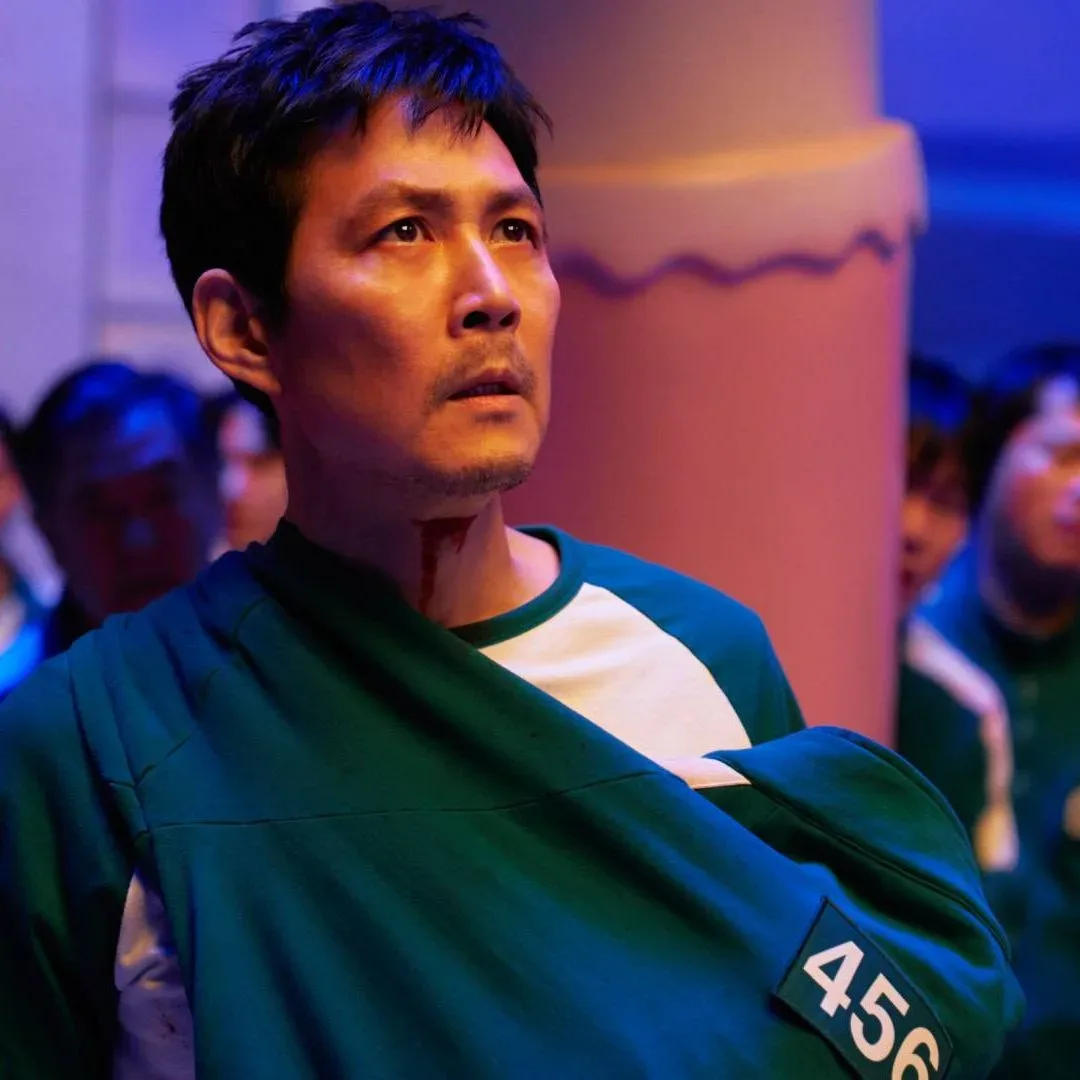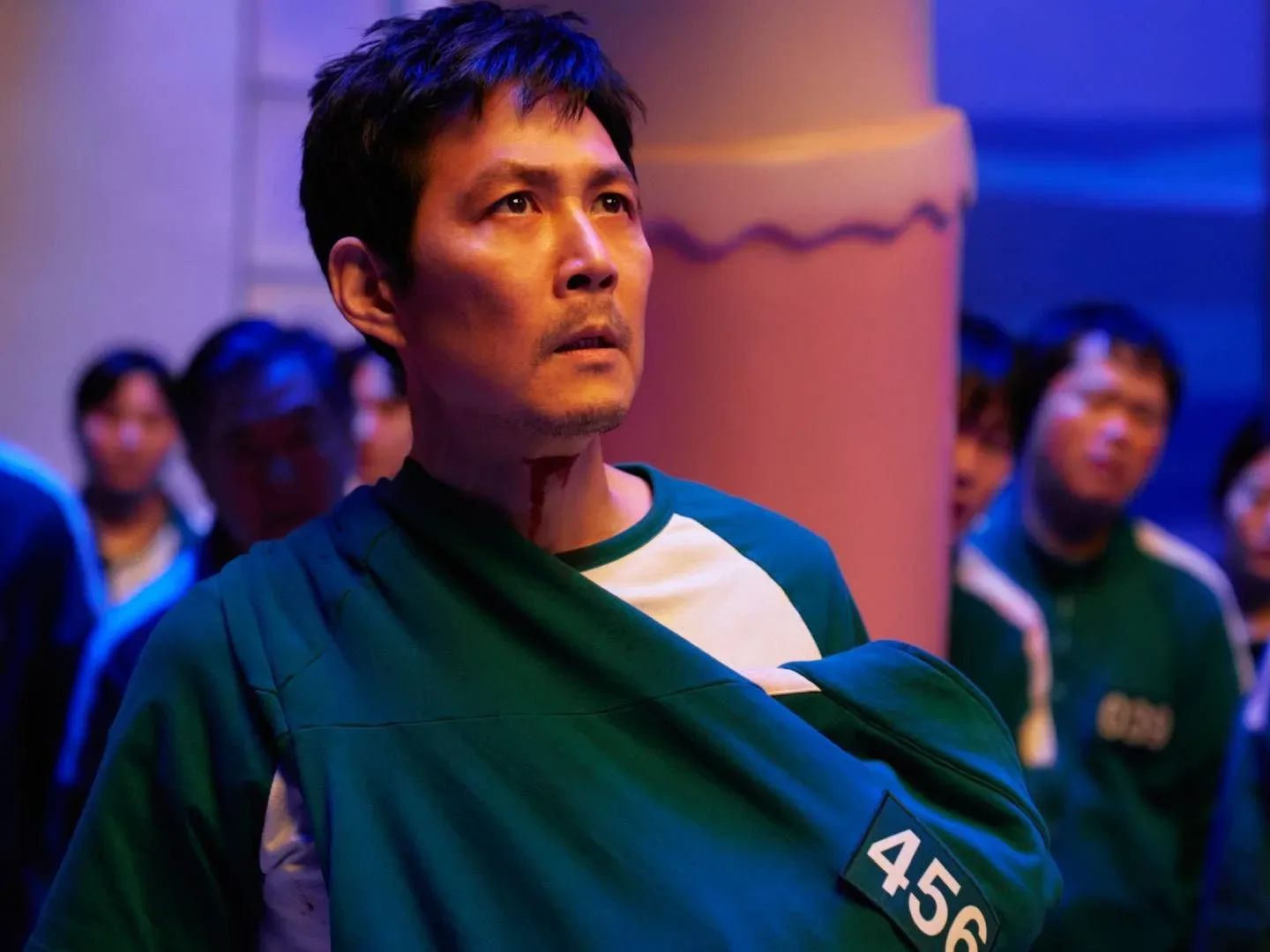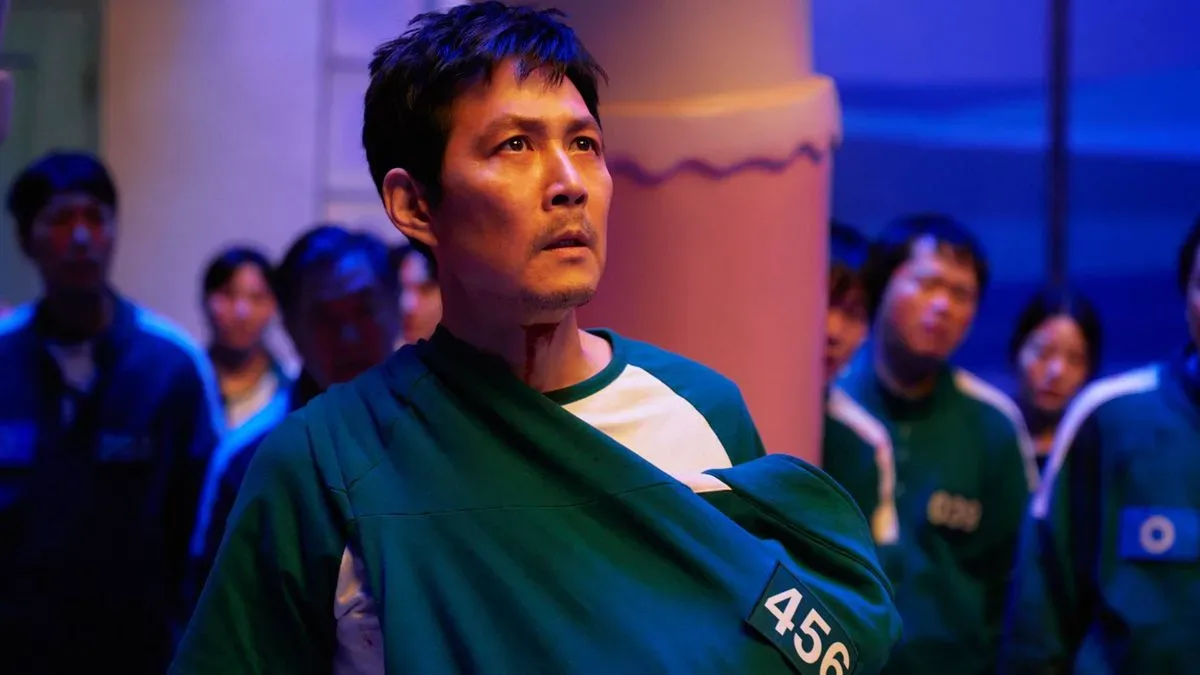
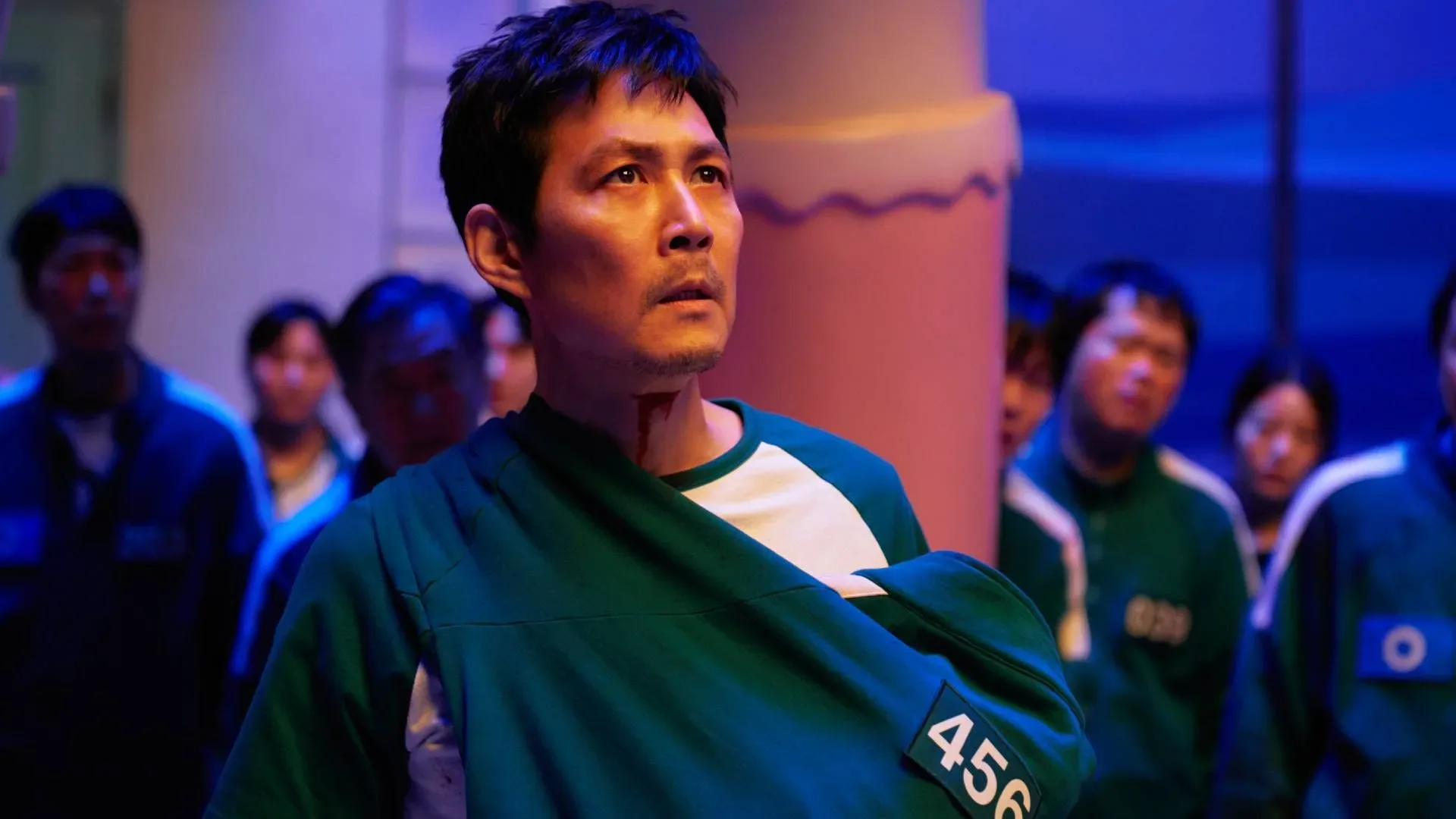
Squid Game may have ended its three-season run, but creator Hwang Dong-hyuk has not ruled out returning to its world. Speaking at the Doha Film Festival, Hwang said he expects he could one day revisit the franchise if he finds an idea worth pursuing. That is a creative possibility rather than a newly confirmed production, and Hwang also made clear that the decision does not rest solely with him: Netflix owns the intellectual property.
“As far as I’m concerned, someday I’ll get back to Squid Game,” Hwang said. “When I have a great idea, I’ll make another one.”
For fans, the important distinction is between interest and an actual green light. Hwang has expressed openness to making something else under the Squid Game banner, but did not identify a premise, format, cast, release window, or project currently in development. His remarks instead establish a condition: a return would depend on a concept he considers strong enough.
Netflix owns the IP, and that changes the conversation
Hwang’s other point is just as significant. He said that Squid Game is not his to expand independently because Netflix owns the IP, short for intellectual property. In entertainment, IP generally means the protected creative property around a title: its name, characters, setting, concepts, and the commercial rights used to turn it into new seasons, adaptations, or related productions.
That ownership structure means a future Squid Game project would need to align both with Hwang’s creative interest and Netflix’s plans for the franchise. A creator’s willingness to return is meaningful, particularly when the original creator is so closely associated with a series’ identity. It is not, however, the same thing as Netflix commissioning a follow-up.
The franchise has already demonstrated that it can move beyond the scripted drama. Netflix released Squid Game: The Challenge, an American reality competition based on the show’s premise. That existing adaptation shows the property has been used in a different format, although it says nothing by itself about what Hwang’s potential return might be.
Why the original premise connected
Squid Game follows Seong Gi-hun, a desperate man who enters a lethal competition alongside 455 other cash-strapped participants in pursuit of a major prize. The dystopian setup turns familiar childhood games into high-stakes survival contests, but its tension is rooted in the players’ financial desperation rather than the games alone.
Hwang connected that foundation to his own circumstances while writing. He said the creative starting point was a period when he had very little money and imagined whether he himself would enter such a competition. He specifically recalled being broke in 2009 and having roughly $5 in his account.
Related coverage includes Hwang Dong-hyuk Says He Could Return to Squid Game With the Right Idea.
That background helps explain why the series’ central hook is more than a visual gimmick. The games are the immediate spectacle, yet the premise asks what extreme economic pressure can make people consider, and how a contest framed as opportunity can exploit those who have few alternatives. Any new work from Hwang would face the challenge of finding a fresh dramatic question rather than simply recreating recognisable iconography.
A huge hit brought pressure as well as reach
The first season became an enormous success for Netflix. It earned a near-perfect Rotten Tomatoes score on debut and remains Netflix’s most-watched series, as listed by Tudum. With that kind of visibility, a continuation was never going to be treated as just another season of television.
Hwang described the demand for seasons two and three as difficult. He said there was pressure from Netflix and repeated questions about when the next seasons would arrive, calling the situation “a nightmare.” His comments offer a useful reminder that commercial success can narrow the distance between a finished story and an expected franchise.
He also described a personal creative rule for managing that pressure: he tries to make work he wants to make, while hoping audiences respond to it, rather than beginning from an attempt to engineer something people will like. It is a philosophy that puts the creator’s own interest first, not out of indifference to the audience, but as a way to preserve the judgment that made the original work distinctive.
That framework makes his latest comments more measured than a straightforward promise of more Squid Game. Hwang is not suggesting he will return merely because the brand remains valuable or popular. He is saying that he may return if he arrives at a creative reason to do so.
What this does—and does not—say about a U.S. version
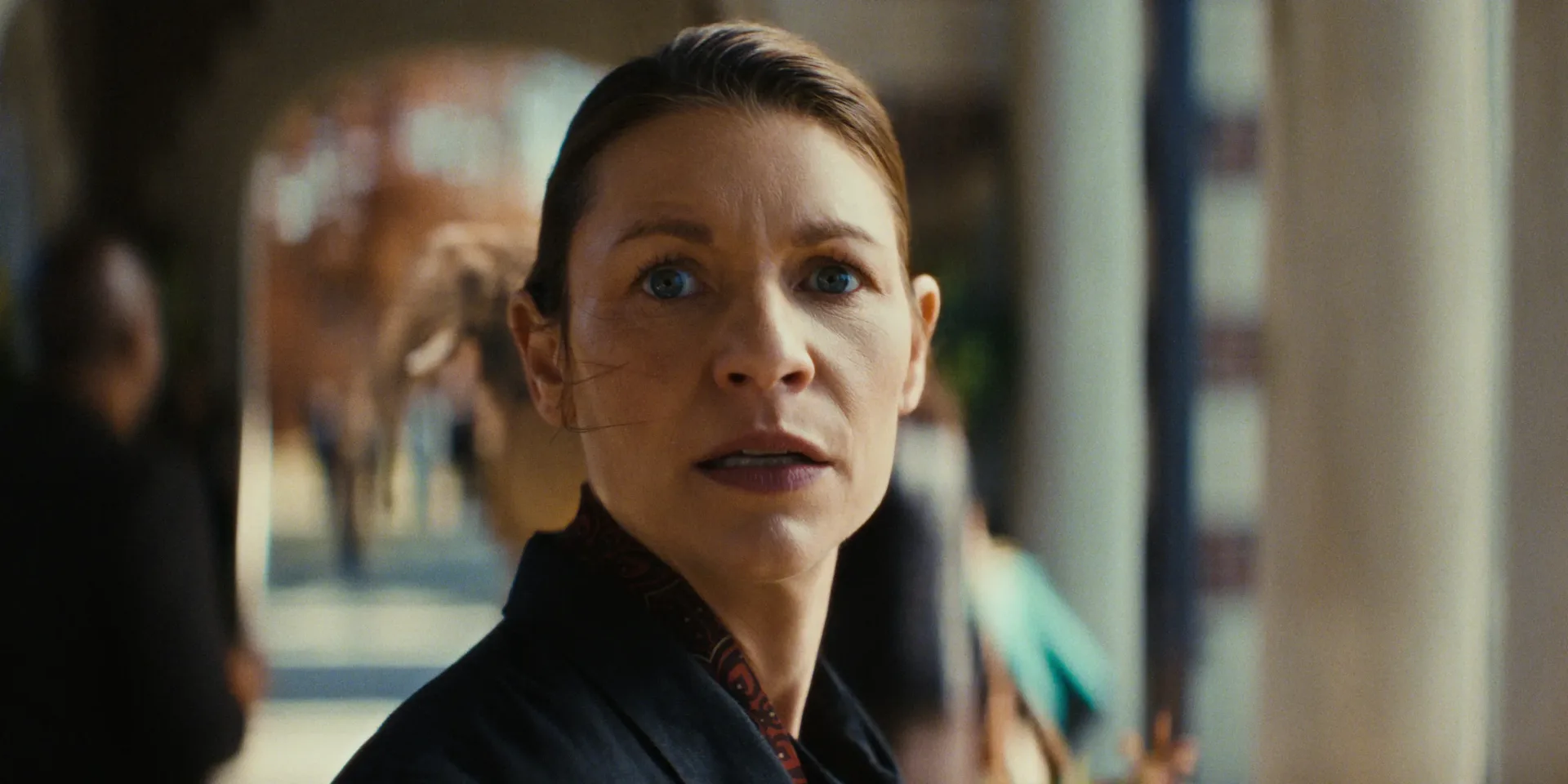
Discussion around the franchise has also included a reported U.S. remake tied to director David Fincher. The ending of season three included Cate Blanchett as a new recruiter, a scene that was understood as pointing toward that American expansion. But reports have since suggested the project may no longer be moving forward.
That uncertainty should be kept separate from Hwang’s remarks. His willingness to make another Squid Game project does not confirm a U.S. remake, validate reports about its status, or reveal that any particular spinoff is being revived. It simply leaves open the possibility that the original creator could return to the franchise at some point.
It also leaves several practical questions unanswered. Would a new idea be a continuation centered on familiar characters, an anthology within the same broader premise, or a different format altogether? Would it be made for the same audience and platform as the original series? None of that has been specified. Until Netflix announces a project, viewers should treat the remarks as a statement of creative openness, not a production update.
What audiences can reasonably take from Hwang’s comments
- There is no confirmed new scripted series. No title, production schedule, story details, or release date were disclosed.
- Hwang has not closed the door. He said he expects to return if he gets a great idea.
- Netflix has a decisive role. Because it owns the IP, franchise expansion is not Hwang’s decision alone.
- The original series is complete to date. Seasons one through three are available to stream on Netflix.
- Separate projects remain separate questions. The reality competition exists, while the reported Fincher-linked U.S. remake has been described as potentially dead.
For now, Squid Game occupies an unusual position: its main story has reached its stated conclusion, its world has already been adapted in another form, and its creator remains emotionally and creatively open to returning without committing to a defined next chapter. In a streaming landscape where recognizable franchises can be extended quickly, Hwang’s stated threshold is notably simple: he wants the right idea first.
That may be the best reason to avoid reading too much into the possibility. The series’ future, if it has one, depends on more than public appetite. It depends on an idea that satisfies the creator, a rights-holder willing to pursue it, and a form that has something meaningful to add beyond the completed three-season story. For another look at how television franchises balance continuity and expansion, see our coverage of the historical connective tissue being explored in VisionQuest.