Hollywood’s 2027 Oscar season is getting underway in Los Angeles with the 17th Governors Awards, an evening that operates on two tracks at once. It is a celebration of long careers and major artistic contributions, but it is also an early gathering point for people with new films seeking attention during awards season.
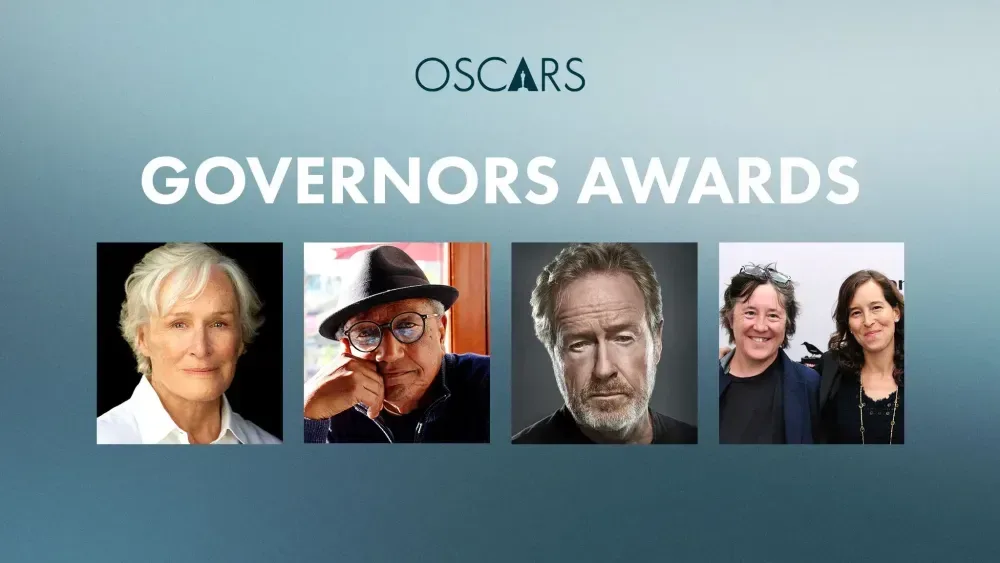
This year’s honorees connect several very different corners of film history: performer Glenn Close, filmmaker Ridley Scott, animator Floyd Norman, and producers Christine Vachon and Pamela Koffler. Close, Scott and Norman are set to receive honorary Oscars, while Vachon and Koffler will receive the Irving G. Thalberg Memorial Award.
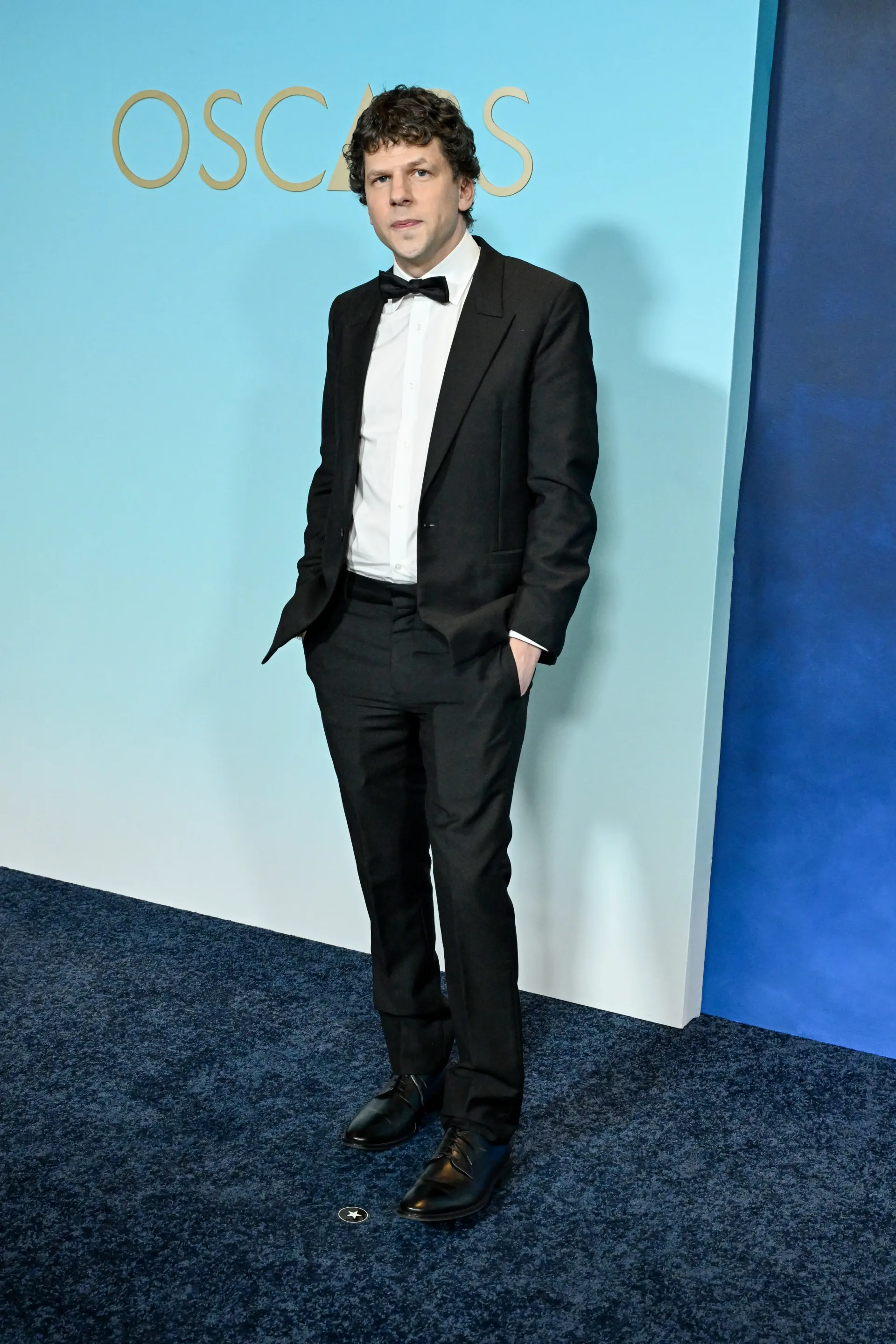
The event arrives after a weekend affected by flight delays, yet its role in the calendar remains clear. Academy governors from 19 branches are expected to be among the attendees, creating a significant early opportunity for creative teams to be present in the same room as awards voters and fellow filmmakers. Films mentioned among the projects represented span large-scale work such as The Odyssey and La Bola Negra, alongside more intimate titles including Wild Horse Nine and The Debut.
Why the Governors Awards matter in an Oscar race
The Governors Awards are not the Oscars ceremony itself. Rather, they are an Academy event built around recognizing careers and contributions that do not fit neatly into a single year’s competitive categories. The distinction matters: a competitive Oscar is tied to a particular performance or film in the awards cycle, while an honorary Oscar recognizes achievement over time.
That setting also makes the evening a meaningful campaign stop. Awards campaigning, in this context, is the work of keeping a film and its creators visible to voters through screenings, conversations and industry events. The source material does not establish which specific films or people are campaigning, nor does it make any prediction about nominations. But the gathering’s value is practical: it puts current contenders in an environment shared with Academy governors across the organization’s branches.
For viewers, that can make the event an early signal of the season’s broad shape rather than a scorecard. A night such as this does not decide a race. It does, however, bring together films with markedly different scales and sensibilities before the awards conversation intensifies.
Glenn Close’s career honor follows eight acting nominations
Glenn Close is set to receive an honorary Oscar after earning eight competitive acting nominations: four for Best Actress and four for Best Supporting Actress. That is a notably balanced record across the Academy’s two acting categories, reflecting a career that has moved between leading and supporting work while repeatedly reaching awards consideration.
The honorary Oscar is especially resonant because it is separate from those eight nominations. It does not revise the outcomes of prior competitive races; instead, it recognizes the accumulated weight of a body of work. That difference is worth stressing when career awards are discussed. An honorary Oscar is not a “make-up” prize for a particular loss, and it is not attached to a current film. Its purpose is to acknowledge contributions that extend beyond the boundaries of one awards year.
Related coverage includes Governors Awards Open the 2027 Oscar Season in Los Angeles.
Close’s recognition gives the ceremony one of its clearest examples of that principle. Eight nominations already place decades of work in the Academy’s competitive record. The new honor turns the focus from individual campaigns to the larger arc of an actor’s career.
Ridley Scott will accept remotely
Ridley Scott is also receiving an honorary Oscar. He has previously been nominated three times for Best Director, for Thelma & Louise, Gladiator and Black Hawk Down. Those nominations identify a career that has been recognized across films with very different subjects and settings.
Scott will not attend the ceremony in person and is expected to accept the honor through a prerecorded video. The remote acceptance changes the format, not the meaning of the award: the recognition remains an Academy tribute to a filmmaker whose work has returned to the Best Director race on three occasions.
There is a useful distinction here between a director’s awards record and the full scope of a career honor. Best Director nominations assess specific films in specific years. An honorary Oscar considers sustained impact, and it can account for the broader creative legacy that a single competitive category or result cannot fully capture.
Floyd Norman’s animation legacy receives an honorary Oscar
Animator Floyd Norman will be another honorary Oscar recipient. He is known for work on Disney classics including The Jungle Book and Sleeping Beauty, two titles that underline the ceremony’s attention to filmmaking beyond performers and live-action directors.
Animation is a collaborative discipline, involving artists and technicians whose contributions shape a film’s motion, design and character expression. An honor for Norman places that craft directly alongside recognition for acting, directing and producing. In a ceremony built around career achievement, that breadth is important: film history is made not only by the people most visible on posters and red carpets, but also by the artists responsible for how a movie looks and moves.
For audiences who follow modern franchise filmmaking, the connection is easy to see even without forcing a direct line between unrelated productions. Major screen worlds rely on deep teams of creators across disciplines, a point that remains relevant as projects such as the coming together of Marvel’s original X-Men and Avengers: Doomsday keep the industry’s attention on the scope of contemporary movie production.
Christine Vachon and Pamela Koffler receive the Thalberg Award
Producers Christine Vachon and Pamela Koffler of Killer Films will receive the Irving G. Thalberg Memorial Award. Unlike an honorary Oscar, the Thalberg Award is named specifically for film producers, making it a fitting recognition for a producing partnership.
A producer’s role can cover a wide range of responsibilities, from helping shepherd projects creatively to organizing the conditions that allow a film to be completed and reach audiences. The provided information does not detail Vachon and Koffler’s individual filmography or their particular production methods, so it would be wrong to attach unverified credits or claims to the honor. What is established is that the Academy is recognizing them through an award designed to spotlight producers.
That makes their inclusion a useful reminder that awards-season conversations often center on actors and directors, while producers are integral to the films that eventually enter those conversations. The Governors Awards’ list of honorees deliberately expands the spotlight: actor, director, animator and producers are each being acknowledged through honors suited to their work.
A ceremony built around both legacy and the present
The red carpet and ceremony will bring together current awards hopefuls and established figures receiving career recognition. That mix is the essential character of the Governors Awards. New films can gain visibility in an influential industry setting, while the formal awards themselves emphasize accomplishments that have already stood the test of time.
The scale of projects represented around the event ranges from spectacles to intimate dramas. That variety should not be mistaken for evidence that all those titles are competing in identical races or categories; no such claims have been established. It does show the breadth of filmmaking that tends to converge when the Oscar season begins.
As the 2027 campaign moves forward, nominations and winners will ultimately create their own headlines. For now, the Governors Awards’ confirmed story is more durable: a night reserved for recognizing Glenn Close’s extensively nominated acting career, Ridley Scott’s directorial legacy, Floyd Norman’s animation work, and Christine Vachon and Pamela Koffler’s producing achievements.