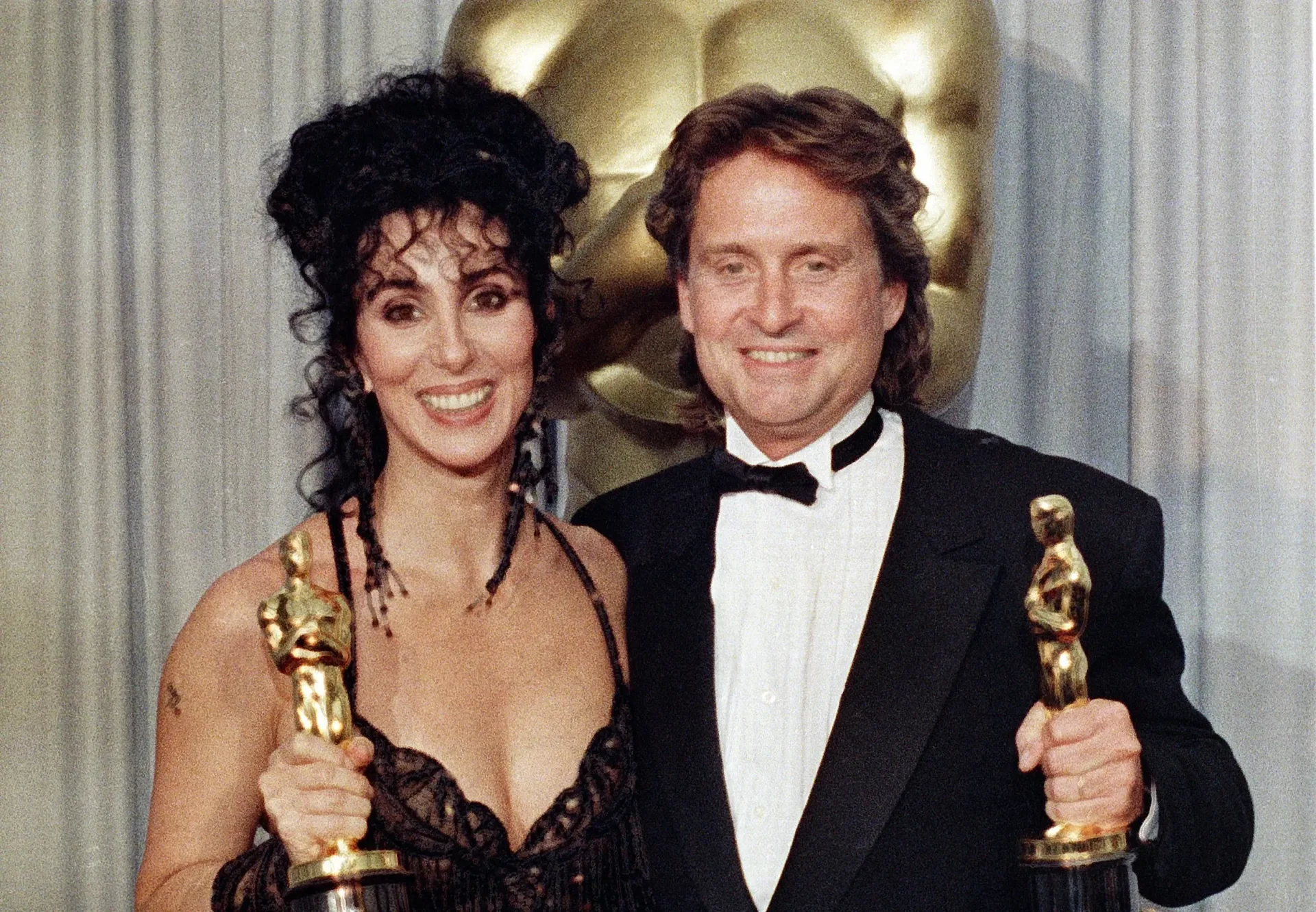

Teyana Taylor has addressed the moment she applauded Amy Madigan’s Oscars victory in the Best Supporting Actress race, saying her response came from a genuine place of support rather than a performance for the cameras.
In a November 12 cover interview, Taylor explained her approach plainly: “Whether I win or lose, I’m going to celebrate my peers.” Her explanation centers on the relationship she and Madigan developed throughout awards season, when nominees often share the same events, screenings, interviews and ceremonies while competing for the same prize.
Madigan ultimately won the Academy Award for her work in Weapons at the March 15 ceremony. Taylor had been nominated for One Battle After Another, in a field that also included Wunmi Mosaku for Sinners and Elle Fanning and Inga Ibsdotter Lilleaas for Sentimental Value.
For Taylor, the response reframes a familiar awards-show image. Applause from nominees who do not win can easily become an isolated viral moment, inviting viewers to guess whether an expression is gracious, awkward, disappointed or strategic. Taylor’s account is more straightforward: she says she and Madigan were friends and had actively supported each other, making the celebration an extension of that connection.
A competitive category, but not a zero-sum relationship
Best Supporting Actress was, by definition, a contest with one winner. But Taylor’s comments draw an important line between the competitive structure of an awards ceremony and the interpersonal experience of moving through an awards campaign.
An awards season is the stretch of festivals, nominations, guild and critics’ prizes, press engagements and major ceremonies that leads to the Academy Awards. For performers, it can mean repeated public appearances alongside the people against whom they are nominated. The process may place artists in direct competition on a ballot, but it can also produce a small professional community with shared pressures and shared milestones.
Taylor’s stated principle is that another performer’s recognition does not erase her own work. That distinction matters in a culture that routinely turns awards races into simple scoreboards. A nominee can be disappointed not to receive an Oscar and still be sincerely happy for the person who did. There is no contradiction in those emotions.
Madigan’s victory for Weapons was the category’s formal result. Taylor’s reaction, as she describes it, was about honoring a peer she had come to know rather than treating the loss as a reason to withhold enthusiasm.
Related coverage includes Teyana Taylor Explains Why She Cheered Amy Madigan at the Oscars.
One Battle After Another still had a major Oscar night
Taylor did not take home the supporting-actress Oscar, but One Battle After Another was among the ceremony’s biggest winners. The film won Best Picture, while Paul Thomas Anderson received Best Director and Sean Penn won Best Supporting Actor.
Best Picture is the Academy Awards’ top film honor, recognizing the overall production rather than one individual performance. A Best Picture victory is consequently a shared achievement across a film’s creative and producing team, and it placed Taylor’s nominated film at the center of the evening even though the acting award went elsewhere.
That context does not diminish the personal importance of an individual nomination. Instead, it shows why one awards-night narrative can contain several different outcomes at once: Madigan’s individual victory, Taylor’s individual loss in a highly competitive category, and a sweeping collective win for Taylor’s film.
The result also follows a strong awards-season run for Taylor. She won the supporting-actress Golden Globe on January 11, receiving an ovation connected to the performance that later earned her Oscar nomination. During her Golden Globe acceptance speech, Taylor addressed Black women and girls watching.
That January recognition and the Oscar nomination mark significant milestones in the same season, regardless of the final Academy Award result. Awards are often discussed only in terms of who wins on one night, but nominations and earlier major prizes remain concrete acknowledgments of a performance’s impact among voting bodies.
Why the applause became a talking point
Public reactions at awards shows receive unusual scrutiny because the camera is always ready to capture them. A brief shot can travel farther than a speech, a performance clip or a full interview. It is also easy for viewers to attach a narrative to a few seconds of applause without knowing what relationships or conversations exist beyond the televised frame.
Taylor’s explanation supplies that missing context: the support she showed was rooted in a real friendship with Madigan and in their mutual encouragement during the campaign. It is a useful corrective to the assumption that a visible response from a losing nominee must be forced or emotionally uncomplicated.
The broader practical implication is simple. Awards coverage can acknowledge the mechanics of a race without reducing the people in it to rivals alone. Categories select one winner, but an artistic community does not stop being a community when an envelope is opened.
That reading also fits Taylor’s own record from earlier in the season. Having been on the receiving end of an ovation after her Golden Globe win, she says she chose to extend that same generosity to another nominee when the Oscar went to Madigan.
A separate Oscars-night incident
Taylor’s Oscars experience also included a separate tense moment after the ceremony. Reports described a confrontation with a security guard as Taylor attempted to rejoin the One Battle After Another cast for a Best Picture photograph.
That incident should be kept distinct from the onstage supporting-actress result and from Taylor’s comments about Madigan. The security issue concerned access to a cast photo after the ceremony; Taylor’s newly discussed remarks concern her applause for the winner of her acting category. Combining them would obscure what Taylor is actually clarifying.
Her message about Madigan is not framed as an argument about whether competition exists. It is a statement of how Taylor wants to conduct herself within it: celebrate the work and achievements of peers even when the final award is not hers.
The value of an awards-season perspective
It is tempting to treat the Oscars as a single all-or-nothing finish line. Taylor’s season shows why that framing is too narrow. She won a Golden Globe, earned an Academy Award nomination, watched her film take Best Picture and other major honors, and publicly celebrated the performer who won her category.
Those facts can all stand together. They tell a fuller story than a winner-and-loser binary: a successful season for Taylor and her film, an Oscar victory for Madigan, and a public display of professional support that Taylor says was entirely sincere.
For another recent look at how major awards ceremonies are evolving beyond the Oscar calendar, see the plans for the 2027 Grammys Premiere Ceremony.