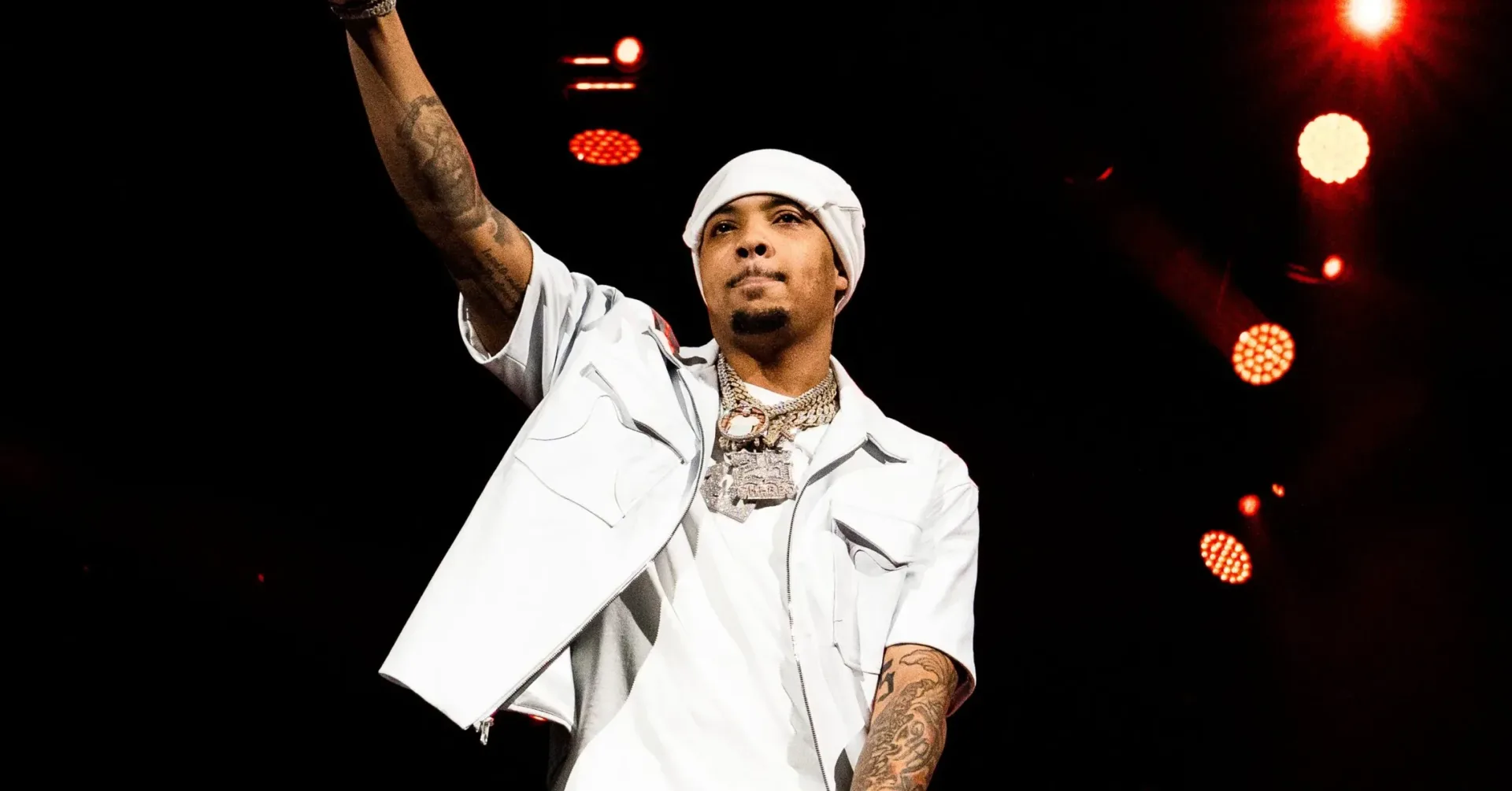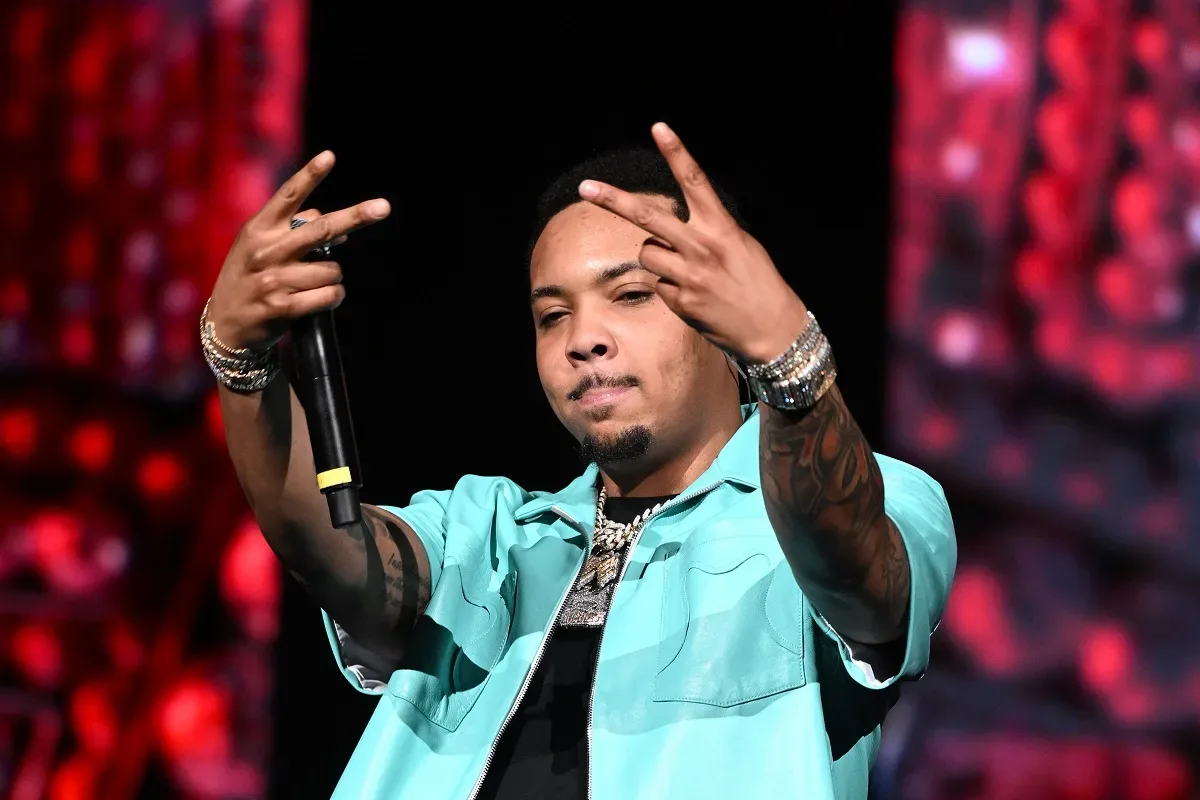
G Herbo says he is stepping away from rap, framing the decision as a present-tense break from an industry he described in sharply negative terms rather than an absolute, permanent farewell.
During an Instagram Live, the Chicago rapper said he had reached heights he once could not have imagined and thanked the people who have followed his work. But he also said rap is no longer where his priorities sit. His complaint about an industry “full of weirdos and snitches” supplied the bluntest explanation, while his broader comments pointed to a personal recalibration after roughly 15 years in music.
“Maybe I’ll retire and come back like Mike. You never know how I’ll be feeling five years from now. Right now, man, I’m done with this rap shit.”
That qualification matters. Herbo did not present his decision as a legally formal retirement, a completed farewell campaign, or a promise that no more recordings will ever arrive. He explicitly allowed for the possibility that his feelings could change over the next five years. For listeners, the clearest reading is that he is walking away from the role and pace of a working rap artist for now, with a possible return still left on the table.
An exit announced while his music remains active
The timing makes the statement especially notable. Herbo is not making the comments after a long public absence from releases. In June, an expanded version of Lil Herb, titled Lil Herb: Lil Heroin Edition, arrived with 35 tracks. The project revisited the name and creative period associated with his early emergence.
In discussing that release, Herbo said he was trying to reconnect with the hunger of that earlier phase. He described looking back at previous projects and old videos to get himself into that mindset. It was a different process from his usual approach of moving straight on to the next project once music is released.
That background gives the new remarks an interesting tension. Revisiting an old identity can be an artistic exercise: a way to examine where a career began, recover a particular intensity, or put newer perspective beside older material. Retirement talk is something else. It concerns the future workload, attention and emotional investment required to continue in the business. The two ideas are not inherently contradictory, but together they suggest an artist taking stock of both his origin point and the cost of continuing.
Herbo first gained recognition as Lil Herb within Chicago’s drill movement before adopting the G Herbo name. Drill is a rap style and scene closely associated with hard-edged, local storytelling; in Herbo’s case, his work has been built around survival, trauma and personal growth. In a 2017 interview, he connected his drive to rap with what he saw and experienced in the streets, including loss and violence around him, while saying that he had not initially treated rapping as a serious path.
That is relevant context without making the current decision easy to reduce to one cause. Herbo’s Instagram Live comments criticized the industry, but he also spoke about where he wants to put his time. A career can remain commercially active while an artist’s personal willingness to keep feeding its demands changes.
Family is at the center of the stated priorities
Herbo told viewers he wants to devote more time to his children, his family and his future marriage to longtime partner Taina Williams. Those are concrete priorities, and they explain why “retirement” may mean more than simply being tired of release cycles.
For a recording artist, making music is only one portion of the job. The public-facing career also brings promotion, travel, live appearances, commercial expectations and the ongoing pressure to remain visible. Herbo did not lay out a detailed schedule or a formal plan for shutting down each of those commitments. Still, his comments make clear that he wants a different balance than the one rap currently demands of him.
It is also worth separating this personal priority shift from any claim that he is disappearing from public life. Herbo has discussed acting and podcasting as possible future directions. Those possibilities are not announcements of confirmed projects, and no specific acting role or podcast has been detailed here. They do, however, show that his comments are not necessarily about abandoning creative or media work altogether. They are about moving away from recording as the central focus.
Music audiences often use “retirement” as a tidy label, but artists may use it more loosely: a declaration of exhaustion, a boundary-setting statement, an open-ended hiatus, or a genuine decision to end a particular phase. Herbo’s own wording supports caution. He sounded resolute about how he feels now while specifically declining to rule out a future return.
What the announcement does—and does not—confirm
There are several things fans can reasonably take from Herbo’s statement:
- He says rap is not his current priority and that he is done with it at this moment.
- He is frustrated with the music industry and voiced that frustration directly.
- He wants more time for his children, family and planned marriage to Taina Williams.
- He has considered acting and podcasting as potential next moves.
- He has not foreclosed a return to rap in the future.
There are also several conclusions the available information does not establish:
- It does not confirm a permanent end to all future G Herbo music.
- It does not identify a final album, a final performance, or a final release date.
- It does not confirm the launch of an acting career or a podcast.
- It does not explain the status of every existing professional obligation.
One current obligation remains publicly listed: Herbo is advertised for an October 3 concert at MVP Arena in Albany, New York, alongside DaBaby. A listed concert should not be mistaken for a broader reversal of the retirement comments. It simply means the appearance is still advertised. Whether he will address his plans further, or whether the date will carry any additional significance, has not been established.
Recent momentum makes the pause more complicated
Herbo’s statement lands alongside indicators that his music has continued to move. Lil Herb reached No. 1 on Apple Music’s Hip-Hop Albums chart, and “Went Legit” earned platinum certification. He was also positioned among leading artists connected with Uptown Records’ rebuilding roster.
Those details do not negate his dissatisfaction. If anything, they illustrate why commercial success and personal contentment should not be treated as the same thing. Chart position, certification and label standing measure parts of a project’s marketplace performance. They do not measure how an artist feels about the environment around the work, how much time the career takes away from family, or whether the next cycle is one he wants to undertake.
For fans, that distinction is useful. It avoids turning a retirement comment into a debate over whether an artist has “earned” the right to step away. Herbo’s point was not that he had failed to build a career. He said he had taken it to heights he did not imagine. The decision he is describing is about his relationship with the career now.
The language about returning “like Mike” also keeps the story deliberately unsettled. It could be read as a reference to the familiar sports-retirement template: step away, reassess, and perhaps come back when the circumstances or motivation are different. Herbo did not attach a timetable to that possibility, beyond saying he does not know how he will feel five years from now.
Where that leaves G Herbo’s next chapter
At present, the most accurate description is a declared move away from rap with no confirmed permanent endpoint. Herbo has recent music in circulation, a currently advertised October 3 show, and potential interests beyond recording. His emphasis, though, is on family life and a future outside the daily demands of rap.
That makes this less a clean closing-credit moment than a pivot announced in real time. There is no confirmed final project to treat as a capstone and no verified replacement career to map out. There is only an artist saying the work he has done has gone farther than he expected, that the surrounding business has worn on him, and that his attention belongs elsewhere now.
Herbo’s frustration also arrives during a wider stretch of rap news driven as much by releases and industry maneuvering as by the music itself; for another recent artist-release report, see coverage of the reported Drake FOMO deluxe. In Herbo’s case, however, the headline is not a new rollout. It is a stated refusal to keep treating the usual rollout as the priority.