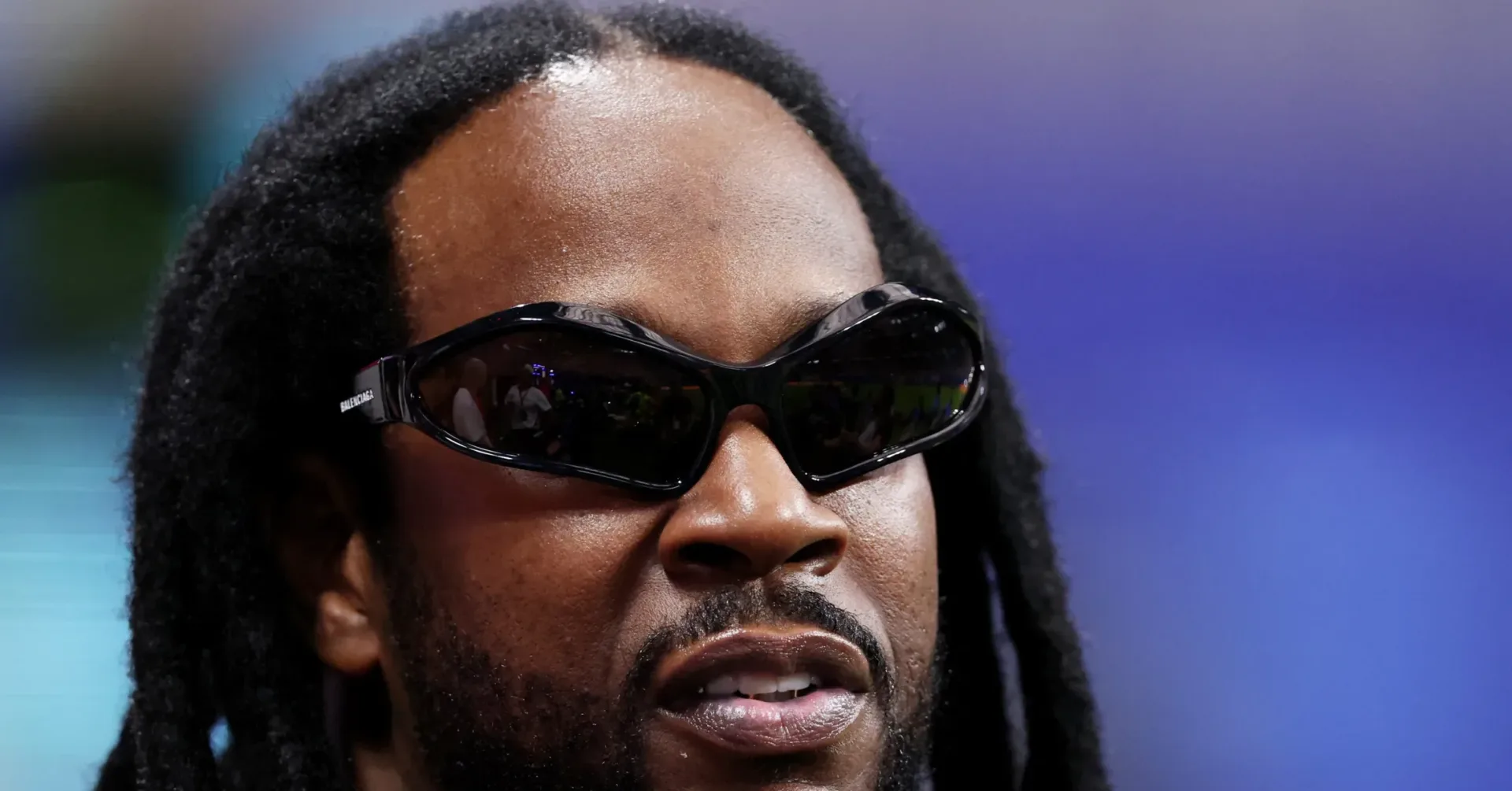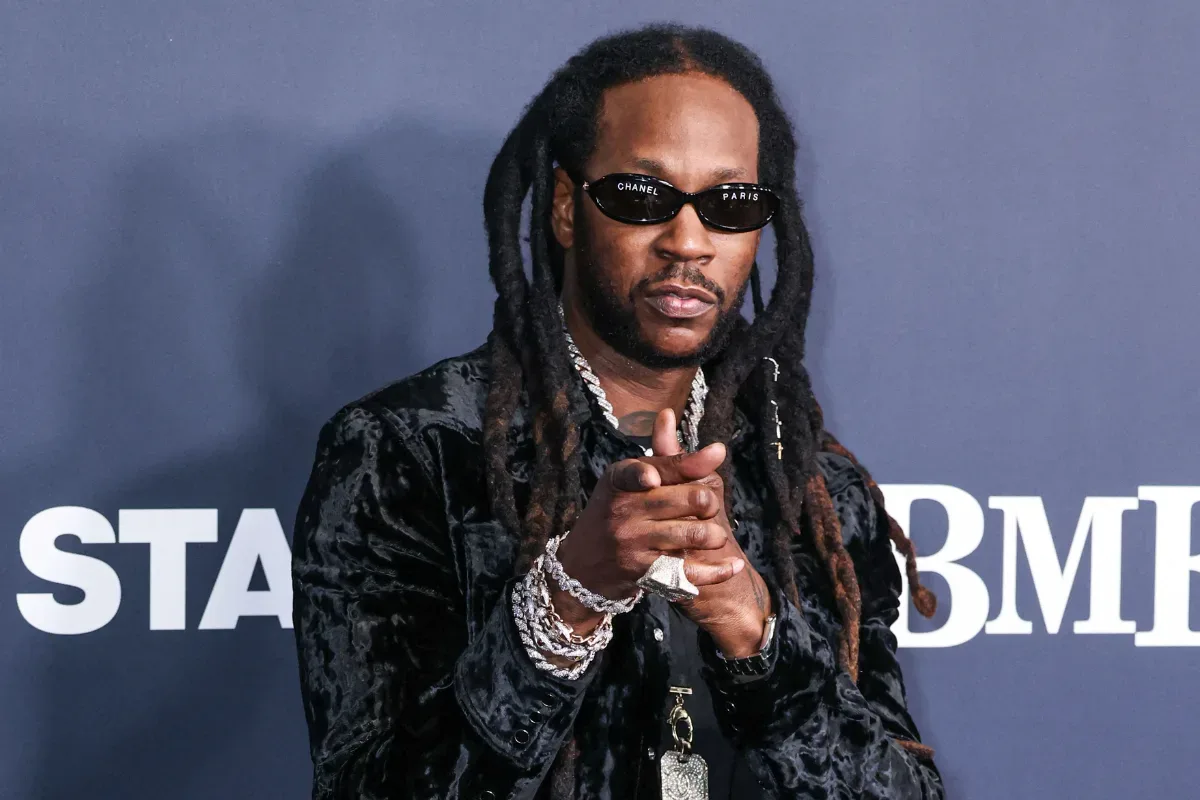
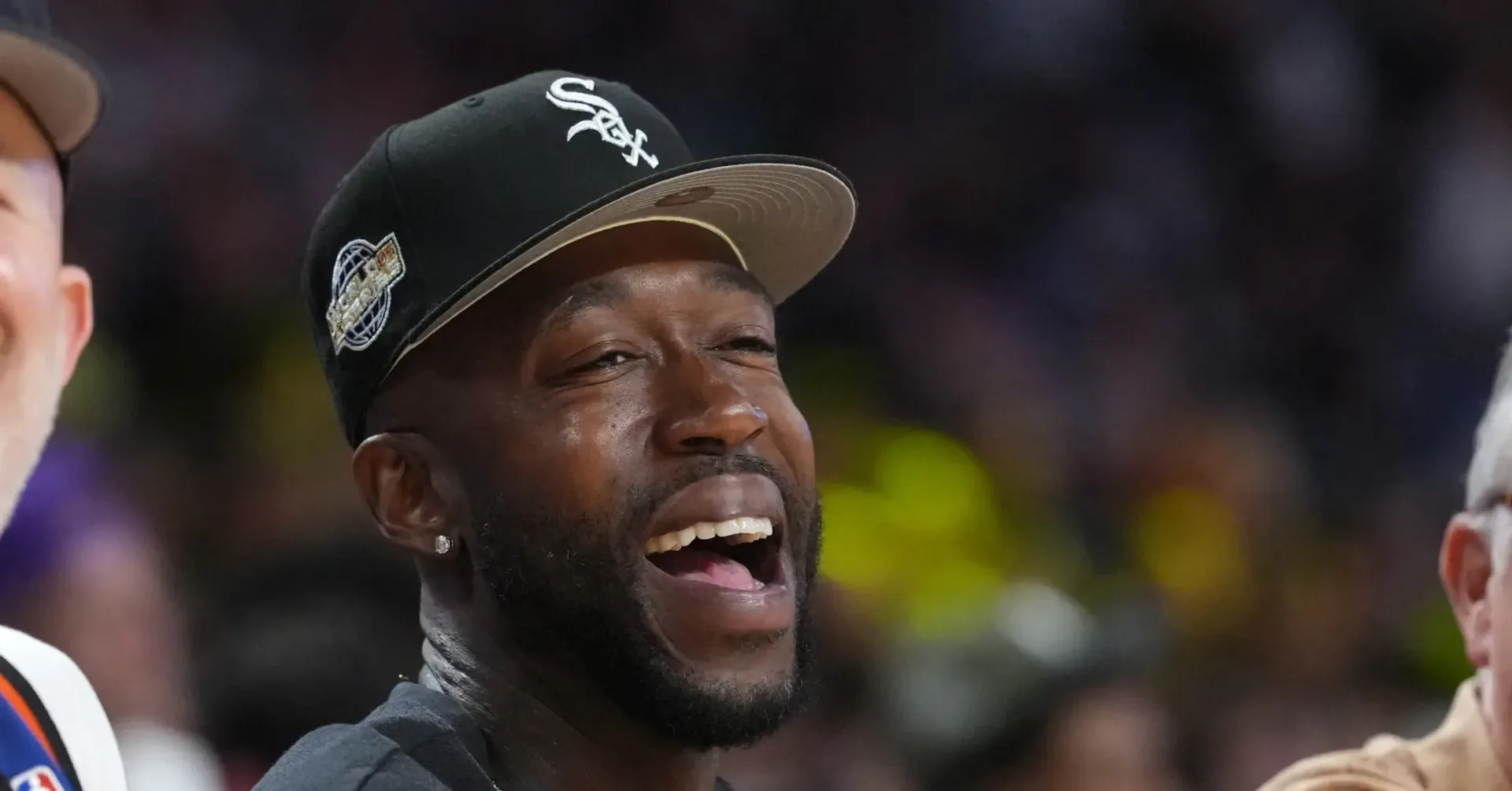
Freddie Gibbs briefly added his voice to the conversation around 2 Chainz and food reviewer Keith Lee, but he also made sure to pull the brakes before the joke could be mistaken for a genuine new feud.
In a social-media clip, Gibbs said he had recently been with 2 Chainz and made an aggressive joke aimed at Lee and the idea of a “taste test.” He then immediately changed the tone, offering Lee a shoutout and saying the comments were not serious. Gibbs said he and 2 Chainz support Lee and that everybody involved was good.
The clarification matters because the larger disagreement had already been resolved. What could have become a three-person pile-on instead reads as a quick, provocative bit of online banter followed by a plain statement of intent: Gibbs was joking, not escalating.
What prompted the conversation
The exchange began when 2 Chainz and Keith Lee discussed restaurant reviewing and service on Den of Kings. 2 Chainz raised the subject of unfavorable restaurant coverage and asked Lee about a negative review of his restaurant. Lee said he had not reviewed the restaurant.
From there, the conversation broadened. The pair argued over what restaurant service should look like, whether celebrities should receive special treatment, and what qualifies someone to critique food publicly. Those topics can sound straightforward, but each carries a different expectation about fairness.
A food review is an account of a customer’s experience, typically weighing preparation, service, value, consistency, or the broader visit. The disagreement described here was not simply about whether one meal tastes good. It involved who gets evaluated, who gets treated differently, and whether a restaurant’s public reputation should reflect the experience of an ordinary customer rather than that of a famous guest.
That distinction helps explain why the clip attracted so much attention. Restaurant service is personal, visible, and easy for viewers to map onto their own experiences. Celebrity access is equally recognizable: people understand that a prominent visitor may receive attention or accommodations that are not available to every other customer. The debate becomes more charged when those two realities meet in a public review.
2 Chainz apologized after speaking with Lee
2 Chainz later said he spoke with Lee after the program and that the conversation ended positively. He apologized to people who were offended, adding that his wording did not fully express what he meant and that he could have communicated his position more effectively.
“What I said and what I meant were two different things,” 2 Chainz wrote in his apology.
That is an important endpoint for the story. The original discussion may continue to circulate because clips and reactions move quickly online, but the people at the center of it have already had a direct conversation. 2 Chainz’s statement acknowledges both the impact of his comments and the gap between an intended point and the way listeners received it.
For audiences, that is a useful reminder that viral arguments often have two timelines. The first is the clip itself: a tense, easily shared moment built around disagreement. The second is what happens afterward, when the participants talk privately, clarify their views, or apologize. The first timeline tends to travel farther; the second can be the more meaningful measure of whether a dispute is still active.
Gibbs’ comment was support, then a reset
Gibbs’ involvement was brief and framed around his connection to 2 Chainz. His opening remark was combative enough to draw attention, particularly because it invoked the food-review dispute. But the same clip included his correction. He said he had no actual issue with Keith Lee and characterized the whole exchange as joking.
That sequence is worth keeping intact. Reporting only the insult would suggest an active conflict between Gibbs and Lee. Reporting only the retraction would erase why people noticed the clip in the first place. Taken together, the comments show a familiar social-media pattern: a celebrity delivers a deliberately sharp line, then establishes the boundary between performance and personal animosity.
It does not mean every viewer will read the joke the same way. Tone can be difficult to carry through reposted clips, especially once a short excerpt is separated from its follow-up. Still, Gibbs’ own clarification is direct: there is no stated beef with Lee.
Why food criticism can turn into a culture debate
The discussion around 2 Chainz and Lee touched on more than individual restaurants. It raised questions about celebrity culture and class. In this context, celebrity culture means the ways public recognition can alter everyday interactions. A person who is widely known may be offered better seating, faster attention, complimentary items, or service shaped by the expectation that their visit will become public.
Class is relevant because the cost and quality of a meal, plus the way customers are treated, are practical concerns for people who cannot rely on status to improve an experience. If a restaurant provides one version of itself for a star and another for everyone else, a reviewer’s role can look less like personal opinion and more like a check on whether the ordinary customer is receiving what the business promises.
None of that requires treating restaurateurs or reviewers as villains. Restaurants involve workers, owners, diners, critics, and online audiences, all of whom may bring different assumptions to the same interaction. But it explains why debates about “credentials” for reviewing food can become contentious. One side may prioritize professional culinary expertise; another may value an unvarnished customer perspective. Those are separate standards, and they can lead to different conclusions without either side necessarily discussing the same thing.
A useful distinction: criticism versus access
Criticism asks whether an experience met a reasonable standard. Access asks whether the person receiving that experience was treated differently because of influence, money, recognition, or connections. The two overlap in restaurant conversations, but they are not identical.
Lee’s prominence as a reviewer means his visits can affect attention around a business. 2 Chainz’s prominence as an artist means discussions about his restaurant can carry the added weight of celebrity ownership. When both sides are high-profile, even a narrow disagreement can become a broader argument about who gets to set the standard.
The eventual reconciliation is therefore more useful than another round of scoreboard-style reactions. It suggests the issue was not beyond conversation, even if viewers remain divided on the underlying questions.
What the episode means for viewers following the debate
There are several practical ways to approach moments like this without turning every trending clip into permanent rivalry.
- Look for the full sequence. A confrontation, follow-up call, apology, and later clarification can tell a very different story from a single viral excerpt.
- Separate the people from the topic. The question of equal restaurant treatment remains worth discussing even after the participants resolve their personal tension.
- Do not convert a joke into a feud by default. Gibbs explicitly said his remarks about Lee were not serious.
- Recognize different standards of expertise. A food critic, a restaurant owner, and an everyday diner may evaluate the same meal from different positions.
This is also a case where the loudest language should not obscure the final position of the people involved. 2 Chainz publicly apologized after speaking to Lee. Gibbs said his own comments were a joke and included Lee in his shoutouts. That leaves less evidence of a developing rap-world conflict than the first few seconds of a clipped video might imply.
Gibbs has also used his public platform for matters beyond playful provocation, including speaking on national television about the power crisis affecting his hometown of Gary, Indiana. That wider context does not change the Keith Lee moment, but it does underline why a social-media quip should not be used as the sole measure of an artist’s public presence.
The next substantive development, if there is one, would need to come from the people directly involved. For now, the clearest record is straightforward: a debate over restaurants and reviewing became heated, 2 Chainz and Keith Lee spoke and resolved their issue, and Freddie Gibbs said his later jab was only a joke.
For another look at how public figures and online culture intersect in entertainment coverage, see Justin Timberlake’s comments on Don Toliver’s “Body” sample clearance.