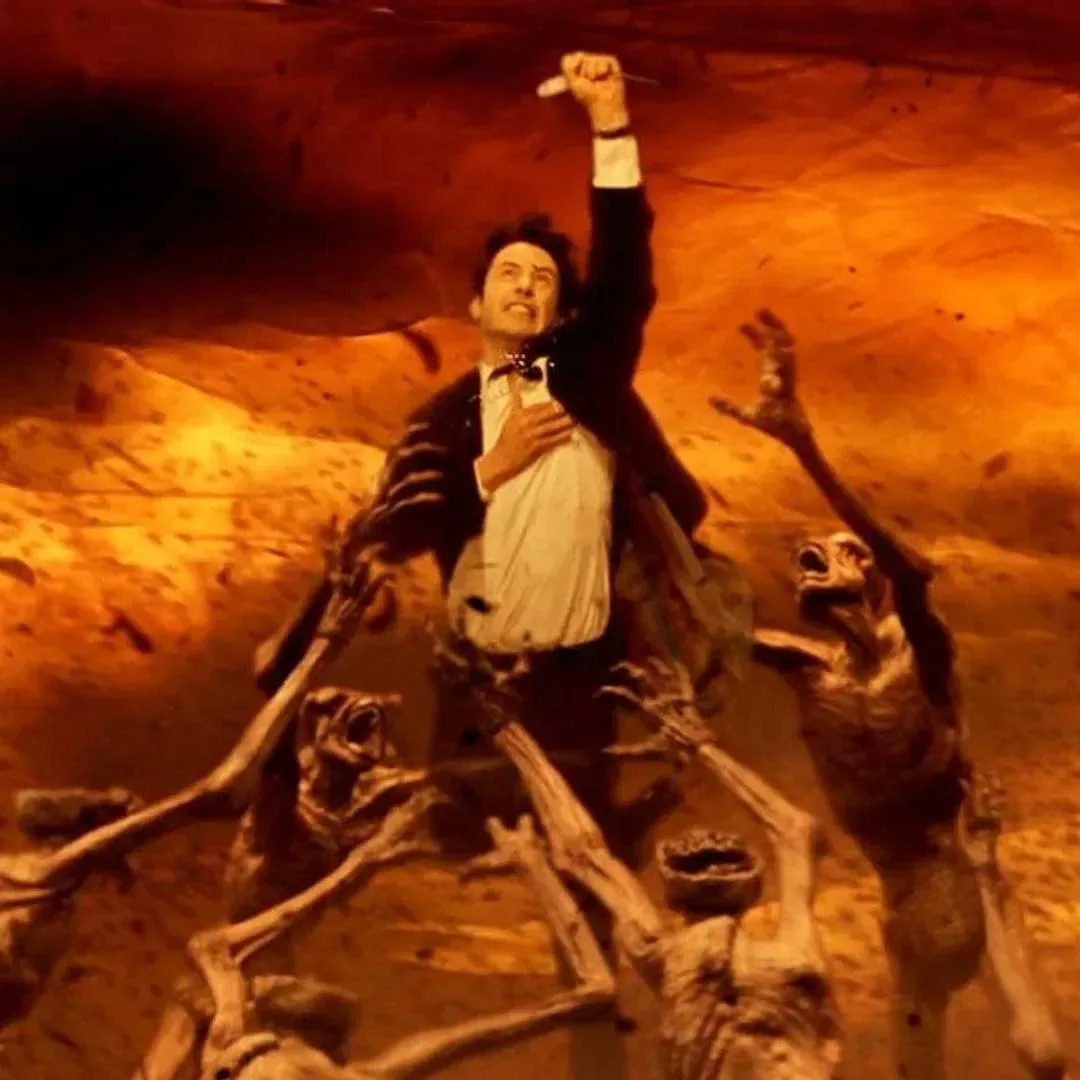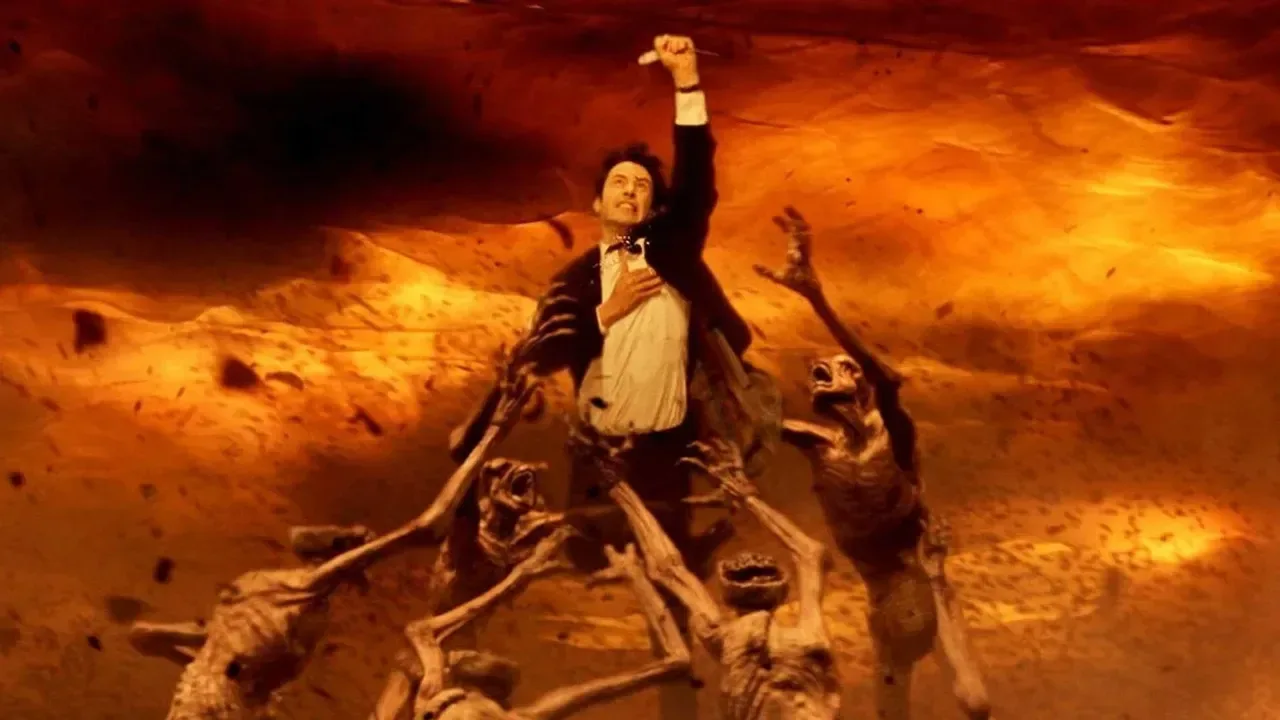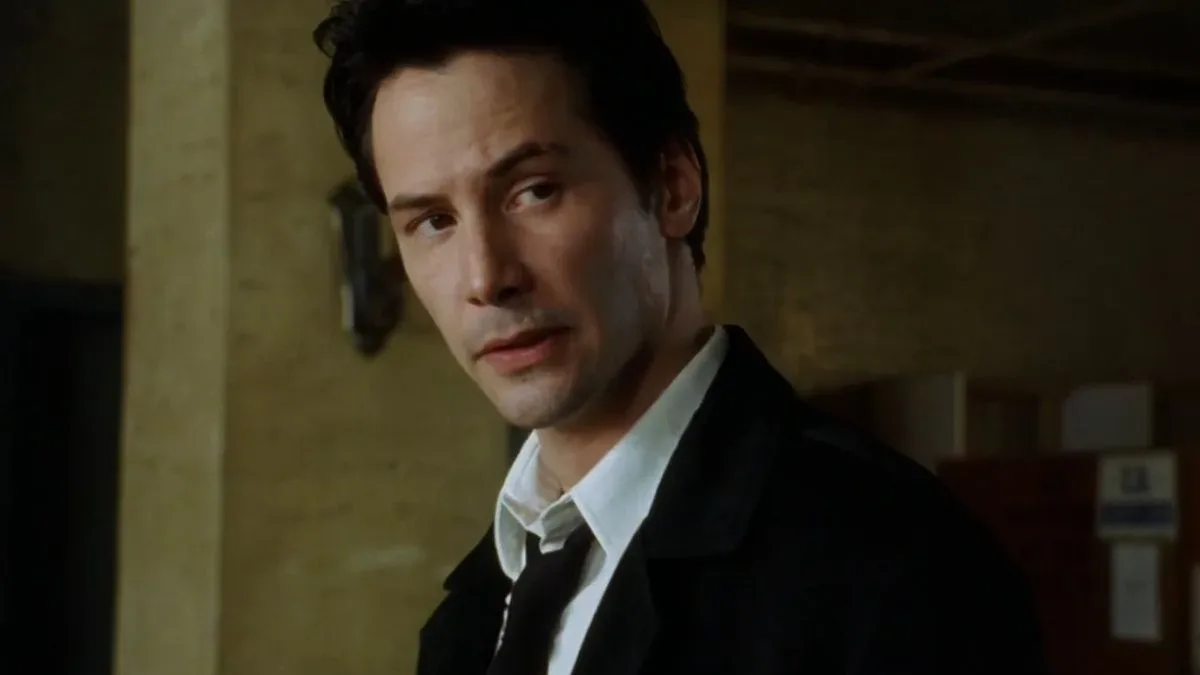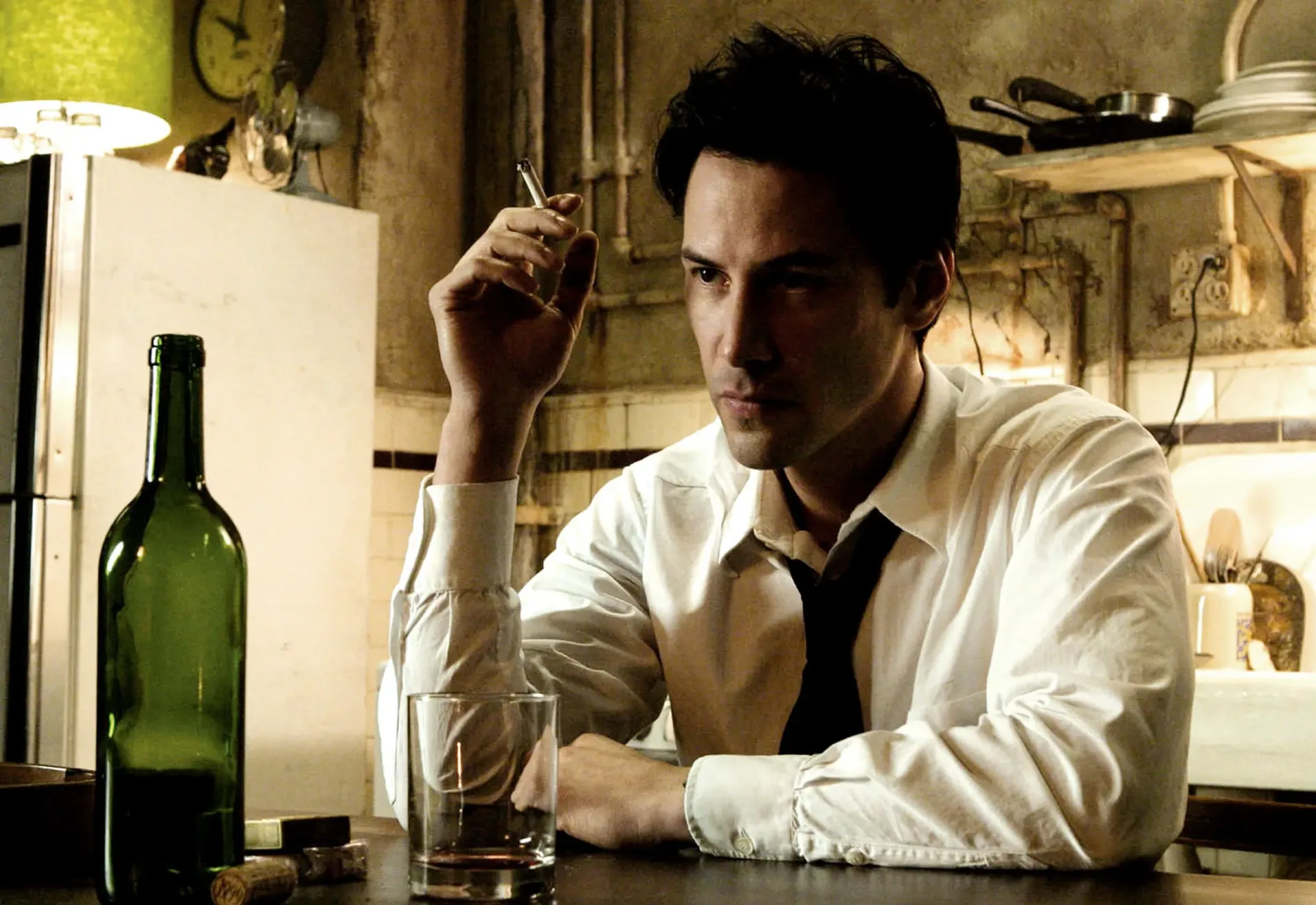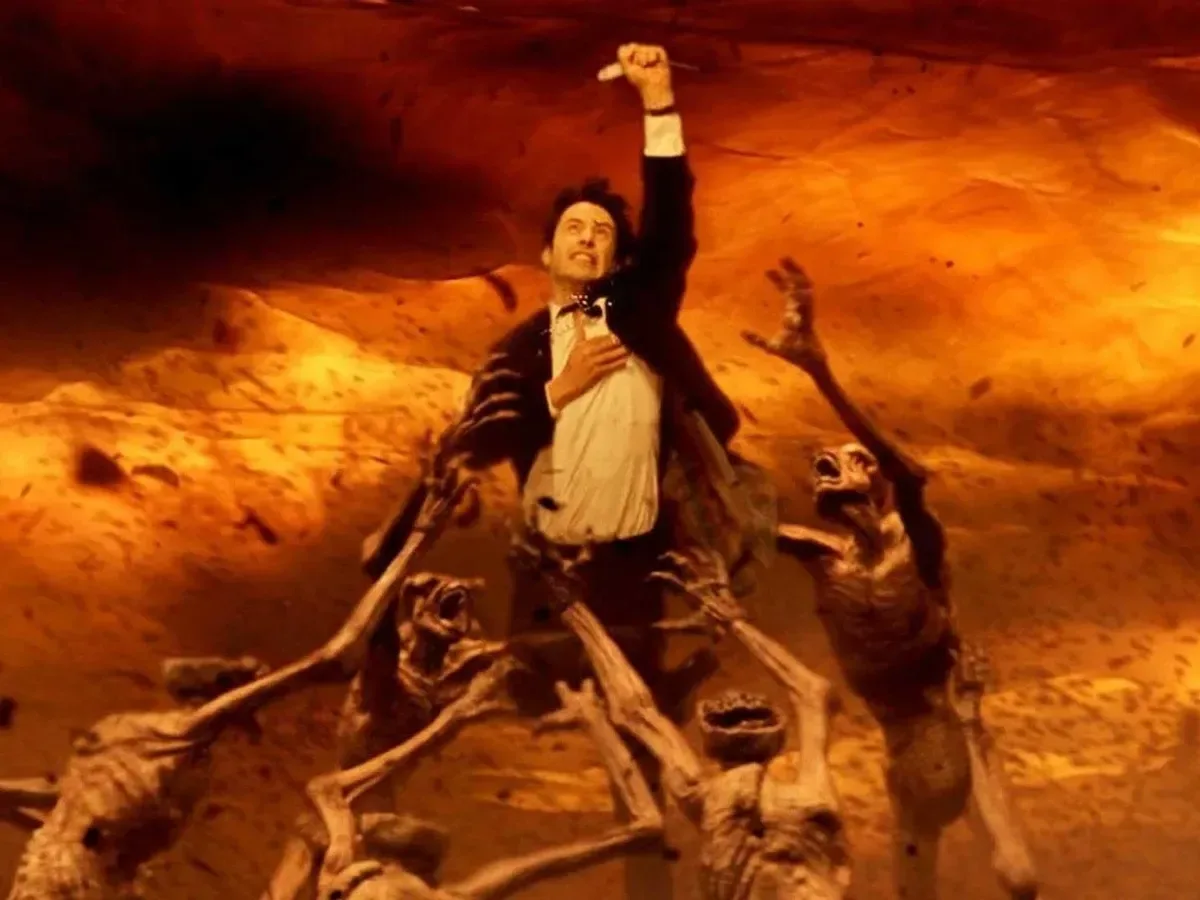
For nearly two decades, Constantine 2 has been the sort of sequel that seems to linger in the supernatural waiting room: wanted by its key creative figures, talked about repeatedly, but never actually summoned into production. Director Francis Lawrence now says recent changes at DC Studios have given him renewed hope that the Keanu Reeves-led follow-up could finally move forward.
That hope is not an announcement, a green light or a production date. Lawrence was clear that the project still needs agreement among the relevant decision-makers at Paramount, Warner and DC. But he says the team has an idea and a script, and that the departure of DC Studios leaders James Gunn and Peter Safran may remove an obstacle that had kept the sequel from advancing.
In other words: the circle has been drawn, the candles are lit, and the paperwork is still somewhere in corporate purgatory.
A sequel team that has stayed attached
Lawrence directed the 2005 Constantine, which starred Reeves as John Constantine, a supernatural detective battling evil entities. The film was based on DC/Vertigo’s Hellblazer comic-book property. Lawrence says the drive to make another film has not been a case of a director trying to revive a project alone years later.
He named Reeves, producer Akiva Goldsman and J.J. Abrams as people who remain invested in continuing their version of the character. That distinction matters. The pitch is not simply “a new Constantine movie,” but a continuation of the 2005 film’s specific screen interpretation and its Reeves-led lead character.
Lawrence says obstacles have appeared throughout the project’s long history, and that he and the other people attached to the potential sequel have wanted to make it for more than 20 years. The recent leadership transition has changed his outlook, though he stressed he does not celebrate anyone losing a job. His point is more pragmatic: a new set of executives can revisit proposals that previous leadership did not choose to pursue.
For fans, that makes this a meaningful change in tone rather than a concrete status upgrade. There is a major difference between a filmmaker being hopeful and a studio committing funding, scheduling its stars and officially putting cameras in motion. Every one of those steps remains ahead.
The proposed movie would be R-rated on purpose
The most definite creative commitment Lawrence has made concerns the rating. If Constantine 2 happens, he says it would be a “hard-R” film.
That phrase usually means an R-rated project intends to use the latitude the rating provides rather than merely landing there after aiming at a softer classification. In this case, Lawrence’s frustration stems from the first film’s development. He says the 2005 movie was made while following guidelines intended for a PG-13 rating, only to receive an R rating anyway. His view is that the finished film became what he describes as an R-rated version of a PG-13 movie.
The sequel plan, as Lawrence explains it, is to avoid repeating that creative mismatch. Rather than limit the filmmaking for a PG-13 target and potentially wind up with an R regardless, the team would shape the next installment as an adult-oriented supernatural story from the outset.
“When we do this next time, we’re making the hard-R version of Constantine,” Lawrence said.
That is a statement of intent, not a confirmed rating from a classification board. Ratings are assigned to a completed film, and no completed sequel exists. Still, it identifies a potentially important creative boundary for a project that has spent years in limbo: Lawrence does not appear interested in making a diluted continuation just to widen its potential audience.
It also helps explain why the concept may need a carefully controlled financial plan. Adult-rated genre films can absolutely find an audience, but a smaller intended audience can change the calculation for a studio deciding how much to spend. Lawrence’s own comments suggest that he understands that equation.
“Scrappy” is the budget word to watch
Lawrence said he and Reeves would not approach the prospective sequel expecting their usual top-end compensation. He described the proposed film as something they would make because they want to make it, while taking a financial gamble and being responsible about its scale.
He specifically said the team has thought for years about avoiding a $100 million budget and making the movie more “scrappy.” In plain terms, that means keeping the production’s cost in proportion to the kind of film it is expected to be. The source material does not offer a proposed budget, a shooting plan or any details on which elements might be reduced. But the principle is unmistakable: the creative team believes a sequel could be viable without being built as an enormous effects-driven franchise bet.
That stance could be practical for several reasons. A leaner budget lowers the revenue threshold a film must reach before it can be considered financially successful. It can also give filmmakers a clearer argument when asking a studio to support an R-rated project that is not being positioned as a mandatory piece of a sprawling shared-universe machine.
There is no guarantee that a lower-cost approach would secure approval. Studios make decisions based on many factors beyond a headline budget, including distribution plans, competing projects and broader strategy. But Lawrence has supplied a direct answer to one obvious question: he does not want the sequel to require blockbuster-scale spending before it can exist.
Could Reeves’ Constantine coexist with a new DC version?
Lawrence also indicated he is open to a solution that might be easier for a new DC leadership team to consider. He said he would not object if DC had a shared-universe plan or wanted to create another version of Constantine, provided the studio also allows the sequel to the 2005 film to proceed.
This is not confirmation that two Constantine screen continuities are planned. It is Lawrence laying out his preferred compromise. In franchise language, he is arguing for coexistence: a self-contained continuation of the Reeves film alongside any separate interpretation that DC might choose to pursue.
That flexibility is notable because a shared universe is a connected set of stories in which characters, events and casting can cross between projects. A separate continuity, by contrast, can operate on its own terms without needing to align with every other film. Lawrence’s position appears to be that his sequel need not dictate DC’s larger plans, and those larger plans need not prevent his sequel from happening.
It is an argument built around separation rather than competition. The 2005 Constantine has its own established lead and creative identity. A future DC take, if pursued, could have a different role in another broader continuity. Whether a studio ultimately sees that as commercially or creatively workable is unknown.
Another Constantine project adds to the uncertainty
The sequel discussion arrives alongside a separate development: Francis Galluppi, writer-director of Evil Dead Wrath, was hired earlier this month by DC Studios to write a John Constantine movie. It is unclear whether Galluppi will direct that film.
The presence of that project makes it especially important not to flatten every Constantine headline into one movie. The available information points to at least two distinct concepts: Lawrence’s hoped-for sequel to the Reeves-led 2005 film, and a John Constantine project being written for DC Studios by Galluppi. The material provided does not establish that they are connected, mutually exclusive or intended for the same continuity.
Reeves also reportedly pitched a sequel to DC Studios in 2025, further showing that the desire to revisit his version has remained active. But reports of pitches, scripts and creative interest are not equivalent to formal approval. The core facts right now are simpler: Lawrence says the group wants to make the film, he says a script exists, and he believes the current leadership shift may create a path that was previously blocked.
DC’s broader transition is still a moving target. Gunn said projects already in motion, including Man of Tomorrow, would continue despite his and Safran’s exit. That does not tell audiences where Constantine 2 sits, because Lawrence’s film has not been described as an already-moving production. It remains an aspirational project seeking the right corporate and creative alignment.
What this means for Constantine fans
The immediate takeaway is guarded optimism, not a calendar alert. Lawrence has provided unusually specific creative parameters for the sequel he wants: Reeves returning, a script and long-standing idea already in place, an intentionally hard-R direction, a smaller-scale financial philosophy, and a willingness to let the film stand outside any new shared-universe plan.
Those details make the proposal feel more defined than a vague nostalgia-driven request. At the same time, the required approvals are substantial, and Lawrence himself acknowledges that the project has faced barriers for a very long time.
For now, Constantine’s next screen appearance remains unresolved. But if the 2005 film’s sequel does get its opening, Lawrence is signaling that he does not want to remake the original’s rating compromise. He wants to make the darker, fully R-rated follow-up that he and his collaborators have been trying to conjure for years. In a week when DC’s future has become much less predictable, that is one piece of creative intent that sounds remarkably clear.
For more on the uncertainty surrounding the wider DC landscape, see Henry Cavill’s comments on potentially returning as Superman amid the leadership change.