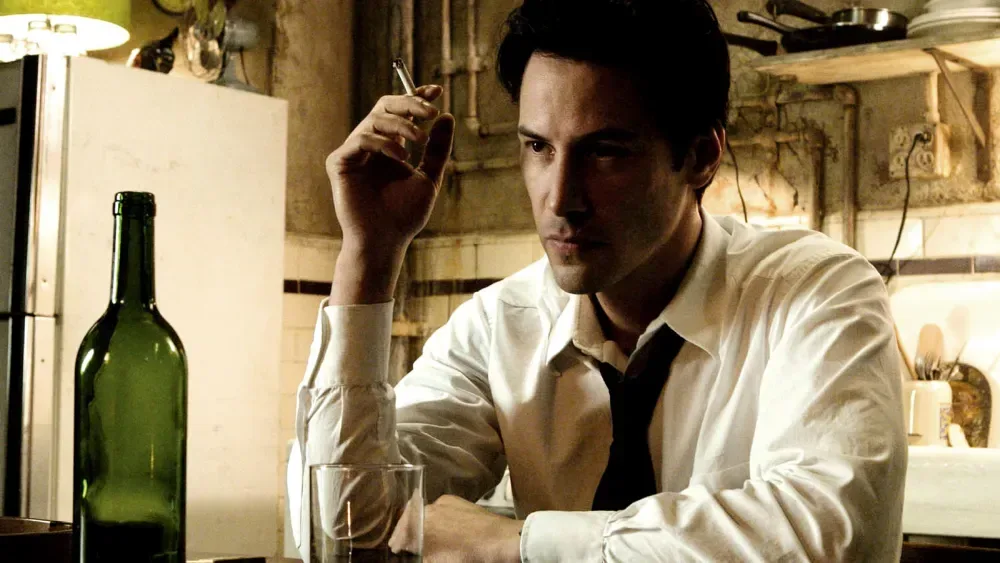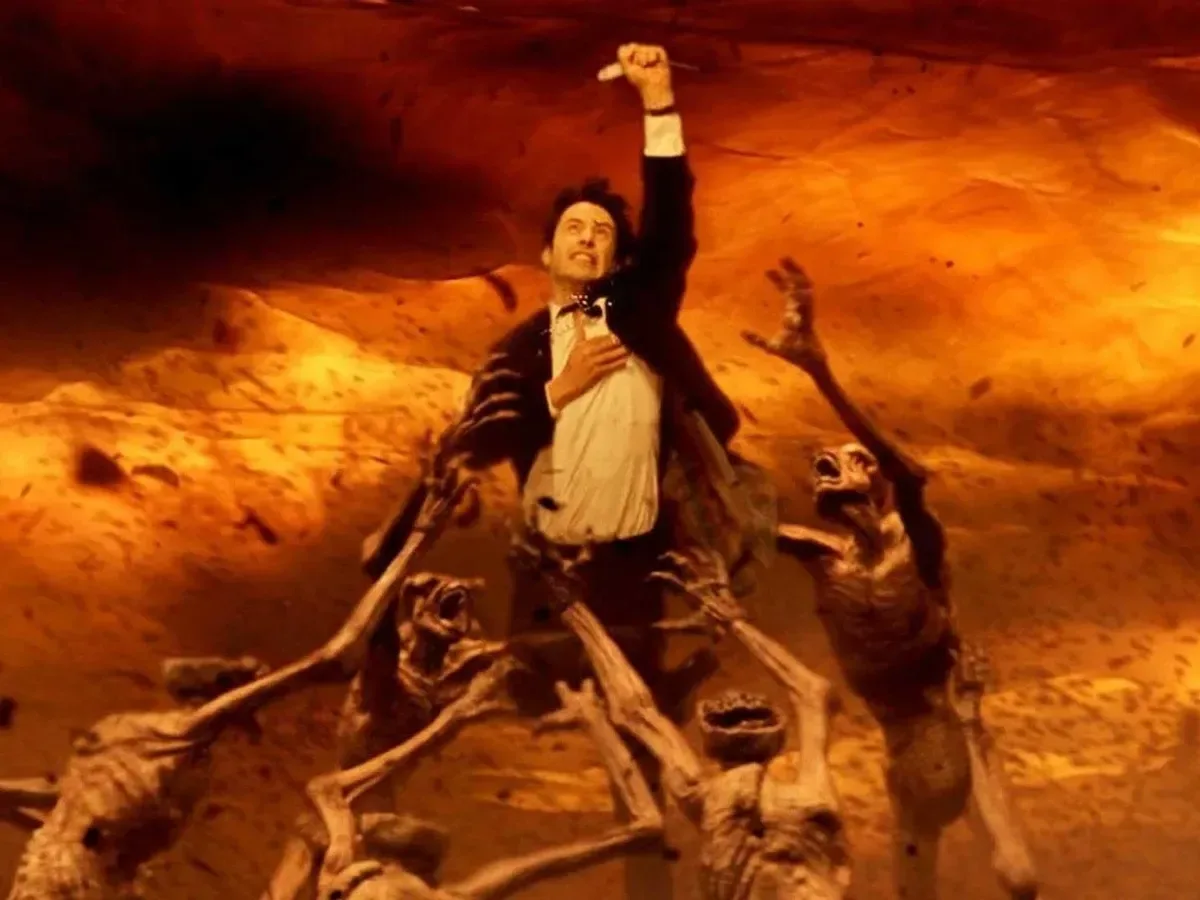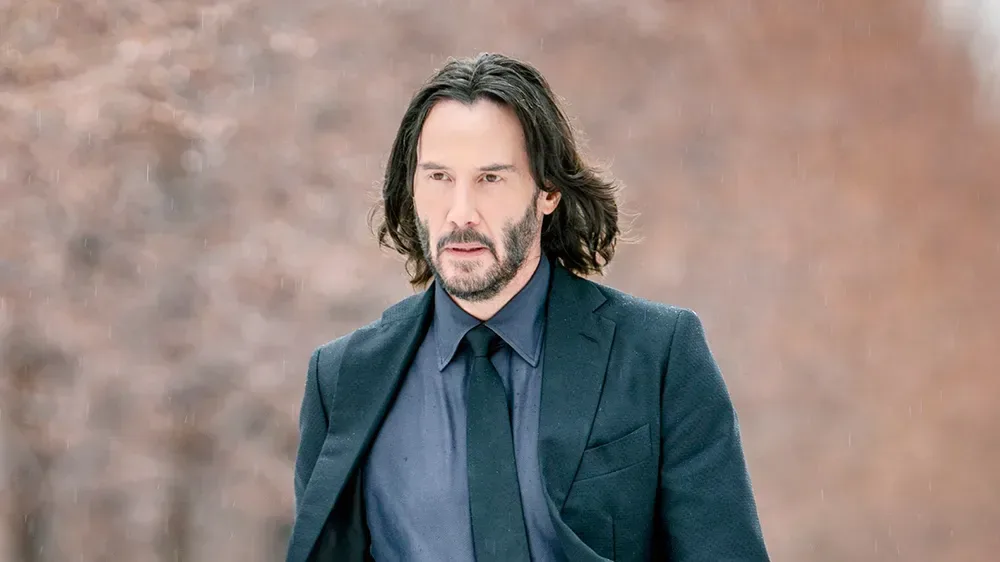
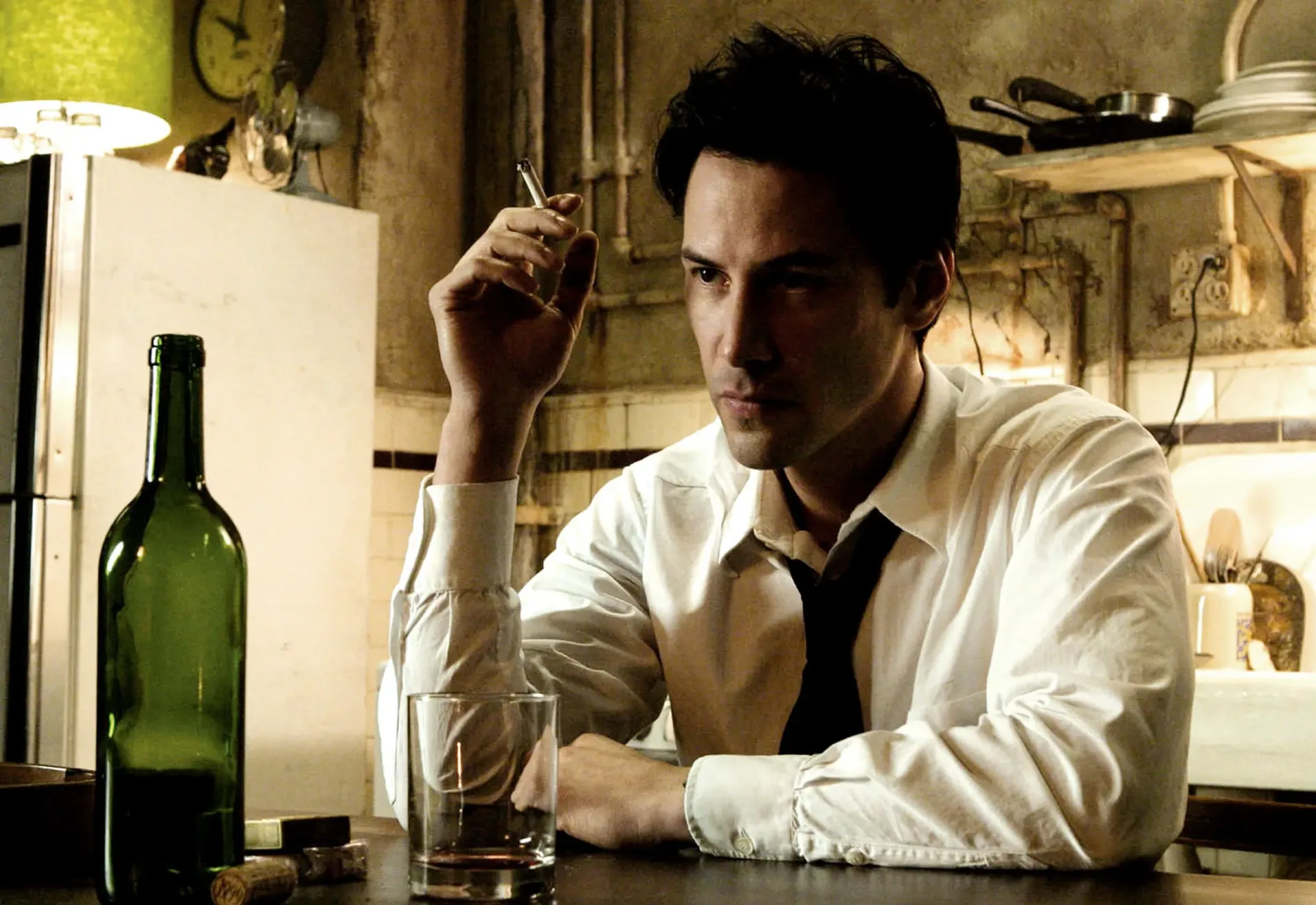
After years of stalled momentum, Constantine 2 may have a fresh path forward—though it remains far from a confirmed production. Director Francis Lawrence says the departure of James Gunn and Peter Safran from their roles leading DC has given him “renewed hope” that the long-discussed follow-up to 2005’s Constantine can finally move beyond development.
The important qualifier is that hope is not the same thing as a green light. Lawrence’s remarks point to a project with creative interest and material in place, but one that still requires agreement from the companies and executives who control its future. That distinction matters for fans who have watched talk around a Keanu Reeves-led sequel recur for more than a decade.
A sequel team that says it is ready to move
Lawrence said the filmmakers have been trying to make a second Constantine for “20-something years.” He described the project as having both an idea and a script, while stressing that the obstacle has not been a lack of enthusiasm from the principal creative group.
Keanu Reeves is still attached to the effort, and Lawrence identified Akiva Goldsman and J.J. Abrams as part of the group seeking to make the film happen. Goldsman had been reported as the scriptwriter, with Abrams producing. The lineup is significant because it suggests this is not merely an early-stage wish for a legacy sequel; the people connected to it have been pursuing a defined version of the project.
Reeves had previously described a somewhat earlier point in the process. In February 2025, he said the team had put together a story and presented it to DC Studios, which gave them the go-ahead to attempt a screenplay. Lawrence’s newer comments indicate that a script now exists, but neither update establishes that the film has been formally approved, scheduled for filming, or assigned a release date.
What changed—and what has not
Lawrence was careful not to frame the DC leadership transition as a celebration of anyone losing a job. His point was practical: he believes prior decision-makers had impeded the sequel, and a new leadership structure may allow the proposal to be reconsidered.
For a film in development, an impediment can mean any number of approval-level problems: competing plans for a character, uncertainty over how a project fits a wider franchise, or a lack of consensus among the companies involved. Lawrence did not spell out the specific internal disagreement, so it would be speculation to assign a precise reason for the delay.
He did make clear that the next move would require broad alignment. In his description, people at Paramount, Warner, and whoever is now running DC would need to agree that Reeves’ version of Constantine can proceed. That is a more complicated hurdle than simply completing a screenplay. A script is a creative blueprint; a green light is the business decision to fund, organize, and produce the film.
In other words, the sequel appears to have the beginnings of a creative package, but it still needs corporate approval. No cast expansion, start date, budget, rating, distributor plan, or release window has been confirmed in the available update.
Could Reeves’ Constantine coexist with a shared-universe version?
Lawrence also raised the possibility that DC could pursue another Constantine for a “shared universe” while allowing his sequel to exist separately. This is central to understanding why the project’s future may not be determined solely by whether DC wants to use the character again.
A shared universe is a connected group of stories designed to occupy the same fictional continuity, where characters and events can cross into one another’s films or series. Lawrence’s suggestion is that a 2005-film continuation need not automatically become part of that continuity. It could instead operate as its own distinct branch, preserving the creative identity of the Reeves-led film.
That approach would give a studio two possible lanes: a new interpretation built for interconnected storytelling and a legacy sequel aimed at continuing an existing screen version. Lawrence did not say this arrangement has been approved. He only argued that the two approaches could coexist.
For viewers, that separation would likely be the clearest way to set expectations. A sequel to the 2005 action-horror would be accountable first to that film’s world and its returning creative team, rather than being required to introduce or support a larger slate of connected titles. Whether the companies involved see enough value in maintaining both versions is the question now.
Why the wait has become part of the story
The unusually long effort to get Constantine 2 made has created a cycle familiar to audiences following legacy projects: public expressions of interest, new signs of progress, then another period without a production commitment. Lawrence’s account suggests that the long delay should not be read as a lack of effort from Reeves, Goldsman, Abrams, or himself.
That does not guarantee an eventual sequel. Development is often a holding stage rather than a finish line, even when recognizable talent is attached and story work has been completed. The practical test will be whether the newly changing decision-making environment leads to an actual agreement among the relevant stakeholders.
There is also no basis yet to infer details about the film’s story, its intended tone, which characters could return, or how closely it would draw from the Hellblazer inspiration behind the original. Those are precisely the kinds of details that are often guessed at when a dormant franchise re-emerges, but they have not been established here.
The immediate takeaway is more modest and more meaningful: Lawrence believes a door that had been closed may be open again. For a sequel discussed for decades, that is a development worth noting—but it is still only an opportunity, not a final answer. For related context on Lawrence’s ambitions for the potential follow-up, see this look at the director’s renewed optimism around Constantine 2.
Lawrence’s next release arrives first
While the fate of Constantine 2 remains unresolved, Lawrence’s next confirmed directing credit is The Hunger Games: Sunrise on the Reaping, which is set to reach theaters on November 20. That project has a stated release date; the Reeves sequel does not.
Until an official production decision is made, the most accurate status for Constantine 2 is a long-running prospective sequel with returning creative support, a reported script, and a renewed chance at approval following a major DC leadership change.