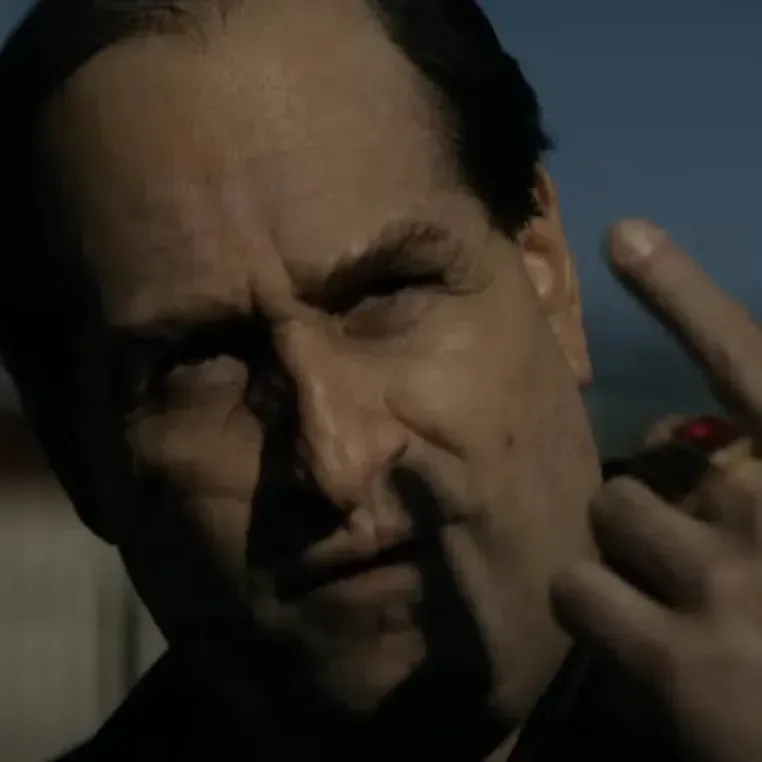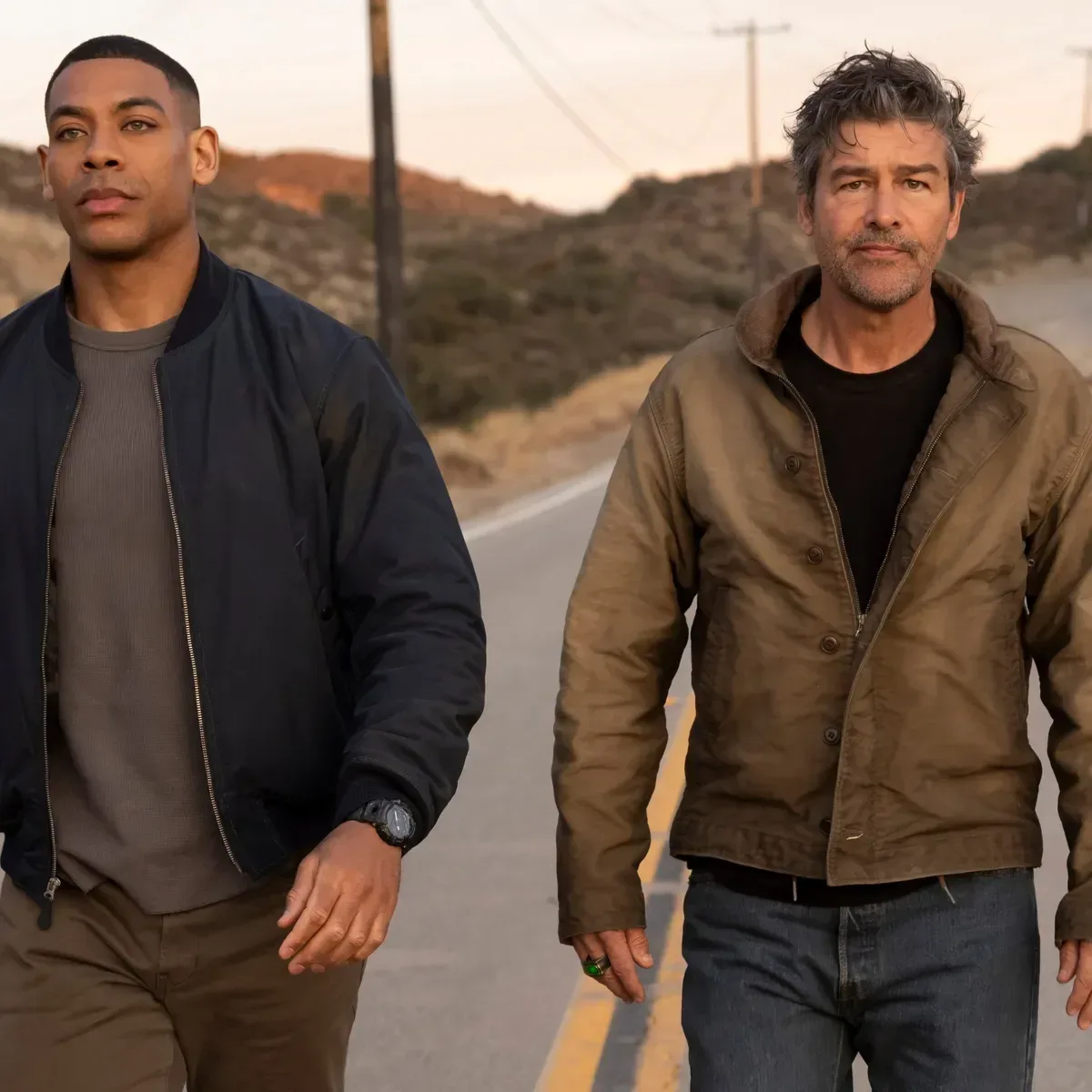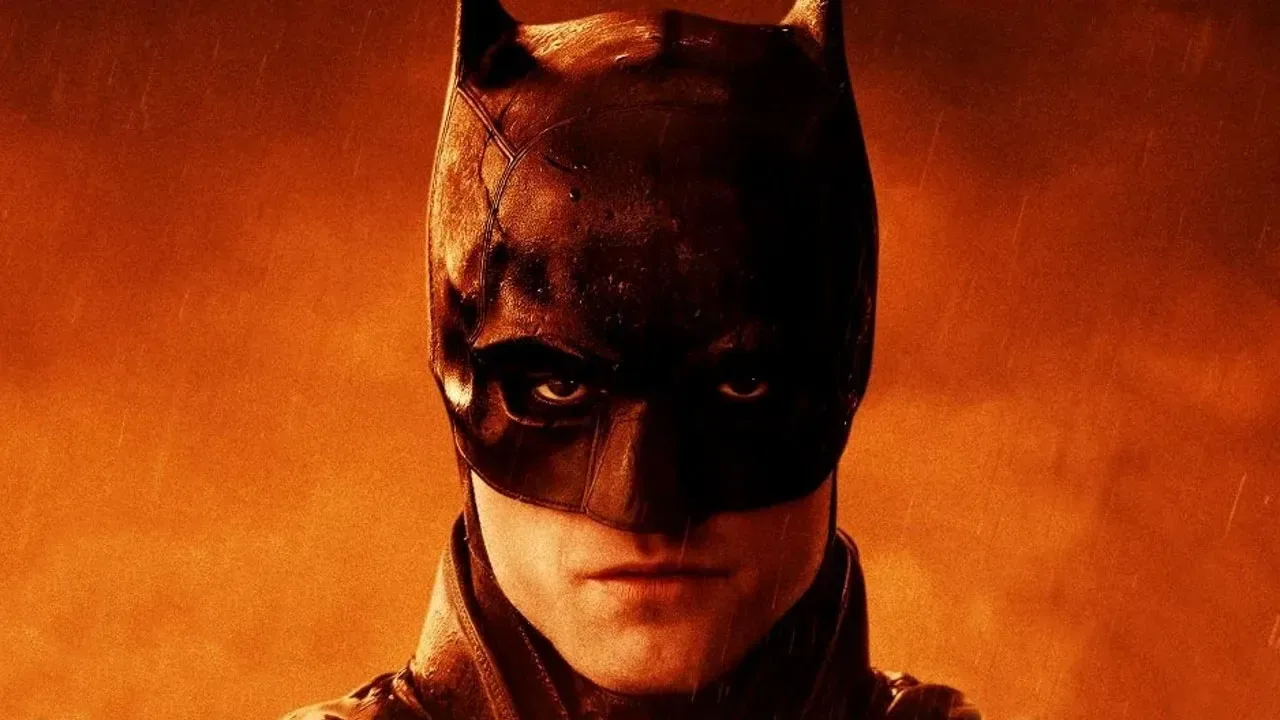
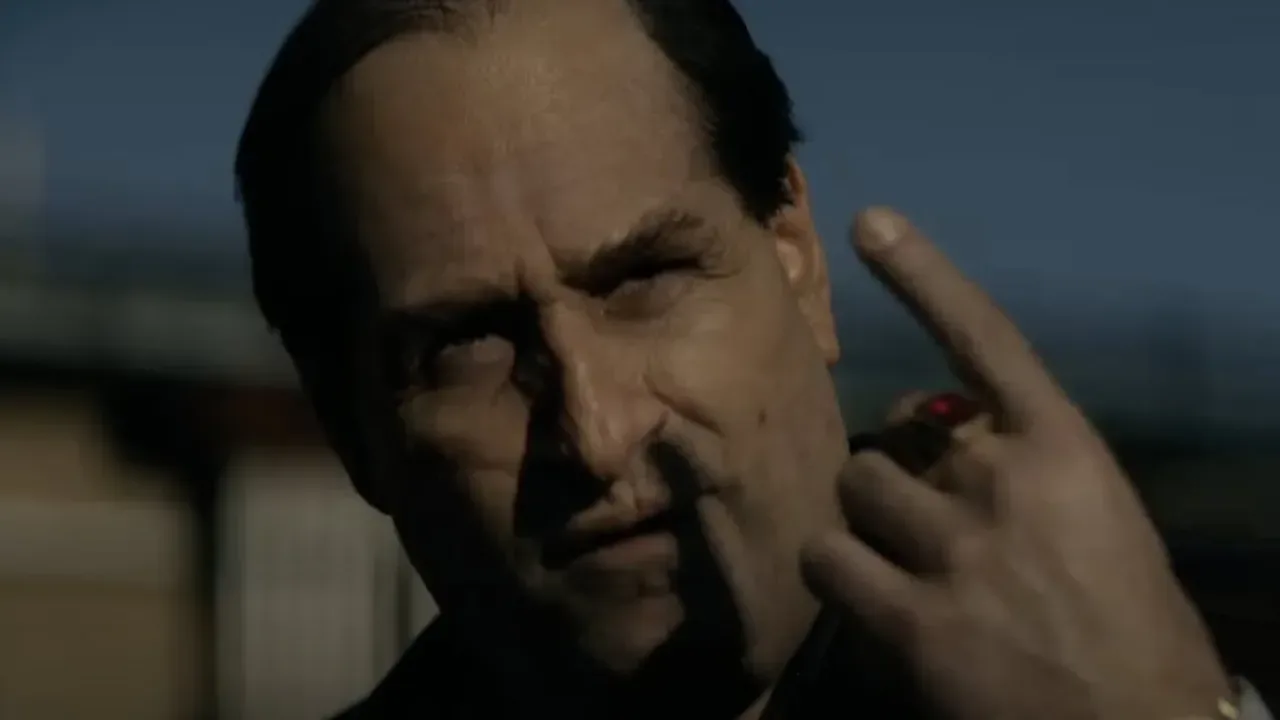
Colin Farrell’s next trip into Gotham will be brief. The actor has confirmed that he filmed just two scenes as Oz Cobb, better known as the Penguin, for The Batman Part II. But the limited movie role does not mean he is done with the character: Farrell says he would gladly return for a potential second season of The Penguin.
Speaking while promoting the forthcoming film The Slightest Touch, Farrell said he would “love” to make another season and that “there’s a conversation to be had.” It is an expression of interest rather than a renewal announcement. No second season has been formally confirmed in the information available, and Farrell’s comments should not be read as evidence that production, scripts, a release window, or a deal are in place.
What is clear is that Farrell remains invested in a version of Oz Cobb he has played across both film and television. He first took on the role in The Batman, then returned for the crime-focused television series The Penguin. His next appearance comes in The Batman Part II, which is currently scheduled for theatrical release on February 18, 2028.
Two scenes, not a central sequel role
Farrell characterized his sequel work as an efficient in-and-out assignment: two scenes and no more. That is a useful expectation-setter for audiences who may have assumed the television series would turn the Penguin into a major fixture of the film’s follow-up. Based on Farrell’s own description, Oz is present in the sequel but is not positioned as one of its principal on-screen presences.
That does not automatically make the scenes insignificant. A small amount of screen time can still establish a relationship, point toward a future conflict, or show where a figure in Gotham’s criminal hierarchy stands after prior events. But the supplied details do not reveal what happens in either scene, how they fit the plot, or whether they explicitly set up another television chapter. The safest read is simply that the sequel has a restrained role for Farrell’s Penguin.
Farrell said the work was enjoyable even as he once again found reason to complain about the makeup process. The transformation is central to the performance: prosthetics are physical materials applied to alter an actor’s appearance, often requiring substantial preparation before filming and removal afterward. In this case, the process has helped distinguish Oz Cobb from Farrell’s ordinary screen persona, while giving the actor room to stress that he feels protective of the character.
Why a second season is still a separate question
A television continuation would not be a simple consequence of the sequel’s release. A possible second season has its own creative and corporate considerations: whether there is a story worth telling, whether the character’s trajectory leaves room for it, and whether the wider DC screen strategy makes it a priority. Farrell’s willingness matters, particularly for a role so dependent on a demanding physical transformation, but it is only one piece of that equation.
His comments also point to a potentially useful division of labor between the formats. The film can remain centered on its larger Batman story while the series, if it returns, has more time to examine the criminal world around Oz. That is an interpretation of the setup, not a disclosed plan. There is no confirmation that the two sequel scenes are intended as a launchpad for more television episodes.
For now, the important distinction is straightforward:
- Confirmed: Farrell appears in The Batman Part II and says his part consists of two scenes.
- Confirmed: The sequel is currently dated for February 18, 2028.
- Confirmed: Farrell would like to make a second season of The Penguin.
- Not confirmed: A second season order, a production schedule, plot details, or a release date for it.
The Batman Epic Crime Saga remains distinct from the DCU
Farrell’s return sits inside a continuity described as The Batman Epic Crime Saga. That label covers the Batman films from writer-director Matt Reeves and The Penguin, putting them under a connected banner. It is separate from the rebooted DC Universe, often shortened to the DCU.
That distinction is important because “DC” does not automatically mean every project shares one storyline, one Batman, or one future roadmap. Reeves’ Batman corner and the DCU are described as separate. The Penguin’s possible future should therefore be understood through the needs of Reeves’ screen world, even as broader company decisions could still affect priorities across DC film and television.
There is uncertainty around that wider picture. James Gunn and fellow DC Studios co-CEO Peter Safran have exited the company, while new Warner Bros. owner Skydance has not outlined its long-term plans for DC movies and series. The reporting also notes that a third potential Batman film from Reeves is uncertain. At the same time, both Man of Tomorrow and The Batman Part II remain set for theatrical release.
That background gives Farrell’s cautious wording extra weight. Saying there is a conversation to have accurately reflects a franchise environment where a desired continuation is not the same thing as a guaranteed one. Similar uncertainty surrounds other DC television projects; the current status of a possible second season of Lanterns has likewise been described as neither confirmed nor canceled.
What Farrell has said about the sequel’s story
Farrell previously said that he had read the full screenplay for The Batman Part II, written by Reeves and Mattson Tomlin, and responded enthusiastically to it. He described the material as dark, sometimes frightening, psychologically substantial, and emotionally driven. Those are the actor’s impressions, not a synopsis, and they do not identify the sequel’s antagonist, narrative structure, or the circumstances that bring Oz Cobb into the story.
Still, the comments align with the tonal identity associated with this branch of Batman. “Psychologically weighty” suggests attention to characters’ inner pressures and motivations; “nuanced” implies that the screenplay may avoid treating its people as purely simple heroes or villains. Neither term guarantees a particular plot outcome, but together they help explain why Farrell can feel attached to a character despite the lengthy makeup process and despite having only two scenes in the new film.
Reeves has also brought in Steven Soderbergh to help complete principal photography while Reeves deals with a personal matter. Principal photography is the main period in which a production films its planned scenes with its core cast and crew. Assistance in finishing that stage does not, by itself, reveal any story changes or establish a revised release plan. The sequel remains dated for 2028.
What viewers should expect next
Fans of Farrell’s Oz Cobb have two reasons to watch the situation, but they should keep their expectations separate. The immediate, concrete development is his limited participation in The Batman Part II. Farrell has filmed two scenes, and he has signaled that the character remains meaningful to him.
The longer-term possibility is a second season of The Penguin. Farrell is openly interested, yet the project remains at the discussion stage based on the available information. Until a renewal is announced, claims about filming dates, casting, plot direction, or a streaming release should be treated as speculation.
For the moment, the Penguin’s future is neither an absence nor a certainty. Oz Cobb is returning to Reeves’ Gotham in 2028, just on a deliberately small scale. Whether that brief return eventually grows into another television season is a decision still waiting for the conversation Farrell wants to have.