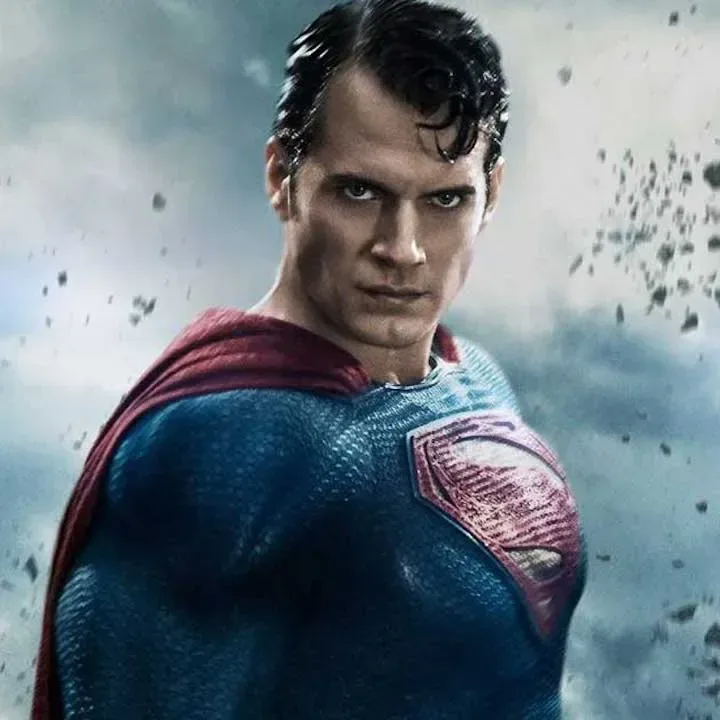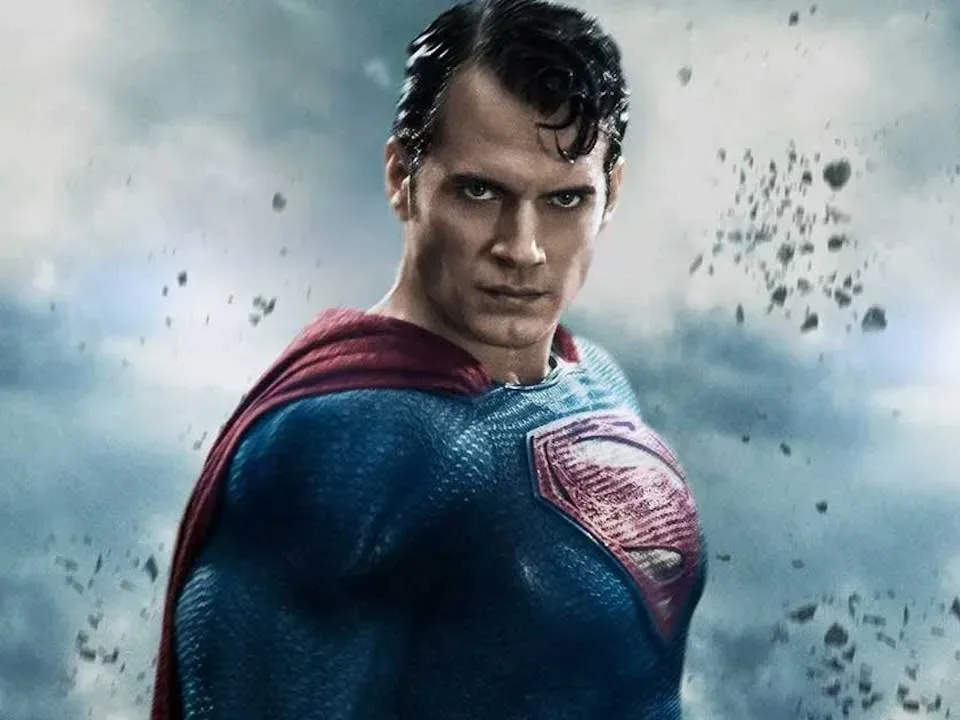
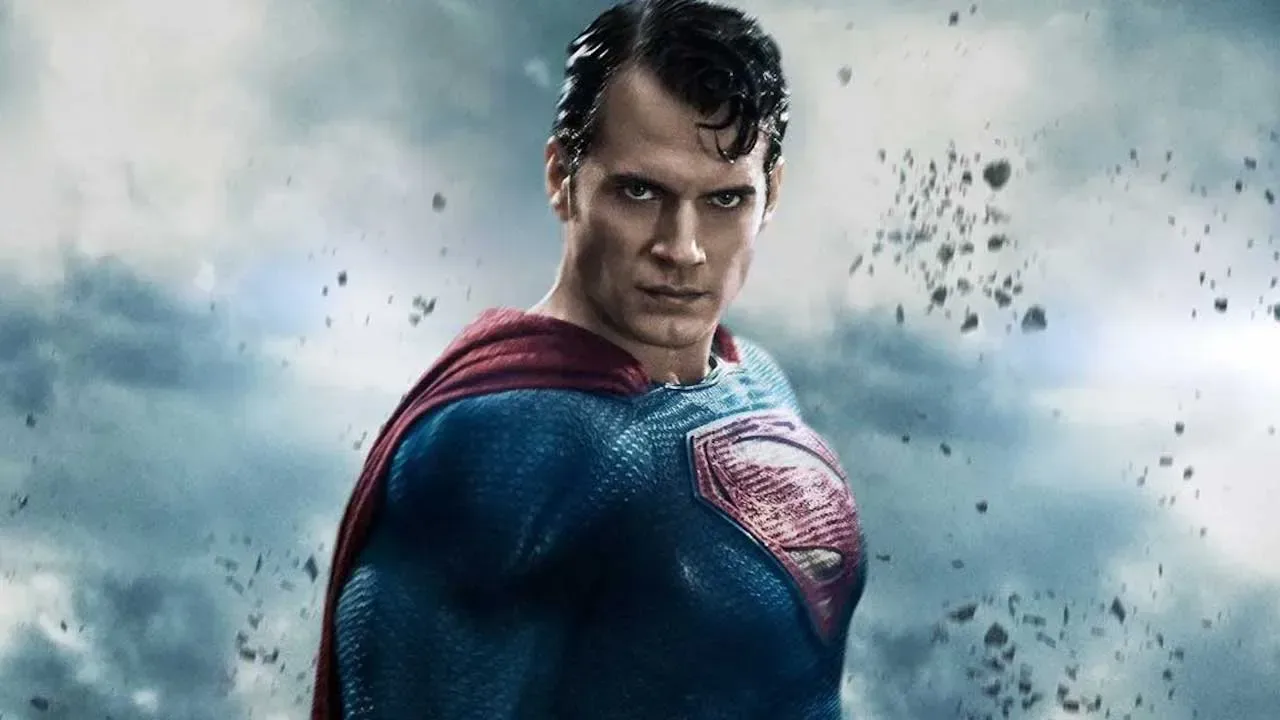
Henry Cavill has said he remains open to wearing Superman’s cape again, a notably measured answer from an actor whose history with the character has already included a long absence, a brief return, and another abrupt change in direction.
Asked whether he might ever revisit Superman, with the comic-book storyline Kingdom Come raised as a potential avenue, Cavill did not attach himself to a specific project or claim that conversations were underway. Instead, he emphasized the breadth of stories available for the character and made clear that he would not close the door on a comeback.
“Look, there’s lots of fantastic storylines. There’s always a lot of opportunity. As the pigeon sang to Fievel in An American Tail, ‘never say never.’ And I buy into that. I’ve had such a wonderful time playing Superman in the past. I would never say never now.”
That is an expression of willingness, not confirmation that a return is planned. But it arrives at a consequential point for DC’s screen strategy. James Gunn and Peter Safran are set to remain in their positions until December 1 after being removed as DC Studios heads, with Jeremy Latcham expected to take over. Latcham is expected to make changes to DC’s direction, although a reboot has not been firmly decided.
The stated emphasis is on DC’s mainstream characters and on assembling a big-screen Justice League quickly. That makes the future of Superman especially central, while also making any prediction about Cavill’s place in it premature.
Why Cavill’s answer matters now
For a character as recognizable as Superman, casting is more than a single-film decision. It signals what continuity a studio intends to keep, what audience relationship it wants to preserve, and whether earlier stories still matter. DC’s immediate question is therefore not simply whether Cavill would accept a call. He has answered that part: potentially, yes. The much larger question is what form DC’s next shared universe will take.
A reboot generally means resetting a fictional screen continuity: previous plotlines may no longer be the foundation for future films, even if familiar characters, imagery, or concepts return. A recast is narrower. It means a new actor takes over a role, which can happen inside an existing continuity or alongside a more extensive restart. These terms are often used interchangeably in fan discussion, but they describe different decisions with different consequences.
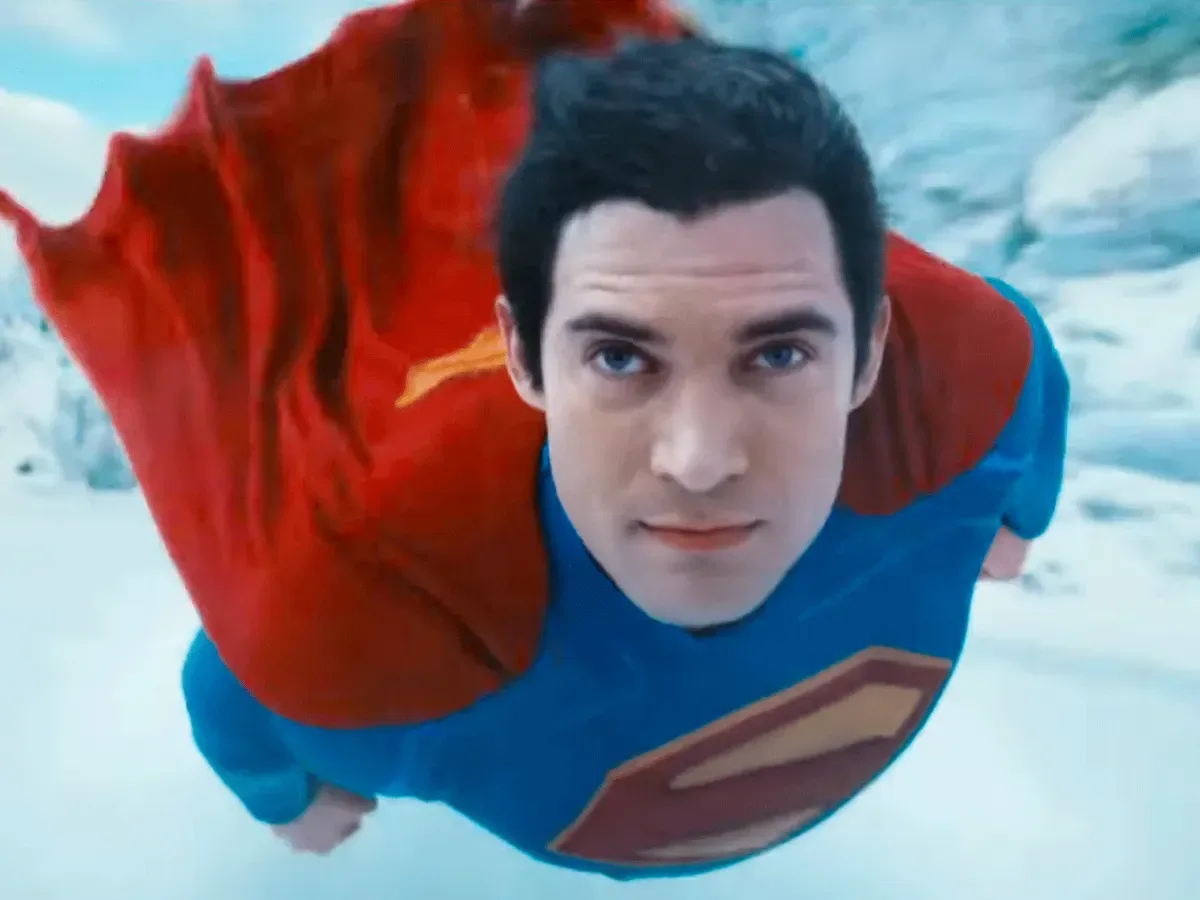
There is no confirmed decision here. The timing suggested by the available information is that DC may wait to assess Gunn’s Superman sequel, Man of Tomorrow, which is due in theaters in July, before deciding whether to reboot or recast the current universe. That leaves several possibilities open in theory, but none should be mistaken for an announced plan.
Cavill’s remarks nevertheless stand out because his tenure as Superman has never followed a straightforward path. His willingness to return after that history means the option is not being ruled out by the actor himself.
A Superman run marked by uncertainty
Cavill debuted as Superman in Man of Steel. The film generated controversy around the scale of destruction and casualties associated with Superman’s fight against General Zod. That debate fed into a wider disagreement about the tone of this version of the hero: some viewers responded to the more serious approach, while others felt it pulled too far from the hopeful qualities many associate with Superman.
Batman v Superman produced further friction with fans. One prominent criticism was that Superman came across as unusually brooding and unhappy. The issue was not merely costume, powers, or action choreography; it was a question of characterization. Superman has endured for generations partly because he can be played as a figure of immense strength who chooses restraint and optimism. The balance between gravity and warmth is often a defining creative choice.
After Justice League, Cavill’s future in the role remained unclear. Reports and rumors pointed in different directions, with uncertainty over whether he would be replaced or whether decision-makers simply lacked a settled plan for the character. In practical terms, an extended absence from a major franchise role can create an unusual limbo: a character remains famous, the actor remains associated with it, yet no next chapter is guaranteed.
That uncertainty appeared to lift when Dwayne “The Rock” Johnson helped bring Cavill back for a cameo in 2022’s Black Adam, five years after Cavill’s prior appearance as Superman. Cavill was promised new Superman adventures, only for Gunn’s arrival at DC weeks later to end that apparent path. The sequence helps explain why even a cautious “never say never” answer carries more weight than a routine hypothetical.
What a return would and would not mean
It would be easy to treat Cavill’s openness as evidence that a revival is imminent. It is not. He did not identify a script, a director, a studio approach, a deal, or a date. He also did not say that Kingdom Come is being developed for him. The storyline was presented in the question, and Cavill answered at the broader level of Superman’s many possible stories.
That distinction is important in franchise coverage. An actor can be enthusiastic about a role while the studio has no immediate place for that version of the character. Conversely, a studio can explore a direction without an actor being committed. Until both sides converge on a defined project, enthusiasm is simply enthusiasm.
The likelihood of a direct return to the previous DC continuity is particularly uncertain. The available information suggests the incoming leadership may reshape the direction of DC films, while the current studio transition itself has not yet resolved into a declared reboot or recasting policy. Reviving the earlier Snyder-era continuity would require a deliberate choice to preserve or revisit that framework; no such choice has been confirmed.
The more defensible reading is that Cavill has kept a future professional possibility alive. That could matter later if DC seeks an alternate continuity, a special appearance, or a story that benefits from an established Superman actor. It could also ultimately amount to nothing if the next leadership team chooses a clean break. Both outcomes remain compatible with what has actually been said.
The bigger decision is DC’s, not Cavill’s
New leadership tends to bring a basic set of franchise questions into focus: Which characters arrive first? How connected should individual movies be? Should the audience be asked to follow existing continuity, or invited in through a new starting point? DC’s stated desire to prioritize recognizable heroes and assemble the Justice League quickly makes those choices more urgent.
Superman is at the center of that calculation, but he is not alone in it. A Justice League plan requires a coherent approach to several major characters, their introductions, and their shared world. Choosing one Superman actor can therefore affect far more than one starring vehicle. It can influence tone, continuity, marketing, and the speed at which other heroes are brought together.
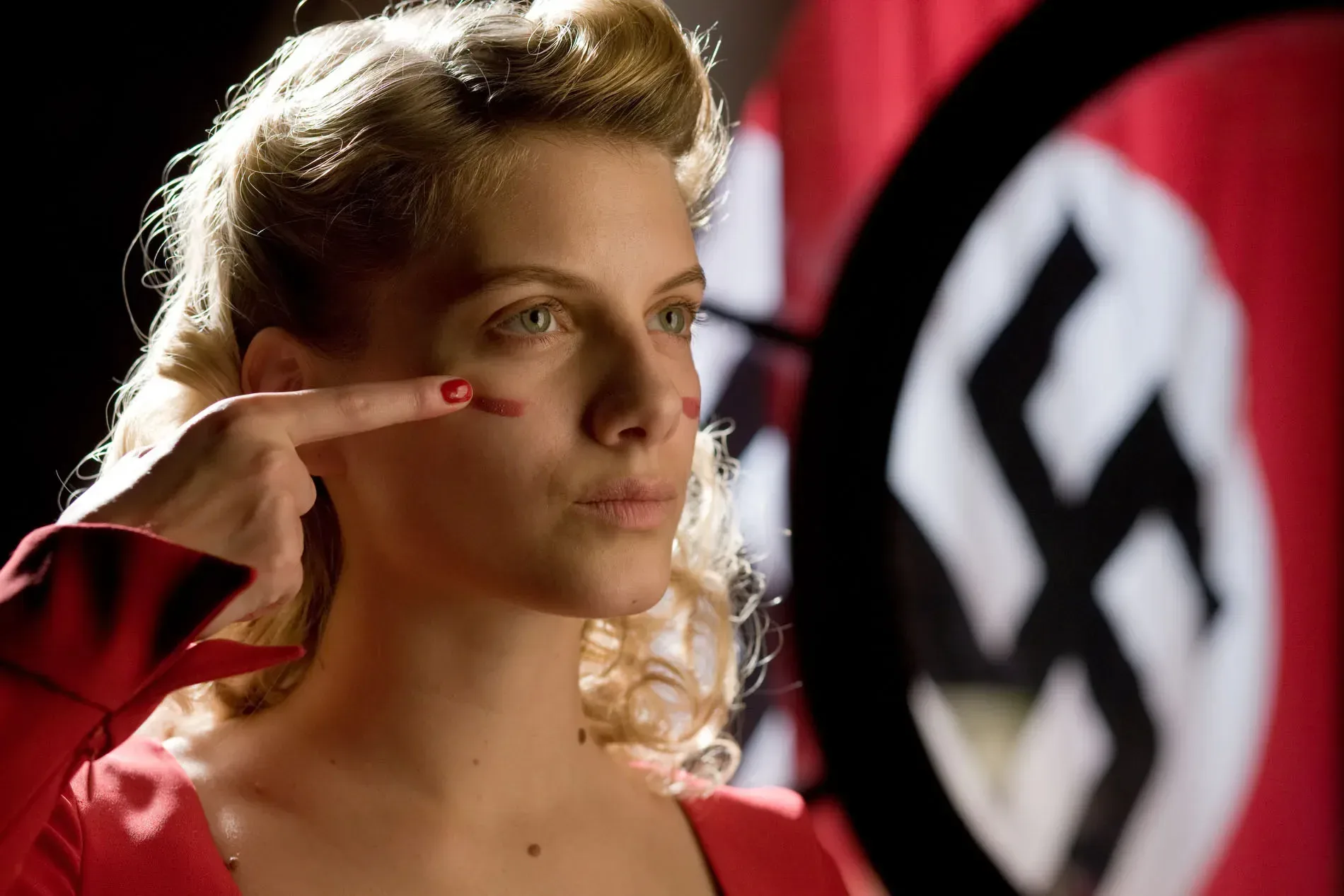
There is also a useful parallel in the way Hollywood careers can move through reversals before a part is finally settled. Recent discussion of casting turbulence around Mélanie Laurent’s path to Shosanna in Inglourious Basterds is a reminder that creative decisions can change dramatically before audiences see the finished result. Cavill’s situation is far larger in franchise terms, but the core principle is similar: a public moment in a production’s history is not always its endpoint.
For now, Cavill’s status is straightforward. He has not announced a Superman return. DC has not announced one either. He has, however, said that he would be willing to consider it despite the twists of his previous run. As DC’s leadership transition unfolds and Man of Tomorrow approaches its July release, that openness ensures his name will remain part of the larger Superman conversation.