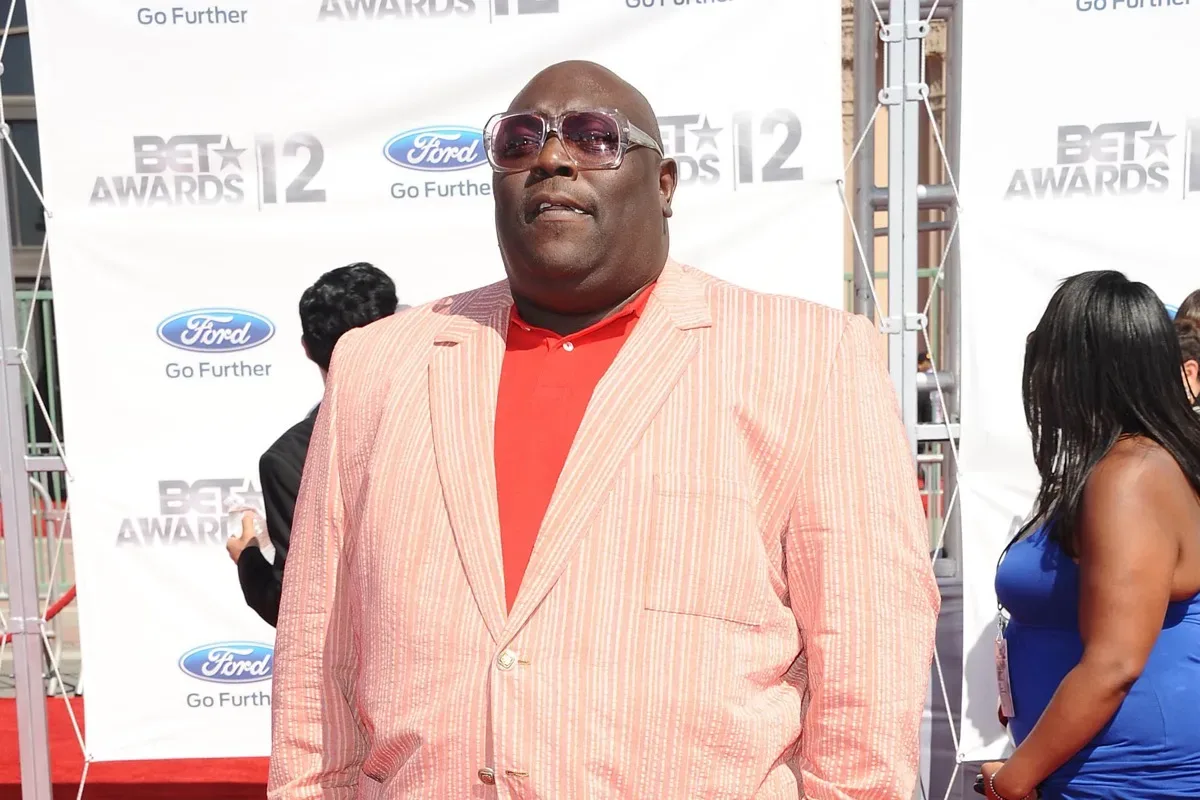
Comedian and actor Faizon Love is facing a civil lawsuit tied to an Alabama benefit event, with promoter Inga Harden alleging that she paid a $6,250 advance for a performance that never happened and was not refunded.
The dispute concerns a July 17 benefit for local businesses in Florence. Harden’s complaint says Love agreed to appear for at least an hour for a total fee of $12,500, with half of that amount due in advance. Harden is seeking $6,436.50 in the alleged deposit and related fees, as well as additional damages, from Love, his agent Eric Young, and Young’s company.
Those are allegations in a complaint, not findings by a court. The available account does not describe a response from Love, Young or Young’s company, and the case will ultimately turn on the terms of the booking arrangement, the communications between the parties, the handling of the payment and any defenses raised.
What the promoter alleges happened
Harden says Love did not appear at the Florence event and that she received no advance notice that he would miss it. Her complaint also describes her subsequent attempt to recover the advance: after she asked for a refund, she allegedly received a $1 Cash App notification, followed by a message attributed to Young asking her to verify the account.
The $1 notification is a particularly notable detail because it is not alleged to have resolved the disputed $6,250 advance. In practical terms, Harden’s claim is not simply that an artist missed an engagement. It is that the contracted performance did not occur, no timely warning was given, and the advance remained unpaid after a refund was requested.
A deposit is money paid before services are delivered. In live entertainment bookings, an advance can secure a performer’s date, compensate for preparation or travel commitments, or form part of the agreed fee structure. Whether a deposit is refundable depends on the contract and circumstances. A court evaluating a dispute like this could focus on matters such as the written agreement, cancellation terms, who had authority to make commitments, when each party learned of a problem, and whether the promoter was owed repayment under the deal.
The complaint seeks more than the original advance. The requested $6,436.50 is described as deposit money and fees, while Harden also seeks additional damages. That distinction matters. The deposit is the core amount Harden says was paid; fees and damages are separate categories that may be requested to cover alleged costs or losses. A request in a lawsuit is not an automatic award.
Why the agent is named alongside Love
Harden’s action names Love, Young and Young’s company. That does not by itself establish who received funds, who negotiated the engagement, or who bears legal responsibility. But it signals that the promoter’s account treats the booking as involving both the performer and the representatives handling the transaction.
For organizers, the case highlights why a booking agreement needs clarity on the basics before promotional commitments are made: the performer’s required stage time, payment schedule, cancellation procedure, refund obligations, contact method and the identity of the person or entity authorized to receive payment. Those provisions do not prevent every breakdown, but they provide a practical record when a date, payment or cancellation is later contested.
It is also useful to separate a promoter’s public-facing event plans from a private contract claim. A benefit can carry added stakes because a no-show affects not only ticketed entertainment but the businesses, attendees or cause associated with the event. Still, the legal issue described here remains a claim about a specific performance agreement and an advance payment, rather than a ruling on Love’s career or finances generally.
A separate child-support case is part of the backdrop
The lawsuit arrives after a separate Florida child-support matter put Love’s financial circumstances before a Hillsborough County court in June. A judge released Love on June 19 after he had spent 16 days in custody.
During that proceeding, Love said he was receiving roughly $10,000 a year in royalties from Elf and at times sleeping in his 1999 vehicle. His attorney, Glen Lansky, argued that the incarceration had already cost Love a film job. Lansky also said earlier attorneys had failed to inform the court of how little Love earned, and said Love expected to return to California, where a friend was helping with bills.
Those statements arose in the child-support case, which is separate from Harden’s complaint over the Florence benefit. They may explain why the booking dispute has drawn extra attention, but they do not prove or disprove Harden’s allegations. A person’s description of financial difficulty in one proceeding is not, by itself, an answer to whether a performance contract was formed, whether a no-show occurred, or whether an advance should have been returned.
“They’re painting him as a complete villain,” Lansky said during the Florida proceedings, referring to the attorney for Love’s former partner.
That quote reflects the defense posture in the earlier child-support matter, not a legal position described in the Alabama complaint. Keeping the cases distinct is important: they involve different parties, different alleged obligations and different courts.
The reported payment issue before the benefit
Harden’s complaint says the child-support dispute was already a concern before the scheduled benefit. Eleven days before showtime, she says, an attorney seeking payment from Love contacted her and demanded that she withhold part of Love’s fee.
This allegation adds a second layer to the event-planning problem. A promoter who has agreed to pay an entertainer may face competing demands over that payment. The available information does not establish what rights any party had to the money or what ultimately happened to the requested withholding. It does, however, describe a situation in which a planned payment had become entangled with an outside dispute shortly before the event.
For an event organizer, a late request involving a performer’s compensation can create immediate operational risk. It raises questions about whether the performer can still appear, whether the promoter can safely release funds, and whether the event needs contingency planning. None of those questions changes the complaint’s central allegation that Love did not perform after Harden paid the $6,250 advance, but they help explain the fraught circumstances Harden says preceded the date.
Comedy-industry attention and the wider entertainment context
Love’s reported money troubles have also been discussed publicly by fellow comedians. Katt Williams addressed Love’s finances during a conversation involving Ice Cube and Mike Epps about Last Friday. Williams initially objected to appearing in the prospective film with Love, then softened that position before the conversation ended.
The discussion took place as Cube and Epps worked toward another entry in the Friday comedy franchise. The most recent film in the series was released in 2002. That public exchange is entertainment-industry commentary, not evidence in Harden’s civil case, and it should not be confused with the allegations being tested in court.
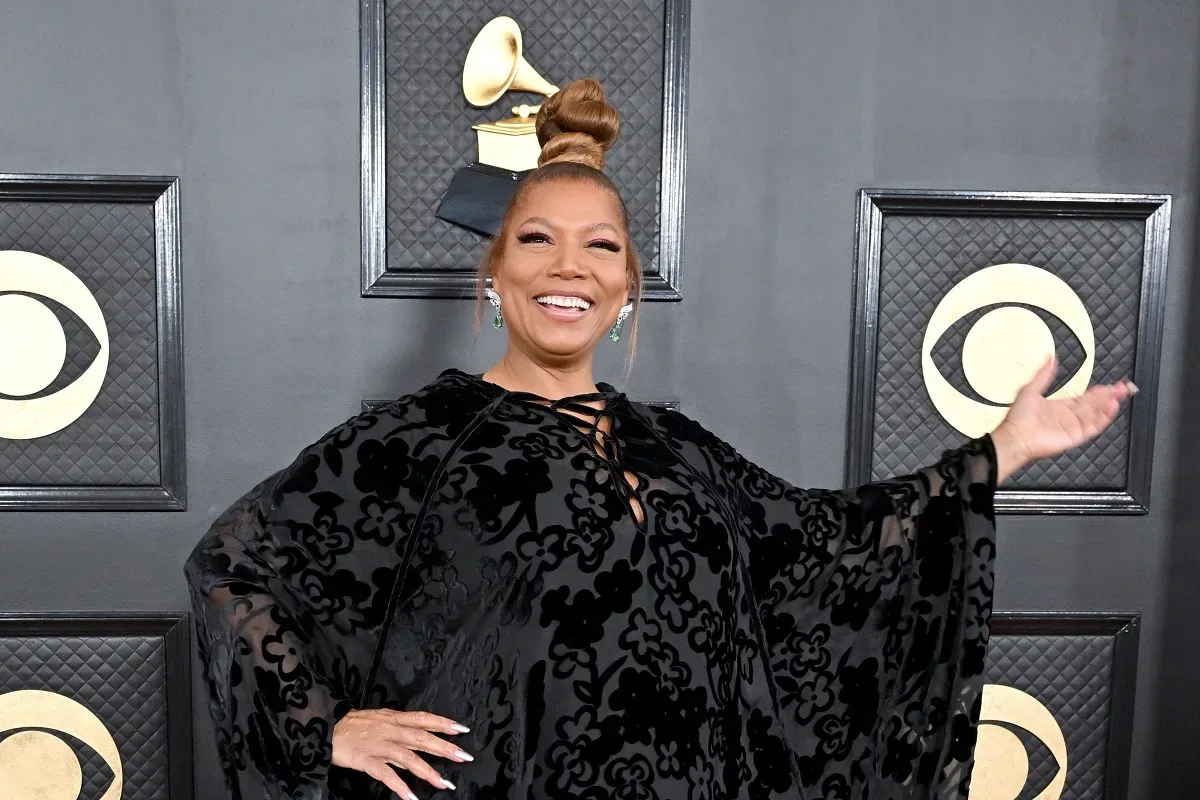
Benefit events also sit within a broader entertainment ecosystem where performers can be attached to charitable or community-facing efforts. For another recent example of a high-profile charity-linked entertainment project, see Queen Latifah’s Grammy-nominated charity recording. The connection is the community-benefit context, not any shared legal or business issue.
What remains unknown
Several essential details are not established by the allegations available here. The precise contractual language is not described. It is not known whether the agreement included a force-majeure provision, a specific cancellation deadline, a replacement-performance option, or conditions governing the advance. The account also does not state why Love allegedly did not attend, whether his representatives contest the description of events, or whether any money beyond the reported $1 Cash App notification was sent.
Those gaps matter because a civil complaint is the opening presentation of one side’s claims. Love, Young and Young’s company may answer the suit, contest liability, challenge the requested amount, offer a different account of the payment or booking, seek a settlement, or take other procedural steps. Until a court makes findings or the parties resolve the matter, the no-show and refund claims remain allegations.
For now, the case centers on a straightforward but consequential question: whether an Alabama promoter who says she paid half of a $12,500 fee for a promised benefit appearance is entitled to recover the money and associated costs after the performance allegedly did not take place.