A run of onstage reconciliations at Ye’s Chicago homecoming concerts has revived one of hip-hop’s longest-running hypothetical questions: could Jay-Z and Ye ever repair their relationship? Elliott Wilson has made his own position plain. Responding online to discussion of the guests appearing during the Chicago events, Wilson wrote that he hoped “Big Homie” would not reconcile with Ye.
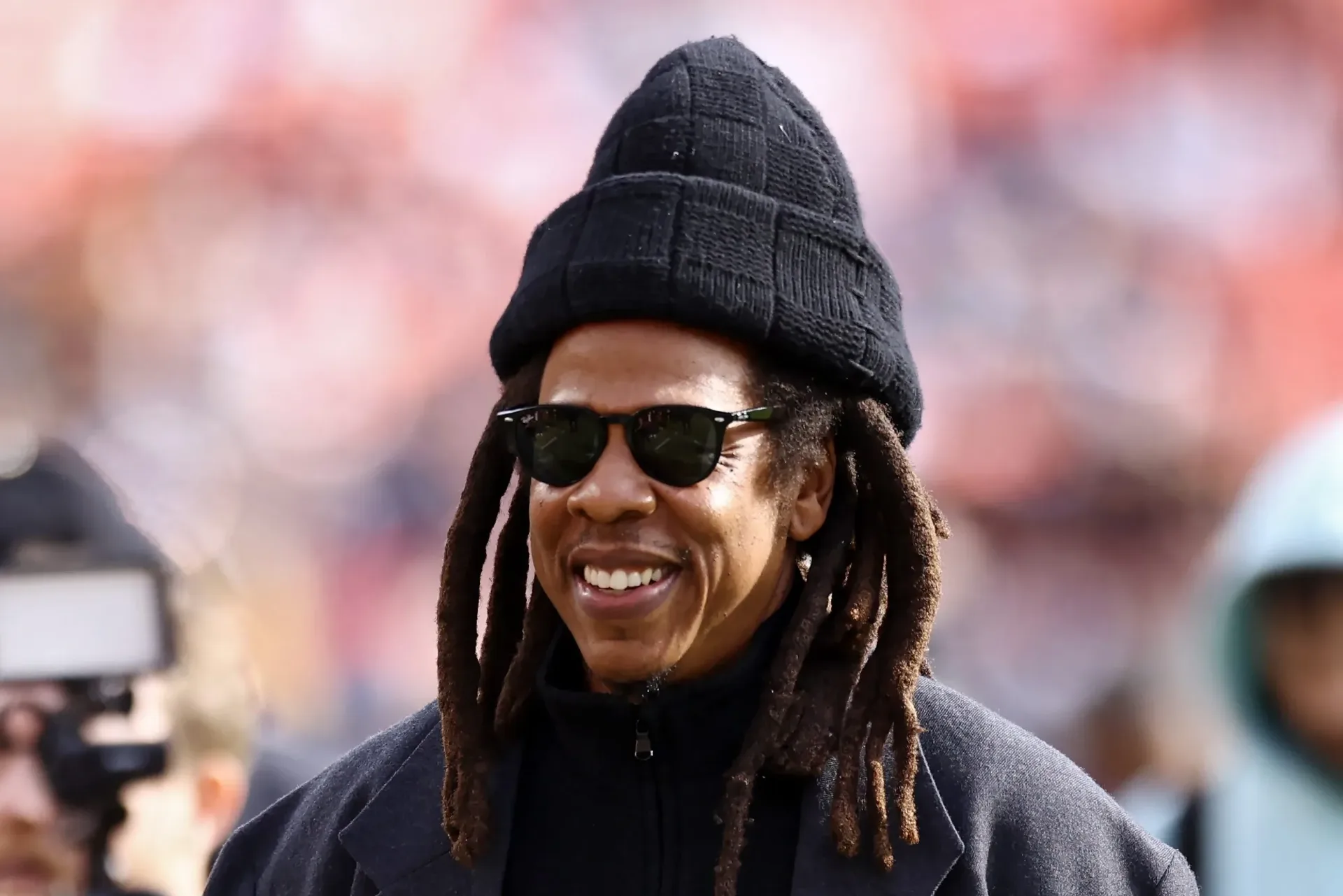
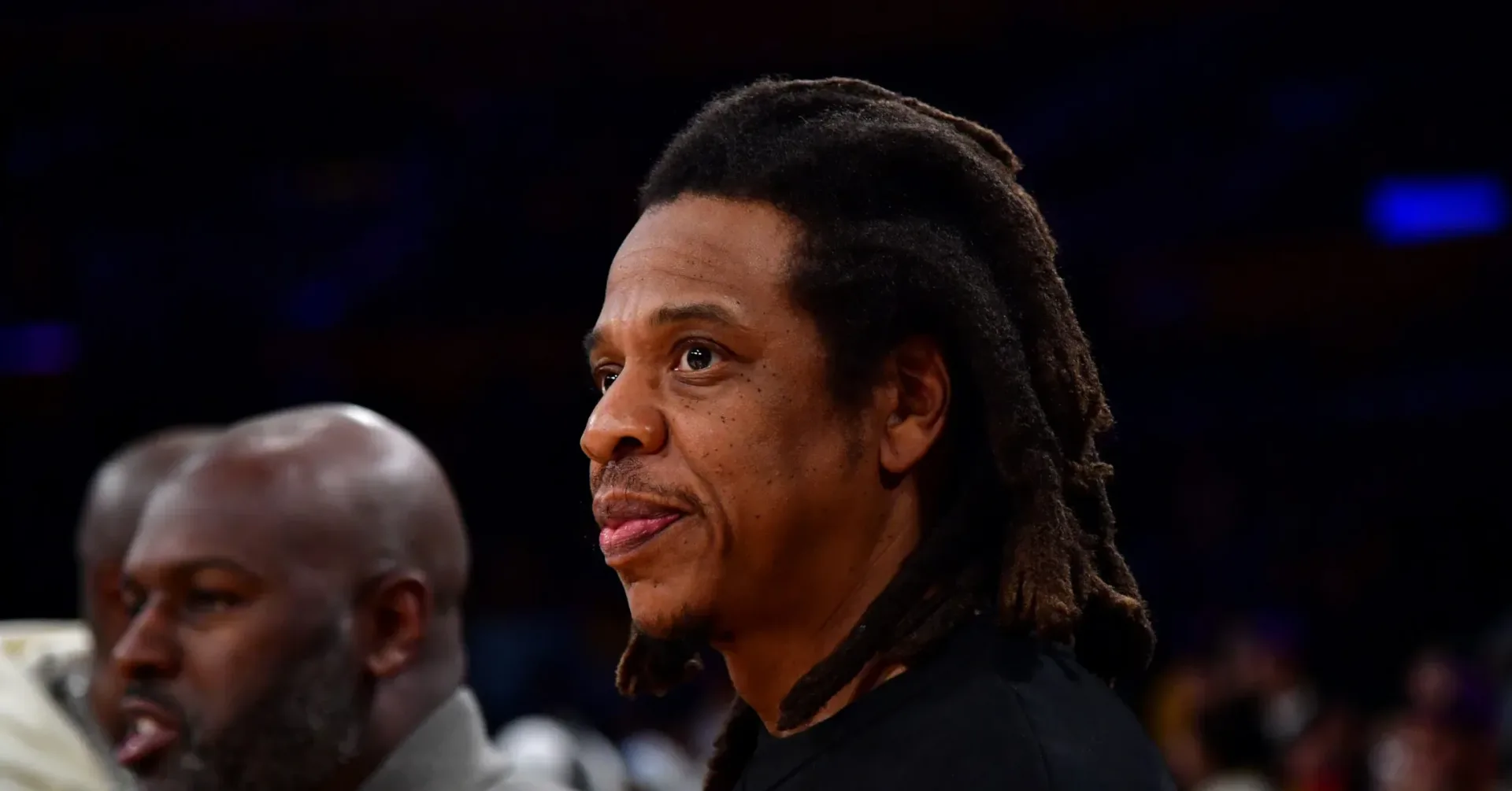
Wilson did not explicitly identify Jay-Z in the post. Still, the surrounding conversation made the interpretation easy for many followers: “Big Homie” was broadly understood as a reference to the Roc Nation leader. The remark did not settle anything between the artists, nor did it reveal new communication between them. It did, however, underline how strongly their history still shapes the reaction to every new Ye reconciliation.
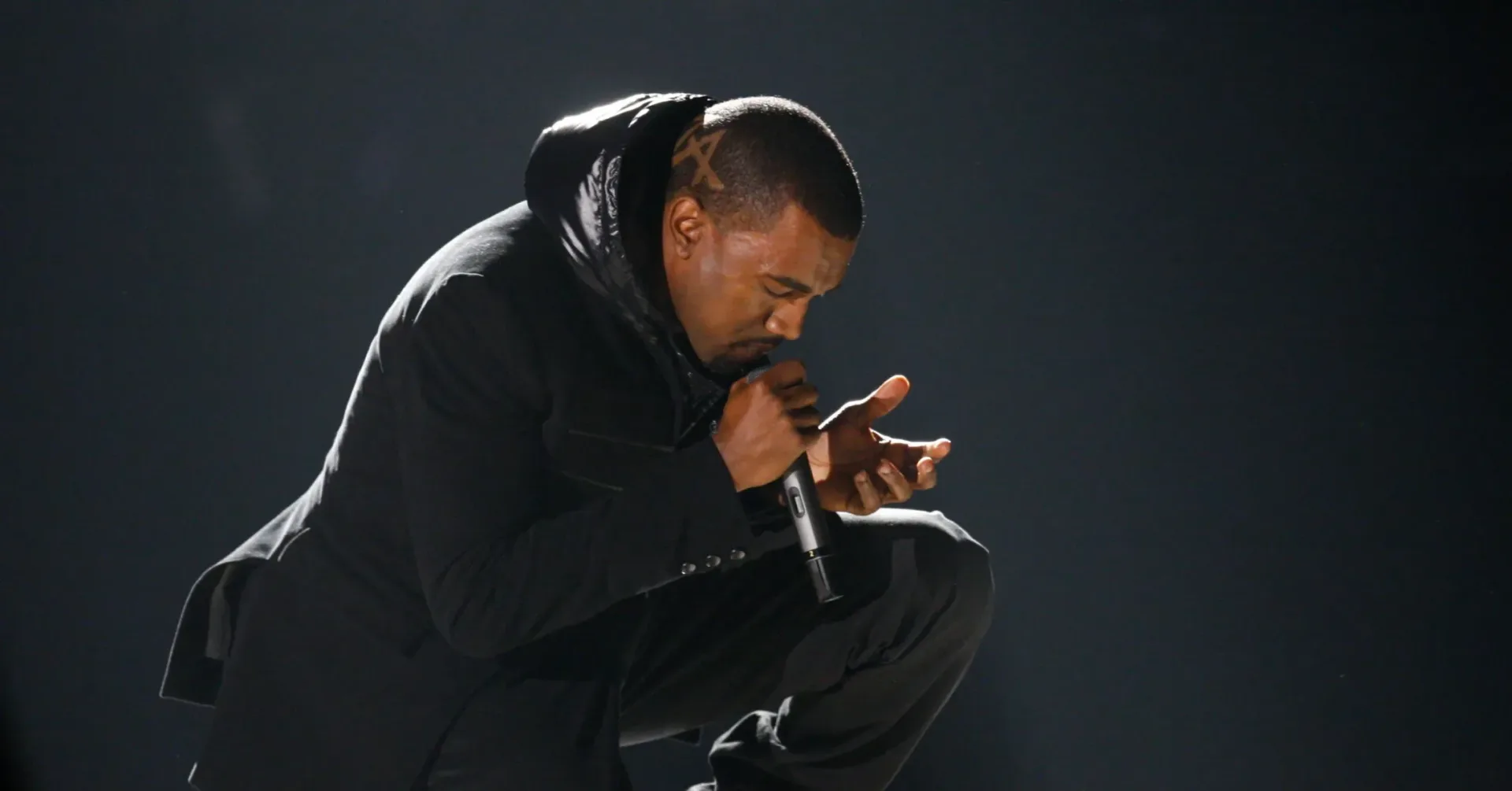
The immediate backdrop was a notably broad list of artists connected to Ye’s Chicago concerts. Kid Cudi, Big Sean, Lupe Fiasco, Travis Scott, Future and Common were among the names associated with the appearances, alongside other guests. For an artist whose professional and personal breaks have often become public events, a crowded stage can quickly become evidence—fairly or not—that another old conflict could be heading toward a reset.
That leap is precisely why Wilson’s comment drew attention. A reunion between former collaborators is not automatically a forecast of a reunion between all collaborators. And with Jay-Z and Ye, the scale of their shared history makes the question far larger than a one-night cameo, a friendly social-media post, or a piece of visual appreciation.
Why a Chicago guest list reignited the Jay-Z question
Ye’s Chicago performances created a setting that naturally encouraged fans to look backward. The guests represented a mix of artistic relationships, industry connections, former tensions and longstanding affiliations. In that environment, each appearance can be read as part of a broader narrative about forgiveness, distance and who is willing to share space again.
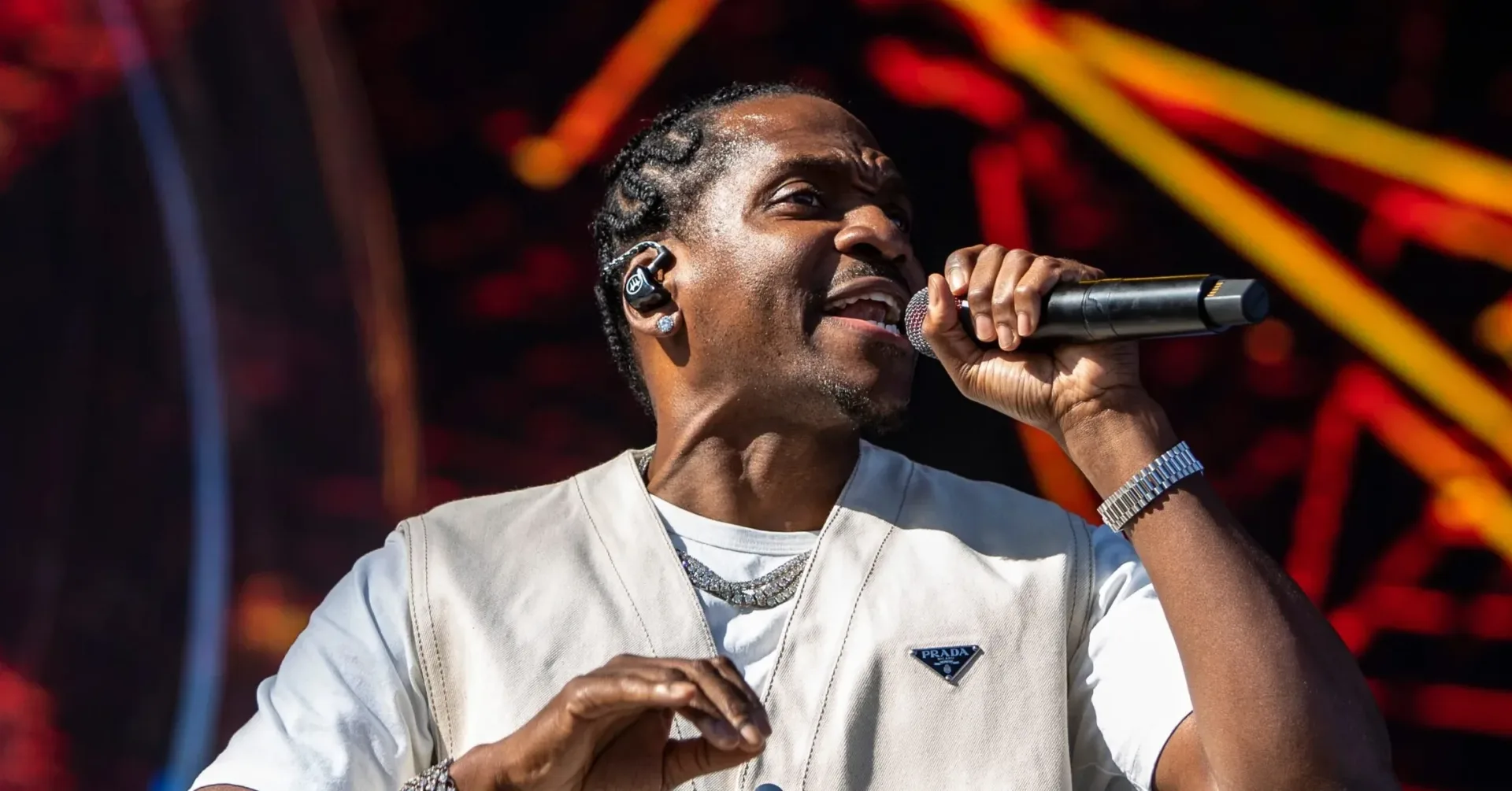
Kid Cudi and Big Sean especially became meaningful reference points for people following Ye’s relationships with artists in and around the G.O.O.D. Music orbit. Their visibility helped revive discussion of Pusha T as well, because the public tends to treat music-industry relationships as a connected map rather than a set of separate personal decisions. That is not always a useful way to understand people’s boundaries, but it is an unsurprising way that fans interpret major public shows.
For more on the Chicago context and the continued questions surrounding former collaborators, see the discussion of Travis Scott, Ye, Kid Cudi and the Pusha T questions that remain.
Jermaine Dupri’s observation about the volume of guests prompted Wilson’s response. Wilson’s wording was short, but it carried the force of a clear preference: he does not want the person he called “Big Homie” to join the list of people reconciling with Ye. Online reaction quickly filled in Jay-Z’s name, even though Wilson had left it unstated.
That distinction matters. Fans can reasonably explain why they interpret an allusion a certain way, but interpretation should not be inflated into a confirmed statement about the artists’ current private relationship. There was no announced Jay-Z appearance in Chicago, no reported reunion, and no indication in this exchange that the two have resolved their differences.
A partnership that makes every possibility feel enormous
Jay-Z and Ye occupy a rare place in rap history. Their association was built through mentorship, business and music, with Ye rising from a producer working around Jay-Z’s world into a superstar and mogul in his own right. They later became high-profile collaborators whose combined stature made even routine moments feel consequential.
Their joint identity as The Throne is central to why fans remain fascinated. Watch the Throne did not merely pair two successful rappers; it captured two exceptionally influential figures operating together at a massive level. Any idea of them returning to that mode therefore carries a symbolic weight beyond the ordinary possibility of two artists making peace.
But an important catalog or an iconic stage partnership does not erase the fractures that followed. Their relationship has been characterized publicly as turbulent, with personal, professional and industry conflicts accumulating over time. The details have been debated in public for years, but the larger point is straightforward: this is not a minor disagreement that listeners expect a casual gesture to dissolve.
That context helps explain the bluntness of Wilson’s stance. To those who share it, a reconciliation would not simply be a pleasant full-circle moment. It would raise questions about accountability, loyalty, history and the degree to which public goodwill should be expected after serious conflict. Others take the inverse view, arguing that Ye should be the one who does not reopen the relationship. Even where the conclusion is different, the underlying belief is similar: neither artist owes the public a reunion.
Recent signals have not amounted to a reconciliation
Speculation has also been fueled by a recent instance in which Ye appeared to show appreciation connected to Jay-Z’s Yankee Stadium performances. The gesture seemed notable because Jay-Z had taken a shot at Ye during a Roots Picnic freestyle. Yet the apparent praise may have concerned art direction rather than Jay-Z personally, making it a weak basis for predicting any broader thaw.
That ambiguity is important in a culture that often reads every post, lyric, seating chart and performance visual as a coded message. Sometimes artists are responding to an aesthetic idea, an event or a creative decision rather than extending a personal olive branch. Acknowledging a performance’s presentation is not the same as announcing contact, friendship or future collaboration.
What is clear is that no significant reunion followed from that moment. Jay-Z’s recent concert activity has continued separately, including the completion of the second night of his London concerts and further major performances still ahead. Fans have used the separate runs of shows to debate which member of The Throne delivered the stronger live events, but that is a different debate from whether The Throne will ever return.
There is no need to pretend those discussions are disconnected. Live performances give audiences a contemporary way to measure artists whose shared legacy remains fixed in a previous era. But comparing concerts does not create evidence of a new collaboration. It mainly demonstrates that both men remain significant enough for their individual work to be viewed through the lens of their past partnership.
Reconciliation is not a scoreboard
The online discussion around Wilson’s post also showed how quickly reconciliation can become a team sport. Some reactions were driven by firm support for Jay-Z and opposition to Ye. Other voices, while similarly resistant to a reunion, framed it as protection of Ye rather than protection of Jay-Z. Both positions turn a complicated relationship into a contest over who should withhold forgiveness.
That framing can obscure the more serious concerns people raised. Ye’s previous bigotries and controversies remain central for many observers who object to celebratory narratives around reunions with former associates. Their concern is not necessarily whether an old musical partnership would produce exciting songs. It is whether public figures and institutions should be eager to treat renewed proximity as a sign that past conduct no longer requires scrutiny.
This is also why it is misleading to place every Chicago guest into one simple category. Appearing at a concert can have a specific context. It may reflect a renewed friendship, professional respect, a hometown connection, a desire to participate in a major event, or something that has not been publicly explained. It does not automatically answer every question about what an artist endorses or how they view Ye’s past actions.
Likewise, the absence of Jay-Z should not be treated as a fresh diss. He was not part of the reported Chicago guest list, but nonappearance is not a statement by itself. Public audiences often want definitive outcomes because they make an ongoing story easy to follow. Real relationships, particularly relationships between people who have spent decades under intense attention, tend to be less legible.
What Wilson’s comment actually establishes
Wilson’s post establishes one thing with confidence: he does not want the reconciliation he believes others keep expecting. It does not establish Jay-Z’s view, Ye’s view, the status of private communication, or the possibility of a future musical collaboration. Those remain unknown.
Still, the response captures a wider fatigue with automatic reunion narratives. Hip-hop has many examples of feuds ending, artists unexpectedly sharing a stage, and old creative alliances finding a second life. That history encourages optimism whenever a few related names appear together. Yet reconciliation is not a standard requirement of adulthood, success or nostalgia. Sometimes two artists can acknowledge a shared legacy without recreating it.
For now, the available public picture is limited. Ye’s Chicago homecoming concerts featured multiple former associates and peers. Wilson reacted by voicing opposition to what many read as a Jay-Z reconciliation. Jay-Z has continued his own concert run. Fans are debating performances, interpreting gestures and revisiting a partnership that still looms large. None of that amounts to evidence that a new chapter for The Throne is underway.
That may be the most useful way to approach the moment. The history between Jay-Z and Ye is big enough that even a small hint attracts enormous attention. But until either artist makes a direct, unambiguous move, it remains a conversation about possibility—not a reunion story.