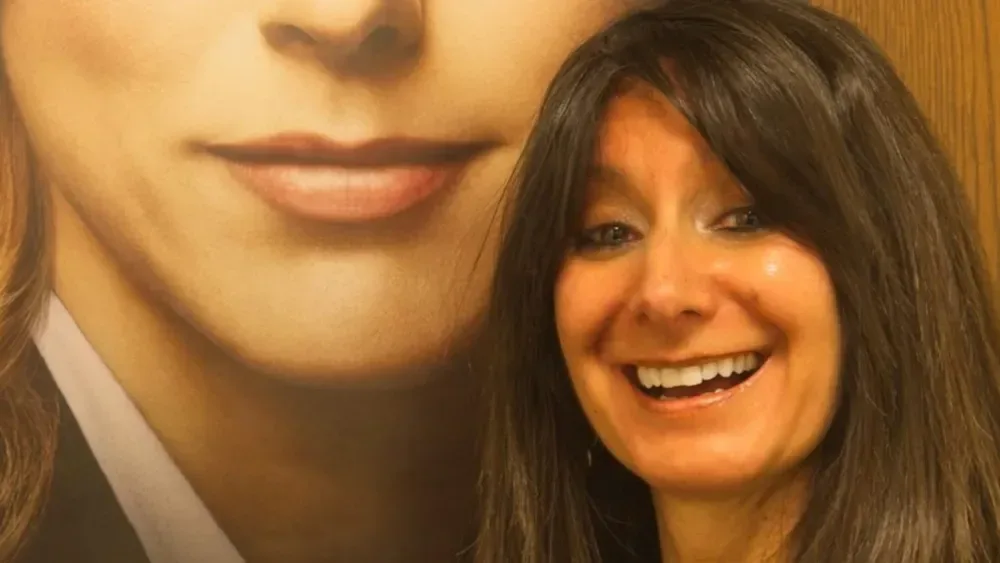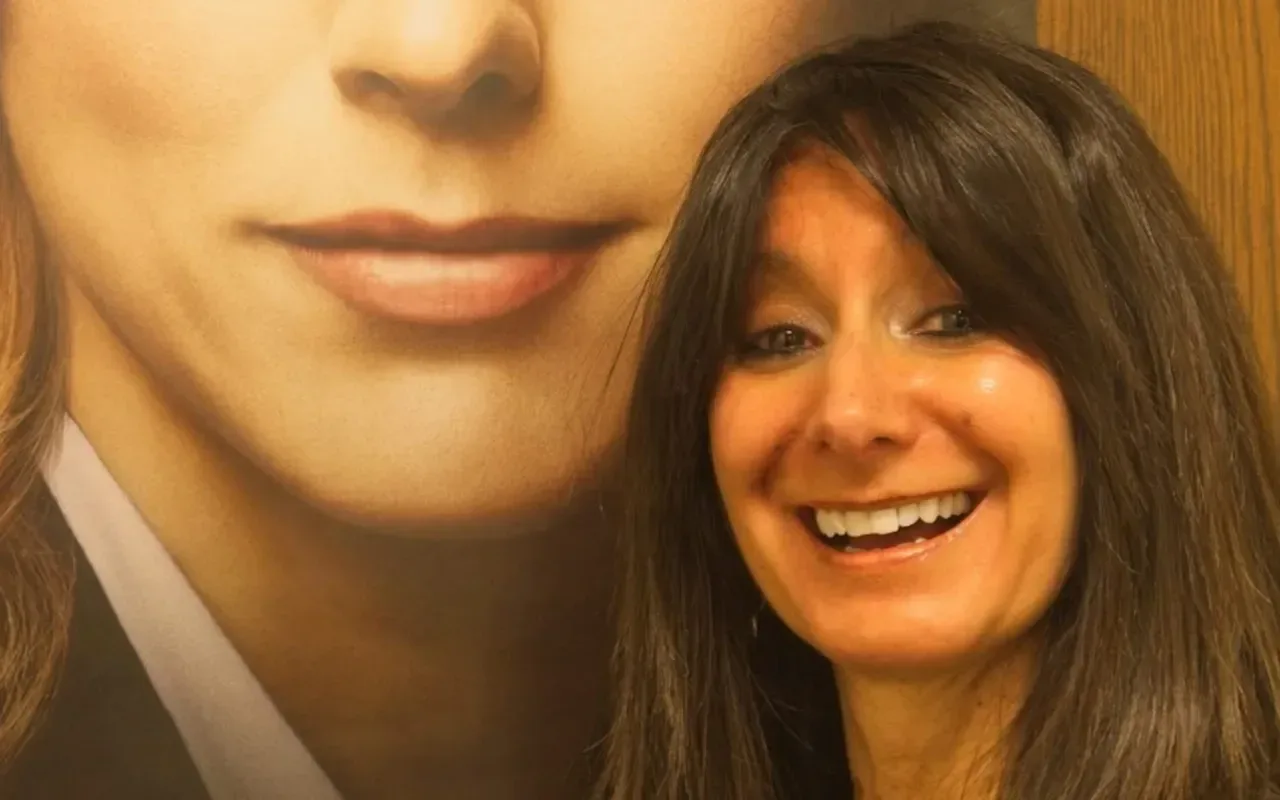
Elena Maganini, the film and television editor whose work on the pilot of Dexter earned an Emmy, died Oct. 21 in Burbank from complications of breast cancer. She was 70.
Maganini’s credits stretch from independent-feature filmmaking in Chicago-linked creative circles to prominent network and cable television. Her career included a sustained collaboration with director John McNaughton, editing on films such as Henry, Portrait of a Serial Killer, Mad Dog & Glory, Wild Things, The Borrower, Speaking of Sex, Lansky and Sex, Drugs and Rock & Roll. She later worked on television series including Madam Secretary, Good Behavior, Clarice, Manifest and The Cleaning Lady.
A career built across film and television
Born in Chicago, Maganini graduated from the University of Illinois and studied filmmaking at Columbia College Chicago. Her early professional work was at Sinnot & Associates, a Chicago production company.
Her first feature credit was McNaughton’s 1986 Henry, Portrait of a Serial Killer. The film marked the beginning of a professional association that continued across several McNaughton projects with very different tones and subjects. That range matters when considering an editor’s body of work: editing is not merely the act of shortening filmed material. It is the construction of a finished screen performance from multiple takes, camera angles, reaction shots, transitions, sound and silence.
An editor helps determine when viewers receive information, how long an image remains on screen, whether a reaction lands before or after a line, and how a scene moves from one emotional state to another. Those choices can establish unease in a thriller, pace a comedy, clarify a complicated exchange or let an actor’s pause do the storytelling. The supplied credits show Maganini working across dramas, thrillers, crime stories and television formats rather than being confined to one narrow kind of project.
Among the best-known titles in that filmography is Wild Things, starring Matt Dillon, Neve Campbell and Kevin Bacon. The film remains part of the broader thriller conversation around Campbell’s screen career; the actor is also set to return as Sidney Prescott in ‘Scream 8’. Maganini’s other feature work included Next Friday and Ed Gein.
The special importance of a television pilot
Maganini received her Emmy for editing the pilot of Dexter. A pilot is more than simply the first episode shown to an audience. It is the episode that must introduce a premise, establish a visual and dramatic rhythm, orient viewers to central characters and make a case for the series’ continuing engine. In practical terms, it has to do several jobs at once without feeling like a list of introductions.
For an editor, that can mean balancing exposition with momentum. Exposition is the information an audience needs to understand the world, characters or stakes. Too much of it can stop a story in its tracks; too little can leave viewers disconnected from what is happening. Editing shapes that balance through scene order, shot duration, transitions and decisions about what material can be communicated visually rather than explained at length.
Related coverage includes Elena Maganini, Emmy-Winning ‘Dexter’ Editor, Dies at 70.
That is why an editor’s contribution to a pilot can have an outsize impact. The finished episode becomes a template for how the show presents its characters and how quickly it asks its audience to process plot, tone and moral ambiguity. Maganini’s Emmy recognizes that craft in the Dexter pilot specifically, while her subsequent credits demonstrate a career that continued well beyond the initial success of that episode.
The work is also collaborative by nature. Directors, producers, writers, performers, cinematographers, sound teams and editors all influence a final cut. An editor assembles and refines available footage rather than operating in isolation, but the process requires judgment at every stage: selecting takes, managing continuity, building tension and finding the clearest emotional route through a scene.
What “cutting” a film or episode means
The industry shorthand “cutting” can make editing sound purely mechanical. In reality, a cut is both a technical transition and a storytelling choice. A cut from a speaker to a listener may reveal doubt, surprise or calculation. Holding a close-up longer can make a moment uncomfortable or intimate. Leaving earlier can create speed, uncertainty or irony.
Continuity is another central term. It refers to the sense that actions, screen direction, props, wardrobe, timing and geography remain understandable from shot to shot. Good continuity editing helps an audience follow a sequence without being distracted by the construction behind it. But editors may also deliberately disrupt an expected rhythm when a story calls for disorientation or tension. The point is not a universal rule; it is making choices that serve the material.
Maganini’s transition between feature work and episodic television also illustrates a basic distinction between the formats. A feature is designed as a single long-form experience. Episodic television must satisfy the immediate needs of an individual episode while serving larger character and plot developments over time. Pilots, particularly, require precision because they establish the terms of that longer viewing relationship.
Work beyond ‘Dexter’
Alongside her Emmy-winning Dexter work, Maganini edited episodes of Madam Secretary, Good Behavior, Clarice, Manifest and The Cleaning Lady. These credits place her across multiple television approaches: serialized storytelling, procedural elements, political drama and character-focused suspense.
She was also nominated for an Emmy and a CableACE Award for If These Walls Could Talk, an anthology centered on abortion. The project was directed by Cher and Nancy Savoca and starred Catherine Keener, Demi Moore and Shirley Knight.
An anthology is a work structured around separate stories or segments connected by a shared subject, setting or idea. That structure presents a distinctive editorial challenge. Each segment needs its own internal clarity and emotional arc, while the overall program must still feel coherent. A viewer should recognize the unifying concept without mistaking different stories for a single uninterrupted plotline.
Recognition from both the Emmy awards and the CableACE Awards points to the esteem attached to her work on that anthology. It also underscores the breadth of a career in which a single editor could be associated with an unsettling crime feature, an anthology about a major social issue and the opening installment of a long-running television drama.
A long collaboration with John McNaughton
Maganini’s repeated work with McNaughton is a notable thread in her feature career. Returning to work with the same director can give an editor a particularly useful familiarity with that filmmaker’s instincts: the intended tone of a scene, the value placed on performance versus plot information, and the degree of restraint or intensity expected in the final shape of the story.
That kind of partnership should not be mistaken for a fixed formula. The listed McNaughton films encompass different casts, premises and genres. But recurring collaborations can create a shared working language, allowing a director and editor to address difficult choices more efficiently. An edit is often where alternative versions of a scene become concrete: a scene can play more quickly, more ominously, more sympathetically or with more information withheld, depending on the material selected and its placement.
Maganini’s McNaughton credits therefore speak not only to the number of productions she edited but to professional trust sustained over multiple films. Her other feature credits, including Next Friday and Ed Gein, add to a résumé that crossed projects of substantially different scale and tone.
Professional community and memorial information
Maganini was a member of American Cinema Editors, the honorary society for film editors. Membership in such a professional community reflects the collaborative, specialized nature of screen editing, a discipline that is often most visible in its results rather than in the public profile of the people doing the work.
She is survived by her husband, Scott Collins, communications director at the Motion Picture Editors Guild; her daughter, Gabriella Coronel; and her daughter-in-law, Adrienne Coronel.
A memorial service is scheduled for Nov. 15 at 1 p.m. at the Fine Arts Theatre in Beverly Hills. Donations may be made to Columbia College Chicago, Tree House Humane Society or the Stray Cat Alliance.
Maganini’s legacy is present in the assembled form of the films and episodes she helped create: in the rhythm of scenes, the timing of revelations and the narrative confidence expected of a memorable series opener. Her Emmy for the Dexter pilot is a prominent marker of that contribution, but the fuller record is a career spanning features, anthologies and television series over many years.