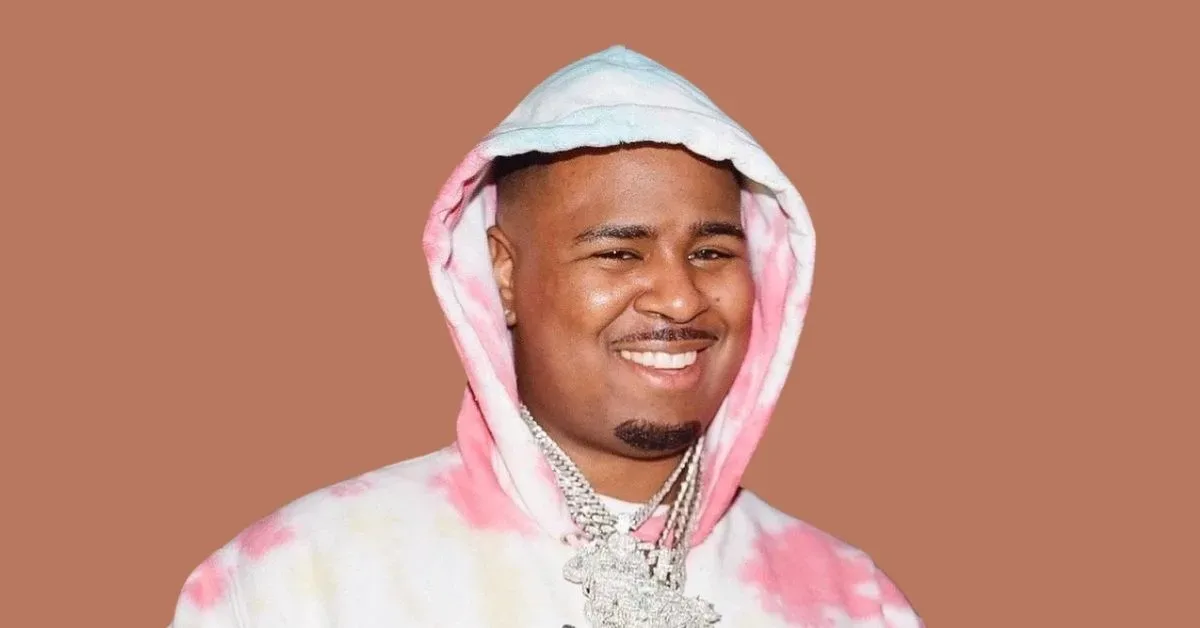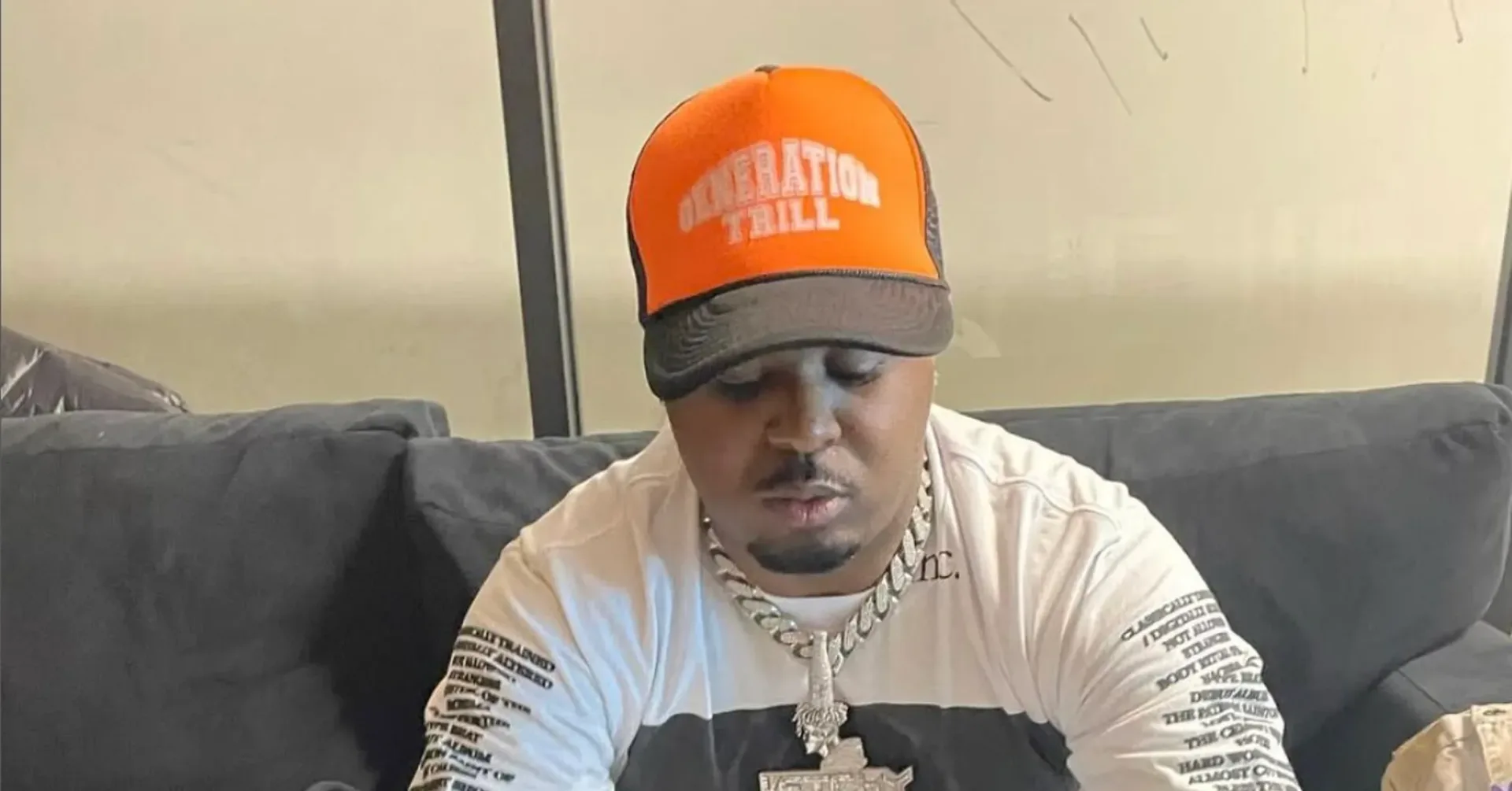
Drakeo the Ruler’s family has reached a settlement in its wrongful death lawsuit against Live Nation, Hollywood Elite Security, Inc., Black Tide Events, LLC, and other parties connected to the 2021 Once Upon A Time Festival in Los Angeles, where the rapper was fatally stabbed.
The agreement is not yet described as fully completed: specified settlement requirements must be completed within 45 days for it to become official. The terms themselves have not been made public, meaning there is no disclosed payment figure, admission of responsibility, or detailed account of the obligations agreed to by the parties.
That limited public record is significant. A settlement can resolve a civil dispute without producing a public trial, and confidentiality around its terms is common. It also means that the agreement should not be read as a public judicial finding about exactly what occurred backstage, who was responsible, or what security measures would have changed the outcome.
What the lawsuit alleged
The wrongful death case was brought by Drakeo the Ruler’s brother roughly a year after the artist’s death. It focused on the event’s promoters and alleged that security precautions were inadequate, characterizing them as ranging from “lackadaisical to totally absent.” The complaint’s central contention was that the backstage area was not properly secured and that this failure contributed to Drakeo’s death.
Those allegations are claims made in civil litigation, rather than established facts stated in the settlement report. The newly reported agreement resolves the lawsuit, but the undisclosed terms leave the public without a full account of how the defendants responded to each allegation or whether any particular security policy will be changed.
In plain terms, a wrongful death lawsuit is a civil claim asserting that a person or organization’s conduct contributed to someone’s death. It differs from a criminal case. A civil proceeding generally seeks accountability through remedies such as damages or negotiated terms, while a criminal proceeding concerns whether the government can prove that a defendant committed an offense. A civil settlement is an agreement to end the dispute; it is not, by itself, a criminal verdict.
That distinction matters in cases arising from large public events. Several entities may have overlapping roles, including promoters, security vendors, venue-related partners, and contractors. A lawsuit can examine whether those parties had duties related to crowd management, access control, staffing, or safety planning. But an agreement before trial may bring the case to a close without each of those questions receiving a public courtroom ruling.
A case rooted in a devastating 2021 loss
Drakeo the Ruler was killed after being stabbed at the Once Upon A Time Festival in Los Angeles in 2021. His death was a profound loss for West Coast hip-hop, and the years since have brought repeated tributes to the rapper and sustained discussion of his musical impact.
At the center of the family’s lawsuit was the backstage setting. Backstage spaces are often treated as controlled areas at festivals because they can bring together performers, crews, guests and event staff away from the main audience zones. The allegation that the area was insufficiently secure therefore went directly to the event-safety responsibilities the family believed the named parties held.
The settlement does not erase the gravity of the loss that led to the case. Nor does a private resolution necessarily provide the public with the kind of detailed narrative that a lengthy trial can produce. For the family, however, the agreement marks a major procedural development after years of litigation following Drakeo’s death.
Why the 45-day condition matters
The report of a settlement is not identical to the final completion of a settlement. Here, the parties have 45 days to satisfy the specified conditions necessary to make the agreement official. The available information does not say what those conditions are.
Such conditions can be administrative, financial, legal, or procedural, but none should be assumed in this particular case without disclosure. The practical point is simpler: the parties have reached an agreement in principle or an agreement subject to completion requirements, and the case’s final resolution depends on those requirements being met.
Until then, the public information remains narrow. There are no disclosed settlement terms to quantify, no published breakdown of the parties’ individual responsibilities, and no stated explanation of what actions will follow. That uncertainty is not unusual in civil settlements, but it places clear limits on what can responsibly be inferred from the development.
Drakeo’s continuing place in West Coast rap
Although the legal matter concerns the circumstances surrounding his death, Drakeo the Ruler’s importance extends far beyond the case docket. His name has continued to surface in conversations about the direction, sound and lineage of West Coast rap.
He has also been part of more recent debate involving Drake and Kendrick Lamar. Drake previously co-signed Drakeo, while some listeners have argued that Kendrick drew on Drakeo’s style on GNX without sufficient recognition. Those are discussions of influence and artistic credit rather than points connected to the wrongful death settlement, but they underscore how present Drakeo remains in rap discourse.
Influence is often difficult to measure cleanly. It can appear in vocal cadence, slang, delivery, phrasing, attitude, local perspective, or the broader permission an artist gives others to approach rap differently. Conversations around Drakeo have reflected that complexity: fans may disagree about individual parallels while still recognizing that his work left a lasting mark on the West Coast scene.
For readers following music culture, the broader context is worth keeping separate from the legal news. Tributes and debates about artistic legacy speak to the reach of Drakeo’s work. The settlement concerns a family’s civil claim over an irreversible loss at a live event. Both realities explain why the case has remained meaningful, but they are not the same question.
What is known—and what remains private
- Drakeo the Ruler was fatally stabbed at the Once Upon A Time Festival in Los Angeles in 2021.
- His brother later filed a wrongful death lawsuit aimed at promoters and raised allegations over event security and backstage safety.
- The family has now reached a settlement with Live Nation, Hollywood Elite Security, Inc., Black Tide Events, LLC, and others.
- Requirements must be completed within 45 days for the settlement to be made official.
- The financial and non-financial terms of the agreement have not been publicly disclosed.
The absence of publicly available terms means there is no basis to state the value of the resolution, assign liability, or claim that any party has accepted the lawsuit’s allegations. It also means there is no disclosed information on whether the agreement includes changes to policies, training, staffing, access procedures, or future event operations.
What can be said is that a long-running civil case tied to one of West Coast hip-hop’s most painful recent losses has moved toward resolution. Drakeo’s family has reached an agreement with the defendants named in the report, subject to the completion window. His music and influence, meanwhile, remain part of the ongoing conversation around the culture he helped shape.
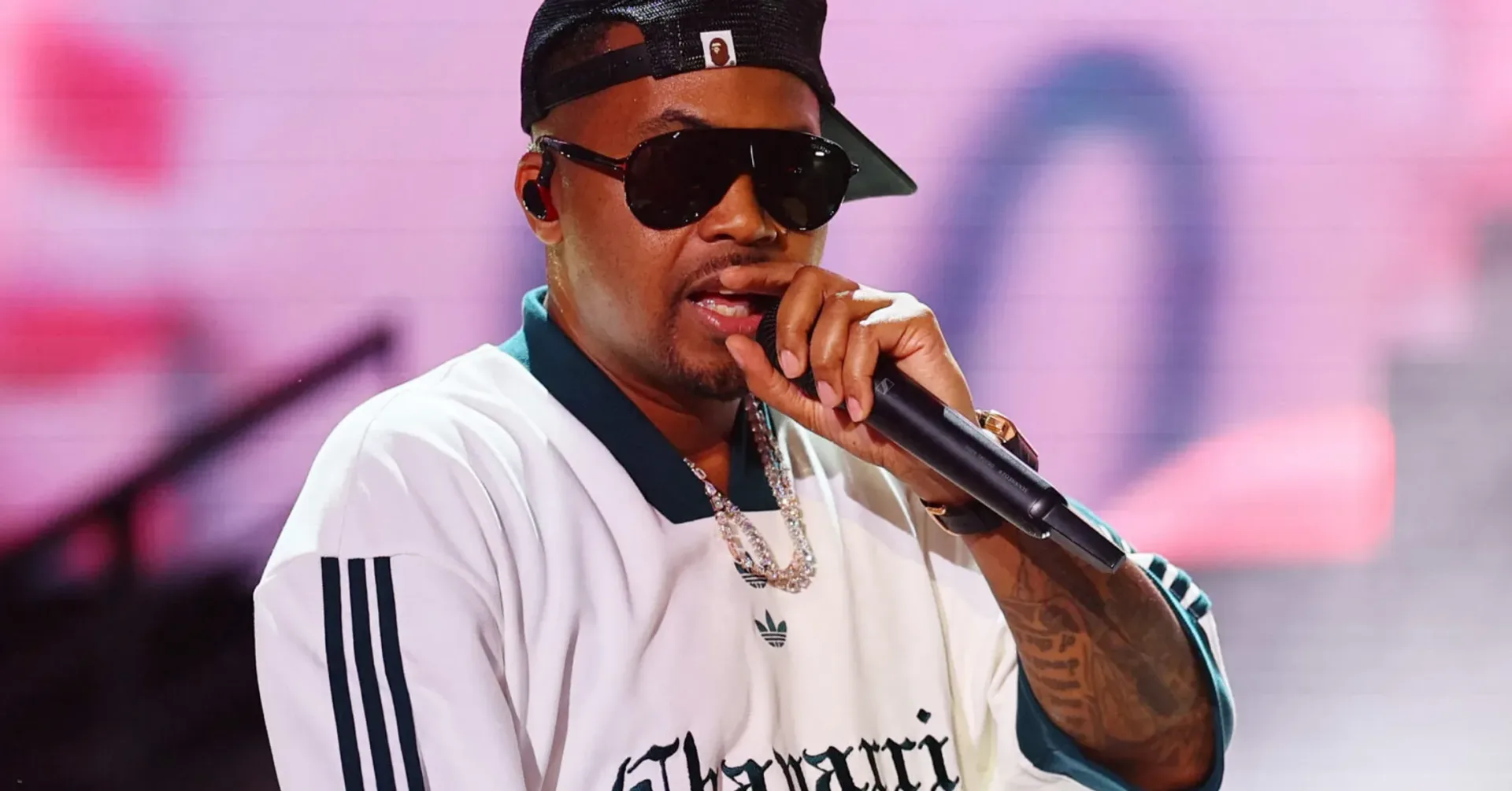
For more on conversations around rap’s artistic foundations and influence, read Nas’s call for music to move beyond trend-chasing and remember its foundations.