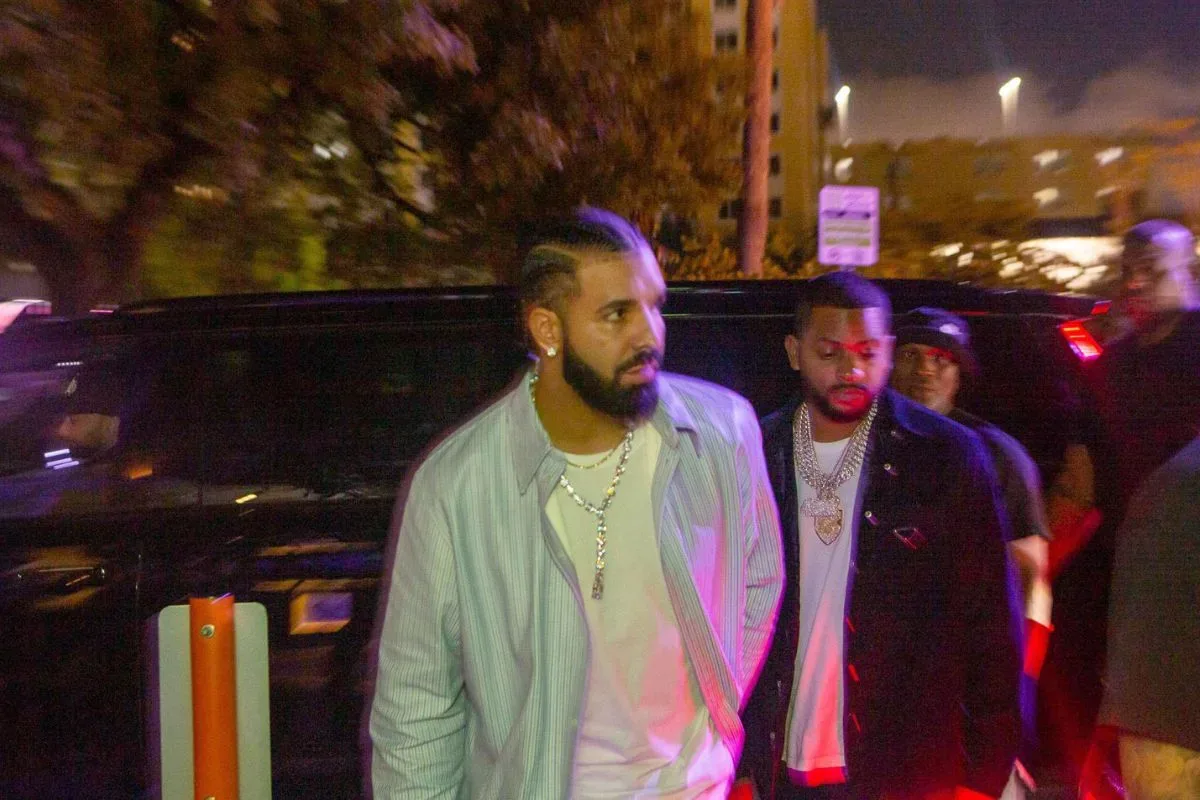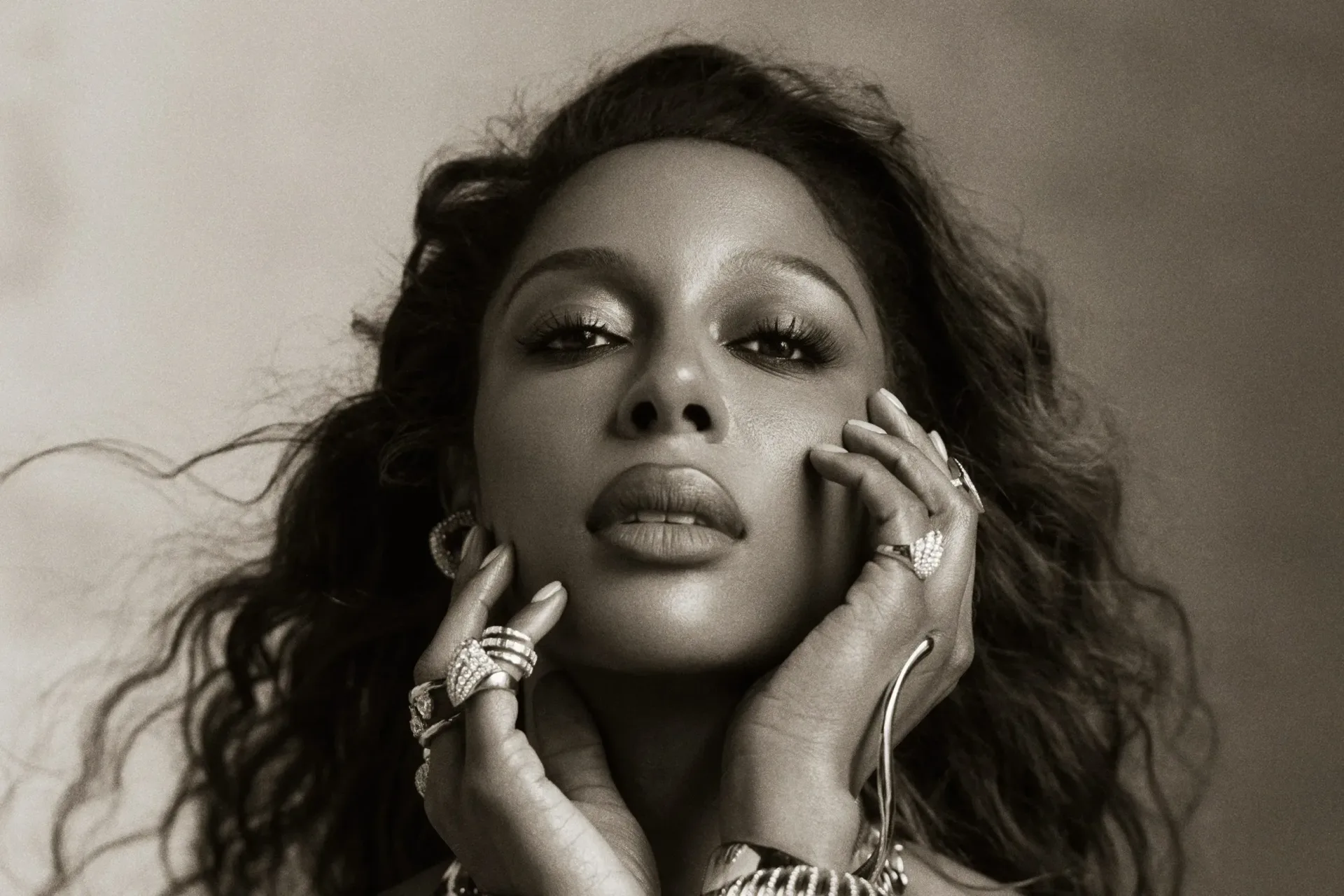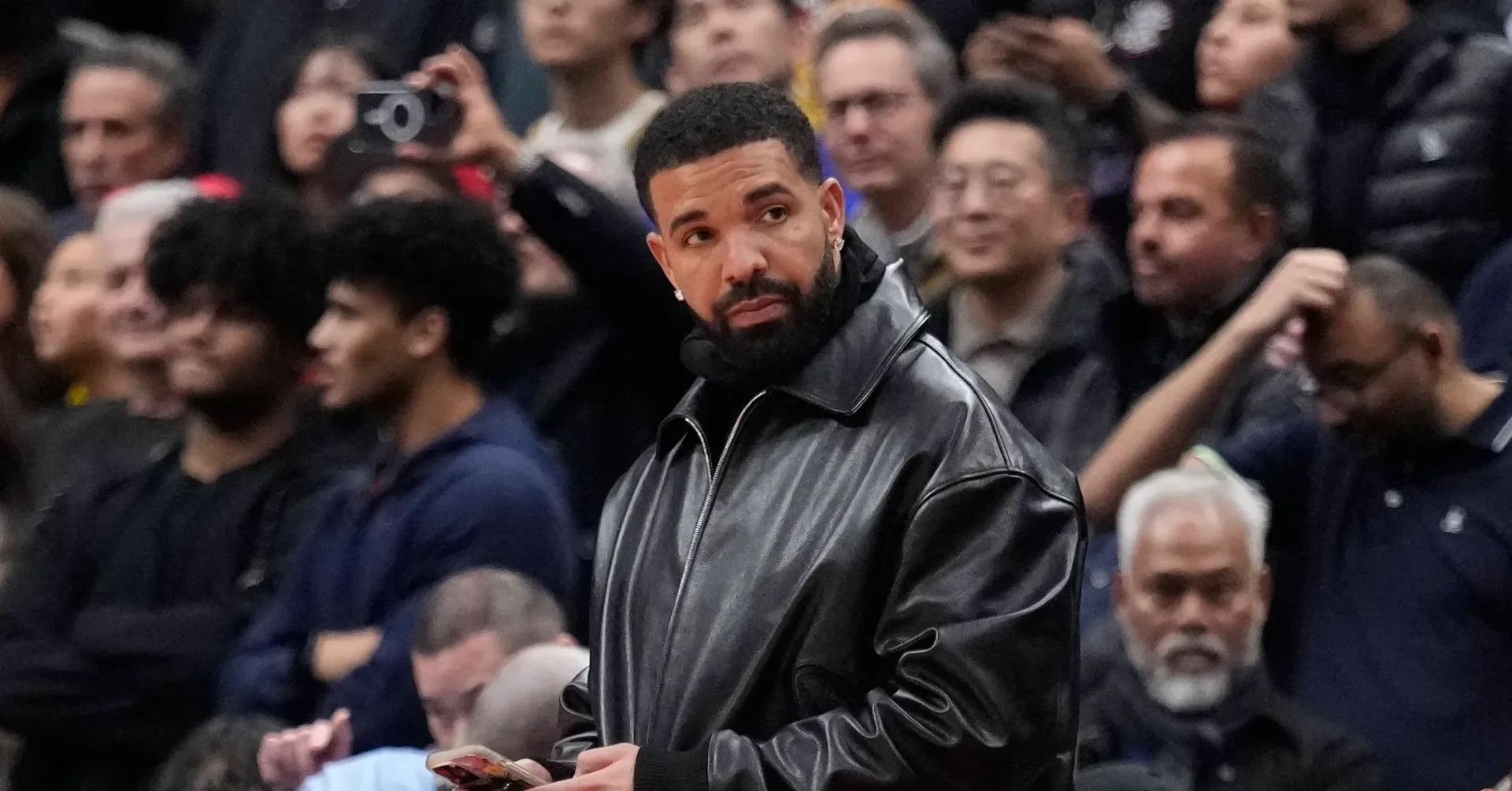
Drake has offered a detailed response to being placed in the online conversation around “tricking,” drawing a firm distinction between giving generously and treating gifts as a route to romantic or sexual access.
The discussion resurfaced after Victoria Monét’s interview with Jillian Superstar, a conversation that also covered Monét’s album Frequency Of Love. At roughly the 11:20 mark of the video discussion, Superstar jokingly referred to Drake as a “professional trick.” Monét laughed as the pair unpacked the loaded term.
Drake later addressed the exchange in an Instagram comment. His central argument was not that he never spends money on others, but that motive matters. In his view, gifts given to people he believes deserve recognition, loyalty, or care are not equivalent to a transaction made with intimacy as the expected return.
That response keeps the debate focused on an important divide that social-media shorthand often flattens: the difference between generosity, however extravagant it may look, and an exchange in which affection or access is treated as owed.
What “tricking” means in this conversation
In the context raised by Monét and Superstar, “tricking” refers to spending money on someone in pursuit of companionship, attention, or possible intimacy. The term is frequently used as a criticism, because it suggests that the giver is trying to purchase a personal connection rather than build one freely.
That implication is exactly what Drake challenged. He described a form of giving rooted in being fortunate enough to have substantial money and finding more satisfaction in another person’s surprise or happiness than in buying more things for himself. He also acknowledged that a person can misjudge someone’s character over time. But, in his framing, a bad outcome does not automatically transform the original gesture into a transaction.
His dividing line is expectation. If a gift comes with an assumed obligation—particularly an expectation of intimacy—then it belongs in a different category. If it is offered without that condition, he sees it as an expression of appreciation rather than leverage.
That is an explanation of intent, not a claim that every expensive gesture will be interpreted the same way by everyone involved. Public audiences often evaluate the visible result: a lavish gift, a large bill, or a conspicuous act of spending. Drake’s comment asks people to evaluate the less visible part as well: whether there was a demand attached to it.
Related coverage includes Drake Pushes Back on ‘Trick’ Label After Victoria Monét Interview.
Why the distinction is difficult online
Short labels travel quickly because they are efficient. “Trick” can describe a familiar cultural idea in one word, while a full conversation about generosity, power, attachment, wealth, and boundaries takes considerably longer. The joke in Monét’s interview worked precisely because Drake’s public image has long included big gestures toward friends, fans, and women he meets.
But a memorable label can obscure the questions that determine whether a gesture is healthy or transactional. Was anything promised in return? Was there pressure? Were expectations communicated clearly? Did the recipient feel free to say no, disengage, or define the relationship differently? Those practical questions are more revealing than the price of a gift alone.
There is also a basic mismatch between celebrity-scale money and everyday assumptions about giving. When someone has what Drake called an “obscene” amount of money, the monetary scale of a gesture can be startling to observers even if it is manageable for the giver. That does not settle its meaning. Nor does the amount spent prove that no expectations exist. It simply makes intent and boundaries more important to discuss clearly.
Drake’s argument: joy instead of return on investment
Drake framed generosity as a kind of emotional return: the joy of doing something meaningful for another person. His point was that material purchases can lose their thrill once a person has had access to enough of them, while an unexpected gesture for somebody else can remain exciting.
This is a recognizable idea, but Drake applied it specifically to an accusation often aimed at high-profile men. He argued that the meaningful “return” is spiritual or emotional, rather than romantic, sexual, or social. The value of the act, in that framing, is the recipient’s happiness and the giver’s ability to acknowledge care or loyalty.
That explanation also leaves room for disappointment. He noted that someone may later prove undeserving of the trust placed in them. The key claim is that hindsight does not necessarily rewrite the purpose of the original gift. A gesture can have been sincere at the moment it was made even if the relationship later changes.
For audiences, that is a more nuanced position than either extreme: that spending is always innocent generosity, or that spending is always a bid for control. It treats the presence or absence of an expected payoff as the decisive factor.
Generosity and boundaries can coexist
The broader takeaway is not that people need celebrity money to show appreciation, nor that gifts should become tests of loyalty. In ordinary relationships, the most practical distinction is whether a gift is freely given and freely received.
- A gift is not a contract. Giving someone something does not create an entitlement to their time, affection, attention, or physical intimacy.
- Expectations should be stated, not implied through spending. If a person views an outing or purchase as part of a defined arrangement, ambiguity can cause real harm.
- Recipients need room to decline. Consent and comfort matter even when an offer seems generous on its face.
- Scale is not the only issue. A modest gift can be manipulative if it is used to create guilt, while an expensive gesture can be freely offered without an attached demand. Context determines more than the receipt total.
Those principles do not resolve every disagreement about lavish public gestures. They do clarify why Drake rejected the label. He is disputing the idea that his spending should automatically be read as an attempt to buy an intimate outcome.
Victoria Monét’s role in the exchange
Monét did not deliver a lengthy critique of Drake in the material at issue. The moment was part of a joking back-and-forth with Superstar, who continued the discussion after Monét laughed at the characterization. The resulting social-media attention came less from a direct feud than from a familiar phrase meeting a celebrity whose generosity is already part of his public persona.
That distinction matters because the episode appears to be a clash of interpretations more than a direct conflict between the two artists. Monét has been receiving praise for Frequency Of Love, while Drake used the comment section to explain his own philosophy rather than attack her.
The discussion also demonstrates how quickly a casual interview moment can turn into a larger cultural argument once it reaches celebrity-focused feeds. A joke can invite a response; a response can introduce serious questions about language and relationships; and the original participants can become symbols for a much wider conversation than the one they initially had.
What is known—and what remains unconfirmed
Beyond the “tricking” exchange, Drake has also been connected to fresh Coachella speculation. No official confirmation had emerged at the time of the discussion. A potential appearance would mark his first time headlining the festival since 2015, but it remains a rumor rather than a confirmed booking.
The conversation also arrives after the release of HABIBTI (FOMO), with a world tour in 2027 mentioned in the surrounding discussion. Details beyond that should be treated cautiously where no official information is available.
For more on this same exchange, Drake says his big gifts are about generosity, not transactions.
Ultimately, Drake’s comment does not ask the public to stop using the word “tricking”; it argues that the word fails when it erases the distinction between a gift and a bargain. His position is straightforward: generosity can be lavish, visible, and even misunderstood, while still being non-transactional if no intimacy or attention is expected in return.