A familiar celebrity-news equation is doing the rounds after Drake’s 40th birthday party: one notable absence, a few observations about who did and did not interact, and an unverified theory that a friendship may have cooled. The name at the center of the discussion is 21 Savage, Drake’s longtime collaborator and friend.
Adam22, who attended Drake’s birthday celebration over the weekend, has suggested that Drake and 21 Savage are no longer on good terms. His position was based on a conversation at the event and on perceived changes in their public behavior, including the idea that the pair no longer engage with one another’s Instagram posts or appear for each other in the same way.
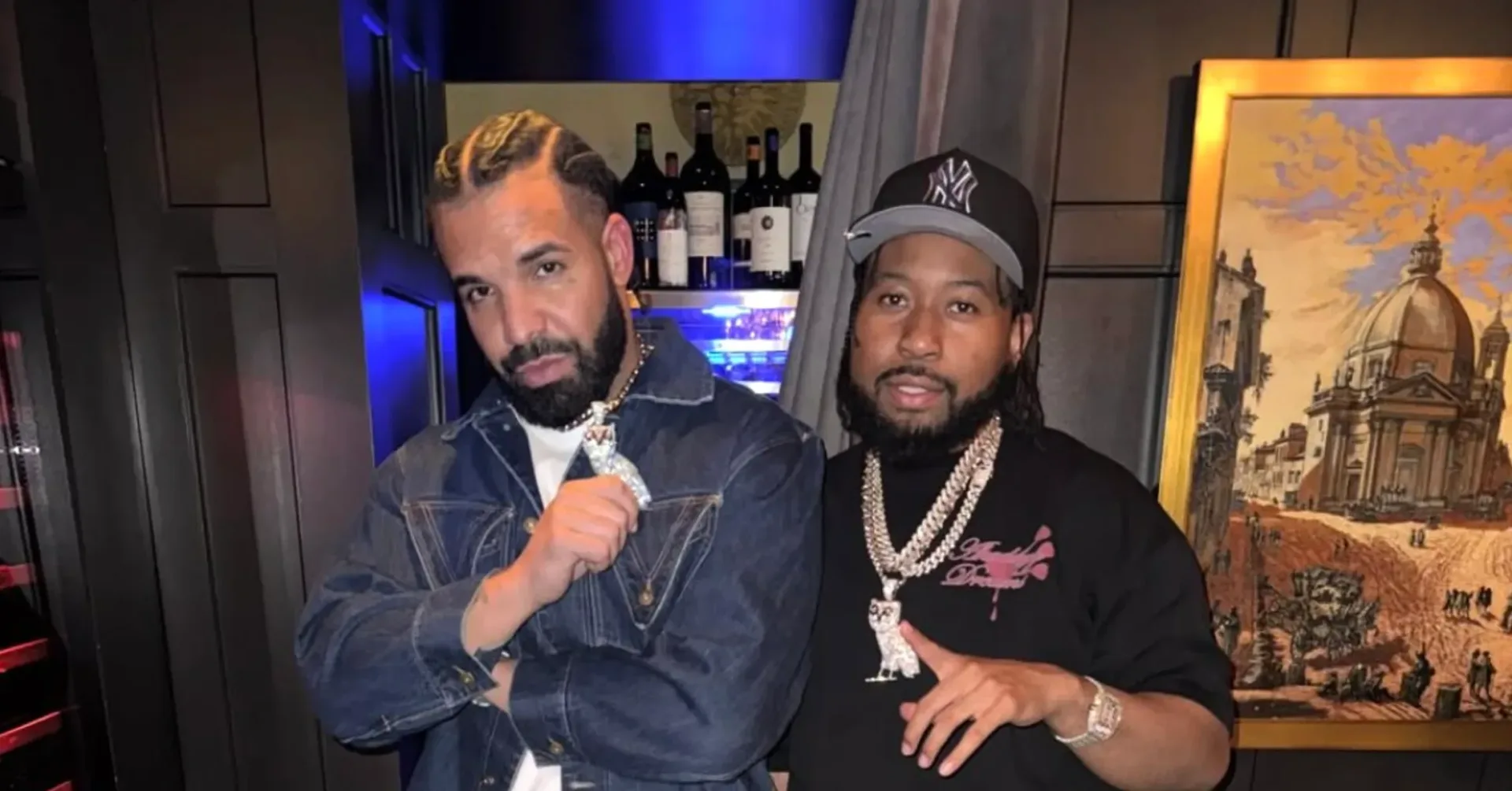
That is not a confirmed break, and it is important to treat it accordingly. Adam22 did not present direct evidence establishing that Drake and 21 Savage have fallen out. In contrast, DJ Akademiks has said the artists are still on good terms and remain closely aligned. At present, those accounts point in opposite directions, leaving the central claim unresolved.
What is actually known
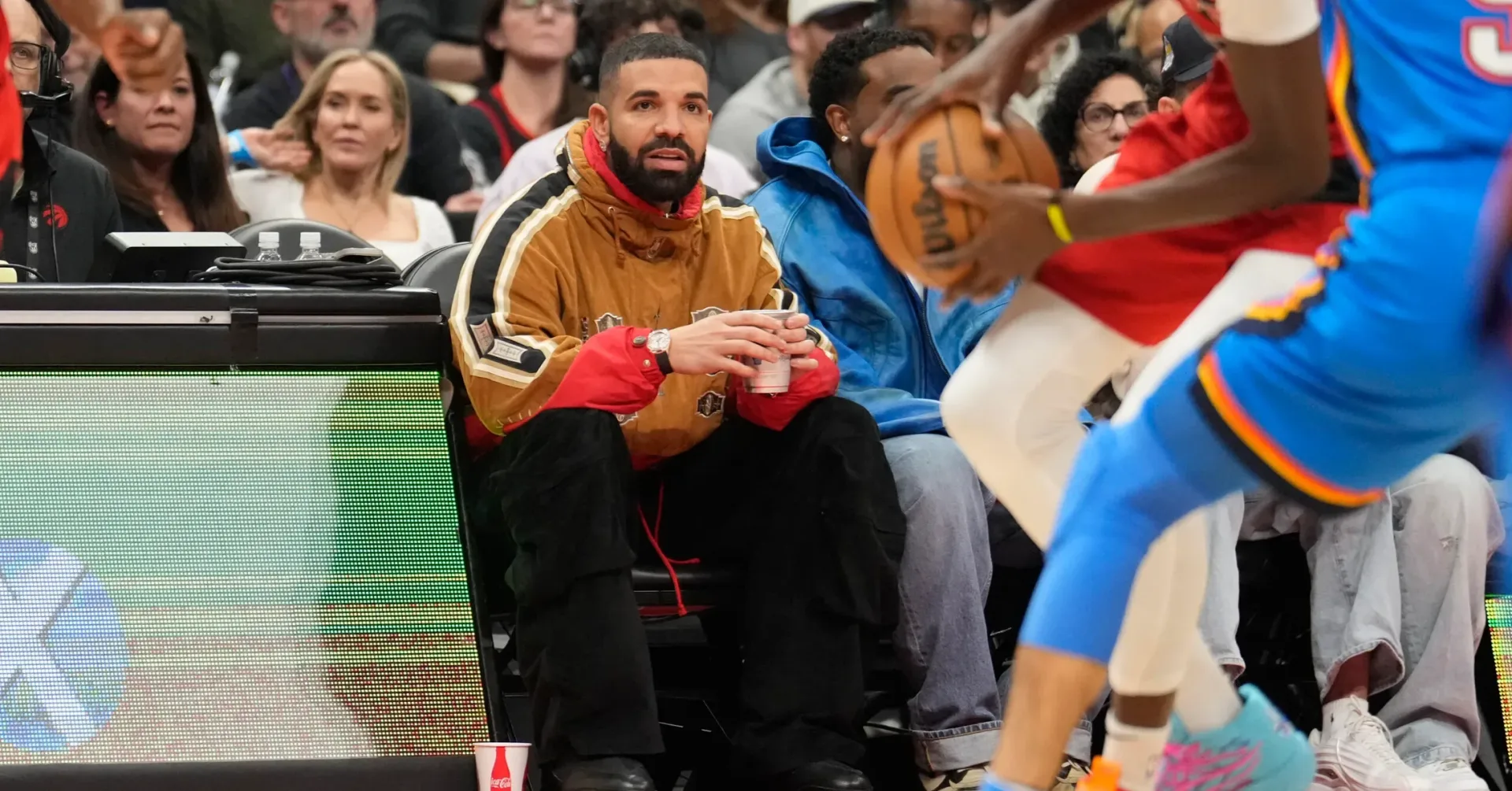
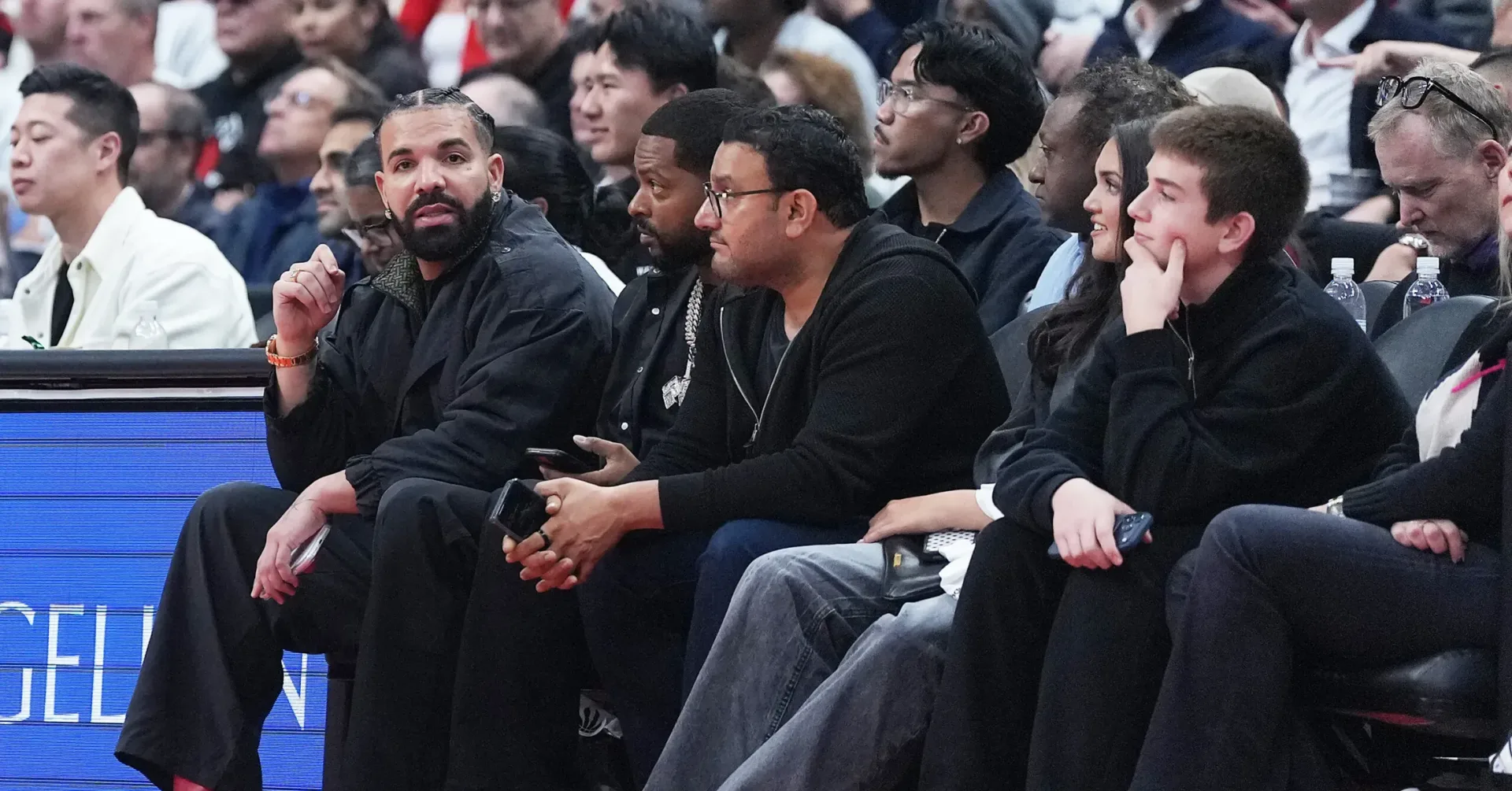
Drake held his 40th birthday party over the weekend, and the guest list itself became a subject of attention. The gathering was described as being populated largely by media figures and family members rather than packed with rappers. That context matters because the absence of one artist from an event with a limited or unconventional guest mix cannot, by itself, establish a personal dispute.
21 Savage was not reported as attending. Instead, he spent time in the studio with Metro Boomin over the same weekend. Metro Boomin and Drake were at odds in 2024, a circumstance that has encouraged speculation about where their mutual connections stand. But working with Metro Boomin does not, on the available information, prove that 21 Savage has chosen a side or ended his relationship with Drake.
The distinction is straightforward but essential: an absence is an observable detail; a fallout is an explanation for that detail. The former has been reported. The latter remains a theory without direct confirmation from Drake, 21 Savage, or a representative for either artist.
Why the Metro Boomin connection fuels speculation
Metro Boomin’s previous conflict with Drake gives the rumor a ready-made narrative. When artists who have worked closely together occupy different positions around a high-profile disagreement, outside observers often interpret every studio visit, party appearance, or missing social-media interaction as evidence of shifting alliances.
That framework may explain why 21 Savage’s studio time with Metro Boomin drew attention on the weekend of Drake’s party. It creates an apparent contrast: one artist was at a milestone celebration, while another was working with someone known to have been at odds with the birthday host. Yet the reported facts stop there. No statement has been identified tying the studio session to Drake, the party, or a dispute between Drake and 21 Savage.
In entertainment coverage, this kind of inference is sometimes described as reading the “optics.” Optics means the public impression created by visible circumstances, not proof of a private reality. The optics can be interesting, especially where famous collaborators are concerned, but they are not the same thing as verified information.
Social-media behavior is a weak measure of private relationships
The suggestion that Drake and 21 Savage no longer like one another’s Instagram posts is another part of the argument for distance. Social platforms can provide clues about public promotion and public-facing support, but they are a particularly unreliable way to measure the state of an off-camera relationship.
People may change how frequently they post, engage privately rather than publicly, or simply fail to interact with a given post. For artists operating at Drake and 21 Savage’s level of visibility, even routine activity can be observed, archived, and interpreted as a signal. That makes social behavior easy to scrutinize but difficult to turn into a definitive conclusion.
A more meaningful indicator would be a clear comment from either artist, an explicitly documented disagreement, or some other direct evidence. None of that has been presented here. Until it is, “they do not like each other’s posts” belongs in the category of circumstantial observation rather than confirmation.
Other party claims remain just as limited
The conversation around the birthday party has also pulled in Travis Scott and Future. Adam22 said Travis Scott did get into the event, though he did not see Scott interact with Drake. That is another narrow observation that should not be expanded into a declaration about their relationship. Not witnessing a conversation at a party does not establish that no conversation occurred, much less that there is friction.
Adam22 also speculated that Future remains on icy terms with Drake because Future would not cut off people Drake had been feuding with, even though Future was on ICEMAN. This remains interpretation rather than a verified statement from Future or Drake. Relationships among artists are rarely reducible to a single collaboration, a party appearance, or an association with somebody else.
There is a broader practical lesson in the way these stories form: celebrity gatherings produce incomplete public records. Attendees may move between rooms, arrive at different times, meet away from cameras, or deliberately keep interactions low-profile. A guest list is not a relationship chart, and an observer’s individual experience at an event is not a comprehensive account of everything that happened there.
How to read the Drake and 21 Savage talk responsibly
For now, the cleanest description is that there are competing claims. One attendee’s interpretation suggests distance between Drake and 21 Savage. Another media figure says the two are still solid. Neither Drake nor 21 Savage has publicly confirmed a rupture in the information available.
That does not make the question uninteresting. Drake and 21 Savage’s friendship and creative connection are prominent enough that fans naturally notice when one does not appear at the other’s major celebration, particularly while working with Metro Boomin. But interest should not erase the gap between a plausible reading of events and an established fact.
It may also be useful to separate three terms that are often blurred together in fast-moving discussion:
- Rumor: an unconfirmed claim circulating without sufficient direct evidence.
- Speculation: an interpretation built from partial facts, such as attendance, public interactions, or associations.
- Confirmation: clear evidence or an on-record statement that supports the claim.
The current story sits in the first two categories. There is a real event, a reported absence, and publicly discussed associations. There is not confirmation that Drake and 21 Savage are “beefing,” nor is there evidence presented that they have ended their friendship.
For readers following the situation, the most reliable next development would be something concrete: a direct comment, a joint appearance, or another verifiable action that clarifies their standing. Until then, the responsible takeaway is modest. Drake’s birthday party has prompted questions about his relationship with 21 Savage, but the available accounts conflict, and the alleged rift remains unproven.
For more entertainment-world coverage involving prominent public figures and reality television, see Tiffany “New York” Pollard’s return to Big Brother.