Potential spoilers for recent Marvel film material follow.
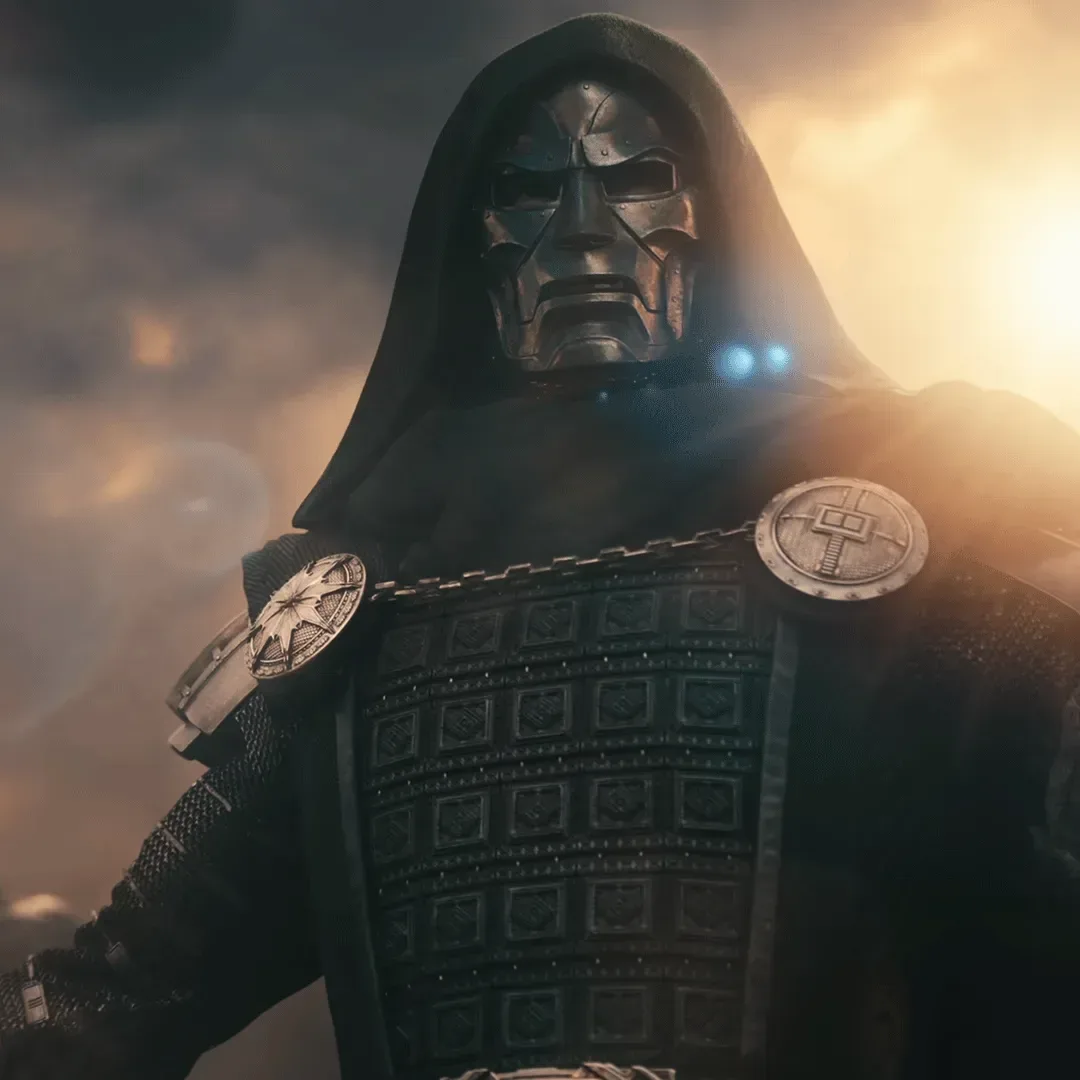
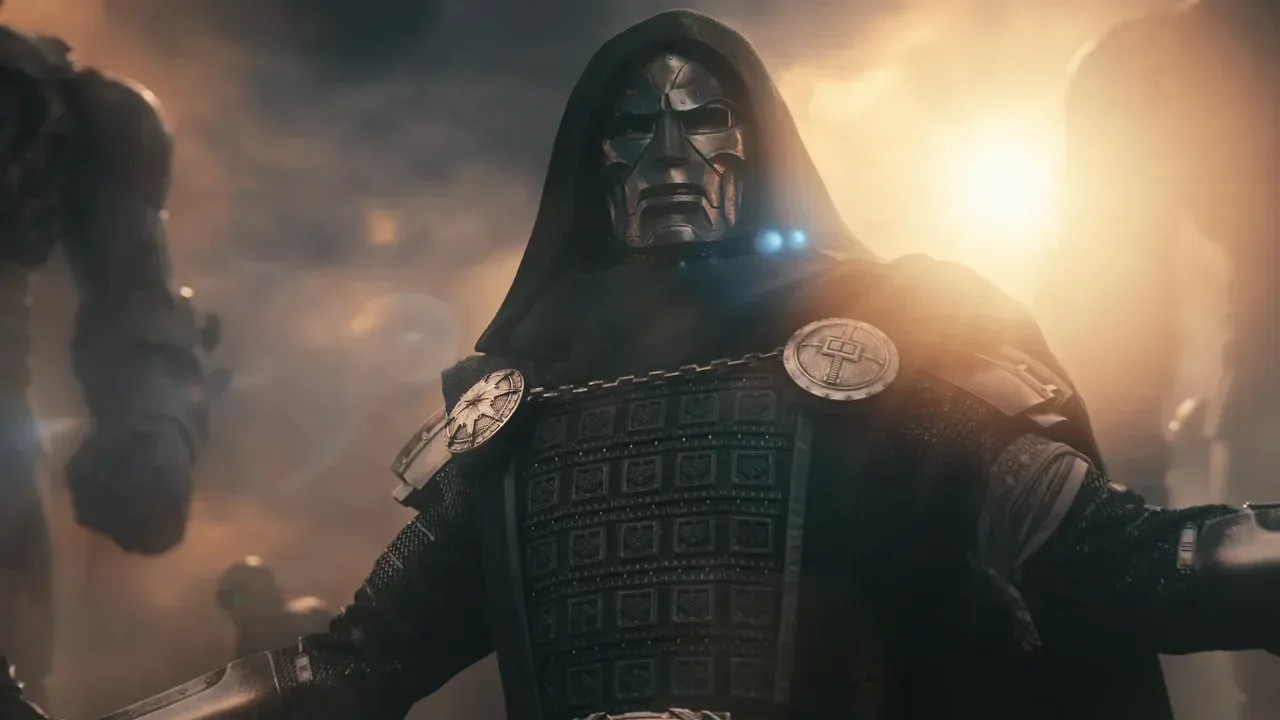
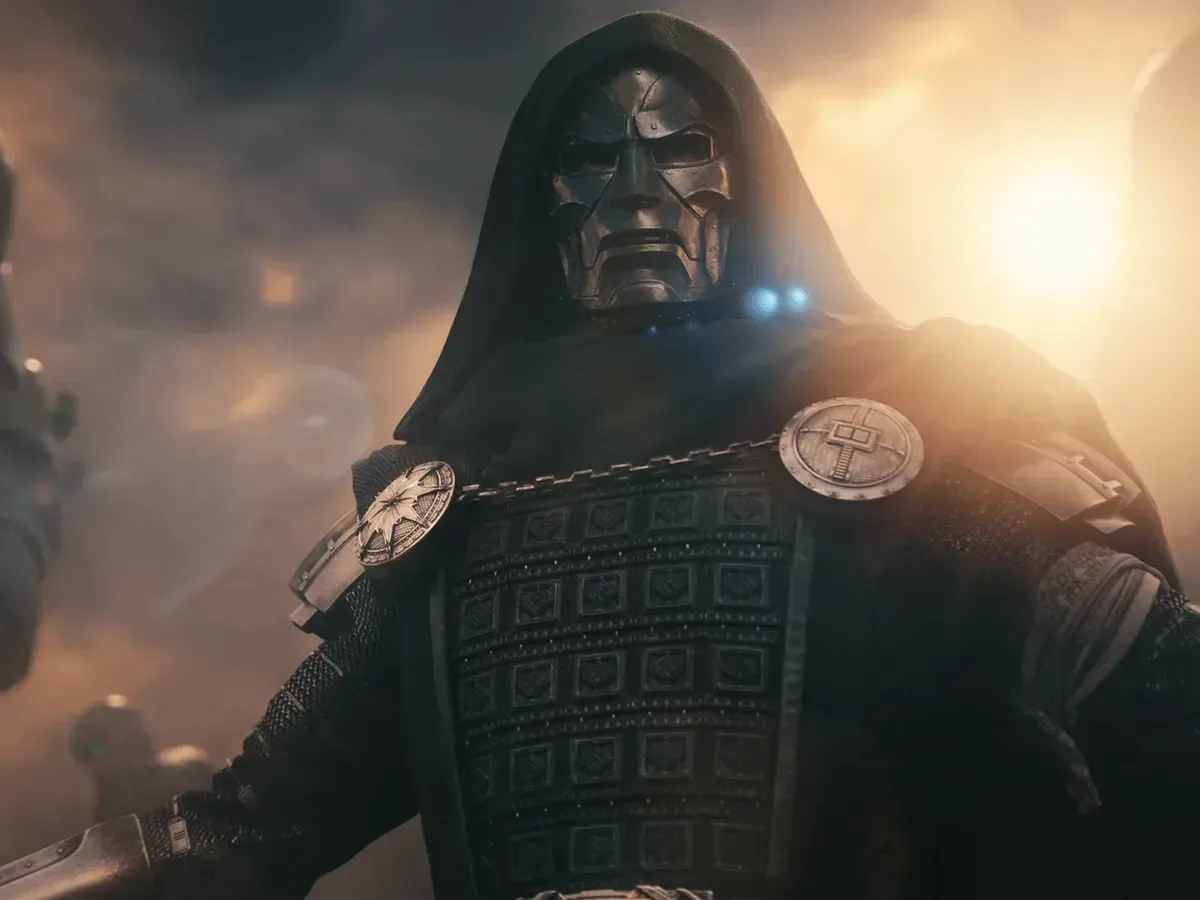
Doctor Doom’s apparent arrival in the closing material attached to Avengers: Endgame Encore gives Avengers: Doomsday a highly specific mystery to build around: why does Doom want Bruce Banner?
In the added footage included with the re-release, Banner records a video message while alone in a bunker. His isolation follows the events of Spider-Man: Brand New Day, a movie that has itself received additional-release treatment. Then Doom appears, and Banner seems to be taken away. The moment is short on explanation but long on implications. It is not framed as a routine superhero standoff or an accidental crossing of paths. It looks like a deliberate intervention by Doom, with Banner as the intended target.
One of the film’s directors, Joe Russo, has since indicated that Banner is unlikely to be the only person on Doom’s radar. “I mean, look, his interest may extend beyond just Banner,” Russo said. It is a carefully limited clue rather than a full reveal, but it shifts the scene’s meaning. Banner may not be the beginning and end of Doom’s plan; he may be one selection in a larger campaign.
The available evidence does not establish whom Doom has successfully taken, what he needs from them, or whether every apparent encounter is part of the same operation. Still, the Banner scene, the lingering question surrounding Franklin Richards, and Russo’s wording all point in the same useful direction: Doomsday may be assembling its stakes through targeted disappearances instead of a single public declaration of war.
What the Banner scene actually confirms
The most concrete development is the encounter itself. Banner is in a bunker, speaking into a recorded message, when Doom arrives. The scene presents Banner as isolated before the interruption, and Doom’s appearance is followed by what seems to be Banner’s abduction.
That establishes a direct connection between Doctor Doom and Bruce Banner. It does not yet explain the mechanics or consequences. “Abduction” is the strongest reading of the scene, but viewers have not been shown Doom’s destination, Banner’s condition afterward, or an explicit statement of Doom’s motive. The distinction matters because Marvel stories often use a brief tag or epilogue to pose a question rather than answer it.
Even so, choosing Banner is meaningful. Banner is inseparable from the Hulk, one of Marvel’s most formidable heroes. If Doom is looking to capture or control powerful figures, Banner is an immediately recognizable target. His apparent seclusion also makes the encounter narratively efficient: Doom can get to him without first staging a clash involving every available Avenger.
The bunker setting reinforces the vulnerability of that moment. Isolation can be protective, but it can also remove allies, witnesses and immediate support. Whatever prompted Banner to pull away after the events of Spider-Man: Brand New Day, it appears not to have kept Doom from finding him.
Russo’s tease widens the question
Russo’s comment is intentionally noncommittal. He does not name another target. He does not say Doom has already captured multiple heroes. And he does not confirm a plan involving children, power theft, mind control or any other proposed explanation.
What it does do is rule out the safest interpretation: that Doom’s appearance is merely a one-off personal conflict with Banner. Saying Doom’s interest “may extend beyond just Banner” invites the audience to view the scene as part of a broader pattern.
That pattern could take several forms, and they should not be treated as equally confirmed:
- Confirmed on screen: Doom appears to take Banner following the bunker encounter.
- Officially teased: Doom’s interest may reach beyond Banner.
- Previously shown but unresolved: Doom is seen speaking with Franklin Richards in the Baxter Building.
- Fan theory: Doom may be seeking the children of Marvel heroes, including Franklin, Thor’s adopted child and, more tentatively, a child associated with Steve Rogers and Peggy Carter.
Keeping those levels separate is important. The final idea is a theory, not a confirmed plot point. The Banner material also weakens at least one version of that theory, because it shows Doom’s attention apparently turning toward an adult hero as well. That does not necessarily disprove an interest in young characters; it simply means the available clues no longer support a children-only reading.
Franklin Richards remains an unresolved clue
The other major piece of the puzzle comes from the post-credits scene of The Fantastic Four: First Steps. Doom is in the living room of the Baxter Building, talking with young Franklin Richards. Sue Storm interrupts the encounter, but the scene leaves crucial details unanswered. It is not clear whether Doom succeeds in taking Franklin or whether he departs without him.
This uncertainty is exactly why Franklin is central to the current speculation. The scene places Doom and Franklin together, which makes Franklin an obvious person of interest. Yet it stops before supplying the answer that would turn the encounter into a confirmed abduction.
As a storytelling device, that ambiguity now has extra weight. If the Banner sequence confirms that Doom can directly move against a major hero, the Franklin scene may be read as an earlier warning that Doom had already begun approaching people connected to the wider Marvel world. But that remains interpretation. The two scenes could be linked by one plan, or they could reveal different aims that Doomsday has not yet explained.
For now, the better question is not “Has Doom definitely kidnapped Franklin?” It is “Why was Doom seeking a private conversation with Franklin in the Baxter Building?” The answer could be more revealing than the simple fact of whether Franklin left with him.
Why “capture and control” is only a working theory
The developing idea is that Doom wants access to exceptionally powerful people and may intend to control them. Banner is the clearest support for the first half of that suggestion: he is an extremely powerful hero, and Doom appears to target him intentionally. Franklin’s scene supplies another reason to ask whether Doom is selecting individuals with unusual importance.
Control, however, has not been confirmed. It is a plausible interpretation of a villain gathering powerful figures, but not the only one. Capturing someone can serve many dramatic purposes: coercion, leverage, interrogation, protection, recruitment or an objective the audience has not yet been told about. The current material supports the fact that Doom is taking a serious interest in specific people. It does not define the method or endgame.
That uncertainty is likely the point. Doom is being positioned as an active force before the story fully states his agenda. Rather than waiting for an Avengers team-up to announce the threat, the film material lets the audience encounter the consequences first: Banner’s disappearance, Franklin’s unresolved exchange and a director declining to narrow the field of potential targets.
How an abduction structure could shape Doomsday
If the apparent pattern holds, the plot could give each targeted character a different narrative function. Banner’s absence would create an immediate problem for his allies. Franklin’s uncertain status would leave the Fantastic Four with a personal stake. Other targets, if there are any, could expand the conflict across separate corners of the Marvel universe before those threads collide.
That approach has practical advantages for a crossover film. It gives the audience a simple through-line—find out whom Doom wants and why—while allowing individual heroes and families to react from their own positions. It also makes Doom’s threat personal. Instead of being dangerous only because he can challenge a team in battle, he becomes dangerous because he can reach someone important before anyone knows what he is doing.
There is also a difference between a villain attacking the world and a villain strategically removing the people best equipped to stop him. The latter produces a different kind of suspense. A conventional invasion announces its scale. A series of disappearances turns information itself into a scarce resource: heroes may not know who is missing, where they were taken or whether a person is acting freely when they return.
None of that is a confirmed outline for Doomsday. It is, however, a logical way to read the clues that have been made available. The key word is targeted. Doom is not simply shown near Banner or Franklin; he is placed in intimate, disruptive scenes with them. That makes motive the central mystery.
What viewers can reasonably watch for next
With roughly two months remaining before Avengers: Doomsday arrives, future promotion may clarify parts of the setup while protecting the largest answers. The most useful details to watch for are not necessarily new action scenes. They are the small confirmations that turn suspicion into a pattern.
- Additional names. A reference to someone else Doom has visited, contacted or removed would support the wider-target reading of Russo’s tease.
- Banner’s fate. Confirmation that Banner was transported, imprisoned, recruited or otherwise affected would define the significance of the bunker scene.
- Franklin’s status. Any clarification of what happened after Sue Storm interrupted Doom would determine how much weight to place on the Baxter Building encounter.
- Doom’s criteria. The most revealing clue may be what Banner and any other targets have in common. Are they powerful, connected to particular teams, tied to family lines, or relevant for another undisclosed reason?
The gap between what is shown and what is known is still large, and that is deliberate. Banner’s apparent abduction is the firmest piece on the board. Franklin Richards is a major unresolved thread. The children-focused theory remains possible but unproven, and the evidence now suggests Doom’s attention is broader than that idea alone.
Whatever Doom is assembling, Avengers: Doomsday appears to be treating his plan as a mystery that starts before the full confrontation. The story has offered a bunker, a vanished hero, an uneasy scene in the Baxter Building and one pointed hint that there are more people to worry about. Until the film supplies the missing motive, each new clue is less an answer than another name that could be added to Doom’s list.