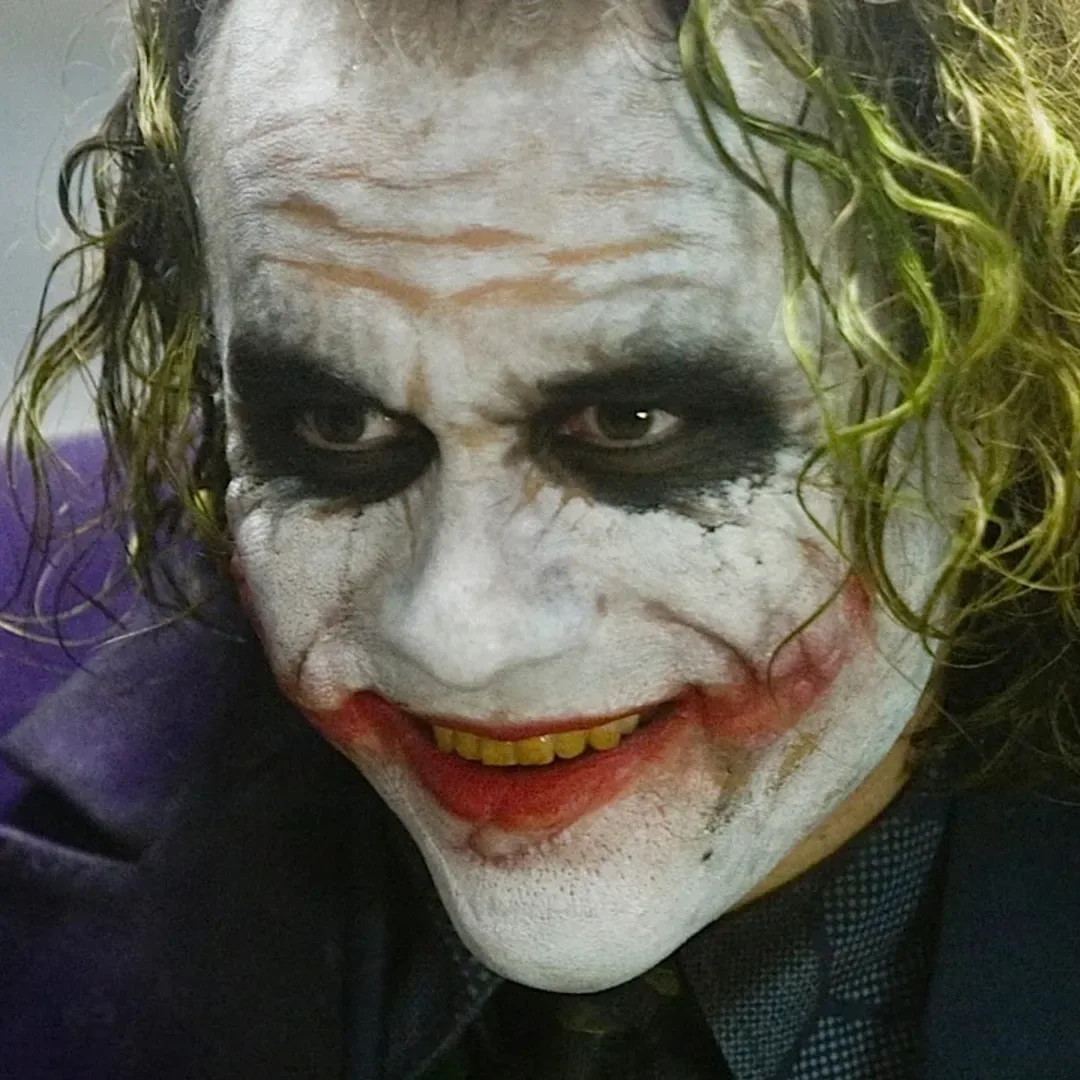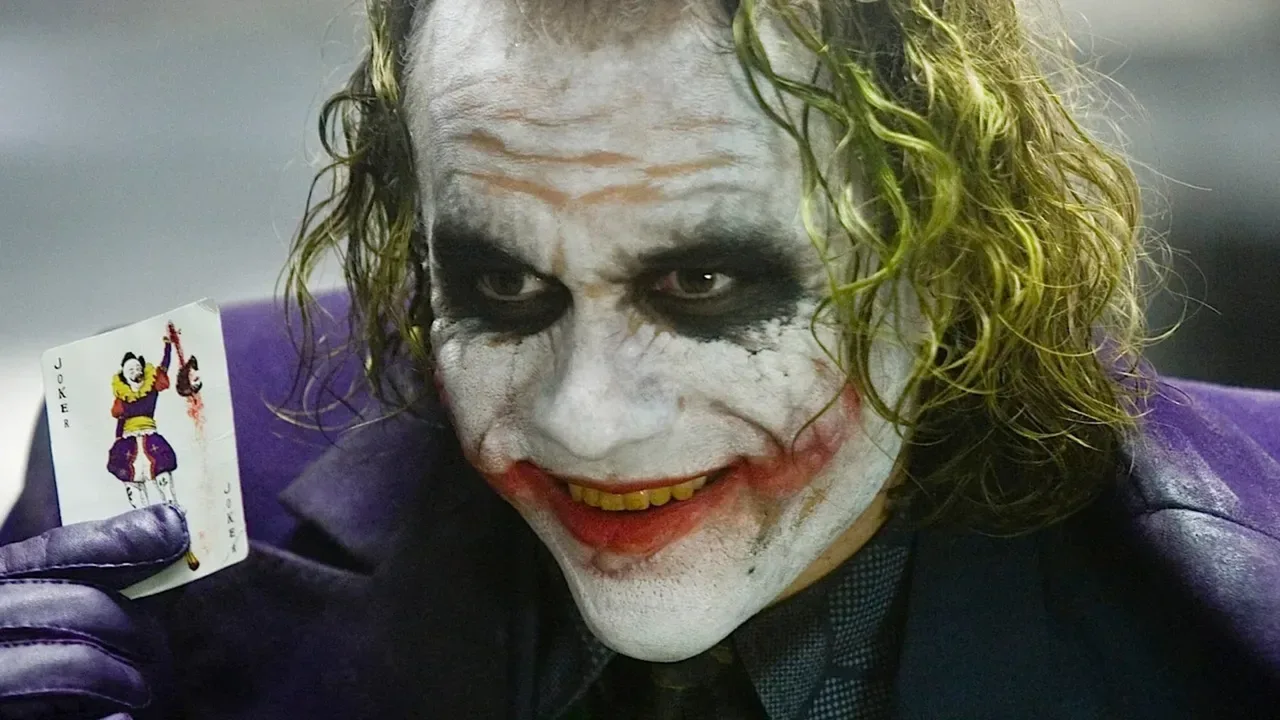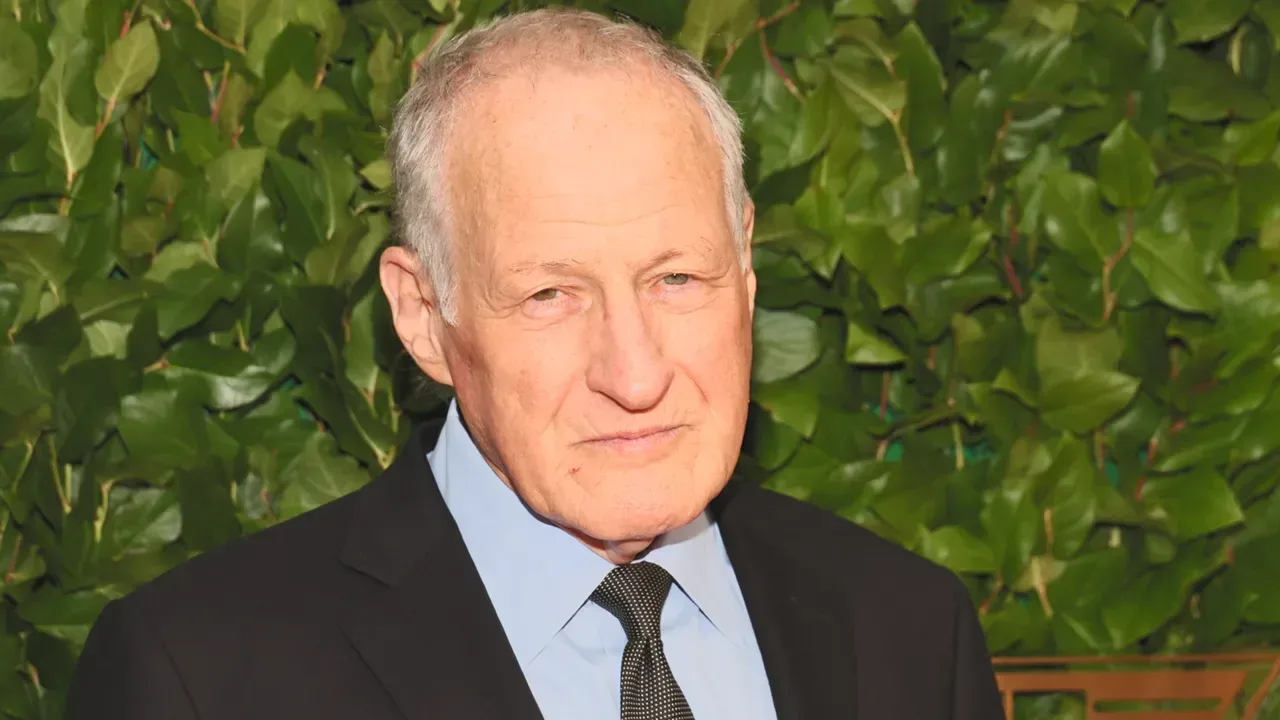
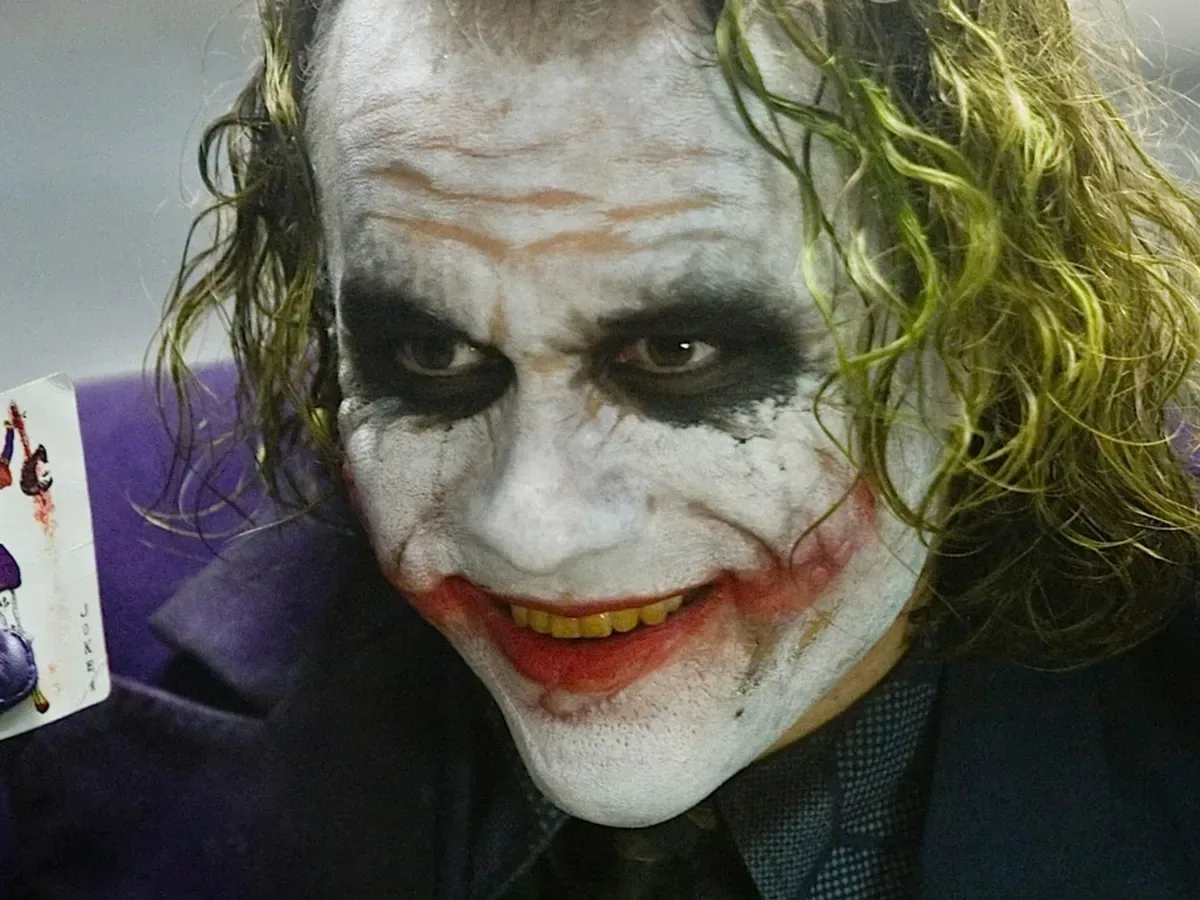
Heath Ledger’s Joker remains inseparable from Christopher Nolan’s The Dark Knight, but the casting path was apparently far less direct than audiences might assume. John Papsidera, Nolan’s longtime casting director, said during an appearance at the Nashville Film Festival that the film’s script was first sent to Leonardo DiCaprio, who did not respond. The role was then offered to Joaquin Phoenix, who declined because he was not interested in making big movies at that time. Ledger ultimately landed the part.
The revelation is an intriguing piece of alternate casting history, but it does not change the finished film or reduce Ledger’s achievement. Rather, it shows how major studio roles can pass through several possible performers before a creative team finds the person whose interpretation matches the movie being made. In this instance, DiCaprio, Phoenix, and Ledger each suggest a dramatically different idea of what the Joker could have been.
A casting process built around unexpected choices
Papsidera’s account suggests that DiCaprio was the first actor approached. There was no reported reply, so there is no indication of how far that possibility progressed beyond sending the script. Phoenix was the next performer offered the role. He reportedly told Nolan and Papsidera that he was not interested in large-scale films, turning down a part that would later become one of the most closely associated roles in modern comic-book cinema.
That sequence matters because it makes clear that Ledger was not simply a default selection after more obvious candidates were unavailable. The team was apparently looking for actors who could challenge audience expectations. Before The Dark Knight, Ledger was widely perceived as a conventional Hollywood leading man—a reputation that made the casting seem unusual to some observers. Papsidera’s account places DiCaprio and Phoenix in a comparable creative lane: recognizable dramatic actors being considered for a villainous, destabilizing character rather than a familiar heroic lead.
“Playing against type” is the useful term here. In casting, it means choosing a performer for qualities that audiences have not most commonly seen from them. It is not merely selecting a famous person for surprise value. The underlying gamble is that the actor has an untapped range that will make the character harder to predict. For a figure like the Joker, whose power comes partly from unsettling both the characters and the audience, that unpredictability can be especially valuable.
Ledger became the actor who carried that gamble onto the screen. The result was not a Joker defined only by visual iconography or recognizable comic-book mannerisms. This version was methodical, theatrical, threatening, and difficult to read. The character’s plans may appear chaotic on the surface, but the performance and the film present him as someone able to steer other people toward impossible moral choices.
Why Phoenix’s later Joker does not answer the “what if?”
Phoenix eventually played the Joker in 2019’s Joker and returned for a second film, but that does not provide a straightforward window into what he might have done in Nolan’s Batman world. The two projects approach the character from fundamentally different directions.
As described in the account of Papsidera’s comments, Phoenix’s later version is far less calculating than Ledger’s. He is portrayed as a person who stumbles into becoming a symbol associated with chaos, revolution, and anarchy, while being deeply unprepared for the scale of what that symbol comes to mean. That is a character study built around instability and an individual’s collapse into public mythology.
Ledger’s Joker in The Dark Knight, by contrast, functions as an active force exerting pressure on Gotham. He tests systems, institutions, and people—especially Batman—through escalating confrontations. The distinction is more than a difference in acting style. It is a difference in narrative function. Phoenix’s later Joker is framed around a descent and the social meaning attached to him; Ledger’s is an antagonist designed to expose the vulnerabilities of an already established hero, city, and moral code.
That is why it would be misleading to imagine Phoenix simply importing his later performance into The Dark Knight. A performer’s portrayal is shaped by the script, director, surrounding cast, and the job a character must do within a story. Phoenix could have played Nolan’s Joker, but it would have been a version made for Nolan’s film—not a preview of the character audiences saw in 2019.
DiCaprio’s connection to Nolan continued
Although DiCaprio did not take the Joker role, he went on to star in Nolan’s next project, Inception. That later collaboration underlines an important reality of casting: declining, missing, or never responding to one part does not necessarily signal a broken creative relationship. Roles are highly specific pieces of a larger puzzle. An actor may not be the fit for one character, while becoming central to another filmmaker’s next story.
DiCaprio has also said that The Dark Knight is his favorite Nolan film. The connection is particularly interesting given the separate report that Warner Bros. pushed Nolan and his creative team to cast DiCaprio as the Riddler in the third Batman movie. That did not happen. The creative team instead worked from Batman’s story first and then determined which villain belonged in it.
The eventual choice, Bane, served the premise of an aging Batman facing an opponent who could physically overwhelm him. That explanation offers a useful look at a story-first approach to franchise building. Rather than beginning with a star or a well-known villain and constructing the film around that choice, the process described here begins with the hero’s dramatic problem. Once Batman needed to be physically outmatched, Bane became a more logical fit.
It also helps explain why reports of preferred studio casting and filmmakers’ eventual decisions should not be treated as interchangeable. A studio may see the appeal of pairing a major star with a recognizable character. Filmmakers may be solving for plot, theme, tone, or the particular threat their protagonist has to face. Neither consideration is mysterious, but they can lead to different answers.
The actor is only one part of the character
Alternate-casting stories are compelling because they invite an easy mental exercise: replace one face with another and imagine the entire movie changing. But a role is not a sealed container that remains identical regardless of who plays it. The script, direction, editing, costuming, scene partners, and the actor’s own choices all shape the final character.
In the case of The Dark Knight, the Joker is tied to the film’s larger concern with escalation. Batman’s presence has changed Gotham, and the antagonist represents a response that cannot be handled through ordinary rules. The character’s menace depends on more than performance; it is reinforced by how the story positions him against Batman, Harvey Dent, law enforcement, and the city’s citizens.
That does not make the casting anecdote less fascinating. It makes it more precise. The question is not whether DiCaprio or Phoenix could have played “the Joker” in the abstract. Both had the dramatic credentials to be considered, and both were apparently sought for the part. The more meaningful question is how a DiCaprio or Phoenix interpretation might have altered Nolan’s particular version of the character—and there is no definitive answer because neither actor entered production.
What is known is that Ledger’s selection initially ran against some public expectations, and that apparent mismatch became part of why the choice was so memorable. The lesson is not that surprise casting always works. It is that audience preconceptions can be a limitation when evaluating a performer’s potential. A casting team may be responding to range, intensity, or a quality that is not obvious from an actor’s best-known roles.
A Batman casting conversation that keeps expanding
Batman projects attract endless speculation because their characters have been interpreted in so many distinct tones: detective stories, operatic crime dramas, heightened comic-book adventures, and psychologically focused character pieces. Joker in particular has room for radically different readings, which makes every major casting decision feel like a declaration of a film’s intended identity.
The Papsidera comments add a new dimension to the history of The Dark Knight: two eventual Oscar-winning actors were considered before Ledger, with one declining the role and the other not responding to the script. Yet the account also reinforces the importance of the role that was actually cast. Ledger was not merely filling a vacancy. He was the performer through whom Nolan’s version of the Joker took its final shape.
For readers keeping track of the next chapter of Gotham on screen, there is also continuing interest around a reported secret role in The Batman: Part II. The broader Batman tradition has repeatedly shown that casting can be as closely watched as plot details, particularly when a recognizable character may be reinterpreted.
Ultimately, this is a reminder that the most famous version of a role is often not the first version imagined during development. DiCaprio and Phoenix were real possibilities in the reported process, and each would have brought a different set of expectations. Ledger was the choice that reached the screen—and the one that became definitive for Nolan’s film.