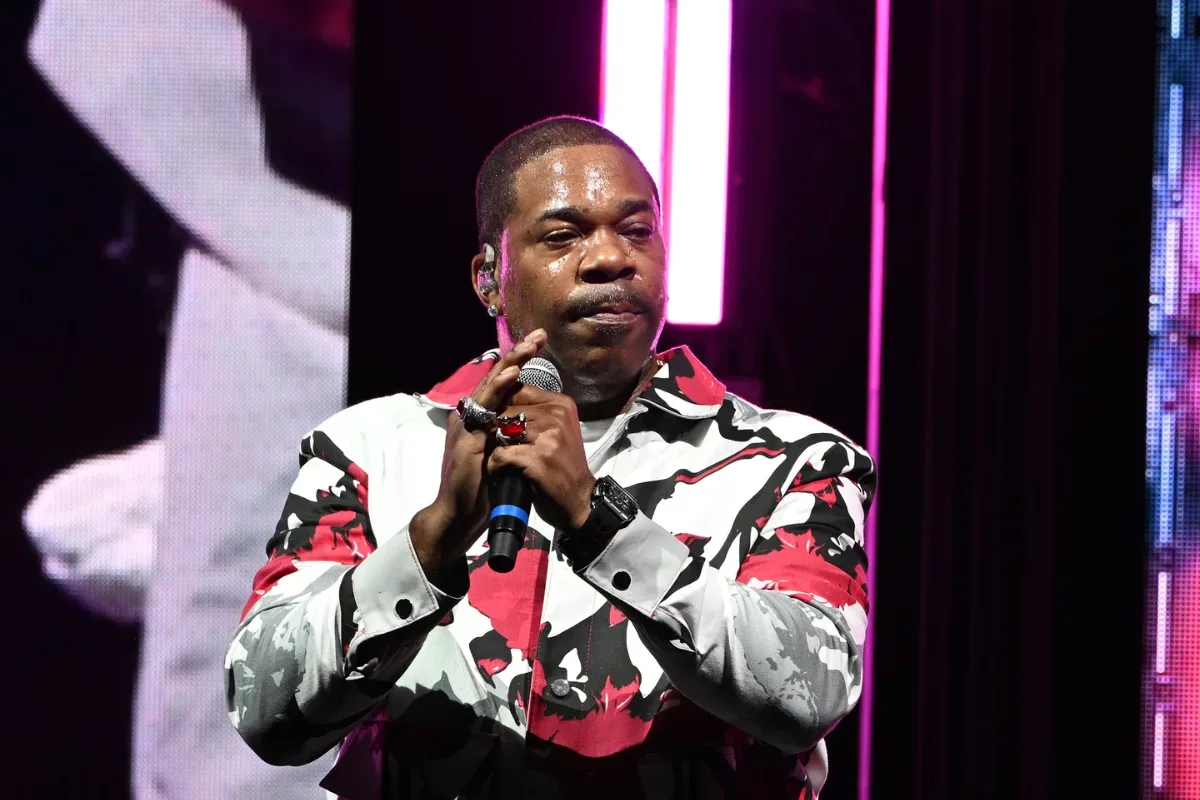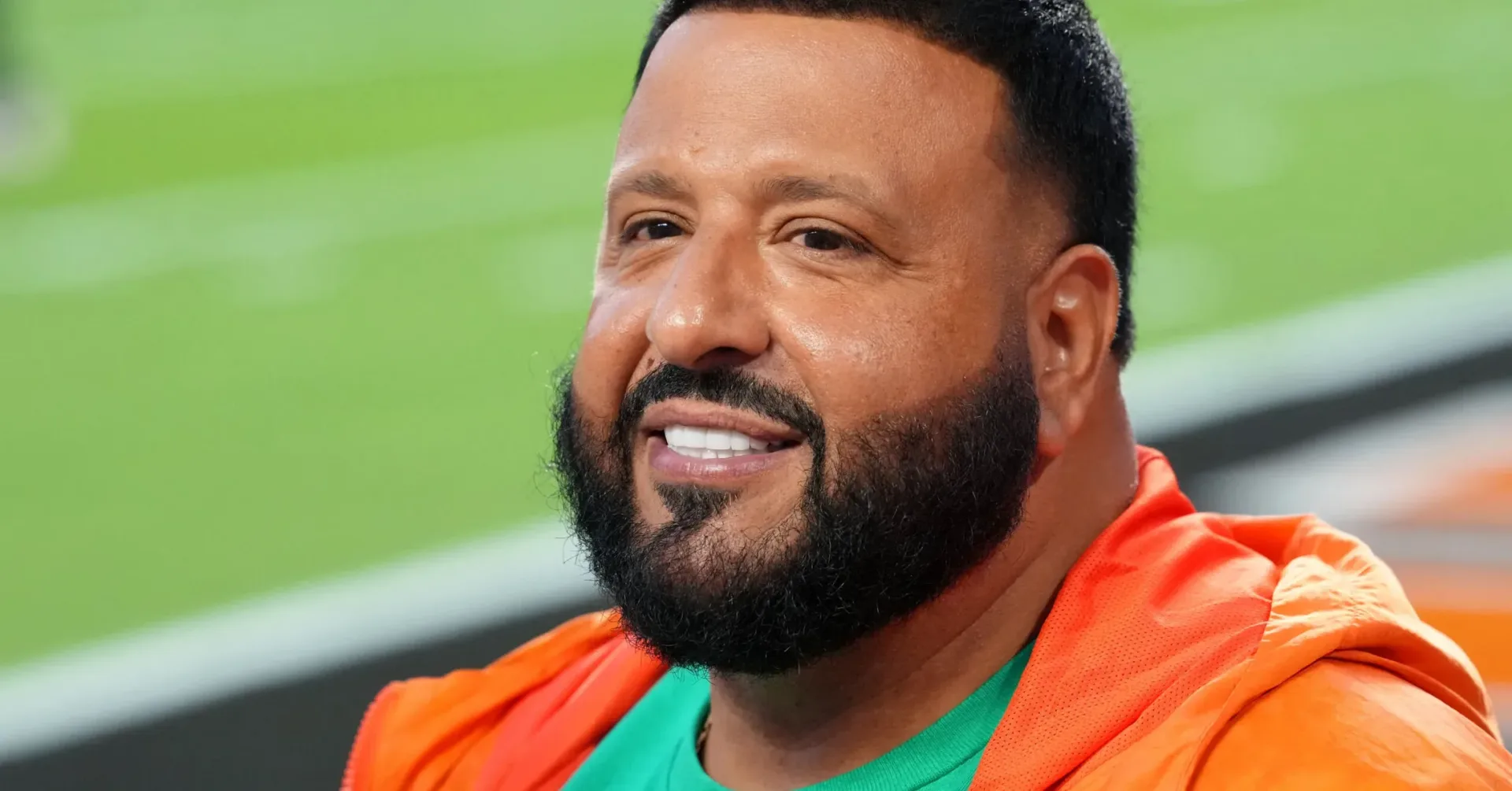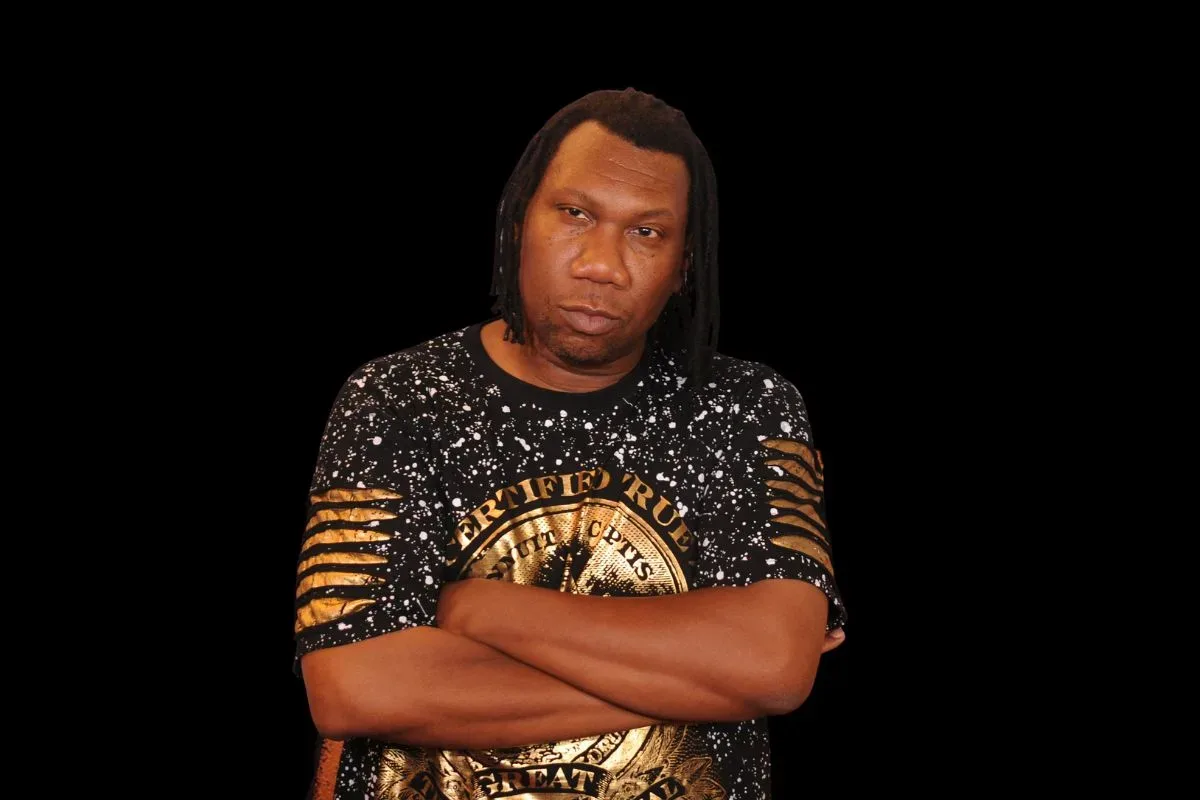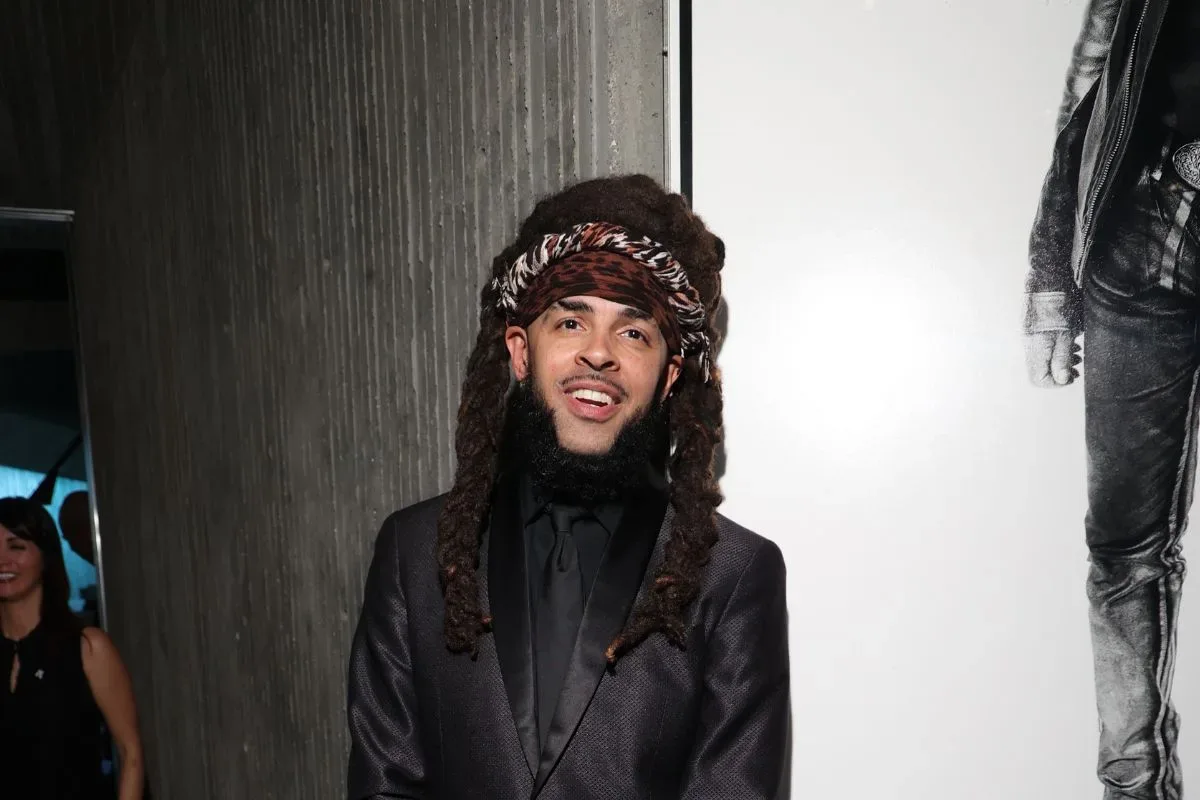
Rapper Dee-1 is pushing back on the suggestion that his public criticism of major Hip-Hop figures is a bid for attention. In a conversation with Marc Lamont Hill, he framed those critiques as an issue of responsibility: if an artist presents certain messages publicly and repeatedly to a large audience, a public response is justified.
That position led Dee-1 to introduce a sharp new label for a type of industry figure he believes has become too common: “DGs,” short for “Disappointing Grownups.” The phrase is deliberately positioned against “OG,” a term generally used for an elder or established person deserving of respect. Dee-1’s argument is that longevity and success alone do not automatically make an artist a constructive cultural elder.
A response to the clout-chasing accusation
Hill raised accusations that Dee-1 is chasing clout when he publicly challenges artists such as Rick Ross. Dee-1 rejected the premise, saying that a basic search of his career would show that he has been working professionally since 2009 and has an extensive catalog.
He said The Shift, released the week before the conversation, is his 15th album. The point was not merely numerical. Dee-1 used that body of work to argue that his career predates the current attention around his criticisms, and that it should not be reduced to a series of public disputes.
For Dee-1, the motivation behind a critique matters. He described his approach as respectful and drew a boundary between someone’s private struggles and material they voluntarily place before the public. He said he would not publicly attack a person over something they are handling privately.
That distinction is central to his view. A private difficulty, by his definition, is not an invitation for public spectacle. But music and public messaging are different: they are intentionally distributed, promoted and heard by audiences that can number in the millions. When a performer uses that reach to amplify messages Dee-1 considers destructive, he believes the discussion should not be confined to closed doors.
Why Dee-1 favors a public response
Hill questioned whether a private conversation could be more effective than a public callout. Dee-1’s answer was clear: he does not believe he should have to soften a public critique to protect the ego of someone who has spent years making public statements of their own.
“I’m not going to tiptoe around your ego, man. You doing this publicly. You’ve been doing this publicly for 15 going on 20 years.”
He also argued that direct outreach would not necessarily reach its intended target. In his account, established artists who have dismissed him before are unlikely to give a private message more consideration than a public one. That does not prove that private dialogue never works; it explains why Dee-1 is skeptical that it is a sufficient answer in every case.
The disagreement here is less about whether conversations should be civil than about the proper venue for accountability. Dee-1 says his criticism begins with respect, but he rejects the idea that respect requires silence when a message is already public. His underlying claim is that influence creates obligations, especially for artists with long careers and broad audiences.
What “DGs” means
Dee-1’s “DG” concept is aimed at older rappers whose present-day lives, in his description, are far removed from the street violence and drug dealing they continue to celebrate in music. He specifically criticized artists living in gated communities and raising children in private schools while still glorifying those narratives.
His concern is not simply that artists become successful. Rather, he objects to what he sees as a gap between a performer’s protected, affluent circumstances and the dangerous lifestyle being packaged as entertainment for listeners. In that framing, the issue is not nostalgia, fiction or an artist’s past alone. It is the continued promotion of conduct that Dee-1 believes can harm audiences, particularly when the artist no longer lives with the risks being described.
“We got more DGs than OG’s in the culture right now, brother.”
The wording is intentionally provocative, but it also contains a standard. An OG, in Dee-1’s formulation, should be more than a veteran with status. They should demonstrate adulthood, perspective and a willingness to consider the consequences of their public voice. A DG is the opposite: someone old enough to know better but still using influence in a way Dee-1 finds irresponsible.
Accountability is the argument, not age
Dee-1’s comments are not a blanket claim that every older rapper is failing, nor do they establish that every song about violence or drugs has the same meaning or impact. His criticism is more specific: he is challenging artists who, in his view, continue to glamorize harmful behavior while personally living in substantially safer and more privileged conditions.
That focus on contradiction is important. Dee-1 is not describing artistic maturity as a ban on difficult subject matter. He is questioning whether a highly established artist should keep selling a dangerous image without acknowledging the distance between that image and their real circumstances. For him, public credibility includes being honest about that distance.
It also puts a spotlight on what audiences expect from veteran performers. Long careers can produce a special kind of authority, but Dee-1’s argument is that authority has to be earned continuously. Respect cannot rest entirely on prior accomplishments, commercial success or name recognition when current choices still shape listeners’ perceptions.
A wider argument about public platforms
The interview reflects a larger tension within music culture: whether an artist’s platform brings added responsibility, and who gets to challenge the people who hold that platform. Dee-1’s answer is direct. He sees public speech as answerable to public criticism, particularly when it carries potential consequences beyond the performer.
That does not eliminate room for disagreement over tactics. Some people may believe a direct message is more productive; others may see public criticism as necessary when the original message was delivered at public scale. Dee-1 has plainly placed himself in the second group, arguing that quiet diplomacy is not automatically more principled or more effective.
His position also separates conflict from cruelty. He says he will not air a person’s private pain for an audience, while insisting that publicly promoted ideas remain open to challenge. In practical terms, that gives him a line he can point to when critics accuse him of turning disagreement into spectacle: his objection is directed at public messaging, not private hardship.
Dee-1’s remarks arrive amid continuing conversations about what established voices owe their audiences and communities. Other industry debates have addressed the systems surrounding music as well as the messages within it; for example, questions around streaming’s economics and physical releases show how artists’ influence can extend beyond songs themselves.
For Dee-1, however, the immediate issue is generational example. The “DG” label is both a criticism and a challenge: people with long careers, money, visibility and families should consider whether their public work reflects the growth and responsibility their position suggests. His answer to the clout-chasing charge is therefore inseparable from the message itself. He says he is not speaking out to manufacture relevance, but because he believes silence would leave influential public behavior unchallenged.