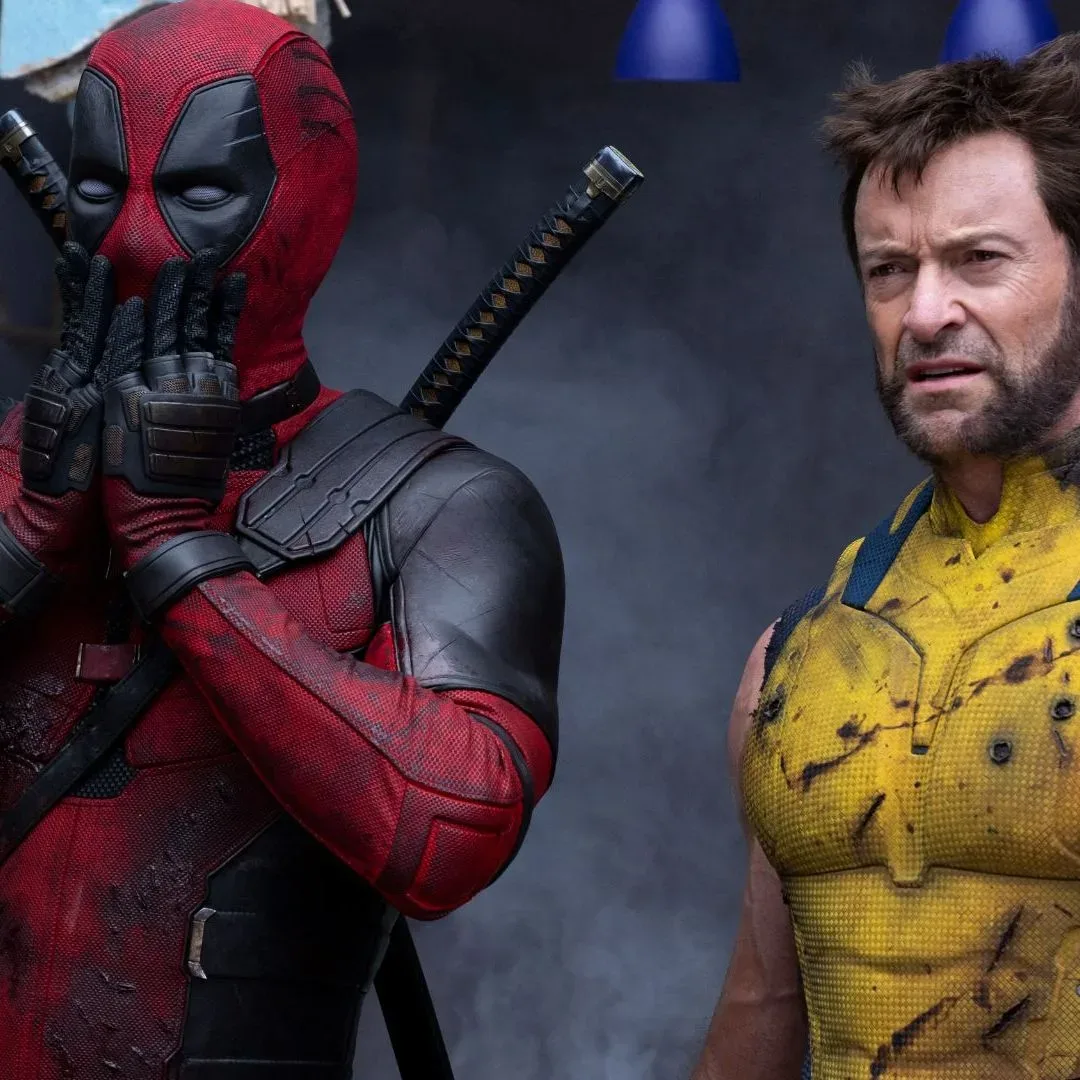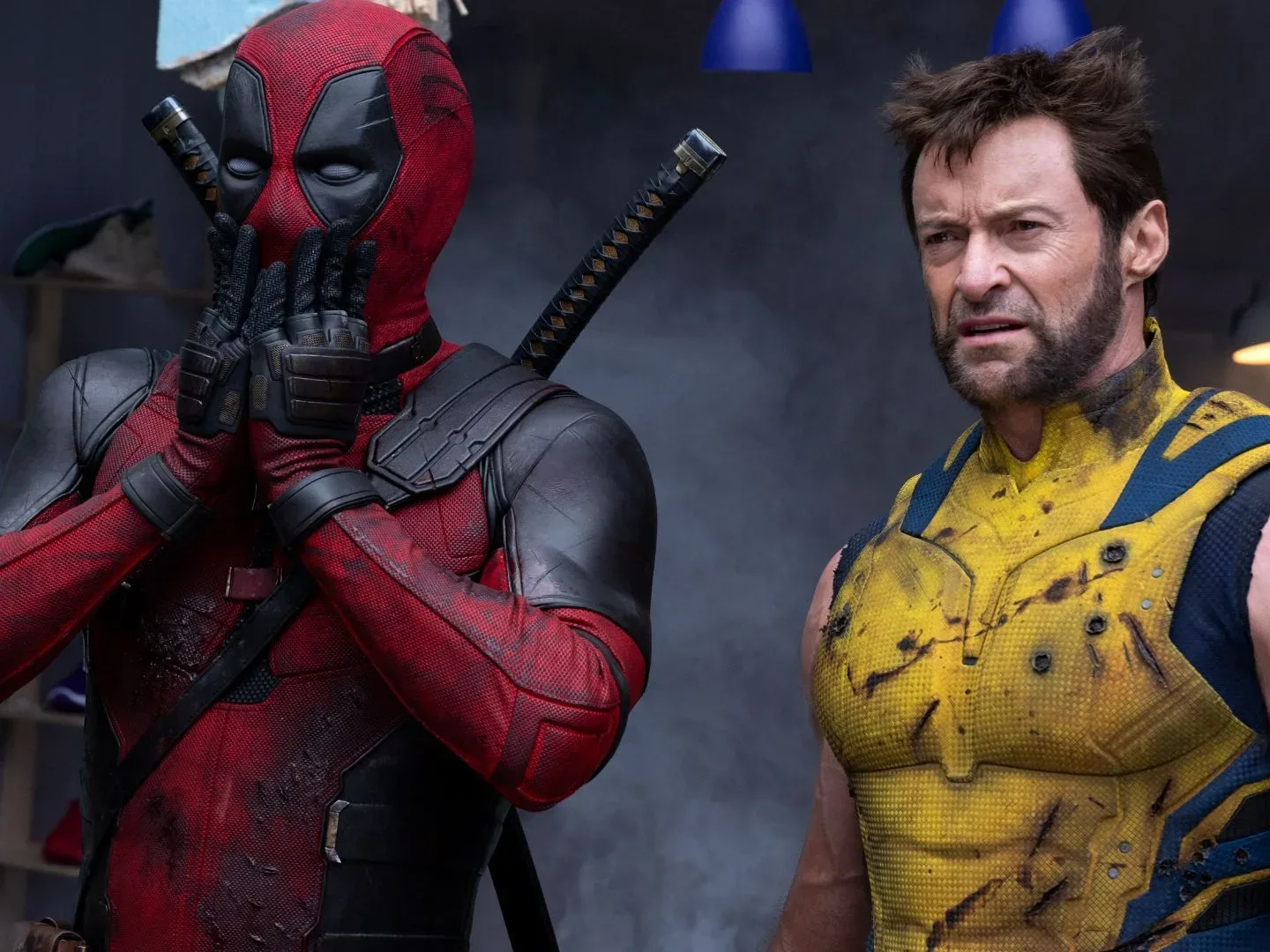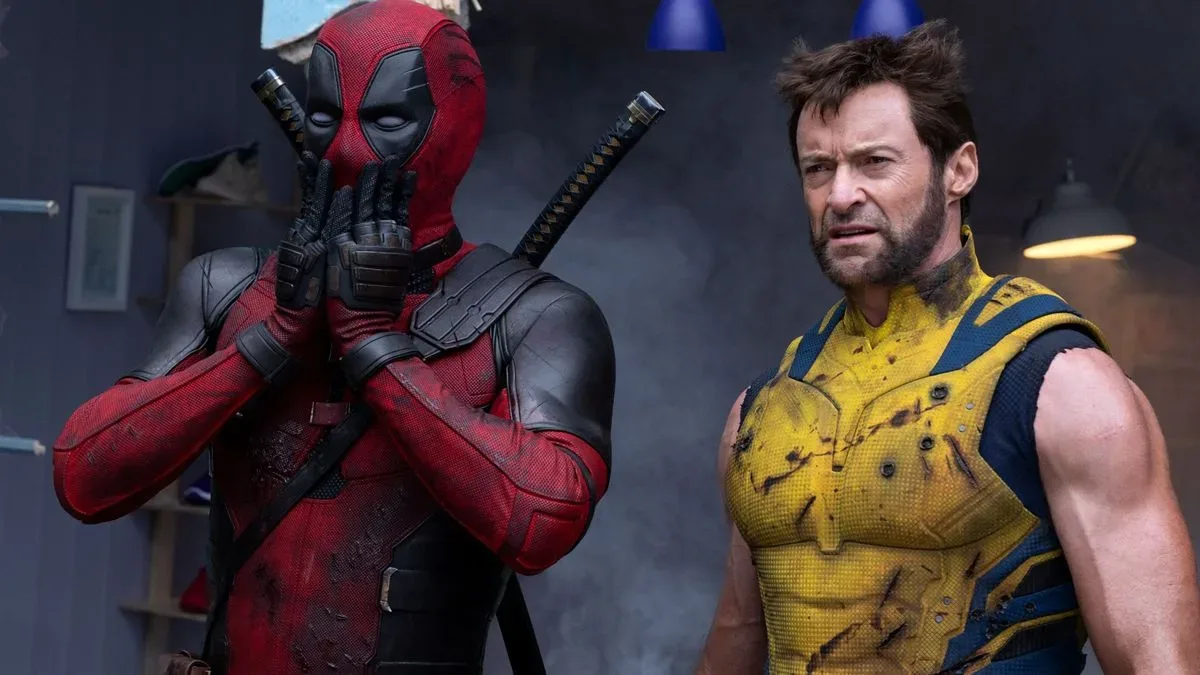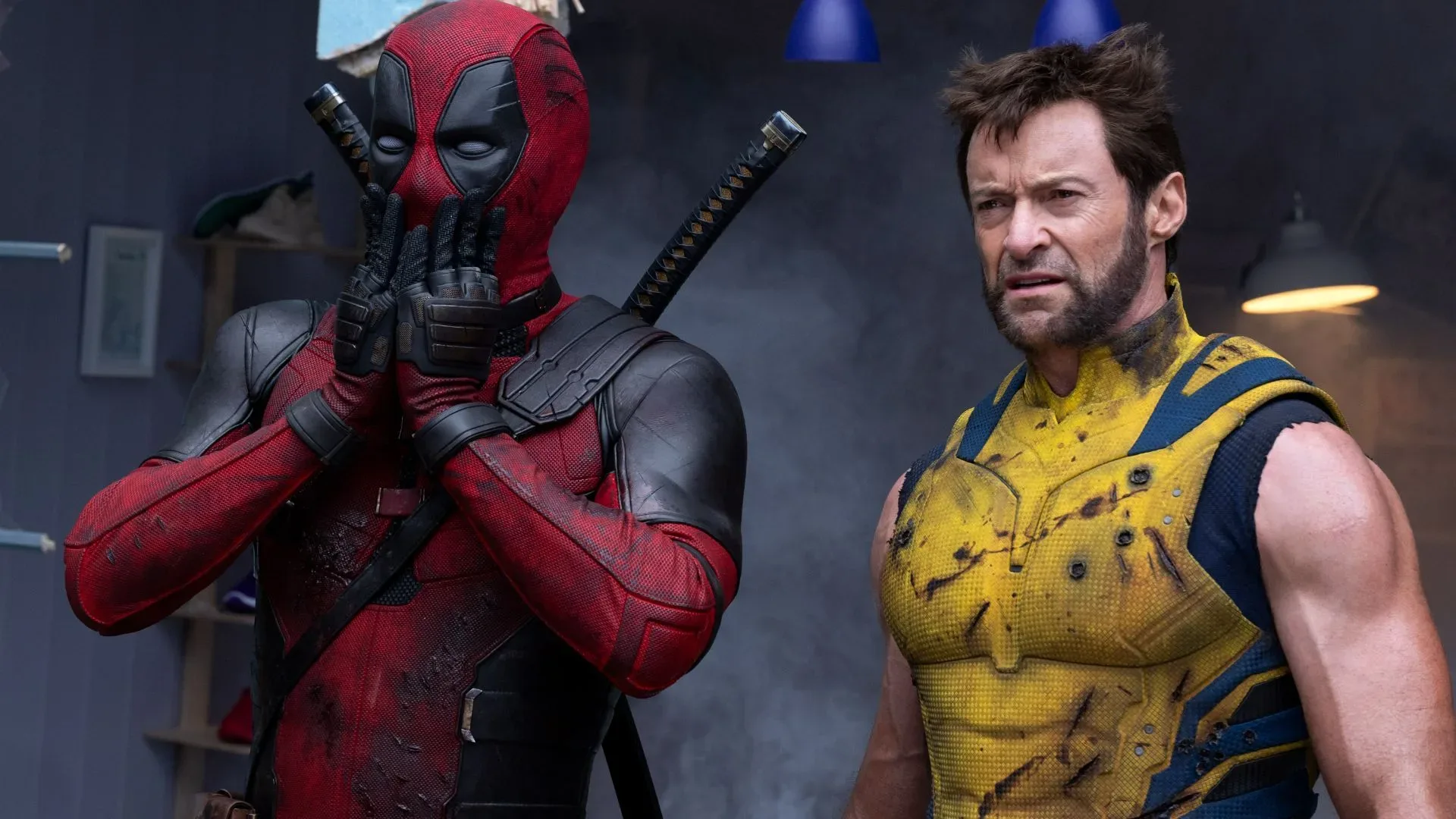
Deadpool & Wolverine carried a production bill on a superhero scale even before it began breaking box-office records. Disney has reported a total cost of $556.8 million for the 2024 Marvel film after it ran over budget. Tax credits connected to its work at Pinewood Studios in the United Kingdom reduced that figure by more than $110 million, leaving a reported net production cost of $446.1 million.
That net figure places the Ryan Reynolds and Hugh Jackman team-up above the reported production costs associated with other enormous Marvel releases, including Avengers: Endgame, which has been estimated at as much as $400 million. It is an extraordinary number even in the modern blockbuster landscape—and an instructive reminder that the headline budget for a studio tentpole can mean different things depending on whether incentives and reimbursements are included.
Two budgets matter here: the gross cost and the net cost
The $556.8 million number represents the film’s reported total cost after spending rose beyond the initial plan. The reported $446.1 million figure is the amount remaining after UK tax credits. The difference is roughly $110.7 million, consistent with the stated reimbursement of more than $110 million.
This distinction is important because production budgets are not always discussed in the same way. A gross production cost is the total amount attributed to making the film before applicable incentives. A net production cost accounts for qualifying tax credits or similar reimbursements. Neither number, on its own, tells the public precisely how much a movie earned for its studio.
That last point is worth underlining. A theatrical gross is the money collected at cinemas, while a production cost covers making the movie. Marketing, distribution, exhibitor revenue shares, and other financial arrangements are not supplied in these figures. So it is reasonable to say the film’s theatrical performance was huge relative to its reported production spending; it would be a leap beyond the available information to calculate a precise profit.
Why the final cost climbed
The increased expense was attributed in part to production disruption from the 2023 strikes, which halted shooting midway through the process. A pause can produce costs beyond the material being filmed: schedules must be reorganized, personnel and facilities may need to be rebooked, and the entire plan can become more complicated once work resumes. The disclosed figures establish that the disruption was among the factors that added to the final total, though they do not offer a line-by-line accounting of where every dollar went.
Filming at Pinewood Studios also became a major part of the financial picture because it made the project eligible for UK tax credits. Put simply, a tax credit is a government incentive that can reduce a qualifying production’s effective cost. The reported reimbursement did not make the film inexpensive. It did, however, lower the stated final burden from more than half a billion dollars to $446.1 million.
For audiences, the accounting may seem far removed from the on-screen experience. Yet these figures explain why a movie designed as a giant event release has such a high financial bar to clear. Deadpool & Wolverine is not presented as a small-scale character story: it brings together a long-running version of Deadpool, a Wolverine variant played by Jackman, a universe-saving premise, extensive jokes and action, and a roster of returning mutant characters and cameo appearances.
A large gamble met an enormous theatrical result
The expense arrived alongside an exceptional worldwide box-office run. Deadpool & Wolverine grossed $1.34 billion worldwide. That made it the first Marvel Studios film to exceed $1 billion at the global box office after the pandemic, a meaningful result for a release carrying an R rating as well as the expectations attached to the Marvel brand.
The movie’s basic hook was unusually direct: Reynolds’ profane, self-aware Deadpool teams with a variant of Jackman’s Wolverine to prevent Deadpool’s universe from being destroyed. The story also offered a heavily referential mutant reunion, surprise appearances, and Channing Tatum finally appearing in costume as Gambit. Those elements gave the release the feeling of a crossover celebration rather than simply another installment with a familiar logo.
Its successful mix of irreverent humor, legacy characters and spectacle is particularly notable because a film with this scale of budget must attract more than a narrow fan base to become a theatrical event. The $1.34 billion gross indicates broad audience turnout, but it should not be treated as a simple return-on-investment calculation. Box-office revenue is split through arrangements that are not detailed here, and production cost is not the only expense surrounding a release.
Still, the contrast is clear enough without overreaching: the film was costly to make, it benefited substantially from location-based incentives, and it generated a worldwide gross far beyond its reported net production cost.
Marvel’s costliest production, with a crucial caveat
On the reported figures, Deadpool & Wolverine is Marvel Studios’ most expensive movie. The comparison point most often invoked is Avengers: Endgame, thought to have reached up to $400 million, while Avengers: Age of Ultron and Doctor Strange in the Multiverse of Madness are also among the studio’s biggest-budgeted productions.
Budget comparisons always need some caution. Public estimates, net figures and gross figures are not necessarily calculated or disclosed identically across every production. In this case, the unusually useful detail is that both a pre-credit cost and an after-credit cost have been reported. The former shows the scale of expenditure incurred; the latter better reflects the cost after the specific UK incentive was applied.
The outcome also reinforces how much pressure rests on a theatrical blockbuster to become an event. A $446.1 million net production cost is not a routine target. It demands enormous audience interest, and it leaves little room for the kind of commercial disappointment that can be absorbed more easily by a modestly budgeted release.
That does not mean every future Marvel film needs the same recipe. The figures instead show why recognizability, returning performers and a clear sense of occasion can matter so much when a studio is operating at this level of financial exposure. In this instance, Deadpool’s tone and Wolverine’s return formed a proposition distinct enough to bring audiences out in massive numbers.
The R-rated record has already moved on
Deadpool & Wolverine also held the title of highest-grossing R-rated movie of all time until recently. It has since been surpassed by Christopher Nolan’s ancient Greek epic The Odyssey, which has earned more than $1.8 billion after its summer theatrical release.
That change does not diminish the significance of the Marvel film’s run. An R-rated comic-book movie reaching $1.34 billion worldwide remains an exceptional commercial achievement, particularly alongside a production budget of this magnitude. Its performance demonstrated that the rating was not an insurmountable limitation when audiences saw a release as a must-see event.
Marvel’s broader commercial conversation continues to evolve. Spider-Man: Brand New Day, made in partnership with Sony, is reported to have reached $958.7 million in the United States and become the highest-grossing MCU movie domestically. For the Marvel Studios side of that story, however, Deadpool & Wolverine remains the film that crossed the $1 billion worldwide milestone after the pandemic.
What comes next for viewers
Deadpool & Wolverine is now available on Disney Plus, giving viewers a chance to revisit the team-up outside its theatrical event run. Its place in Marvel’s larger continuity may keep inviting discussion, especially as the franchise moves toward Avengers: Doomsday, scheduled for theaters on December 18.
The studio’s present-day Marvel conversation also reaches beyond the films. For one example, fans are debating what Ultron’s role could mean in VisionQuest, another indication of how viewers remain invested in both legacy characters and the directions taken by the connected universe.
For Deadpool & Wolverine, the final lesson is less about declaring a simple win from two giant numbers than understanding the scale behind them. The project’s reported gross production cost was $556.8 million. Its reported net cost after UK tax credits was $446.1 million. Its worldwide theatrical gross was $1.34 billion. Together, those figures describe a uniquely expensive Marvel production that also found the audience needed to justify its blockbuster ambitions.