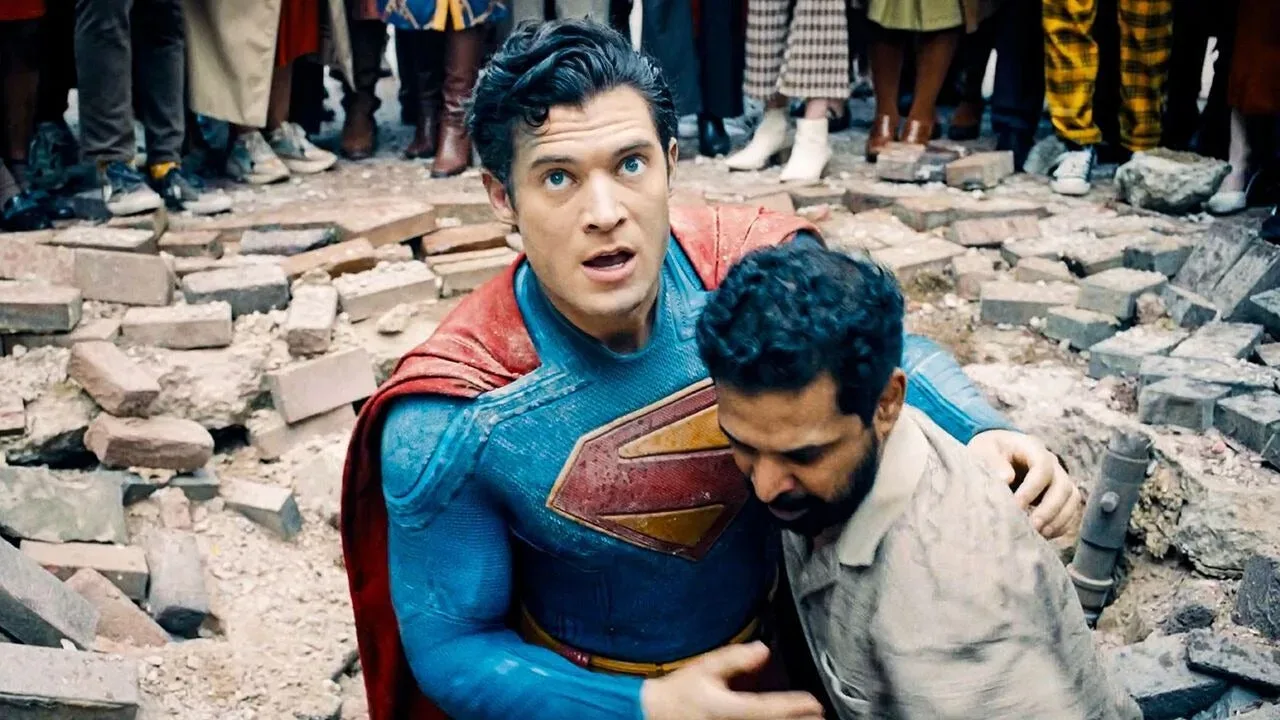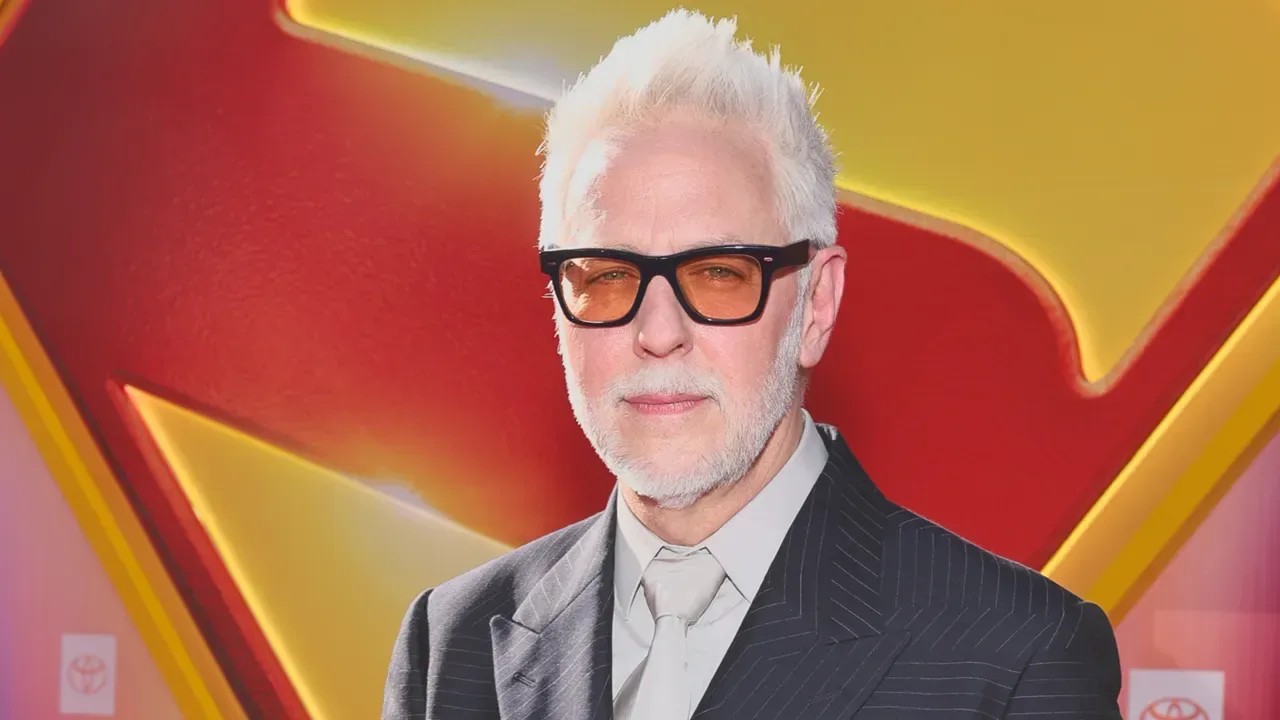

DC’s movie universe is reportedly headed for another change at the top, with James Gunn and Peter Safran exiting their leadership roles at DC Studios shortly after Paramount Skydance completed its acquisition of Warner Bros. Discovery. Jeremy Latcham is expected to take over DC film leadership, while Gunn is said to remain involved long enough to write one further DC project after Man of Tomorrow, the forthcoming Superman sequel, reaches release.
The immediate issue is not merely that executives are changing. Hollywood companies change executives all the time, usually before anyone has finished their coffee. The problem for DC is that its screen franchises have repeatedly been reorganized while they were still trying to establish a coherent long-term direction. A slate is announced, creative teams and casts are attached, continuity is explained in increasingly selective terms, and then the larger plan is altered, delayed, abandoned or reset.
That pattern makes the reported Gunn-Safran departure more consequential than a routine corporate handoff. It places the current DC Universe, or DCU, in a familiar and awkward position: several projects were conceived as parts of one connected story, but the people who designed that story may no longer be in charge of its destination.
For additional detail on the reported power struggle surrounding the exit, see this report on the DC Studios leadership dispute.
What is actually uncertain now
There is no confirmed answer yet on whether Latcham will preserve the existing DCU or begin another reboot. That distinction matters. A reboot is more than a new film with a new creative team; in franchise terms, it generally means replacing or disregarding some existing continuity, potentially including earlier events, actors and character histories. A shared universe, meanwhile, is a set of films and series designed to occupy the same fictional world, where developments in one entry can affect another.
Gunn’s strategy was explicitly built around the latter model. His Chapter One plan encompassed 10 film and television projects. By the time of this leadership shift, more than half were reportedly either cancelled or stuck in development hell, the informal industry term for a project that remains in development for an extended period without advancing decisively into production or release.
That does not prove every remaining project is dead. Development is inherently fluid, and a successor could retain all, some or none of the existing work. But uncertainty itself has a cost when a franchise is selling viewers on continuity. People are not only being asked whether they want to watch the next Superman film. They are being asked whether it is worth becoming invested in characters and setups that may be revised shortly afterward.
Man of Tomorrow now carries an unwanted extra burden
Man of Tomorrow is the next major DCU release and was intended to be a major structural piece of Gunn’s Superman-led era. Gunn will reportedly remain with the project through post-production. Post-production is the final stage after principal filming, encompassing editing, visual effects, sound work, music and finishing. The film can therefore still arrive as designed in the short term.
Its larger role, however, is much less clear. A superhero sequel can be both a self-contained story and a launchpad for later chapters. That second function becomes harder to evaluate if audiences enter the theater already aware that the broader architecture may change. It is an unenviable position: the movie could introduce people, conflicts or future directions while viewers reasonably wonder whether those threads will ever be followed.
DC has already experienced a version of this problem. The Flash was used as a potential mechanism for reshaping the prior DC Extended Universe, or DCEU. The DCEU was DC’s previous interconnected screen continuity, largely associated with films beginning with 2013’s Man of Steel. Yet the project’s own lengthy changes in writers and directors, followed by problems surrounding its release, meant that it arrived amid a wider strategy transition instead of delivering a clean, reassuring reset.
That history should not be used to prejudge Man of Tomorrow on its creative merits. It does, though, show why franchise planning cannot be separated from audience confidence. A major crossover-style universe is partly a promise of follow-through. When that promise has often changed, even a good individual installment has more work to do.
Continuity was already DCU’s difficult first assignment
The current DCU began with an unusual continuity puzzle. Gunn had worked on DC projects before becoming a studio chief, including The Suicide Squad and the Peacemaker spin-off. The new universe was not presented as a total preservation of the old DCEU, but elements of those earlier works were retained. That led to public explanations that only certain aspects were canon.
Canon means the stories, characters and events treated as official parts of a fictional continuity. It can sound like fan shorthand, but it is a practical storytelling issue when films and series expect viewers to remember past events. Which version of a character counts? Which relationships or deaths still happened? Does a returning actor represent the same character history, a revised history, or simply a familiar face in a new universe?
Those are solvable questions when the answers are clear and remain stable. They become distracting when the continuity requires ongoing clarification, particularly from the people overseeing it. Gunn even addressed the question in a podcast specifically devoted to what was and was not canon. Meanwhile, he indicated that Margot Robbie could return as Harley Quinn if she wished, while also expressing uncertainty over whether the Joker had yet been established in the DCU.
None of this makes hybrid continuity impossible. Comic books have long used revisions, alternate versions and selective carryovers. The difference is that movies and television operate at a different pace and cost. A comic can revise a status quo through a new issue next month. A feature film may take years, involve enormous production commitments and require audiences to remember a set of shifting rules between releases.
DC has been here before, just with different capes
It is tempting to treat every DC course correction as isolated, because each one comes with its own cast, business context and creative rationale. The broader record instead suggests a recurring structural problem: ambitious plans have met backlash, disrupted production or a leadership change before they could develop into stable systems.
Zack Snyder’s initial DCEU direction after Man of Steel was designed to form a multi-film arc that included three Justice League movies. That plan did not survive intact after the response to Batman v Superman: Dawn of Justice. The original Justice League production was then substantially reshaped through reshoots led by Joss Whedon. Snyder’s four-hour assembly cut later arrived in 2021, but it did not restore the larger intended film plan.
The subsequent slate also struggled commercially. While the first Wonder Woman and Aquaman films were financially successful, later releases including Birds of Prey, Black Adam, Shazam! Fury of the Gods, The Flash and Blue Beetle were described as box-office disappointments or flops. Ben Affleck’s planned Batman solo film was among the projects announced but never completed, while the Leslie Grace-led Batgirl movie was cancelled.
There were also controversies well beyond the movies themselves. Former Warner Bros. chief executive Kevin Tsujihara resigned in 2019 after allegations involving actress Charlotte Kirk and acting opportunities. Ray Fisher, who played Cyborg, accused Whedon and DC corporate leadership, including then-DC Films head Walter Hamada, of fostering a hostile and racist workplace; those accusations were significant to the public discussion around the franchise. Separately, claims circulated that Dwayne Johnson’s camp shared misleading financial information about Black Adam in an effort to improve perceptions of its performance. These are not interchangeable events, but together they contributed to a period where attention repeatedly shifted from storytelling to corporate or production turmoil.
For viewers, the practical result is simple: DC has repeatedly asked them to commit to a future that later becomes provisional.
A strong Superman start does not settle the franchise question
Gunn’s Superman reboot gave the current DCU a more optimistic entry point and was widely viewed by supporters as a correction after the prior universe’s troubles. Its approach to Superman, cast and Lex Luthor offered a clearer tonal identity. That is important, because a shared universe needs more than a logo and a post-credits tease; it needs a recognizable point of view.
At the same time, Gunn’s interest in lesser-known DC characters drew criticism from viewers who wanted the studio to establish Batman and Wonder Woman more fully before expanding into stranger corners of the catalogue. Projects involving figures such as Gorilla Grodd and Krypto became part of that debate, as did the reported consideration of a Polka-Dot Man prequel series.
There is nothing inherently wrong with a comic-book universe making room for unusual characters. In fact, obscurer heroes and villains can make a fictional world feel larger than its most marketable icons. The strategic question is timing. A studio that has recently reset its universe has to balance novelty with reassurance. Deep cuts can delight dedicated readers, but recognisable anchors help casual audiences understand where the franchise is headed.
What Latcham’s decision could mean
There are two broad possibilities, neither confirmed. Latcham could keep the current DCU, selectively adjust its slate and allow Man of Tomorrow to continue as a foundation. That would minimize immediate continuity confusion and give existing casting decisions room to breathe. It would also avoid asking audiences to process another reset so soon after the DCEU ended.
Or the new leadership could prefer a substantially different approach. That could affect planned stories, character fates and casting choices. Questions have been raised around the status of Kyle Chandler’s Hal Jordan, Tom Rhys Harries’ Clayface, and reports linking Adria Arjona to Wonder Woman in Man of Tomorrow. Until a strategy is stated, these remain examples of why the uncertainty is so noticeable rather than indications of confirmed changes.
The sensible move is not necessarily to preserve every component exactly as planned. It is to make a clear choice and communicate it without treating viewers as continuity accountants. If the DCU continues, say what remains in play. If it changes, explain the scale of the change. Above all, avoid turning every release into a temporary bridge toward an unnamed future.
DC does not need to imitate another superhero universe beat for beat to succeed. It does need enough stability for its films and shows to mean what they say they mean. The reported leadership change leaves that stability in doubt again. Whether Man of Tomorrow becomes a genuine next chapter or a polished relic of another abandoned plan will depend on what comes next.