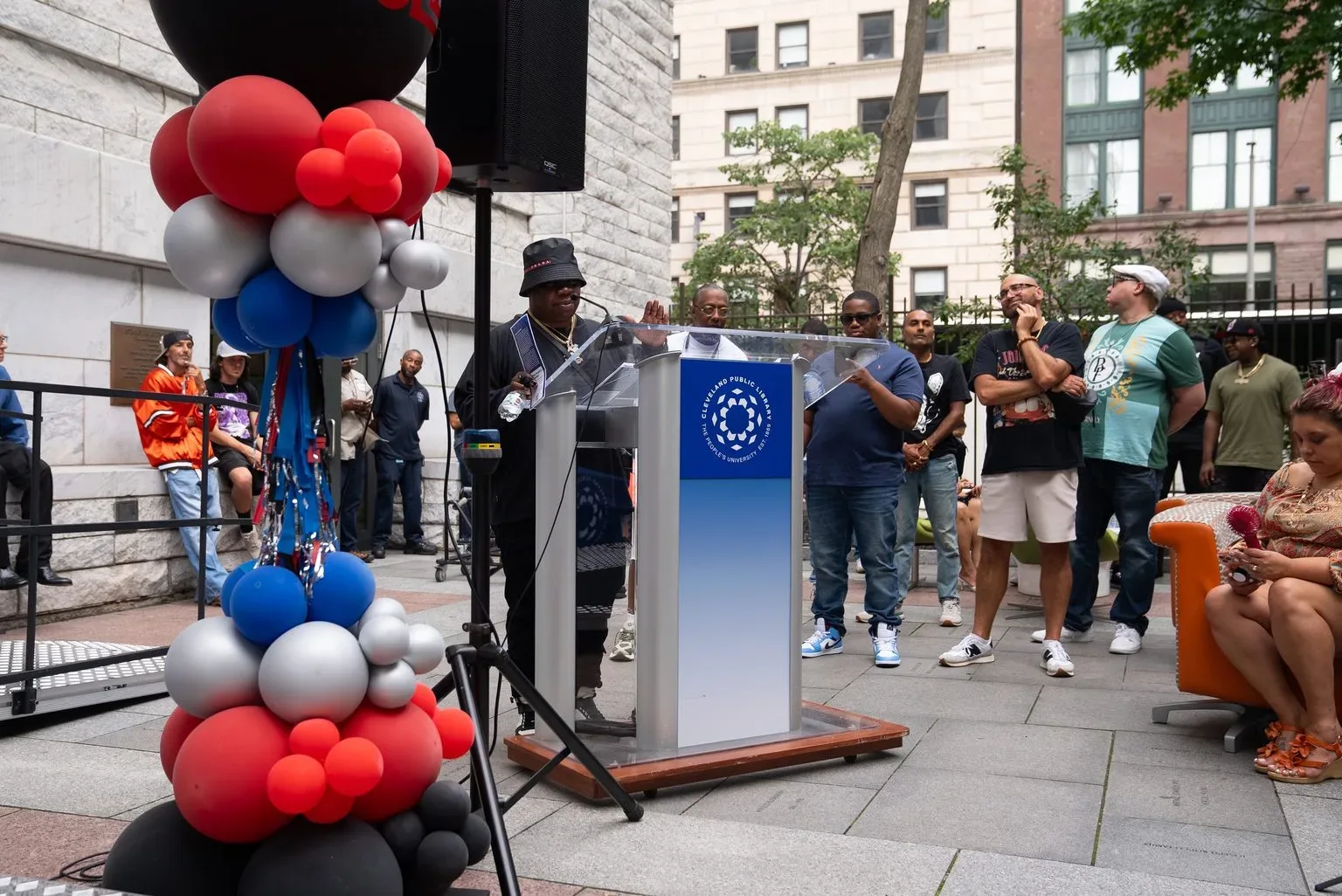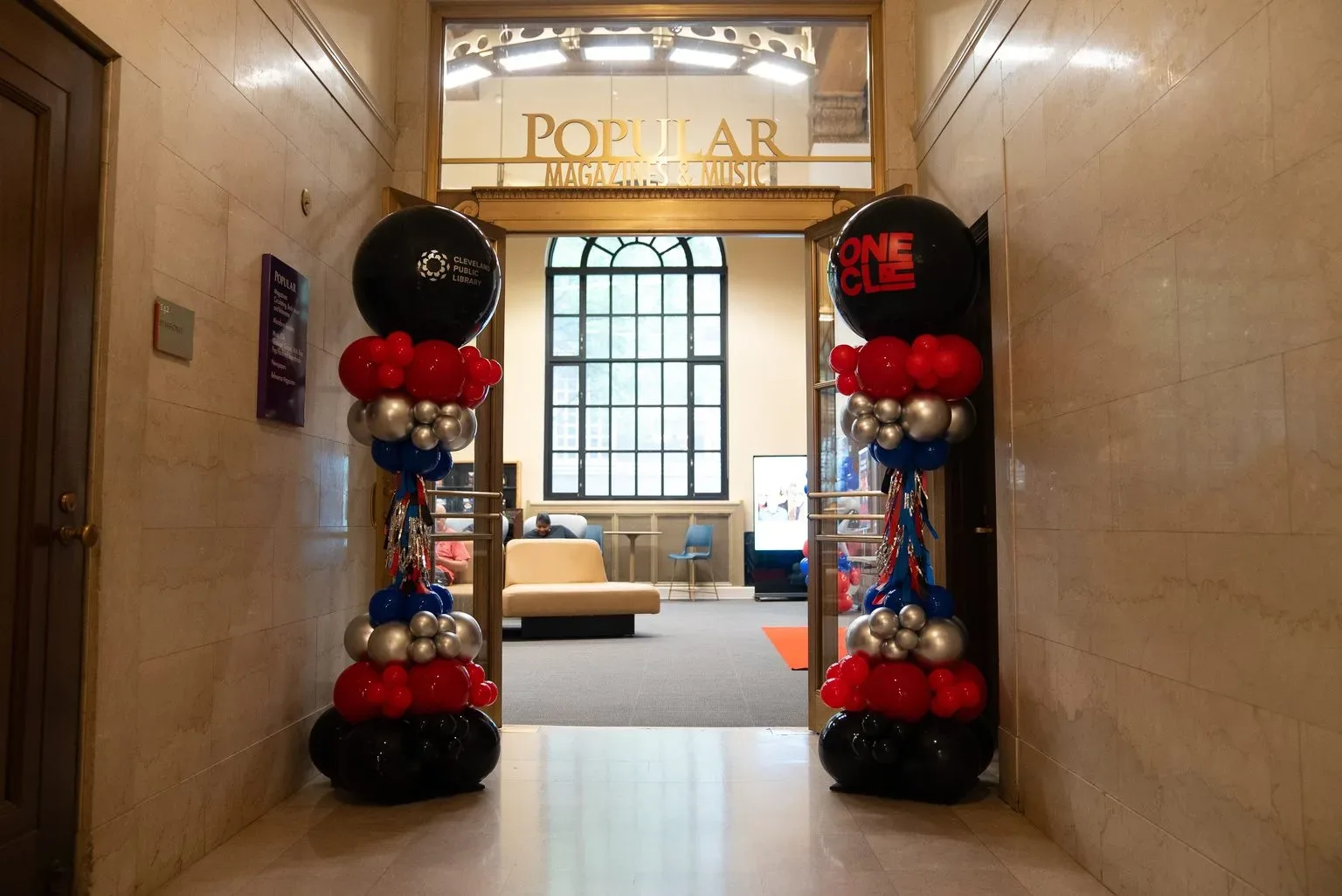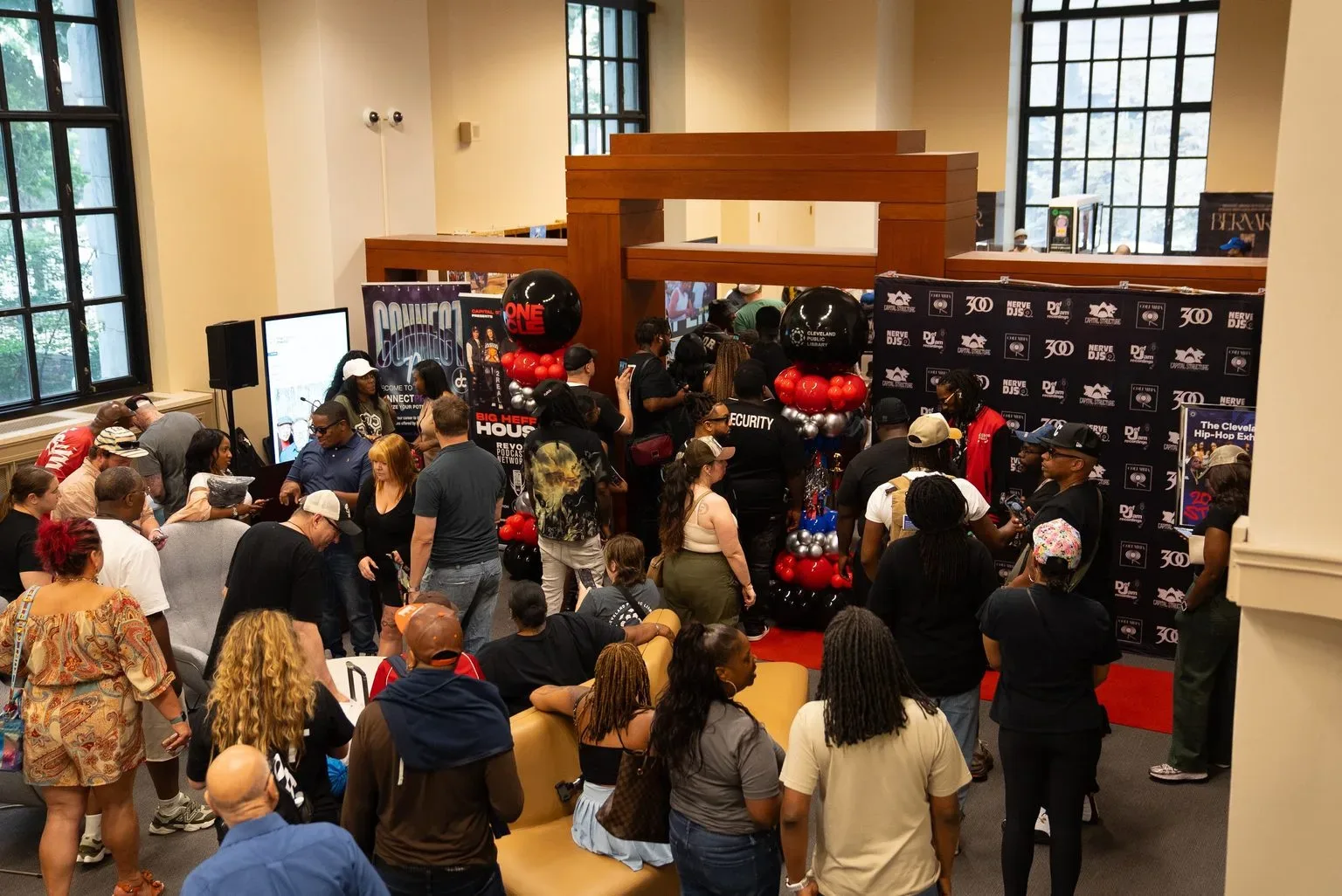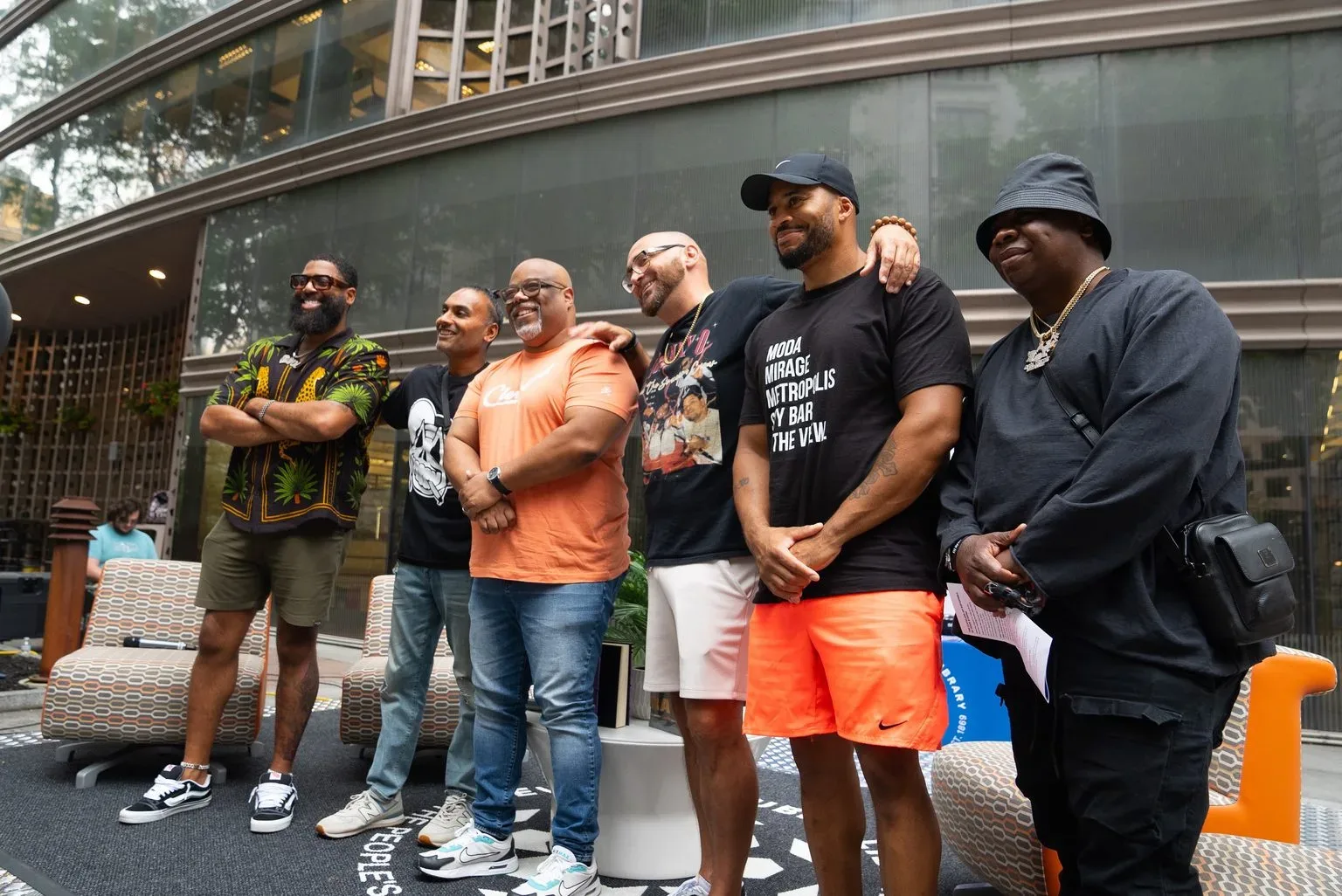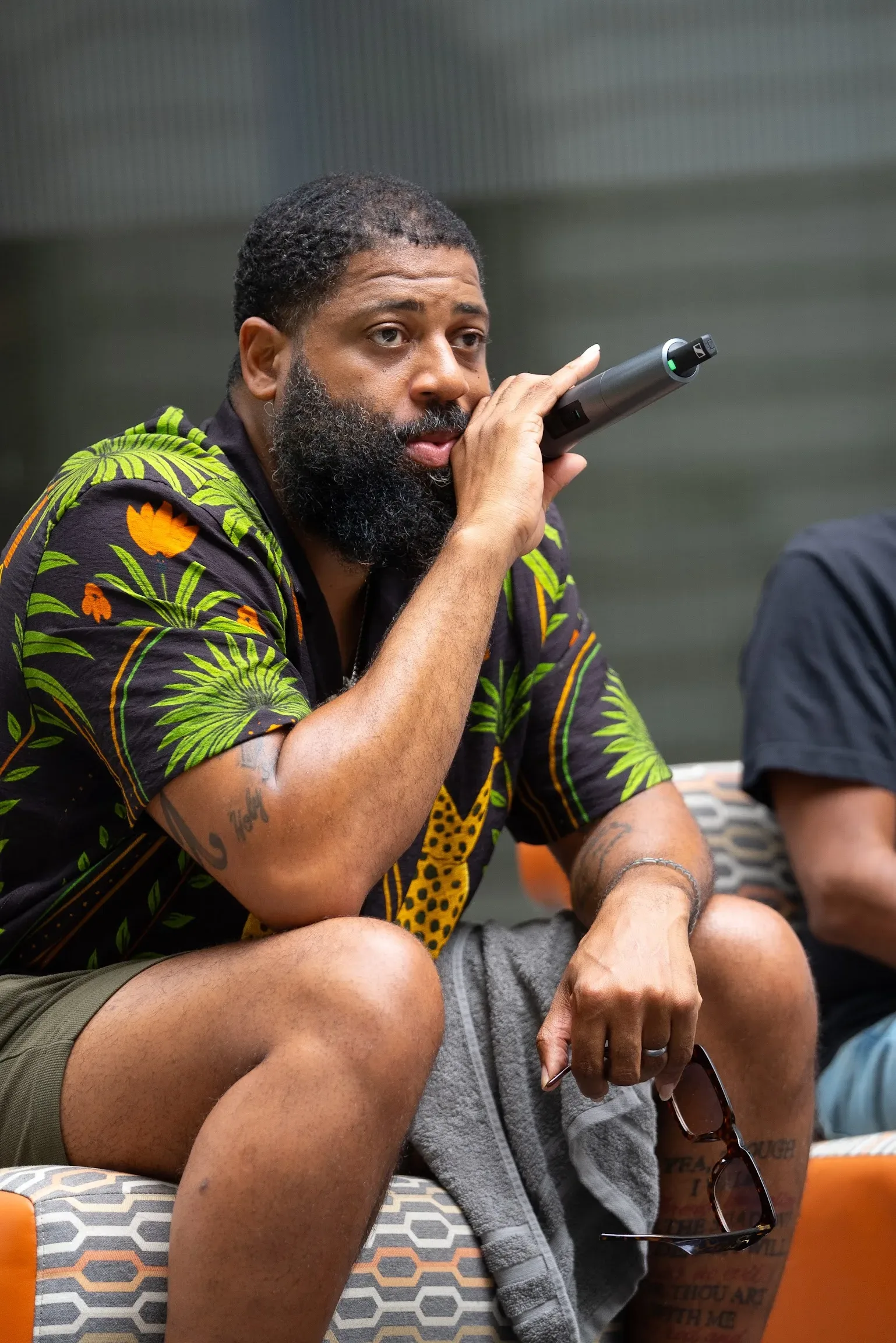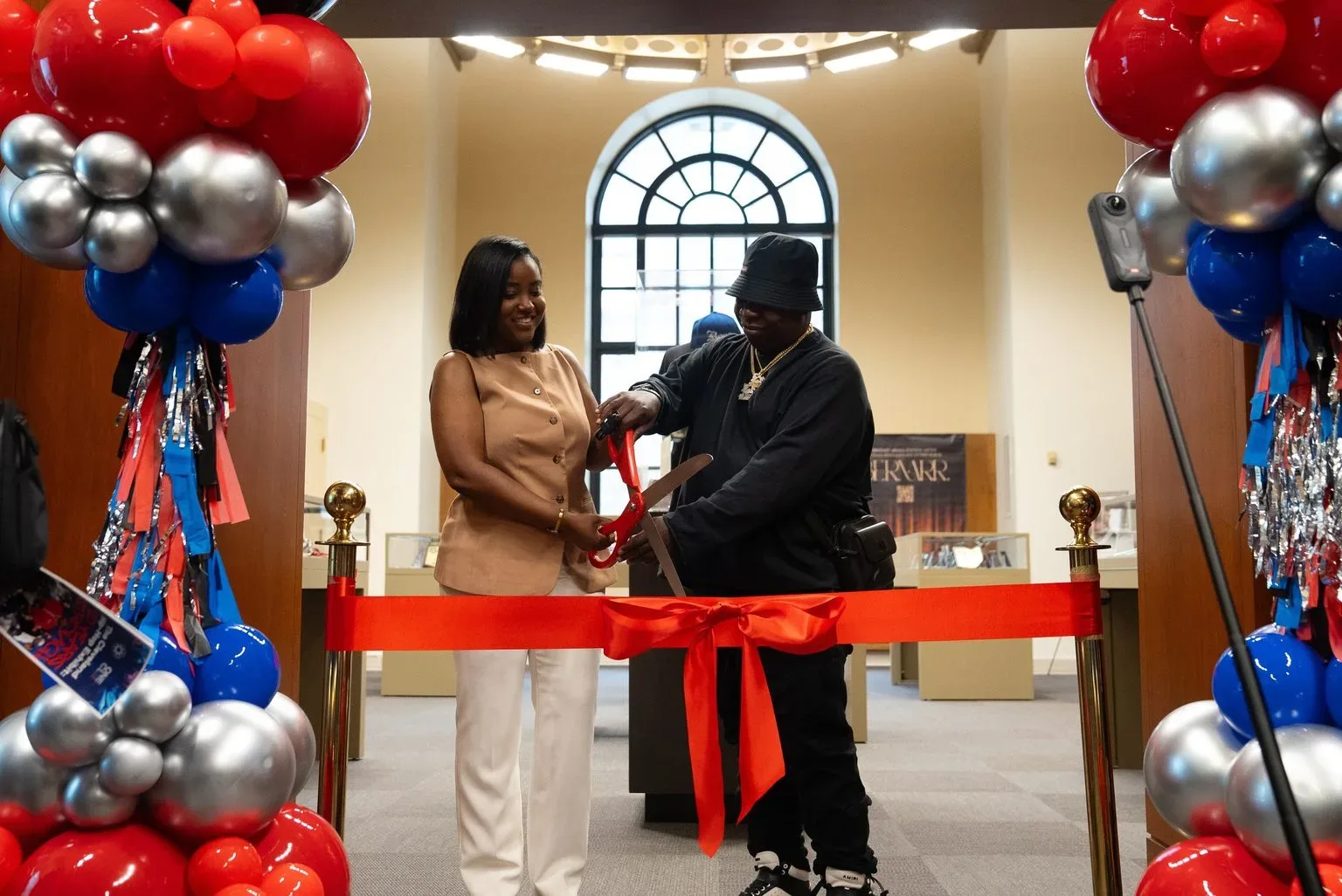
Cleveland’s hip-hop story is getting the kind of public record usually reserved for presidents, rare manuscripts and local civic milestones. “One Cleveland Presents: 20 Years of Cleveland Hip Hop & Music” is now on view at the Cleveland Public Library Downtown Campus, bringing the artists, DJs, promoters, educators, venues, media voices and organizers behind the city’s music culture into one exhibition.
The show opened on Saturday, August 15, 2026, at 325 Superior Avenue in Cleveland and is scheduled to remain on display through October 5. Curated by Cleveland music executive and cultural advocate Quincy “Big Heff” Taylor, it presents a 20-year view of a scene that has operated through recordings and performances, but also through relationships, independent infrastructure and people whose names may not always appear in song credits.
That scope is the point. A city’s musical identity cannot be reduced to its most recognizable stars, even when those stars are as culturally significant as Bone Thugs-N-Harmony and Machine Gun Kelly. The exhibit does include major Cleveland-connected artists, but it also makes room for the work that allows scenes to exist: promotion, programming, event spaces, local media, mentorship and education. In that sense, it treats hip-hop as a living community history rather than a simple highlight reel.
Six routes through Cleveland’s music culture
The exhibition is arranged in six sections, each addressing a different element of Cleveland hip-hop and music history. Together, the categories suggest that the organizers are telling the story through both chronology and participation: how people heard music, who led it, who expanded its audience and what came next.
- The Mixtape Era
- Pioneers in Music
- Ladies of Hip Hop
- Events That Impacted the Culture
- The New Generation
- Sounds of the Culture
“The Mixtape Era” gives an important place to a mode of circulation that has been fundamental to hip-hop culture. Mixtapes are not merely an old delivery format; they are part of the ecosystem through which artists found listeners, DJs built influence and regional sounds moved from local audiences toward broader awareness. Including that period in a library exhibit recognizes that the culture’s archival trail is not limited to formal releases or widely distributed albums.
The sections devoted to pioneers, women in hip-hop and a new generation also avoid presenting a music scene as though it appeared fully formed. They make room for continuity: early builders, essential contributors who may have received less attention, and artists and organizers now taking up the work. “Events That Impacted the Culture” further shifts attention beyond individual careers, acknowledging that moments of gathering can matter as much as any one track or performance.
For visitors, the six-part structure offers several entry points. Someone drawn in by a favorite artist can encounter the surrounding network that helped shape the city’s musical environment. Someone with a personal connection to radio, a venue, mixtape distribution, education or local promotion can see those forms of labor treated as part of the historical record. That is a useful framework for a culture whose impact has often been carried through communities before institutions caught up.
Bone Thugs-N-Harmony’s place in the city’s narrative
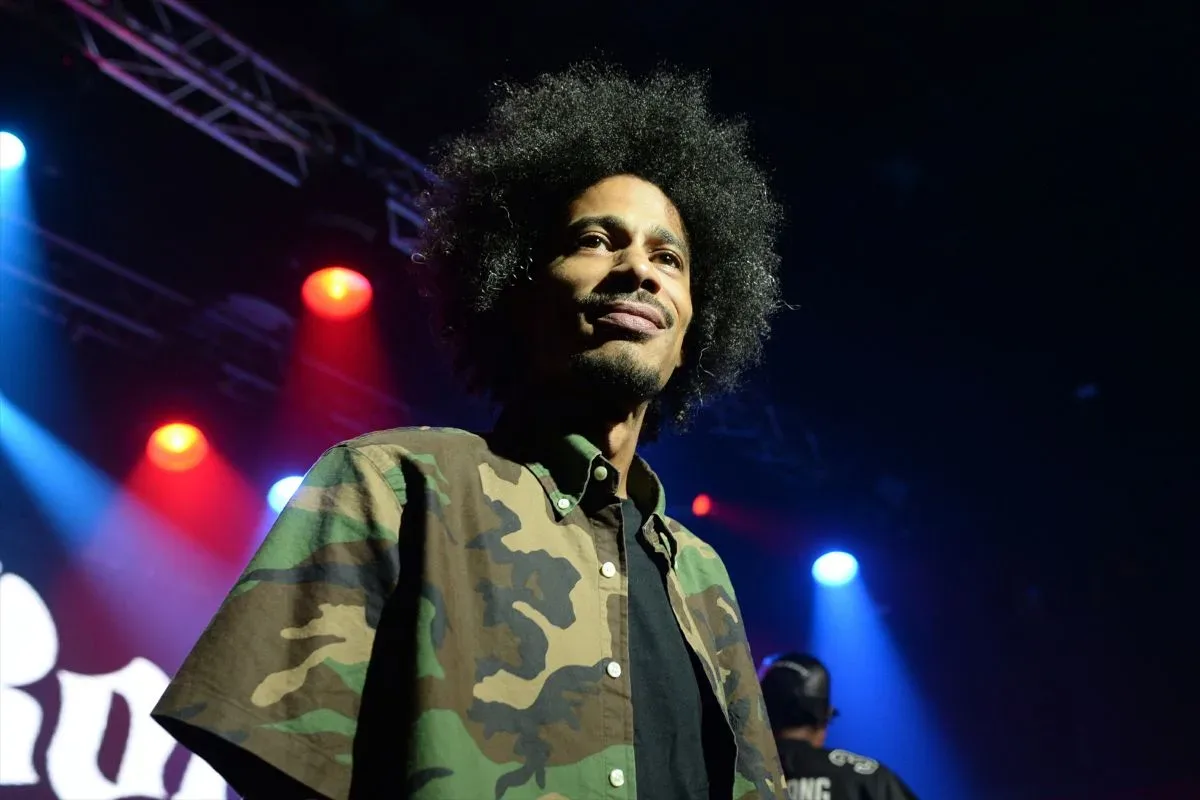
Bone Thugs-N-Harmony remains one of the clearest connections between Cleveland and hip-hop’s wider history. The group brought a distinctive approach to a global audience, combining fast-moving verses with melodic harmony in a way that became closely associated with its 1990s-era sound. Their success made Cleveland impossible to overlook in conversations about rap’s regional voices.
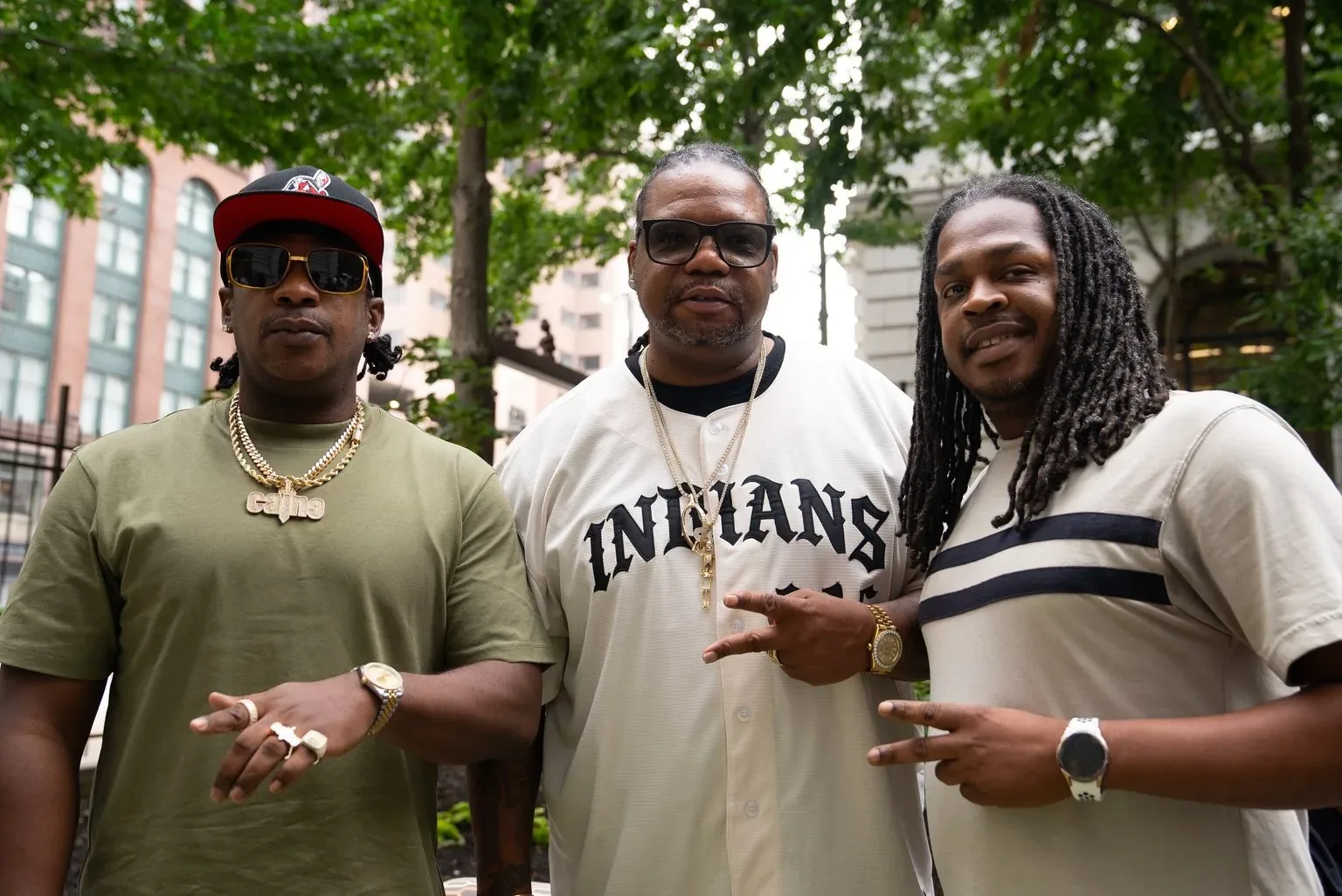
Wish Bone was among the first guests to enter the exhibition, creating a direct bridge between that established legacy and an exhibit built to document the people who kept local culture moving across two decades. His presence is meaningful not because it turns the display into a celebrity attraction, but because it reinforces the show’s central premise: Cleveland’s musical past and present belong in conversation with one another.
The library had already engaged with Bone Thugs-N-Harmony’s legacy during programming tied to the 50th anniversary of hip-hop. This newer exhibition broadens the frame. It does not ask visitors to view Cleveland only through one famous group, nor does it erase the significance of artists who achieved national reach. Instead, it positions recognizable names within a deeper citywide network.
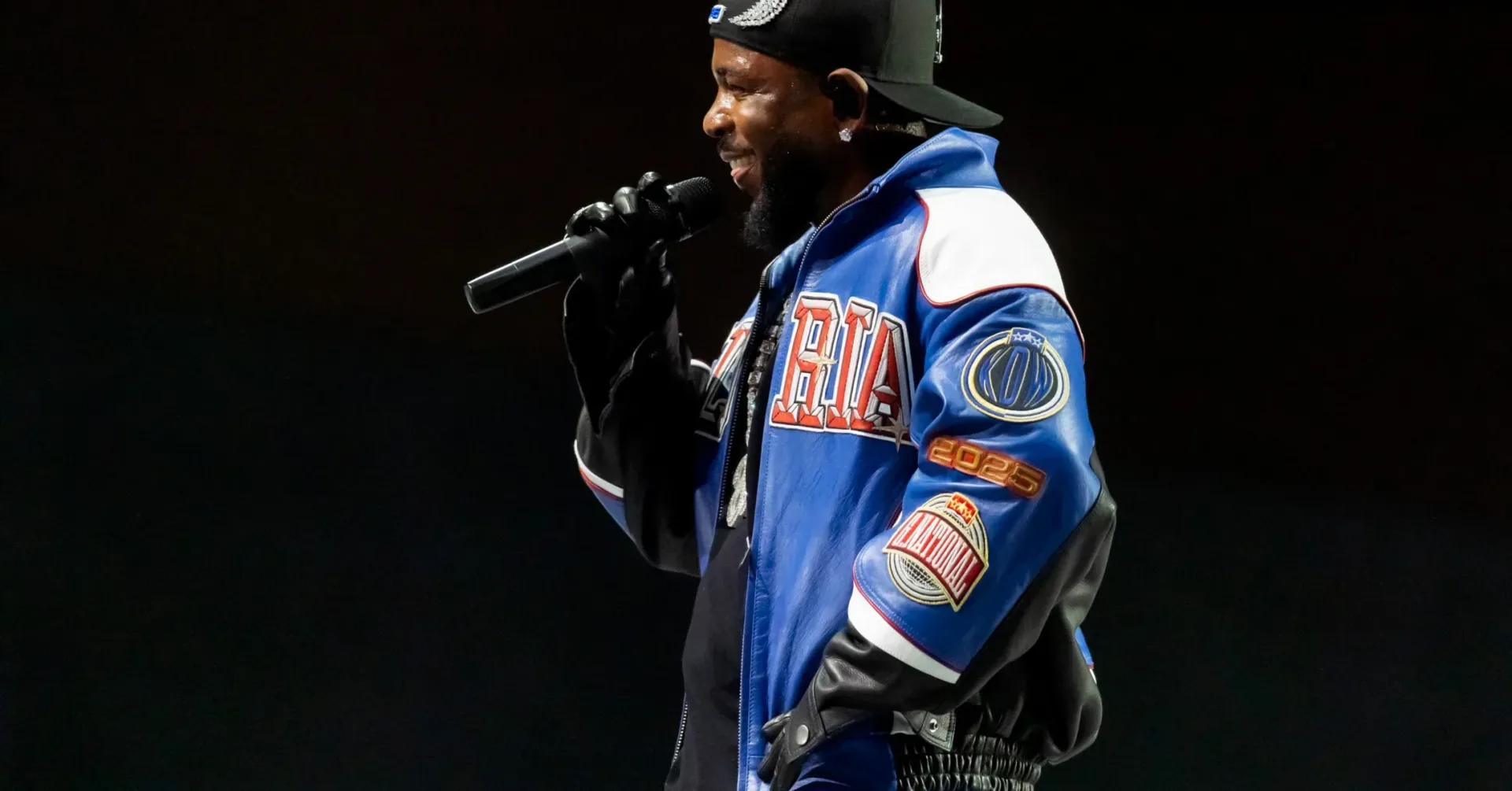
Machine Gun Kelly is another prominent name included in the exhibit’s account of Cleveland music. The inclusion of artists from different moments reflects the range of paths Cleveland performers have taken and the ways a local identity can be expressed across changing eras. A community archive is strongest when it can hold those differences without pretending every career followed the same route or served the same audience.
More than a gallery of performers
One Cleveland’s presentation extends beyond recordings and performers to recognize the people who build the conditions for music to be made, heard and remembered. Promoters create opportunities for artists to meet audiences. DJs can turn local records into shared experiences. Venues provide physical space for scenes to gather. Media outlets amplify activity that might otherwise remain neighborhood knowledge. Educators and community leaders can connect culture to young people who are deciding whether there is a place for them in the creative economy.
That broader perspective is particularly fitting for a public library. Libraries preserve evidence, make knowledge available and offer a civic space where people can encounter a history larger than their own individual experience. Hip-hop has always generated its own documents and artifacts, from recordings and flyers to radio memories, event stories, visual design and mixtapes. An exhibition can help protect the significance of those materials before they become difficult to locate, identify or contextualize.
It also challenges the assumption that cultural history begins only after national acclaim arrives. Local scenes are already history while they are happening. By identifying entrepreneurs, independent artists, community programs, radio stations and other contributors alongside household names, the Cleveland exhibition makes that argument in practical form.
Music remains an active part of pop culture coverage across the site as well, including news around Jhené Aiko’s “Westside Whimsy” tracklist and its Kendrick Lamar credit. Cleveland’s exhibit approaches the subject from a different angle: not a new release, but the local structures and people that make sustained musical activity possible in the first place.
Programming connects legacy with practical concerns
The opening activity includes local DJs, special guests and community programming. Panels associated with the exhibition examine youth engagement, artist empowerment, legal literacy, financial literacy and key milestones in Cleveland hip-hop. Those subjects make the project more than an act of looking backward.
Legal and financial literacy are especially consequential topics for artists and music professionals, whether they are releasing work independently, organizing events or building creative businesses. Youth engagement speaks to the question of succession: how a culture passes knowledge, confidence and opportunity forward. Artist empowerment places creative expression alongside the ability to make informed decisions about a career.
These themes complement the historical material rather than distracting from it. An archive can explain how a community arrived at the present; discussion and education can help people navigate what happens after they leave the exhibit. The pairing suggests that preservation is not passive. Remembering who built a scene can help clarify what support future builders may need.
A public record for the next generation
“One Cleveland Presents: 20 Years of Cleveland Hip Hop & Music” is ultimately an attempt to make a local cultural record visible and accessible. The show acknowledges that Cleveland hip-hop extends beyond hit songs and touring artists. Its history includes businesses, venues, radio, media, mixtapes, independent work and community organizations, all of which helped establish a music culture with influence in Cleveland and beyond it.
For younger visitors, that record may reveal possibilities that are not obvious from streaming numbers or major-label narratives. A career around music can involve performance, certainly, but it can also involve curation, event production, media, advocacy, education and entrepreneurship. For longtime participants, the exhibit offers recognition that the behind-the-scenes work mattered.
The broader question raised by the project reaches outside Cleveland. Public libraries and similar civic institutions can play a valuable role in documenting local hip-hop histories while the people who shaped them are still able to provide context. Every city’s story will have different artists, formats, venues and turning points. What Cleveland’s exhibition demonstrates is that those histories deserve care before they are flattened into a handful of famous names.
Visitors can find the exhibition at the Cleveland Public Library Downtown Campus, 325 Superior Avenue, through October 5, 2026. Its subject is two decades of Cleveland hip-hop, but its underlying idea is lasting: culture is made by communities, and communities deserve an archive that recognizes the full cast of people involved.