Spoilers for Clayface follow.
Clayface may put Matt Hagen’s tragedy at the center of the screen, yet it does not treat Gotham as a blank backdrop. The film layers references into studio signage, civic institutions, storefronts, newspapers, sports apparel and even set furniture. Some are overt connections to long-established DC places; others are production-note details that viewers would have little chance of confirming unaided.
The result is not a promise that every name will become a future plot point. Rather, the Easter eggs give the setting a sense of inherited history while repeatedly linking Matt’s acting career, disfigurement and loss of identity to earlier versions of the character and to Gotham’s most enduring figures. That approach especially matters because Batman does not appear in Clayface. Gotham, however, absolutely does—and it is full of the residue of Batman stories.
1. The Narrows roots Matt and Caitlyn in Gotham’s hardest-hit district
Matt Hagen and Dr. Caitlyn both come from the Narrows, a Gotham district familiar from comics and from Batman Begins. It is described as one of the city’s most dangerous areas. That shared origin gives the characters a geographical connection before the story’s larger events divide their paths.
It also establishes a contrast built into Gotham itself: Matt can become a rising actor associated with Coast City and a penthouse view, while the Narrows remains part of the city’s social reality. In a film concerned with appearance and reinvention, a hometown reference can carry more weight than simple map-making.
2. Imperial Pictures reaches back to Batman: The Animated Series
Early in the film, Matt works on a production for Imperial Pictures, a studio with a water-tower silhouette that evokes a major real-world movie-studio image. The name is far more specific than a general Hollywood joke. Imperial Pictures comes from “Feat of Clay,” the two-part Batman: The Animated Series story that introduced Matt Hagen as a struggling actor.
That animated story is identified as a major influence on the film. Reusing the studio name is therefore an in-universe reference and a creative signpost: Matt’s work inside the entertainment business remains essential to this interpretation of Clayface, not incidental biography.
3. The Wayne Community Center places Bruce Wayne’s name in Matt’s work
Matt mentors student actors at the Wayne Community Center. The connection is revealed in the production notes rather than presented as a loudly foregrounded reveal, but the name needs little decoding. Wayne is the family name of Bruce Wayne, Gotham’s billionaire benefactor and Batman’s civilian identity.
The reference is also fitting at a human scale. A community center is the sort of civic project that makes Gotham feel inhabited beyond super-crime and masked vigilantism, while tying Matt’s mentorship to the Wayne legacy without requiring Batman to enter the scene.
4. Two pieces of 1989 Batman furniture return as props
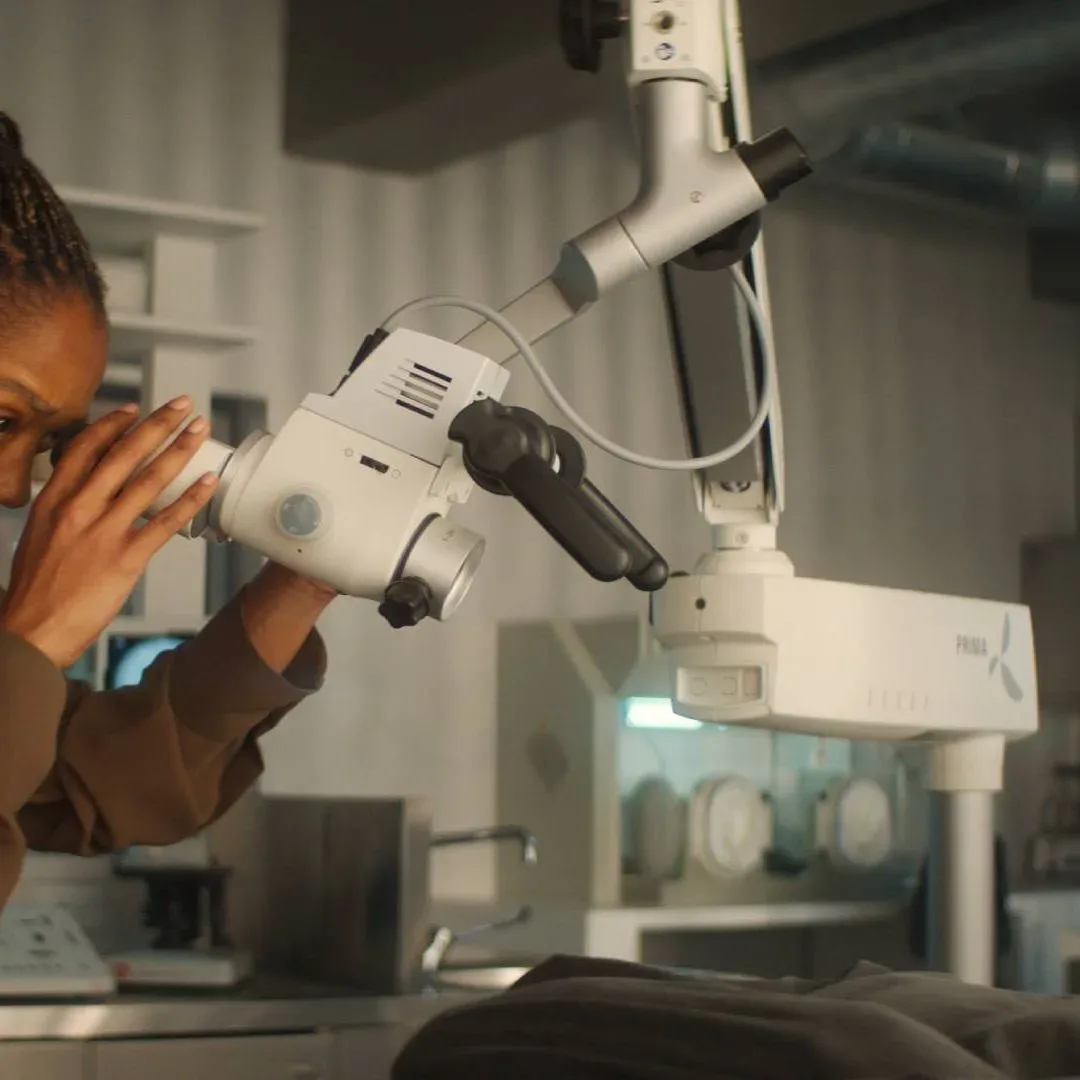
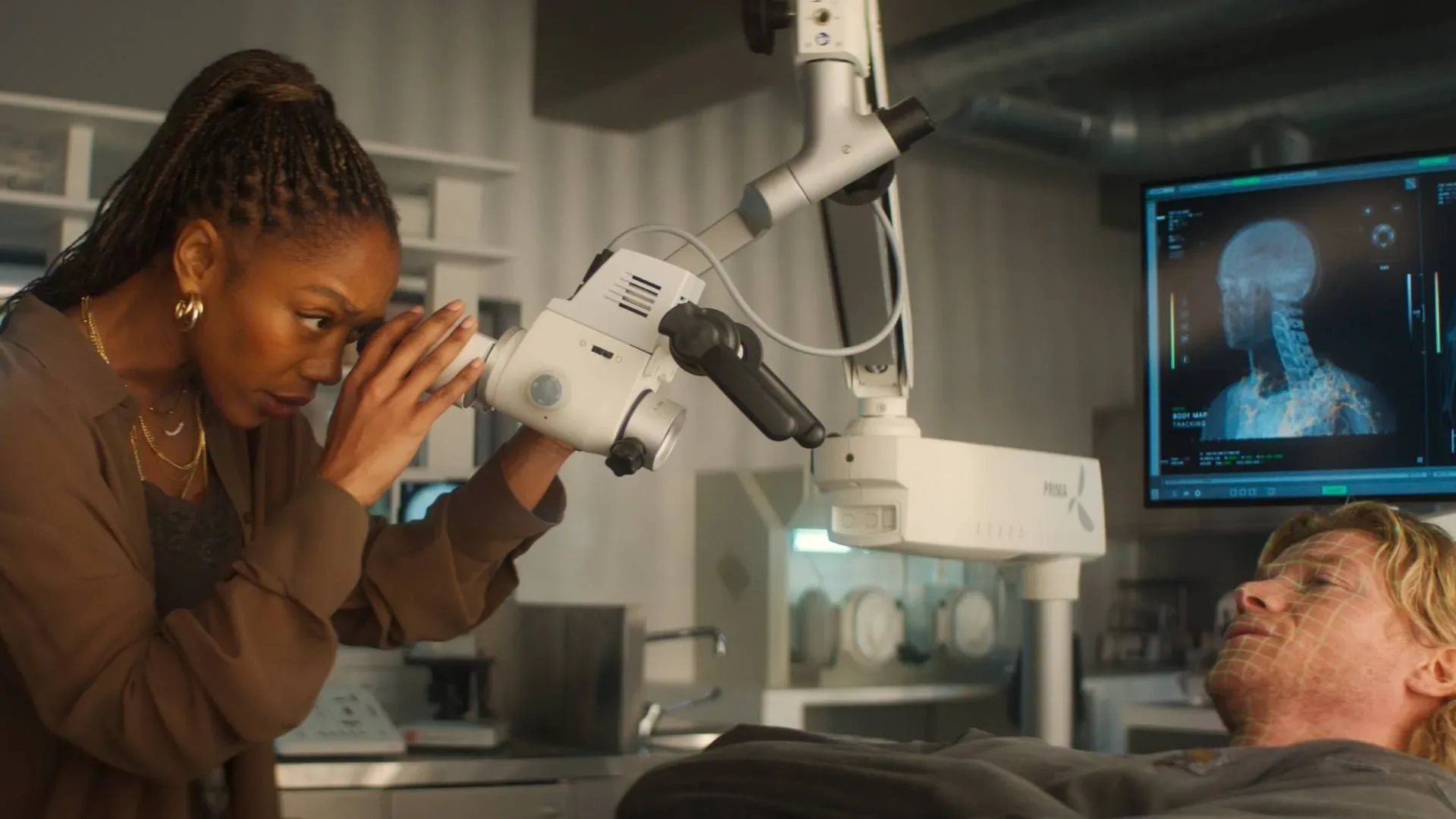
Two props from Tim Burton’s 1989 Batman reportedly appear in Clayface. One is the coffee table used by Jack Nicholson’s Joker, now placed in Matt’s penthouse. The other is a chair used during Matt’s plastic-surgery consultation; it previously appeared on the set for the Joker’s surgery sequence.
These are unusually deep-cut callbacks because they depend on behind-the-scenes confirmation, not merely an easy visual recognition test. More importantly, both objects sit near the film’s concerns with status, physical transformation and disfigurement. They are not proof of shared continuity with Burton’s film, but they are thoughtful pieces of cinematic set-dressing history.
5. The District Attorney reference brings Harvey Dent to mind
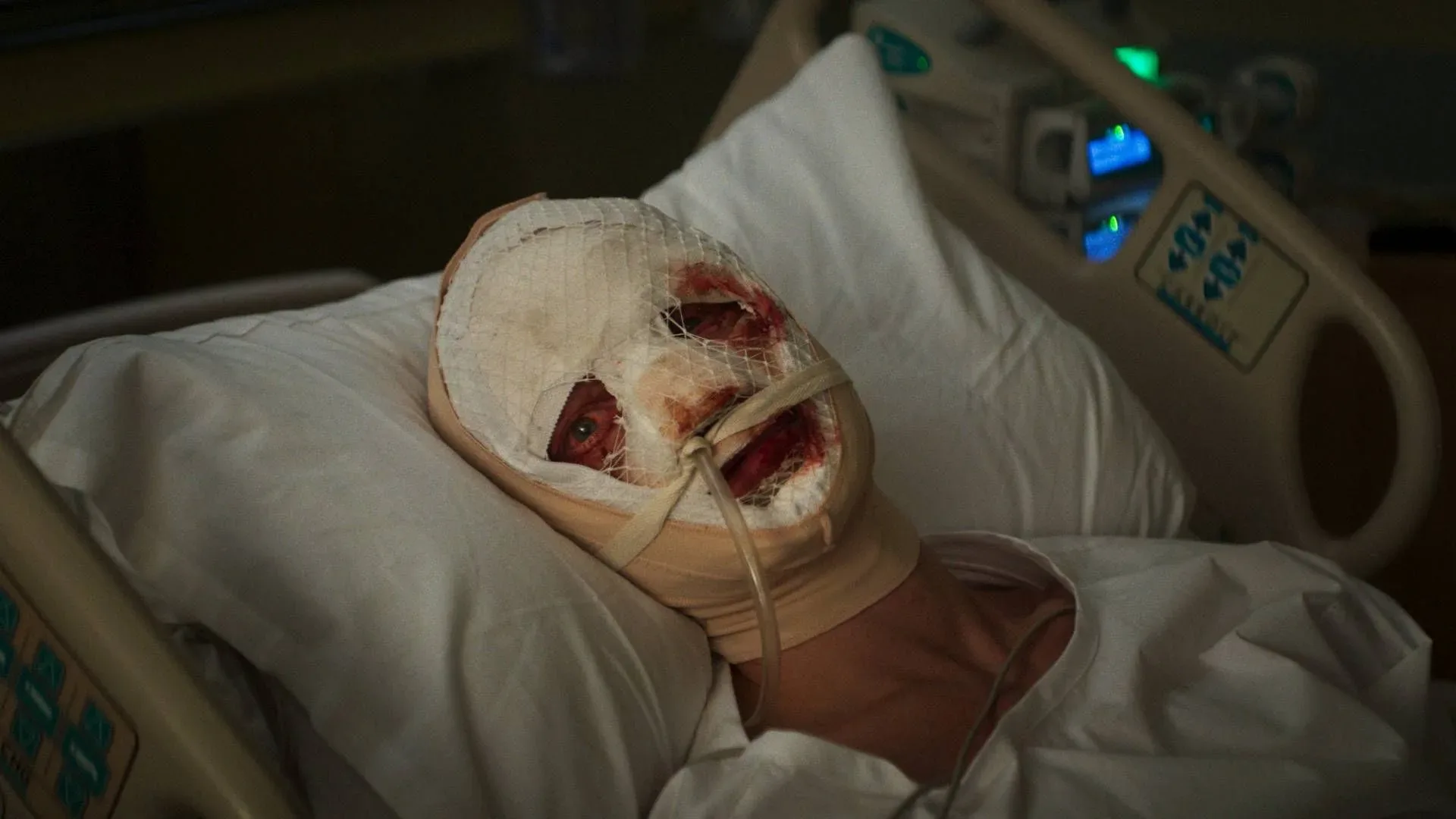
After Markos Szabo disfigures Matt, Matt takes him to court and the dialogue references the District Attorney’s office. Gotham’s best-known DA is Harvey Dent, the man who becomes Two-Face. No appearance by Dent is established here, so the mention should not be read as confirmation of a character cameo or imminent storyline.
Still, the allusion belongs naturally in a Gotham story about bodily trauma and the consequences of violence. Dent and Matt are very different characters, but both occupy a city where a life-changing injury can alter how the public sees a person—and how that person sees themselves.
6. A possible Ace Chemicals image creates a Joker parallel
From Matt’s penthouse after his disfigurement, he watches the Oscars while burning chimneys are visible outside. The facility is not explicitly labeled Ace Chemicals, but its look strongly resembles the chemical plant associated with the Joker.
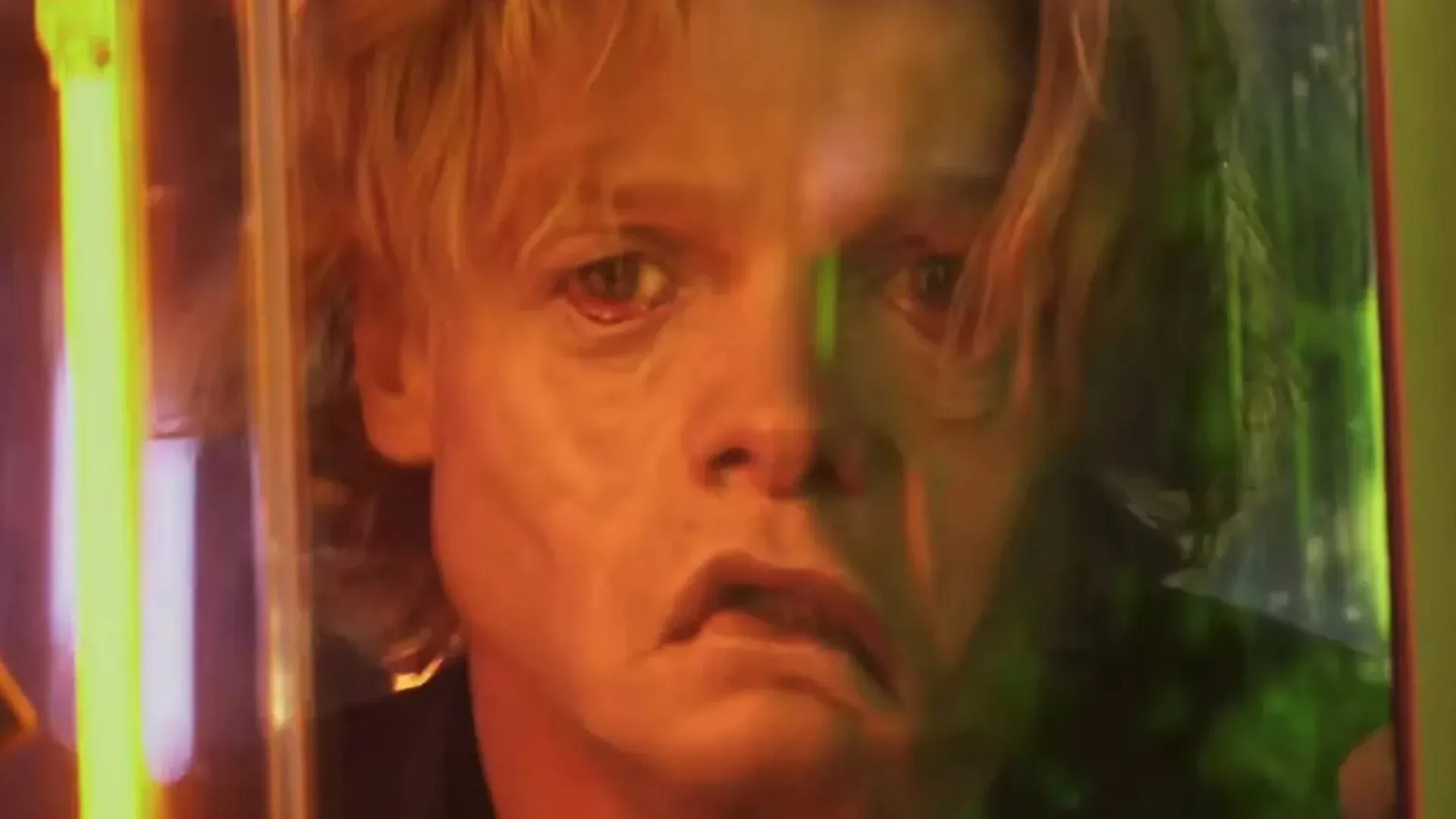
In The Killing Joke, the Joker is permanently disfigured after falling into acid at Ace Chemicals, an account commonly treated as his default origin. The film’s implied visual rhyme does not make Matt’s experience identical to Joker’s. It instead highlights a recurring Gotham idea: chemical or physical catastrophe can turn an already vulnerable person into someone unrecognizable, including to themselves.
7. “One Bad Day” puts the theme in plain sight
The Oscar Matt is nominated for goes to another actor, whose winning role is in a film called One Bad Day. That title points directly to the Joker’s philosophy in The Killing Joke: one unbearable day, he argues, is enough to push anyone into madness.
Matt’s own terrible day includes Szabo’s attack and the betrayal of friends. The reference operates as thematic shorthand, not a declaration that Matt is simply another Joker. Clayface uses the idea to frame the sudden collapse of Matt’s prior life: career, body and trust all become unstable at once.
8. John Borrelli connects the story to the GCPD
The Gotham City Police Department is part of the plot through Caitlyn’s fiancé, John Borrelli. He is described as an honest officer in a police force with a notoriously corrupt reputation. That dynamic naturally recalls Jim Gordon, Gotham’s most famous principled cop.
Borrelli is not presented as Gordon, and the connection should remain an analogy rather than an identification. The useful context is what the GCPD represents in Gotham fiction: an institution whose badge can mean protection, danger or compromise depending on the person wearing it.
9. Missing-person posters make Gotham’s danger visible
Missing posters cover GCPD spaces and Gotham streets. None is identified as a major DC name, so they should not be treated as confirmed teases for particular characters. Their immediate job is environmental storytelling: the city’s problems are public, persistent and personal.
They may also invite speculation about later stories, but the film supplies no named connection. The distinction matters. A background detail can create unease and texture without functioning as a locked-in piece of franchise setup.
10. Coast City is Matt’s entertainment-world home
Matt works as a rising actor in Coast City, a DC location often compared with Los Angeles. In comics, Coast City is the home of Green Lantern Hal Jordan and the location of Edwards Air Force Base, where Hal was stationed.
This makes Coast City a meaningful choice for Matt’s professional ascent: it links an entertainment-facing part of his life to a city with a separate superhero association. It expands the movie’s geography beyond Gotham while keeping the reference restrained; Hal Jordan does not need to arrive for Coast City to carry DC history.
11. Amusement Mile carries a clown-shaped warning
Caitlyn passes a neon sign for Amusement Mile decorated with a grinning clown face. In comics, Amusement Mile is a fairground strip associated with the Joker and Harley Quinn. The clown imagery makes the connection particularly pointed even if neither character is present.
Gotham amusement districts rarely exist as innocent background for long. Here, the sign works as visual shorthand for the city’s warped relationship with spectacle: laughter, color and public entertainment can easily become markers of menace.
12. Moldoff Building and Kane’s Candy Store honor Batman’s makers
Production notes identify two building-name tributes. The Moldoff Building honors Sheldon Moldoff, a Golden Age-era Batman artist. Kane’s Candy Store recognizes Bob Kane, Batman’s co-creator.
These are creator acknowledgements rather than plot clues. Their value is in showing that the film’s Gotham is built not only out of fictional locations but also from the people who shaped Batman’s visual and publishing history.
13. Jitters Coffee is a small but concrete DCU link
Jitters Coffee, a brand previously seen in Superman, appears again in Clayface. Max Minghella, who plays John Borrelli, has described the surreal experience of seeing the brand in Superman and then later holding a Jitters cup on the Clayface set.
This is the clearest kind of shared-world detail: an ordinary consumer product rather than a major hero dropping in to explain continuity. A recurring fictional brand makes separate stories feel as though they occupy the same commercial and cultural landscape.
14. Club Vesuvius turns up at the climax
The nightclub Matt attacks near the end is called Club Vesuvius. In DC comics, that name belongs to a club owned by Johnny Sabatino. The borrowed name adds another established Gotham-business reference to a location that matters directly to the plot.
15. The Gotham Gazette keeps the city’s media presence alive
A copy of the Gotham Gazette can be spotted in the film. In comics, Vicki Vale—often a love interest of Bruce Wayne—has worked for the paper. As with the DA mention, the newspaper does not establish that Vale is in this specific story. It simply plants a familiar Gotham institution in the background.
16. Gotham Knights and Gotham Goliaths are the local teams
Background performers wear merchandise for the Gotham Knights and Gotham Goliaths, both sports-team names found in DC comics. It is a minor detail, but local sports branding is efficient world-building. It tells viewers this version of Gotham has everyday loyalties and civic rituals alongside its far more infamous crises.
17. The credits acknowledge the roots of this Clayface
The special-thanks credits recognize Bob Kane and Bill Finger, Batman’s creators, along with Batman: The Animated Series architects Bruce Timm and Paul Dini. Marv Wolfman is also acknowledged; he wrote the first half of “Feat of Clay,” the animated two-parter that introduced Matt Hagen as a disfigured actor.
Those names make the film’s influences explicit. The Easter eggs are not merely a checklist of locations and logos: many circle back to a particular Clayface lineage in which acting, disfigurement and desperate transformation define Matt Hagen’s story. The film is standalone in the sense that viewers do not need to recognize every reference to follow it. For long-time DC viewers, though, Gotham’s signs, institutions and props make clear that Matt’s ordeal has been placed inside a very large, very haunted fictional city.