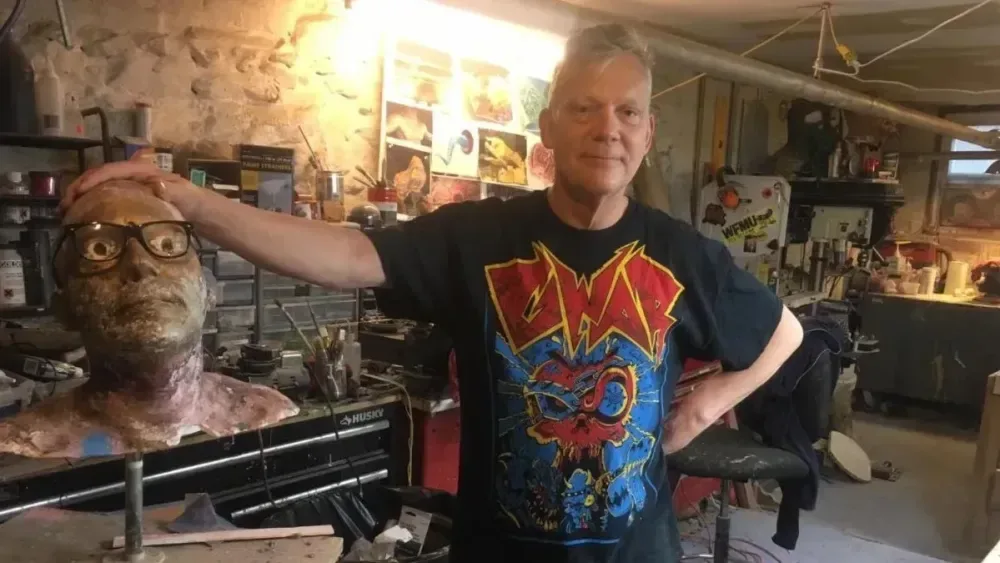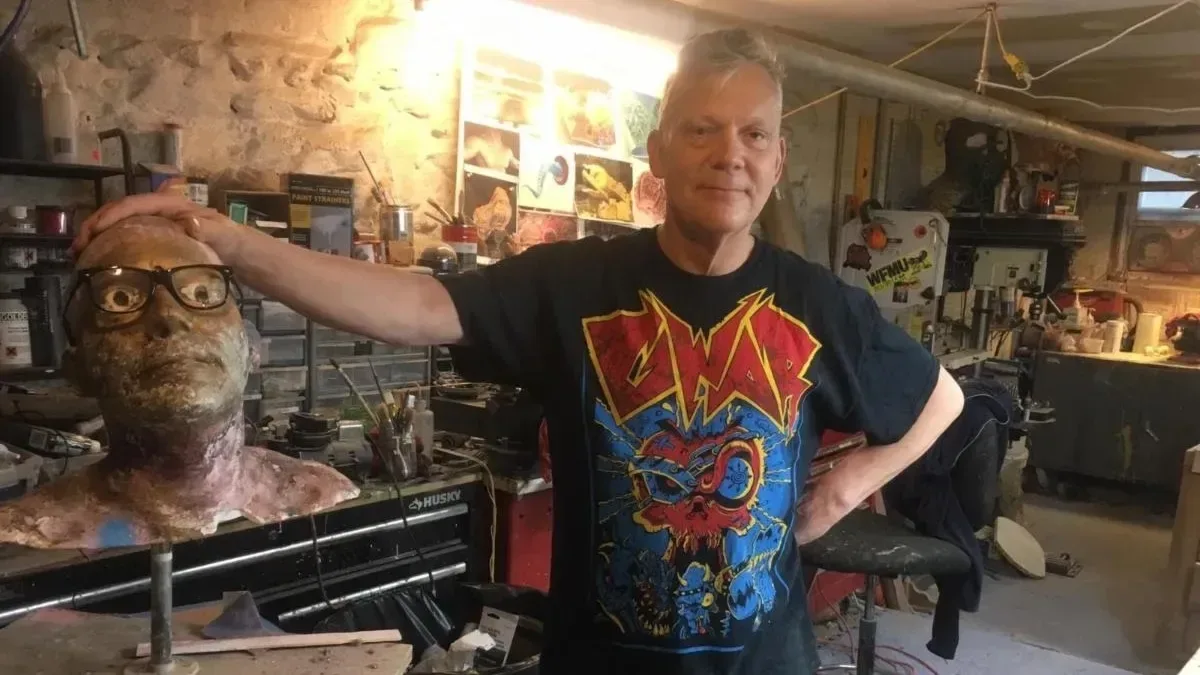
Chuck Varga, a founding member of the theatrical heavy-metal band Gwar, has died at 68 following a battle with cancer. Varga was an essential figure in a creative enterprise that was never limited to making music: its identity depended on characters, costumes, props, visual design and an intentionally outrageous stage world as much as it did on songs.
Casey Orr, Gwar’s bassist, shared news of Varga’s death in a Facebook statement, saying Varga died peacefully with his wife, Bambi, holding his hand. Orr remembered him as a singular artist and performer, as well as “a scholar and gentleman,” and encouraged fans to raise a glass and share Varga’s stories.
The remembrance also invoked Gwar’s own mixture of mythology, theatricality and band lore. Orr imagined Varga welcomed into Valhalla by late Gwar members Dave Brockie and Cory Smoot. In Norse mythology, Valhalla is the hall associated with slain warriors; in this context, the reference is a tribute expressed through the kind of larger-than-life language closely associated with Gwar’s world.
A performer within Gwar’s elaborate universe
Onstage, Varga often played Sexicutioner, one of the characters that populated Gwar’s deliberately bizarre performance universe. The band became known for unconventional costumes and provocative lyrics, building shows around a visual approach that made character work central rather than ornamental.
That distinction matters when considering Varga’s legacy. A costume in a conventional concert may support a performer’s image. In Gwar, costumes, makeup, character names and physical staging help establish the premise of the performance itself. The people onstage are not merely musicians wearing stage gear; the presentation asks the audience to enter a deliberately constructed fictional realm.
Varga’s contribution extended well beyond appearing in character. Bob Gorman of Gwar credited Varga’s illustrations, character designs, performances and broader artistic vision as continuing influences on the group. Gorman said Varga’s aesthetic helped define an entire universe—an apt description for work that crossed visual art, live presentation and storytelling.
For audiences, that is often the invisible side of a theatrical band’s legacy. The most immediately memorable elements may be the costumes and characters, but they are the result of design decisions: what silhouette communicates a character, how a mask reads from a distance, how a set piece works under live-show conditions, and how visual ideas remain recognizable from one performance to another. Varga worked across those creative boundaries.
From a student-film space to Gwar
Varga attended Virginia Commonwealth University, where he met fellow student Hunter Jackson. The pair co-founded The Slave Pit, a production space intended to make student films. The creative community that grew around that project ultimately led to Gwar’s formation.
Related coverage includes Gwar Founding Member Chuck Varga Dies at 68 After Cancer Battle.
That origin helps explain why the group’s identity was so visual from the outset. A student-film environment is a practical meeting point for people working with performance, design, characters and production. The resulting band did not treat visuals as an afterthought added to recorded music; its creative roots were connected to making things for the screen and stage.
It also puts Varga’s later career in perspective. His work moved through music, film, television, Broadway, costumes and sets, but those pursuits were connected by a consistent interest in building an environment around a performance. “Production design” can mean the designed visual world that supports a project, while costume and set design concern what performers wear and the physical spaces they inhabit. Varga’s career covered those overlapping disciplines.
Gwar’s own history offers a particularly clear example of why such multidisciplinary artists matter. The group received two Grammy nominations: one in 1993 for Best Long Form Music Video and another in 1996 for Best Metal Performance. Those nominations reflect music-industry recognition, but Varga’s body of work shows how much of the band’s impact rested on the visual and performative framework around its music as well.
Later work in film, television and theatre
Varga left Gwar in 1997 and moved to New York City to focus on film, television and Broadway. He continued to return for intermittent Gwar performances until 2017, when he founded Hyperreal Productions, a costume and set design company.
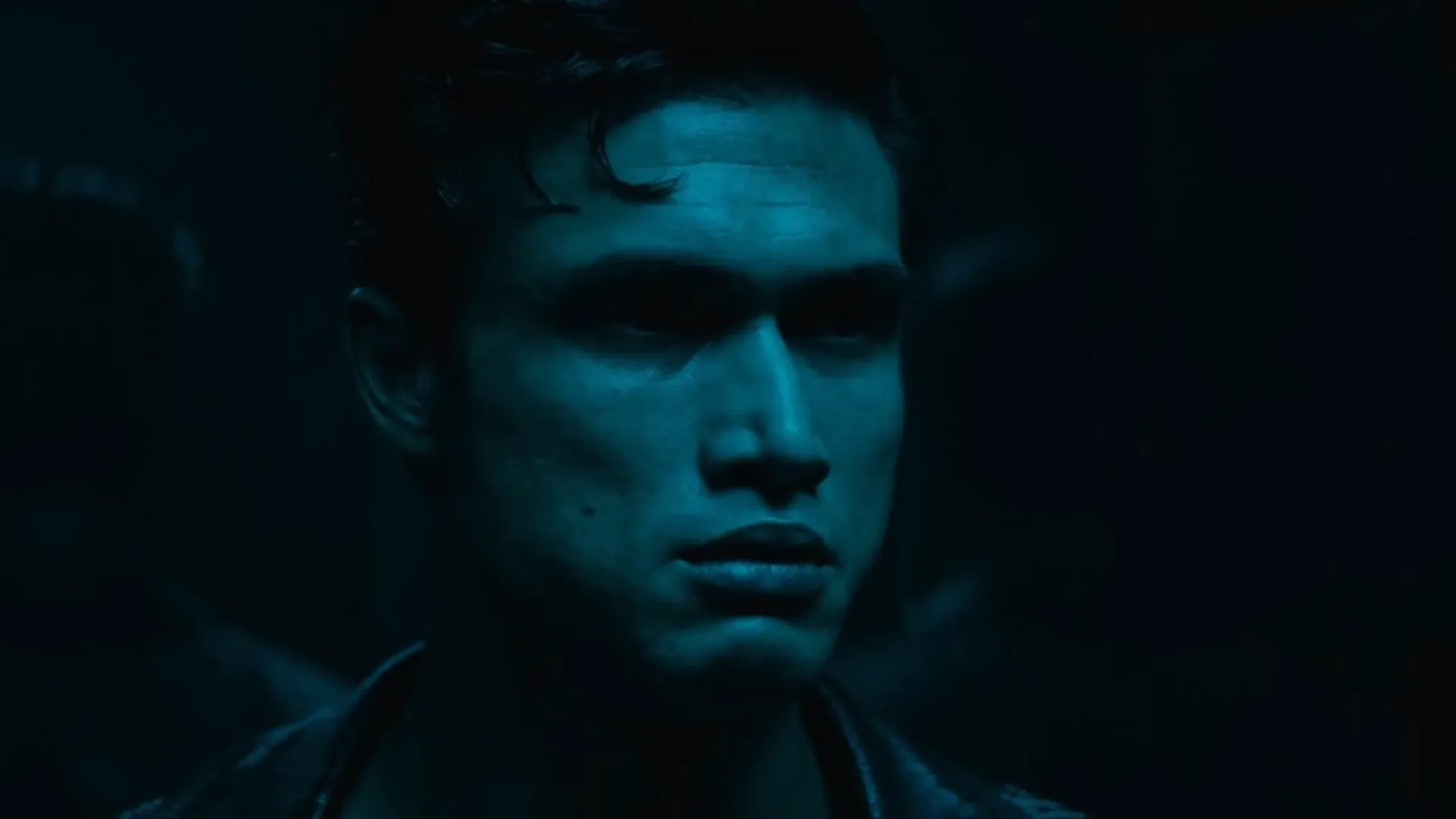
The move from a band’s stage mythology into screen and theatre work was a natural continuation of the skills visible in his Gwar years. Costumes and scenery are not simply decorative pieces. They need to communicate character and tone, work within a specific venue or production, and help performers inhabit a believable—if intentionally fantastical—space. In a genre-oriented visual project, those choices can be crucial to establishing atmosphere. The relationship between crafted imagery and unsettling mood is also central to screen work such as this look at the visual world of Her Private Hell.
Varga’s role in Gwar was therefore not confined to a single era or job title. He helped shape a band from its student-community beginnings, embodied one of its onstage characters, and later continued a design-centered career through Hyperreal Productions. The through-line is a commitment to making performance tangible: giving a strange concept a body, a costume, a setting and a presence.
Support during his illness
Varga’s cancer battle became public in April. Gwar organized a blood drive and fundraiser in his honor, and people who donated received a shirt designed by Varga. The effort connected a practical form of community support with the artwork that had been such a significant part of his life.
Blood drives are organized efforts to collect donated blood for medical use, while fundraisers can help rally direct financial and community support around an individual or cause. In Varga’s case, the shirt also served as a creative contribution from the artist being honored, rather than as a generic campaign item. It placed his illustration work at the center of an initiative created during his illness.
Gwar is preparing to tour in October. Varga’s death arrives as the band continues its work, and as the visual universe he helped shape remains part of its public identity. His influence will be felt in obvious ways through the Sexicutioner character and his appearances with the group, but also in less easily separated elements: the visual language, the irreverent scale and the understanding that a Gwar performance is designed as a total spectacle.
For longtime fans and collaborators, the tributes emphasize the full measure of that contribution. Varga was remembered as an artist, performer, scholar and gentleman—descriptions that acknowledge the person behind the theatrical persona. His work helped make Gwar’s universe legible, physical and enduring, while his later career carried the same imagination into film, television, Broadway and design.